


 設置イメージを確認
 送る
送る シェア
シェア
 詳細情報
詳細情報 ガイドを表示

 画像をダウンロード
 似ている作品
 X線調査
X線調査 スライドショー
 統計情報
統計情報St Luke


Witness the serene beauty of St Luke by Vincenzo Foppa (1510), a Renaissance masterpiece depicting the Evangelist's contemplative pose within a richly detailed fresco. Explore its symbolism and artistic significance.
 続きを読む
続きを読む
ルネサンス期の重要な画家であり、ロンバルディア派の創始者であるヴィンチェンツォ・フォッパ(1427-1515)をご紹介します。ベッリーニやマンテーニャの影響を受けた彼のフレスコ画、肖像画、そして独自の芸術的遺産をご覧ください。
ジークレー/アートプリント
スピーディーな制作と多彩な仕上げオプションが魅力の、ミュージアムクオリティなジークレー・キャンバスプリント。 ( 手描きの複製画を注文する デジタル画像販売へ切り替え)




P118B $10

P118H $10

P118W $10

P438Z $10

P508JH $12

P508YH $12

P805H $10

P805Z $10

P919BZ $10

P919G $10

P919XJ $10

P959ZH $10

P968JZ $12

W106C $8

W218G $10

W218JH $8

W218Y $10

W307PJ $10

W316G $10

W316PJ $8

W316Y $10

W398PJ $8

W4111J $10

W500HY $15

W500JH $15

W692G $12

W849H $8

W940BG $15

W953PJ $8




標準サイズ
カスタムサイズ
CM
INCH
作品のオリジナル比率に合わせた、当店の規定サイズからお選びください。
Loading sizes...

横幅
高さ
特定のフレームやスペースに合わせて、ご自身でサイズを指定することも可能です。選択されたサイズが元の画像の比率と一致しない場合、作品をトリミングするか、鏡面反射または単色での塗りつぶしによって画像を拡張いたします。制作を開始する前に、ご確認用のデジタルモックアップをお送りいたします。
画面上のプレビューには、実際のトリミングや拡張は反映されませんのでご注意ください。最終的な構図を正確に確認できるのは、モックアップのみとなります。
カスタムサイズも承っておりますが、元の比率を維持するためには、あらかじめ用意されたリストからサイズを選択することをお勧めいたします。


 ガラスオプションは、110cm未満のサイズでのみご利用いただけます。

St Luke
ジークレー/アートプリント
複製画サイズ一覧
-


合計金額
$ 69
The Serene Figure of St Luke – A Window into the Lombard School
Vincenzo Foppa’s fresco depicting St Luke, housed within the magnificent San Maurizio al Monastero Maggiore in Milan, is more than just a devotional image; it's a captivating glimpse into the artistic landscape of early 16th-century Italy. Created around 1510, this work stands as a testament to Foppa’s mastery of Renaissance techniques and his unique contribution to the burgeoning Lombard school of painting. The scene immediately draws the eye with its quiet dignity – St Luke, an elderly figure radiating wisdom and piety, occupies the central space, framed by the subtle yet powerful presence of two angelic figures. The muted palette—earth tones interwoven with delicate blues and greens—evokes a sense of timelessness and spiritual contemplation, characteristic of frescoes produced during this period. Notice how Foppa skillfully employs perspective to create depth, drawing the viewer into the scene and emphasizing St Luke’s importance within it.
Hands of a Scholar and Evangelist
The hands of St Luke are particularly noteworthy, acting as focal points within the composition. Raised slightly above his body, they suggest both an act of offering and a gesture of pointing – perhaps towards the Gospel he is holding, or even to God himself. The detail in their rendering—the subtle veins, the delicate musculature—demonstrates Foppa’s meticulous attention to anatomical accuracy, a hallmark of Renaissance art. The ambiguity surrounding the objects held in his hands adds another layer of intrigue; while often interpreted as representing the Gospel of Luke, the second object remains deliberately obscured, inviting viewers to contemplate its symbolic significance. This deliberate withholding of clarity is not simply an artistic choice but reflects the complex and layered nature of faith itself.
A Symphony of Light and Shadow – The Lombard School’s Influence
Foppa's style firmly places him within the Lombard school, a movement that emerged in Northern Italy during the early 15th century. Unlike the High Renaissance ideals dominating Florence and Rome, the Lombard school prioritized a more intimate and emotionally resonant approach to painting. The use of diffused light, characteristic of fresco techniques, creates an atmospheric quality, bathing the scene in a soft glow. The influence of artists like Gentile da Fabriano and Pisanello is readily apparent – particularly in the delicate rendering of drapery and the expressive faces of the angels. The slightly elongated figures, a common feature of the Lombard style, contribute to a sense of grace and elegance. The background elements—the architectural details and floral motifs—further enhance this atmosphere, suggesting an interior setting within a sacred space.
Historical Context and Artistic Legacy
The creation of St Luke’s fresco coincided with a period of significant artistic and political change in Milan. The Sforza family, powerful dukes who ruled the city, were major patrons of the arts, commissioning works that reflected their wealth and prestige. Foppa's work is therefore inextricably linked to this vibrant cultural environment. His dedication to his craft, coupled with his technical skill and artistic vision, solidified his position as a leading figure in the Lombard school. Though relatively few of his paintings survive, St Luke’s fresco remains a powerful testament to his legacy – a serene and evocative depiction of faith, scholarship, and the enduring beauty of Renaissance art. It's a piece that invites contemplation and offers a profound connection to the artistic traditions of Northern Italy.
アーティストについて
ロンバルディアの先見者:ヴィンチェンツォ・フォッパの生涯と芸術
ルネサンス期の同時代人たちの名に比べると、ヴィンチェンツォ・フォッパという名は、すぐには聞き馴染みのないものかもしれません。しかし、イタリア美術史において、彼は極めて重要な役割を果たした人物として君臨しています。1427年頃、ブレシア近郊のバニョーロ・メッラに生まれたフォッパは、初期ロンバルディア派絵画の先駆者として頭角を現しました。彼はゴシック様式の伝統と、芽生えつつあったヒューマニズムの理想を融合させ、独自のスタイルを築き上げたのです。そのキャリアは、主にミラノ公国の権力者であるスフォルツァ家の庇護の下で展開されました。彼の芸術的影響力はロンバルディアからリグリアへと響き渡り、晩年は故郷ブレシアに戻って1515年にその生涯を閉じました。時の流れや不運な状況により、現存する作品数は比較的少ないものの、フォッパが示した芸術的ヴィジョンは、その後の北イタリアにおける絵画発展の過程に、今なお深く刻み込まれています。形成期と芸術への巡礼
フォッパの若き日、ブレシアの芸術界はそれほど活気に満ちたものではなく、彼は研鑽の場を外の世界に求める必要がありました。彼がどのような徒弟修行を経たのか、その詳細な記録は謎に包まれていますが、当時の主流であった様式や技法を吸収するために、芸術的な巡礼へと旅立ったことは間違いありません。彼の作品には、初期のインスピレーションが鮮明に見て取れます。ブレシアのブロレット教会に残されたジェンティーレ・ダ・ファブリアーノによるフレスコ画の繊細な叙情性や、ヤコポ・ベッリーニが描いた優美な「受胎告知」の影響です。特に後者のベッリーニは彼に強い影響を与えたと考えられており、学者の中には、フォッパが直接彼の門下に入ったのではないかと示唆する者もいます。他にもボニファーチョ・ベンボや、パドヴァのフランチェスコ・スクアルキオーネの下での修行の可能性も指摘されています。しかし、初期作品に見られるピザネッロやジェンプリレ・ダ・ファブリアーノとの様式的親和性は、彼が当時芸術の革新拠点として栄えていたヴェローナで正式な教育を受けた可能性を強く示唆しています。この吸収と実験の時期こそが、多様な影響を独自の形へと昇華させるフォッパの基盤となったのです。スフォルツァ家の庇護とロンバルディアの革新
1458年頃、パヴィアにて公爵フランチェスコ・スフォルツァの目に留まったことで、フォッパの運命は劇的な転換を迎えます。その卓越した技術は瞬く間に依頼を引き寄せ、ジェノヴァの大聖堂にある聖ヨハネ洗礼者礼拝堂のフレスコ画という名誉あるプロジェクトをもたらしました(惜しくも16世紀の改修により失われてしまいましたが)。スフォルツァ公からの輝かしい推薦状はさらなる扉を開き、1463年にはフォッパはミラノへと召喚されました。ここでの彼は、新しく建設されたオスペダーレ・マッジョーレのポルティコ(柱廊)のフレスコ画や、ミラノのメディチ銀行内における精緻な装飾など、重要な事業に従事しました。特に後者の作品は特筆すべきもので、トラヤヌス帝の詳細なスケッチを含む8人のローマ皇帝の描写とともに、フランチェスコ・スフォルツァとその家族の印象的な肖像が描かれていました。 この時期こそ、フォッパが真の意味でロンバルディア派の特徴を確立した時代といえます。彼の絵画は、肌のトーンに独特の灰色がかった色調を見せるようになり、この特徴は後の世代の画家たちによって広く模倣されることとなりました。彼はゴシック様式の優雅さと、台頭しつつあったルネサンスの遠近法や自然主義の原則を見事に融合させ、視覚的な魅力と知的な深みを兼ね備えた構図を生み出したのです。メディチ銀行のフレスコ画から現存する唯一の世俗的な断片であり、現在はロンドンのウォレス・コレクションに収蔵されている読書する若きキケロは、まさにこの融合を象徴しています。そこには、心理的な深みと物語の複雑さを伝えるフォッパの類まれな手腕が示されています。遺産と歴史的意義
多くの作品が失われてしまったにもかかわらず、ヴィンチェンツォ・フォッパがロンバルディア絵画に与えた影響は計り知れません。彼は後期ゴシックから盛期ルネサンスへと架け橋となるような、地域特有の様式を確立しました。写実的な描写へのこだわりは、洗練された色彩感覚や構図と相まって、ヴィンチェンツォ・チヴェルキオやジローラモ・ロマーニノといった画家たちの道を切り拓いたのです。高名な美術史家ジョルジョ・ヴァザーリが、フォッパをその時代における最も偉大な画家の一人として称えたことは、彼の生前の技術と名声がいかに高かったかを物語っています。 フォッパの芸術的遺産は、単なる様式の模倣に留まりません。彼は多様な影響を適応させ、統合させる驚異的な能力を示し、当時の文化的・政治的景観を反映した、唯一無二のロンバルディア的美学を創り上げました。その作品には革新と実験の精神が宿っており、彼を単なる熟練した職人としてだけでなく、イタリア・ルネサンス絵画の進むべき道を作り上げた先見的な芸術家たらしめています。ヴィンチェンツォ・フォッパは、他の有名な同時代人たちに比べれば、必ずしも広く知られているわけではないかもしれません。しかし、15世紀北イタリアにおける豊かな芸術のタペストリーを理解する上で、彼は決して欠かすことのできない、極めて重要な人物なのです。
ヴィンチェンツォ・フォッパ
1427 - 1515 , イタリア
アーティスト情報
- Artistic Movement Or Style: 初期ルネサンス
- Artists Or Movements Influenced By This Artist:
- ヴィンチェンツォ・チヴェルキオ
- ジローラモ・ロマーニノ
- Artists Who Influenced This Artist:
- ヤコポ・ベッリーニ
- ジェンティーレ・ダ・ファブリアーノ
- Date Of Birth: 1427年
- Date Of Death: 1515年
- Full Name: ヴィンチェンツォ・フォッパ
- Nationality: イタリア
- Notable Artworks:
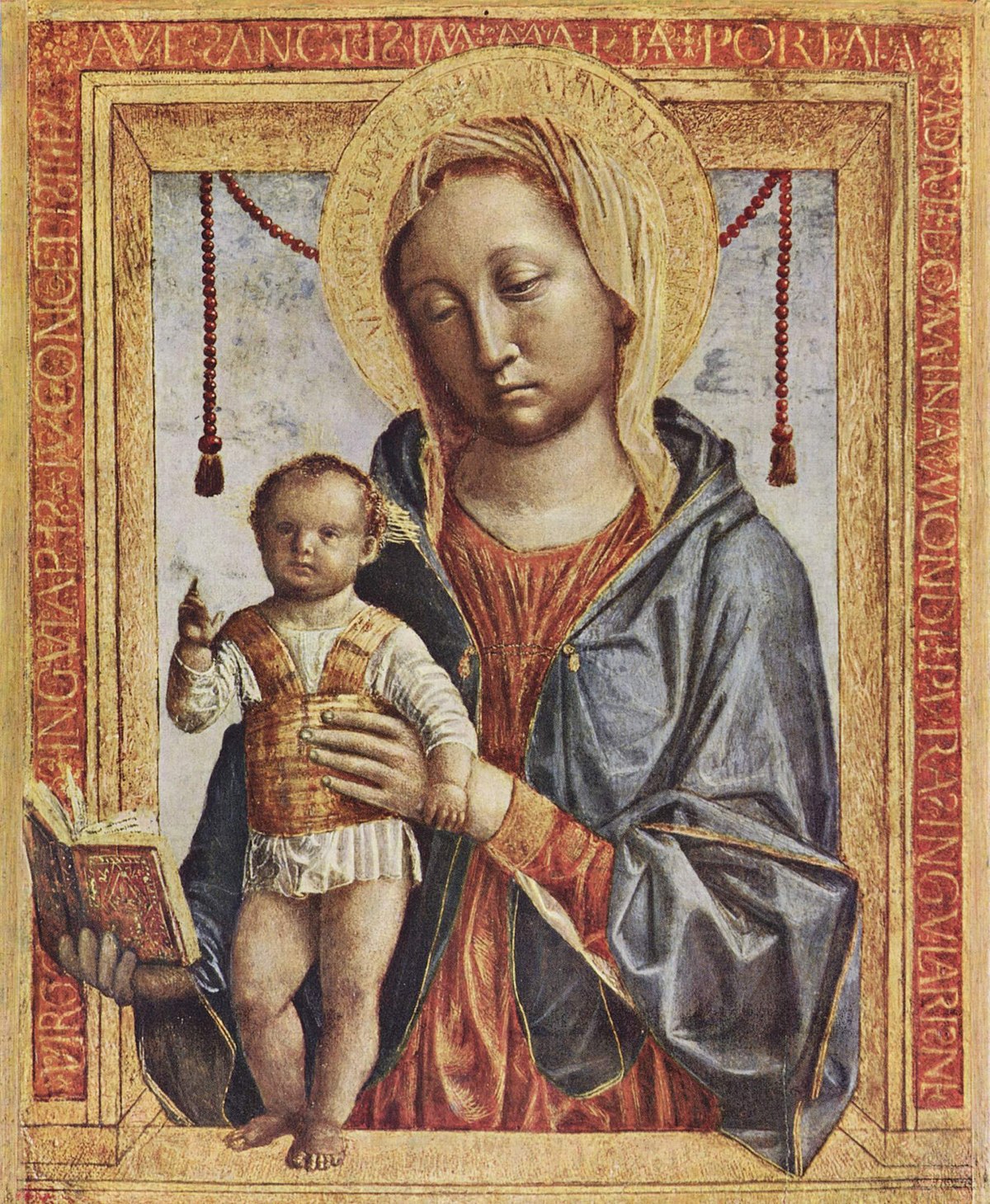
- 聖母子
- 磔刑 (1456年)
- 読書する若きキケロ
- Place Of Birth: イタリア、バニョーロ・メッラ
関連記事

The Eternal Glow of Fresco: Capturing Light, Spirit, and the Timeless Majesty of Wall Art
Discover the enduring beauty of fresco painting. Explore the history, technique, and spiritual depth of mural art, from Michelangelo to modern luxury design. Learn how to bring the timeless glow of masterworks into your home through exquisite, hand-painted reproductions.

Capturing the Grey Light: A Journey Through the Soulful Atmosphere of the Hague School
Explore the evocative beauty of the Hague School. Discover how Dutch masters captured the soulful 'grey light' through atmospheric realism and tonalism, paving the way for Impressionism. A deep dive into the misty landscapes and emotional depth of this legendary art movement.