


 設置イメージを確認
 送る
送る シェア
シェア
 詳細情報
詳細情報 ガイドを表示

 画像をダウンロード
 似ている作品
 X線調査
X線調査 スライドショー
 Q&A
Q&A 統計情報
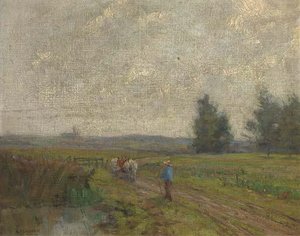
統計情報The Cornfield
Walter Osborne (1859-1903) was an Irish Impressionist painter celebrated for his realistic depictions of Dublin life, evocative landscapes & poignant portraits. Explore his art!
 続きを読む
続きを読む
ウェブ上のプレビューを遥かに凌駕する、印刷に最適なファイルをご提供します。当サイトで販売しているすべてのデジタル画像は、弊社のデータベース内にある高解像度のマスターデータ(通常、幅5,000〜15,000ピクセル)から作成されています。そのため、大判印刷やタイトなクロップ、細部まで緻密な再現も、安心してお楽しみいただけます。
当スタジオから送り出される画像は、すべて丁寧に加工されています。デジタルエキスパートが原画と照らし合わせて色調を精査し、必要に応じて補正を行った上で、プロ仕様のリタッチツールを用いて鮮明さと細部を向上させます。その際、アーティストの筆致やスタイルに忠実であることを常に追求しています。その結果、単なるスキャン画像にフィルターをかけたようなものではなく、まるで本物の絵画を見ているかのような仕上がりを実現しています。
仕上がりをご確認いただいてから完了となります。専門スタッフが、ご確認用の画像を72時間以内にメールでお送りいたします。もしご満足いただけない場合は、修正や改善のご要望を承るほか、品質が基準に満たない場合には返金も可能です。
出版社、デザインスタジオ、ギャラリー、そして印刷所から信頼される品質です。
デジタル画像
個人での鑑賞、印刷、クリエイティブなプロジェクトにご利用いただける高解像度ファイルをダウンロードできます。 ( プリント版に切り替え 手描きの複製画を注文する)
デジタル画像のご注文に付随する特典
プロフェッショナルなデジタル配信を、確かな品質で。
TopImpressionists.com を選ぶことは、単に画像を手に入れることではありません。プロの手によって精密に仕上げられ、満足保証が付いた高品質なデジタルアートワークを受け取ることを意味します。ご注文いただいた際に自動的に付随する内容は、以下の通りです:

メールですぐにお届け
ご注文から72時間以内に、高解像度のデジタル画像ファイルをメールでお送りいたします。お手元に届き次第、すぐにご利用いただけます。

AI技術で最適化されたデジタルファイル
お客様の作品は、高度なAI技術と専門家による手作業を組み合わせてプロフェッショナルに最適化されており、細部のディテール、鮮明さ、そして正確な色再現性を最大限に引き出しています。

一生涯無料の再送サービス
ファイルを誤って削除したり、紛失してしまったりしましたか?ご安心ください。いつでも無料で再送いたします。

輸入手数料は、いつでも一切かかりません
関税や手数料、配送料を気にすることなく、お気に入りのアートワークをすぐにお楽しみいただけます。デジタルダウンロードは常に免税です。

正確な色彩の保証
プロ仕様のツールとカラーマネジメント技術を用いることで、デジタル画像が元の色を最大限に忠実に再現することを保証いたします。

100日間満足保証
ご購入いただいたデジタル画像にご満足いただけない場合は、100日以内であれば、理由を問わず修正または100%の返金対応をさせていただきます。

100% 返金保証
ご満足いただけない場合は、デジタルファイルを受け取ってから100日以内であれば、理由を問わず全額返金いたします。

まとめ買い割引
3枚購入で10%OFF、5枚購入で15%OFF、10枚以上のご購入で20%OFF。クリエイティブなプロジェクトやギャラリー、エージェンシーに最適です。



アーティスト・プロフィール
Early Life and Artistic Foundations
Walter Frederick Osborne, born in Rathmines, Ireland, in 1859, emerged from a family deeply rooted in the artistic world. His father, William Osborne, was a successful animal painter, providing young Walter with an early immersion into the sights, smells, and techniques of a working artist’s life. This foundational exposure proved pivotal, nurturing a talent that would blossom into a significant contribution to Irish art. Osborne's formal training began at Rathmines School before progressing to the prestigious Royal Hibernian Academy (RHA) Schools in Dublin. His dedication and skill were quickly recognized; he garnered numerous prizes, culminating in the esteemed Taylor scholarship (£50) – a testament to his exceptional promise even in those early years. This financial support enabled him to broaden his horizons and seek further education abroad, setting the stage for a period of crucial artistic development.European Influences and Artistic Development
Osborne’s journey took him to Antwerp in 1881, where he studied at the Académie Royale des Beaux-Arts under Charles Verlat. This experience immersed him in realist traditions, honing his technical skills and emphasizing meticulous observation. However, it was a subsequent sojourn to Brittany between 1883 and 1884 that proved transformative. Working in locations like Dinan, Pont-Aven, and Quimperlé, Osborne encountered the *plein air* style championed by Jules Bastien-Lepage. This marked a turning point, encouraging him to capture nature directly, responding to light and atmosphere with an immediacy previously absent from his work. The influence of Flemish master Rubens also lingered in his artistic consciousness, evident in his later compositions. These diverse influences – the realism of Verlat, the naturalism of Bastien-Lepage, and the compositional strength of Rubens – coalesced into a unique artistic voice that would define Osborne’s career. His time in England followed, working alongside artists like Nathaniel Hill and Augustus Burke, further refining his skills in landscape and genre scenes depicting rural life.A Return to Dublin and Portraiture Success
Family circumstances prompted Osborne's return to Dublin in 1892, where he established a thriving portrait practice. While landscapes and genre scenes remained central to his artistic interests, the demand for portraits provided financial stability and recognition. He had already become a full member of the RHA in 1886, solidifying his position within the Irish art establishment. Osborne’s style continued to evolve during this period, gradually moving away from strict realism towards Impressionism. This shift manifested in looser brushwork, a more adventurous palette, and an increased emphasis on capturing fleeting moments of light and atmosphere. His portraiture gained considerable acclaim, culminating in the bronze medal awarded for “Mrs Noel Guinness and her Daughter Margaret” at the Exposition Universelle in 1900 – a significant international honor.Themes, Legacy, and Lasting Impact
Walter Osborne’s artistic legacy rests on his sensitive and insightful depictions of everyday life, particularly his documentary portrayals of Dublin's working class. He possessed an exceptional ability to capture the dignity and resilience of ordinary people, offering a poignant glimpse into their world. Beyond these compelling social commentaries, he painted numerous evocative landscapes and genre scenes depicting rural Ireland and England. His notable works, including “Feeding the Chickens,” “Mother and Child,” “The Return Of The Flock”, "Small Girl With A Cat", and “Cherry Ripe,” showcase his mastery of light, color, and composition. Tragically, Osborne’s life was cut short by pneumonia in 1903 at the age of just 43, leaving many to speculate about the artistic heights he might have reached. Despite his premature death, he is now rightfully regarded as a major figure in Irish art history. His work provides invaluable insights into the social conditions and daily lives of late 19th-century Ireland, and his blend of realism and Impressionism continues to inspire subsequent generations of artists. He wasn’t part of any formal movement but his influence on later Irish painters is undeniable, a testament to the enduring power of his vision and skill.
Walter Frederick Osborne
1859 - 1903 , Ireland
略歴
- Full Name: Walter Frederick Osborne
- Nationality: Irish
- Date Of Birth: 1859
- Date Of Death: 1903
- Place Of Birth: Rathmines, Ireland
- Notable Artworks:
- Feeding the Chickens
- Mother and Child
- Small Girl With A Cat
- Cherry Ripe
- Artistic Movement Or Style: Impressionism, Realism
- Artists Who Influenced This Artist:
- Charles Verlat
- Jules Bastien-Lepage
- Rubens
- Artists Or Movements Influenced By This Artist: Later Irish artists