Atelier — Complimentary worldwide shipping — お届けまで2〜6週間
Wishlist カート
プリントを購入 プリントを購入画像を 購入する 画像を 購入する シェアするシェアする
詳細を見る詳細を見る お気に入りに追加 お気に入りに追加 ダウンロードダウンロード 似ている作品似ている作品 X線調査X線調査 スライドショースライドショー

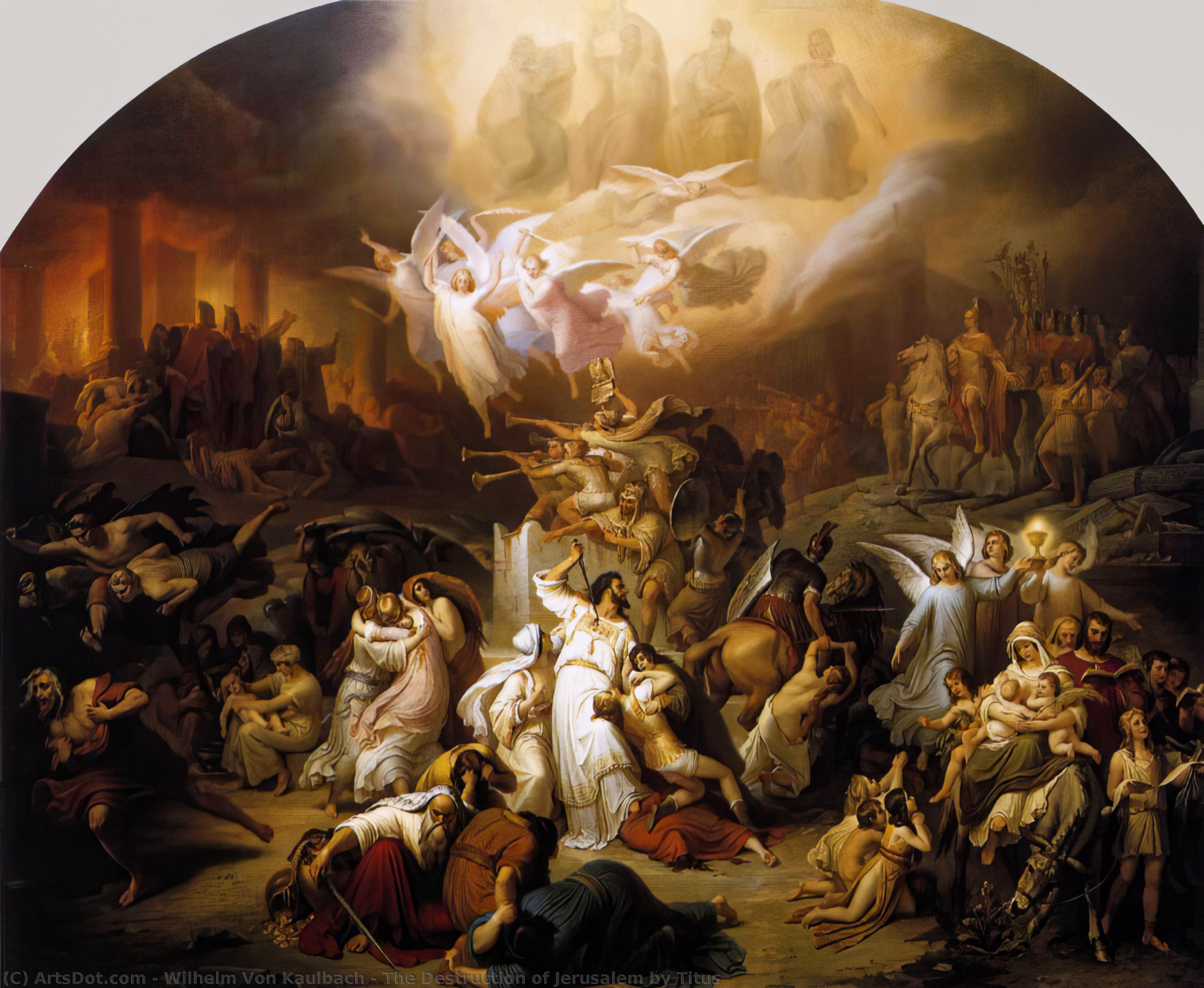
テウツのエルサレム破壊

カウルバッハの圧巻『エルサレム破壊』。聖書的な破滅を壮大なロマン主義で描く。歴史的意義と圧倒的な感情への訴えかけを体感してください。

Wilhelm von Kaulbach (1805-1874) was a prominent German muralist & book illustrator of the Düsseldorf school. Known for historical, allegorical scenes & satirical works like 'Narrenhaus', he revitalized German art in Munich. Explore his masterpieces!

手描き油彩複製画

当社のアーティストが、お客様のご希望のサイズと額縁に合わせて、キャンバスに手描きで制作する油彩画です。

P118B $10
P118H $10
P118W $10
P438Z $10
P508JH $12
P508YH $12
P805H $10
P805Z $10
P919BZ $10
P919G $10
P919XJ $10
P959ZH $10
P968JZ $12
W106C $8
W218G $10
W218JH $8
W218Y $10
W307PJ $10
W316G $10
W316PJ $8
W316Y $10
W398PJ $8
W4111J $10
W500HY $15
W500JH $15
W692G $12
W849H $8
W940BG $15
W953PJ $8

Standard
custom
CM
INCH

作品のオリジナル比率に合わせた、当店の規定サイズからお選びください。

高さ

特定のフレームやスペースに合わせて、ご希望のサイズをご入力いただけます。選択されたサイズが元の画像の比率と異なる場合、アートワークをトリミングするか、手描きで要素を追加して絵画を拡張いたします。デジタルモックアップ を制作し、制作開始前にご確認(承認)をいただきます。
画面上のプレビューは、実際のトリミングや拡張を正確に反映しているものではありません。最終的な構図は、モックアップによってのみ正確にご確認いただけます。
カスタムサイズもご利用いただけますが、元の比率を維持するためには、あらかじめ用意されたリストからサイズを選択することをお勧めいたします。

カスタマイズの例:顔をお客様の写真に置き換える、ペットを追加する(例:猫を犬に変更)、背景に隠れたメッセージを入れる、背景の風景や要素を変更するなど。
ご注文後、TopImpressionists.com チームより詳細な指示をお送りするとともに、仕上がりイメージ(モックアップ)をご提供いたします。

世界中への配送()は、通常の5週間ではなく、3〜4週間でお届けいたします。(17 7月)。品質には一切妥協いたしません。

why_choose_icon
世界中へ無料エクスプレス配送
why_choose_icon
高品質なリネンキャンバス
why_choose_icon
配送時完全保険付
why_choose_icon
関税・輸入税の払い戻し保証
why_choose_icon
忠実な色彩再現保証
why_choose_icon
60日間返品保証(製造上の欠陥のみ)
why_choose_icon
100% 全額返金保証
why_choose_icon
まとめ買い割引のご案内

合計金額

-

reproduction

テウツのエルサレム破壊

複製技法

複製画のサイズ

-

合計金額

-

作品詳細

  • medium: Oil on canvas
  • notable_elements: Dramatic composition, divine figures, chaos, divine light
  • dimensions: 585 x 705 cm
  • style: Romantic/Baroque
  • artist: Wilhelm von Kaulbach
  • movement: Romanticism, Baroque
  • subject: Destruction of Jerusalem, biblical scene, divine judgment

アート・クイズ

各質問の正解は1つだけです。

問題 1:
Who is the artist of 'The Destruction of Jerusalem by Titus'?
問題 2:
In what year was 'The Destruction of Jerusalem by Titus' completed?
問題 3:
What artistic movement is 'The Destruction of Jerusalem by Titus' associated with?
問題 4:
What is the primary subject depicted in this artwork?
問題 5:
Which technique is most prominently used in this large-scale painting?

作品解説

ウィルヘルム・フォン・カウルバッハの『エルサレム崩壊』:壮大な宗教絵画の息吹

ウィルヘルム・フォン・カウルバッハ(1805-1874)は、ドイツ美術史において最も重要な人物の一人です。特に壁画制作における卓越した才能で知られ、その作品はデュッセルドルフのアカデミーの芸術を大きく左右しました。彼の生涯は、貧困と苦難に満ちていましたが、それらの経験が、人々の生活と信仰に対する深い理解を生み出し、その芸術表現に反映されました。本作品『エルサレム崩壊』は、まさにカウルバッハの才能と情熱が凝縮された傑作であり、その壮大さとドラマティックな表現力は、見る者の心を捉えます。

  • 時代背景: 1846年制作されたこの作品は、ユダヤ・ローマ戦争におけるエルサレムの包囲と陥落という歴史的出来事を描いています。特に、セプティマスの皇帝ティトゥスによる第二神殿の破壊は、ユダヤ人の信仰の中心を根絶し、その後の宗教的・政治的な混乱を引き起こしました。カウルバッハは、この悲劇的な出来事を、単なる歴史的事実としてではなく、人間の信仰と運命、そして神の裁きという普遍的なテーマとして捉え、作品に込めています。
  • ロマン主義の表現: 本作品は、ロマン主義という芸術運動を代表するものであり、その特徴である感情の強調、ドラマティックな光の効果、そして壮大なスケールが顕著に表れています。カウルバッハは、古典的な構図と技法を基盤としつつも、ロマン主義的な表現を取り入れ、人間の内面にある感情や情熱を大胆に描き出しています。

技巧と素材:油彩の力強い表現

『エルサレム崩壊』は、主に油絵の具を用いて制作されています。カウルバッハは、油彩の持つ豊かな色彩感と、厚塗りの表現技法を最大限に活用し、作品に深みと立体感を付与しています。特に、光の表現には卓越した技術を示しており、天使たちの輝きや、燃え盛る都市の炎など、様々な光源から発せられる光の効果を巧みに再現しています。また、衣類や建築物の質感も細部まで丁寧に描き込まれており、まるで実際にその場に立っているかのような臨場感を味わうことができます。

  • 構図と色彩: 画面全体は、暖色系の色調(赤、茶色、金色など)が dominant であり、劇的な状況を強調しています。特に、天使たちが降り注ぐ光は、希望の象徴としてだけでなく、神の裁きというテーマを際立たせる役割も果たしています。
  • 筆致: カウルバッハの筆致は力強く、ダイナミックな表現を実現しています。人物や建築物の輪郭線は明確に描き込まれ、動きとエネルギーが伝わってきます。

象徴性と感情的影響

『エルサレム崩壊』は、単なる宗教絵画にとどまらず、人間の存在意義や運命といった普遍的なテーマを問いかける作品です。描かれている人々は、信仰と恐怖、希望と絶望といった相反する感情に翻弄されながら、それぞれの立場から神の裁きを受け入れています。この作品は、見る者に深い感動と省察を与え、人間の脆弱性と信仰の重要性を改めて認識させます。

本作品を鑑賞することで、カウルバッハが描いた壮大な宗教絵画の世界に浸り、その芸術的才能と歴史的背景を感じ取ることができるでしょう。また、この傑作は、インテリアデザインにおいても、空間に荘厳さとドラマティックな雰囲気を加えるための理想的な選択肢となるでしょう。


アーティストの略歴

Wilhelm von Kaulbach: A Titan of German Mural Painting

Wilhelm von Kaulbach (1805-1874) stands as a monumental figure in the history of German art, primarily recognized for his transformative contributions to mural painting and his pivotal role in shaping the Düsseldorf School. Born in Bad Arolsen, Germany, his early life was marked by hardship—his family struggled financially, and he witnessed firsthand the poverty endured by rural communities, experiences that profoundly influenced his artistic vision. This formative backdrop instilled a tenacious spirit of resilience and fueled his unwavering dedication to mastering his craft. Kaulbach’s artistic journey commenced with an exceptional opportunity: admission to the Düsseldorf Academy of Fine Arts, secured through the intervention of sculptor Rudolf Rauch. The academy, under Peter von Cornelius's leadership, was undergoing a renaissance, attracting ambitious young artists eager to revive classical ideals and forge a distinctly German aesthetic. Kaulbach confronted considerable challenges during his studies—hunger and deprivation were commonplace—yet he persevered with unwavering determination, honing his skills alongside fellow luminaries like Cornelius and Johann Wilhelm Schweitzer. His talent quickly distinguished him amongst his peers, propelling him toward the forefront of the burgeoning Düsseldorf School movement. Cornelius’s patronage proved instrumental in Kaulbach's career trajectory. He was entrusted with overseeing the monumental frescoes adorning the Glyptothek in Munich—a project that demanded collaborative effort and meticulous planning. Alongside Schweitzer and others, Cornelius embarked on a painstaking process of cartoon creation at Düsseldorf, followed by vibrant color application on the museum walls during the summer months. This ambitious undertaking cemented Kaulbach’s reputation as a master muralist and solidified his association with Cornelius's influential artistic philosophy. Beyond Glyptothek frescoes, Kaulbach cultivated an independent practice, accepting commissions for diverse projects—religious depictions, portraits, and landscapes—demonstrating versatility and adaptability within the evolving artistic landscape. In 1849, Cornelius resigned from the academy’s directorship, leaving Kaulbach to assume leadership, a position he held until his death in 1874. During his tenure, he championed the revival of monumental painting, mirroring the stylistic innovations of medieval masters and prioritizing grandeur and expressive power. Kaulbach's artistic output is characterized by dramatic compositions imbued with psychological depth and symbolic resonance. He skillfully blended classical influences with Romantic sensibilities, capturing biblical narratives and mythological themes with unparalleled emotional intensity. His magnum opus, “Narrenhaus” (The Fool’s House), remains a cornerstone of Düsseldorf School art—a satirical depiction of societal hypocrisy executed in monumental scale that continues to captivate audiences today. Kaulbach's legacy extends beyond individual artworks; he profoundly shaped the artistic discourse of his time and established himself as one of Germany’s most celebrated muralists, ensuring his place within the canon of 19th-century art history.
  • Notable Works: “Narrenhaus,” Homer Und Die Griechen, Die Zerstorung Jerusalems
  • Influences: Rudolf Rauch, Peter von Cornelius
  • Style: Düsseldorf School of Painting; Monumental Painting; Classical Revival

Wilhelm von Kaulbach

Wilhelm von Kaulbach

1805 - 1874 , Germany

基本情報

  • Artistic Movement Or Style: Düsseldorfs Schule
  • Artists Or Movements Influenced By This Artist: ['Middle Ages']
  • Artists Who Influenced This Artist: ['Peter von Cornelius']
  • Date Of Birth: 1805
  • Full Name: Wilhelm von Kaulbach
  • Nationality: German
  • Notable Artworks:
    • Die Zerstorung Jerusalems
    • Homer Und Die Griechen
    • Die Reformation
  • Place Of Birth: Bad Arolsen, Germany
テーマ、スタイル、特徴別に分類された作品を探索しましょう。
© © TopImpressionists.com All Rights Reserved  ·  100% 手描き · 満足保証 · 全世界送料無料
VISA MASTERCARD