


 設置イメージを確認
 送る
送る シェア
シェア
 詳細情報
詳細情報 ガイドを表示

 画像をダウンロード
 似ている作品
 X線調査
X線調査 スライドショー
 Q&A
Q&A 統計情報
統計情報The Green Car


Experience William Glackens' 'The Green Car,' a stunning Ashcan School masterpiece depicting a bustling winter trolley scene in New York City. Explore its vibrant colors and detailed realism at TopImpressionists.
 続きを読む
続きを読む
アッシュカン派の先駆者、ウィリアム・ジェームズ・グラッケンス(1870-1938)の写実絵画の世界。20世紀初頭のニューヨークとパリの日常を鮮やかに描き出し、都市生活の本質を捉えました。
ジークレー/アートプリント
スピーディーな制作と多彩な仕上げオプションが魅力の、ミュージアムクオリティなジークレー・キャンバスプリント。 ( 手描きの複製画を注文する デジタル画像販売へ切り替え)




P118B ¥10

P118H ¥10

P118W ¥10

P438Z ¥10

P508JH ¥12

P508YH ¥12

P805H ¥10

P805Z ¥10

P919BZ ¥10

P919G ¥10

P919XJ ¥10

P959ZH ¥10

P968JZ ¥12

W106C ¥8

W218G ¥10

W218JH ¥8

W218Y ¥10

W307PJ ¥10

W316G ¥10

W316PJ ¥8

W316Y ¥10

W398PJ ¥8

W4111J ¥10

W500HY ¥15

W500JH ¥15

W692G ¥12

W849H ¥8

W940BG ¥15

W953PJ ¥8




標準サイズ
カスタムサイズ
CM
INCH
作品のオリジナル比率に合わせた、当店の規定サイズからお選びください。
Loading sizes...

横幅
高さ
額縁や壁のスペースに合わせて、ご希望の幅と高さを入力してください。プリントはカットすることは可能ですが、元の画像より大きくすることはできないため、異なる比率のサイズを選択された場合は、画像の一部が欠けることになります。印刷を開始する前に、内容を確認していただくためのデジタルモックアップをお送りいたします。このページに表示されている画像は、実際のカット後の状態を示すものではありません。実際の仕上がりはモックアップにてご確認ください。


 ガラスオプションは、110cm未満のサイズでのみご利用いただけます。

The Green Car
ジークレー/アートプリント
複製画サイズ一覧
-


合計金額
¥ 10896
The Green Car: A Snapshot of Urban Life in Early Twentieth Century New York
William James Glackens’ “The Green Car,” painted in 1910, isn't merely a depiction of a winter scene; it’s a crystallized moment of American modernity. Currently residing at the Metropolitan Museum of Art, this oil on canvas captures the bustling energy and gritty realism championed by the Ashcan School—a movement that deliberately rejected the idealized beauty favored by the National Academy of Design.
Artist & Style: Glackens’ approach aligns closely with Frederick Childe Hassam's own winter landscapes, demonstrating a shared fascination for portraying everyday life against a backdrop of atmospheric conditions. However, unlike Hassam’s softer brushstrokes and romanticized vistas, Glackens employs a darker palette—primarily muted greens and yellows—to convey the chill of the season and imbue his subject matter with palpable emotion.
Composition & Technique: The painting's composition is deceptively simple. A prominent green trolley car dominates the center frame, transporting passengers amidst a throng of pedestrians traversing Washington Square Park. Glackens’ masterful technique utilizes thick impasto—a textured surface created by applying paint thickly—to build up volume and capture the subtle nuances of light and shadow. This method lends an immediacy to the scene, inviting viewers into the wintry tableau.
- Key Elements: Notice the careful placement of figures – some huddled under umbrellas, others strolling leisurely – reflecting the social dynamics of the era.
- Background Details: The inclusion of a bus and a truck reinforces the sense of urban activity, grounding the scene in the tangible realities of New York City life.
Historical Context & Symbolism: Painted during the burgeoning industrial age, “The Green Car” speaks to anxieties about urbanization and social change. The trolley car itself symbolizes progress—albeit a somewhat uncomfortable one—while the snow-covered landscape serves as a visual metaphor for hardship and resilience. Glackens’ intention wasn't to celebrate beauty but to confront viewers with an honest portrayal of human experience.
Emotional Impact: Ultimately, “The Green Car” succeeds in transporting us back to 1910. The painting evokes feelings of solitude amidst the crowd, capturing a fleeting glimpse into the lives of ordinary people navigating the complexities of modern life. It’s a testament to Glackens' ability to distill emotion and atmosphere onto canvas—a skill that continues to resonate with audiences today.
For more information on William James Glackens and his artistic vision, visit TopImpressionists.com. Explore similar works by Gustave Klimt – “Portrait of Serena Lederer” – to appreciate the distinctive stylistic explorations of Art Nouveau.
よくあるご質問
「The Green Car」の作者は?
「The Green Car」はウィリアム・ジェームズ・グラッケンスの作品とされています。
「The Green Car」は、拡張現実(AR)でのプレビューが可能ですか?
「The Green Car」は、拡張現実(AR)でのプレビューが可能です。対応デバイスで作品のARプレビューページを表示すると、ご自身の空間に作品を配置してご確認いただけます。
ウィリアム・ジェームズ・グラッケンス作「The Green Car」 の色彩に調和する空間はどこでしょうか?
ウィリアム・ジェームズ・グラッケンス作「The Green Car」のEarthyな色彩は、おすすめの空間であるLiving Roomに調和します。
関連作品


アーティストについて
初期の生活と影響
ウィリアム・ジェームズ・グラッケンスは、1870年にペンシルベニア州フィラデルフィアで生まれました。幼少の頃から絵画に強い関心を示し、ペンシルベニア美術アカデミーに入学しました。そこで、リアリズムの著名な画家であったトーマス・アンシュッツに師事し、その技術を磨き上げました。グラッケンスは最終的にアッシュカン派の創設者の一人となりました。この運動は、従来の芸術的美しさの境界線を拒否し、代わりに大都市の厳しい現実を描くことに焦点を当てました。彼の初期の作品には、フィラデルフィアの街並みや日常生活を捉えた素描や水彩画が多く見られます。これらの作品を通して、彼は観察眼と描写力に長けていることが明らかになりました。芸術的キャリア
グラッケンスの作品は、第一次世界大戦前のニューヨークとパリにおける日常生活を描いた、暗い色調で鮮やかに彩られたストリートシーンが特徴です。彼の初期の絵画は、都市生活の喧騒や貧困、そして人々の喜びや悲しみをリアルに表現しています。ルノワールの影響を受けた後期の作品では、より明るいトーンが使用され、グラッケンス自身の芸術家としての成長を反映しています。彼はまた、フィラデルフィアとニューヨークの新聞や雑誌のイラストレーターとしても活躍しました。特に注目すべきは、ハーレムの眺めです。この作品は、ヤコブ・イサークスゾーン・ルイスダールの傑作を彷彿とさせるほどの細部へのこだわりと技巧が際立っています。そして、彼の代表作である買い物客たちは、都市生活の本質を捉える彼の才能を示す証です。この絵画は、TopImpressionists.comの新リアリズムコレクションに収蔵されています。アッシュカン派における役割と貢献
グラッケンスは、アッシュカン派の重要なメンバーとして、アメリカ美術界に大きな影響を与えました。彼は、ロバート・ヘンリーやジョン・スローンといった他の画家たちと共に、従来の芸術的規範に挑戦し、都市生活の現実を率直に描きました。彼らの作品は、当時の社会問題を提起し、多くの議論を呼びました。グラッケンスは、アッシュカン派の画家たちが、美術館ではなく街角で絵を描くことを奨励しました。彼は、日常生活の中に美を見出し、それをキャンバスに表現することの重要性を説きました。彼の作品は、都市生活の光と影、そして人々の多様な感情を捉え、アメリカ美術におけるリアリズムの発展に貢献しました。遺産と影響
グラッケンスの功績は、彼自身の作品にとどまらず、アメリカ美術界全体に及んでいます。彼は、バーンズ財団の創設者であるアルバート・C・バーンズがヨーロッパ絵画を収集するのを助けました。このコレクションは、アメリカ美術史における重要な礎石となりました。彼の作品は、クライスラー美術館をはじめとする多くの美術館に収蔵されており、現在も多くの人々に愛されています。- 芸術的運動またはスタイル: アッシュカン派
- このアーティストから影響を受けたアーティストや運動: ピエール=オーギュスト・ルノワール
- このアーティストに影響を与えたアーティスト: トーマス・アンシュッツ
- 生年月日: フィラデルフィア、アメリカ合衆国 (1870年)
- 没年月日: ウェストポート、コネチカット州 (1938年)
- 本名: ウィリアム・ジェームズ・グラッケンス
- 国籍: アメリカ人
- 注目すべき作品: 買い物客たち、ハーレムの眺め
- 出生地: フィラデルフィア

ウィリアム・ジェームズ・グラッケンス
1870 - 1938 , アメリカ合衆国
アーティスト情報
- Artistic Movement Or Style: アッシュカン派
- Artists Or Movements Influenced By This Artist: ['ピエール=オーギュスト・ルノワール']
- Artists Who Influenced This Artist: ['トーマス・アンシュッツ']
- Date Of Birth: 1870年ペンシルベニア州フィラデルフィア
- Date Of Death: 1938年コネチカット州ウェストポート
- Full Name: ウィリアム・ジェームズ・グラッケンス
- Nationality: アメリカ人
- Notable Artworks (List Of Titles):
- 買い物客
- ハーレムの眺め
- Place Of Birth (City And Country): アメリカ合衆国フィラデルフィア市
関連記事
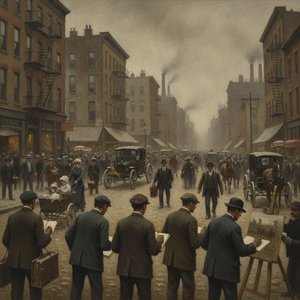
The Ashcan School: Capturing the Raw, Unfiltered Soul of Urban Life through American Realism
Discover the raw beauty of the Ashcan School. Explore how masters like Bellows and Henri captured the gritty, vibrant soul of early 20th-century New York through profound American Realism and evocative urban landscapes.

The Unvarnished Truth: A Cultural Journey Through the Soul of American Realism
Explore the profound beauty of American Realism. From the Ashcan School's urban grit to intimate portraits, discover how artists captured the authentic soul of a nation through unvarnished truth and masterful observation.
