

 設置イメージを表示
 シェアする
シェアする シェアする
シェアする
 詳細を見る
詳細を見る ガイドを表示

 ダウンロード
 似ている作品
 X線調査
X線調査 スライドショーを表示
 Q&A
Q&A 統計情報
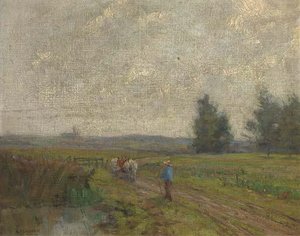
統計情報Tending The Garden
Discover Willy Martens' evocative paintings of rural life in the Netherlands! Capturing farmers, goatherds & daily scenes with a unique realism.
 詳細を表示
詳細を表示
ウェブ上のプレビューを遥かに凌駕する、印刷に最適なファイルをご提供します。当サイトで販売しているすべてのデジタル画像は、弊社のデータベース内にある高解像度のマスターデータ(通常、幅5,000〜15,000ピクセル)から作成されています。そのため、大判印刷や大胆なクロップ、細部まで緻密な再現も、安心してお楽しみいただけます。
当スタジオから送り出される画像は、すべて丁寧に加工されています。デジタルエキスパートが原画と照らし合わせて色調を精査し、必要に応じて補正を行った上で、プロ仕様のリタッチツールを用いて鮮明さと細部を向上させます。その際、アーティストの筆致やスタイルに忠実であることを常に追求しています。その結果、単なるスキャン画像にフィルターをかけたようなものではなく、まるで本物の絵画を見ているかのような仕上がりを実現しています。
仕上がりをご確認いただいてから完了となります。専門スタッフが、ご確認用の画像を72時間以内にメールでお送りいたします。もしご満足いただけない場合は、修正や改善のご要望を承るほか、品質が基準に満たない場合には返金も可能です。
出版社、デザインスタジオ、ギャラリー、そして印刷所から信頼される品質です。
デジタルアート
個人での鑑賞、印刷、クリエイティブなプロジェクトにご利用いただける高解像度ファイルをダウンロードできます。 ( プリント版に切り替え 手描き複製画を注文する)
デジタル画像のご注文に付随する特典
確かな品質による、プロフェッショナルなデジタル配信
TopImpressionists.com を選ぶことは、単に画像を手に入れることではありません。プロの手によって精密に仕上げられ、満足保証が付いた高品質なデジタルアートワークを受け取ることを意味します。ご注文いただいた際に自動的に付随する内容は、以下の通りです:

メールですぐにお届け
ご注文から72時間以内に、高解像度のデジタル画像ファイルをメールでお送りいたします。お手元に届き次第、すぐにご利用いただけます。

AI技術で最適化されたデジタルファイル
お客様の作品は、高度なAI技術と専門家による手作業を組み合わせてプロフェッショナルに最適化されており、細部のディテール、鮮明さ、そして正確な色再現性を最大限に引き出しています。

生涯無料の再送サービス
ファイルを誤って削除したり、紛失してしまったりしましたか?ご安心ください。いつでも無料で再送いたします。

輸入手数料は、いつでも一切かかりません
関税や手数料、配送料を気にすることなく、お気に入りのアートワークをすぐにお楽しみいただけます。デジタルダウンロードは常に免税です。

正確な色彩の保証
プロ仕様のツールとカラーマネジメント技術を用いることで、デジタル画像が元の色を最大限に忠実に再現することを保証いたします。

100日間満足保証
ご購入いただいたデジタル画像にご満足いただけない場合は、100日以内であれば、理由を問わず修正または100%の返金対応をさせていただきます。

100% 返金保証
ご満足いただけない場合は、デジタルファイルを受け取ってから100日以内であれば、理由を問わず全額返金いたします。

まとめ買い割引
3枚購入で10%OFF、5枚購入で15%OFF、10枚以上のご購入で20%OFF。クリエイティブなプロジェクトやギャラリー、エージェンシーに最適です。
関連作品



作家略歴
Willy Martens: A Painter of Dutch Rural Life
Willy Martens (1856-1927) wasn’t a name that immediately resonates within the grand halls of art history, yet his canvases offer a remarkably intimate and enduring portrait of rural life in the Netherlands. Born in the Dutch East Indies as Willem Martens, he later moved to Amsterdam, where he established himself as a significant figure in the Laren School movement – a group dedicated to capturing the authentic essence of their local landscape and its inhabitants.
Martens’ artistic journey began with formal training at the Amsterdam National Academy, followed by further study in Paris and Nanterre. These experiences exposed him to diverse influences, including Impressionism and Realism, which he skillfully integrated into his own distinctive style. Unlike many of his contemporaries who focused on grand historical or mythological subjects, Martens chose to depict the everyday lives of farmers, goatherds, and laborers – figures often overlooked in mainstream art circles. His work isn’t about romanticizing rural life; it's a grounded observation, imbued with a quiet dignity and a deep respect for his subjects.
The Laren School and its Aesthetic
The Laren School, of which Martens was a key member, represented a deliberate shift away from the academic traditions that had dominated Dutch painting for centuries. Artists within this group – including Isaac Israëls, Anton Mauve, and Lambertus van der Lugt – sought to paint *en plein air* (outdoors), directly observing nature and capturing its nuances with remarkable accuracy. They were particularly interested in portraying the working lives of people in the surrounding countryside, often depicting them in their natural environments.
Martens’ paintings are characterized by a meticulous attention to detail – from the texture of weathered clothing to the folds of fabric and the subtle shifts in light. He employed a muted color palette, dominated by earthy tones and greens, creating a sense of realism that was both comforting and slightly melancholic. His compositions often feature figures engaged in simple tasks: milking cows, tending flocks, or repairing fences – activities that spoke volumes about the rhythms of rural existence.
Key Works and Recurring Themes
Several of Martens’ paintings have become particularly well-known, offering compelling glimpses into his artistic vision. “A Sunny Day In The Dunes” (1896) is a prime example, capturing the golden light filtering through the sand dunes with breathtaking clarity. Similarly, "A Summer's Day At Skagen South Beach" (circa 1900) portrays youthful innocence and the beauty of nature, showcasing his ability to evoke atmosphere and emotion through subtle brushstrokes. His portraits, often depicting local farmers and laborers, are equally striking – revealing a keen eye for character and an appreciation for the dignity of ordinary people.
Recurring themes in Martens’ work include the relationship between humans and nature, the passage of time, and the simple pleasures of rural life. He wasn't interested in grand narratives or dramatic events; instead, he focused on capturing the quiet moments that defined the lives of those who worked the land.
Legacy and Historical Significance
While Martens may not be as widely celebrated as some of his Laren School contemporaries, his contribution to Dutch art is undeniable. He played a crucial role in establishing the school’s distinctive style and helped to elevate the status of rural life as a subject worthy of artistic attention. His paintings offer a valuable window into the social and cultural history of the Netherlands at the turn of the 20th century – a period of significant change and transformation.
Furthermore, Martens’ commitment to *en plein air* painting and his meticulous observation of nature foreshadowed developments in Impressionism and later movements. His work stands as a testament to the power of art to capture the beauty and complexity of everyday life, reminding us of the enduring relevance of rural landscapes and the people who inhabit them.
Further Research
- Daniël Franken Dzn (1838-98). Bankier en kunstverzamelaar, Willy Martens, 1888: https://en/art/willy-martens-daniel-franken-dzn-1838-98-bankier-en-kunstverz-D37CS8-en/
- A Sunny Day In The Dunes: https://en/art/willy-martens-a-sunny-day-in-the-dunes-9CW6D6-en/
- A Summer’s Day At Skagen South Beach: https://en/art/willy-martens-a-summer-s-day-at-skagen-south-beach-9CW6D5-en/
- willy martens: https://en/artists/willy-martens-en/
- Willy Martens (1856 - 1927) - Richard Taylor Fine Art: https://www.richardtaylorfineart.com/artist/martens
- Artist Biography & Facts Willy Martens - askART: https://www.askart.com/artist/Willy_Martens/11052305/Willy_Martens.aspx

Willy Martens
1856 - 1927
プロフィール概要
- Artistic Movement Or Style: Laren School, Impressionism
- Artists Or Movements Influenced By This Artist: ['Israëls']
- Artists Who Influenced This Artist: ['Daniël Franken Dzn']
- Date Of Birth: 1856
- Date Of Death: 1927
- Full Name: Willy Martens
- Nationality: Dutch
- Notable Artworks:
- A Sunny Day In The Dunes
- A Summer’s Day At Skagen South Beach
- Place Of Birth: Dutch East Indies