

展示内容: · 額縁を含むサイズ:
 設置イメージを表示
 シェアする
シェアする シェアする
シェアする
 詳細を見る
詳細を見る ガイドを表示

 ダウンロード
 似ている作品
 X線調査
X線調査 スライドショーを表示
 Q&A
Q&A 統計情報
統計情報

¥ 42648
手描き油彩複製画
当社のアーティストが、ご希望のサイズと額縁に合わせてキャンバスに手描きで制作する、オーダーメイドの油彩画です。 ( プリント版に切り替え デジタル画像販売へ切り替え)
サイズ
·標準サイズ
オーダーメイド
CM
INCH
作品のオリジナル比率に合わせた、当店の規定サイズからお選びください。
サイズを読み込み中...

横幅
高さ
フレームや壁のスペースに合わせて、ご希望の幅と高さを入力してください。本作品は手描きのため、異なる比率のサイズをご希望の場合、絵画の周囲を少し広げて描くか、あるいは端を少しカットして調整することが可能です。お客様のご要望に合わせます。制作を開始する前に、仕上がりを確認するためのデジタルモックアップをお送りいたします。このページに表示されている画像は完成品の実物ではなく、あくまでモックアップによるイメージです。
 詳しく読む
詳しく読む仕上げ
·
白の側面仕上げ ¥1

エッジぼかし仕上げ ¥1

回り込み仕上げ ¥1

P118B ¥10

P118H ¥10

P118W ¥10

P438Z ¥10

P508JH ¥12

P508YH ¥12

P805H ¥10

P805Z ¥10

P919BZ ¥10

P919G ¥10

P919XJ ¥10

P959ZH ¥10

P968JZ ¥12

W106C ¥8

W218G ¥10

W218JH ¥8

W218Y ¥10

W307PJ ¥10

W316G ¥10

W316PJ ¥8

W316Y ¥10

W398PJ ¥8

W4111J ¥10

W500HY ¥15

W500JH ¥15

W692G ¥12

W849H ¥8

W940BG ¥15

W953PJ ¥8

H24-GOLD ¥30

H24-SILVER ¥30

H36-GOLD ¥45

H36-SILVER ¥45
保護用の筒に入れてお届けしますので、お客様ご自身でフレーム(額縁)をご用意いただく形となります。
オプションサービス
任意特典の内容について
変更可能な例:顔をお客様の写真に差し替え、ペットの変更(例:猫を犬に変更)、背景に隠しメッセージを追加、背景の風景や要素の変更。
ご注文後、TopImpressionists.com のチームより詳細な手順についてメールをお送りし、仕上がりイメージ(モックアップ)をご提示いたします。
ご注文後、TopImpressionists.com のチームより詳細な手順についてメールをお送りし、仕上がりイメージ(モックアップ)をご提示いたします。
世界中への配送()は、通常の5週間ではなく、3〜4週間でお届けいたします。(10 11月)。品質には一切妥協いたしません。
保護用ワニス
キャプション
刻印入りブロンズプレートの詳細
This elegant plaque features the artist's name and the title of the artwork, finely engraved for a timeless presentation.
It is made from bronze with a refined, elegant finish. The text is precisely laser-engraved for a sharp and permanent result. Measuring 9x2 cm, the plaque is compact yet easy to read. It's built to be durable and scratch-resistant, offering a professional, museum-quality look. Mounting is simple thanks to the included adhesive backing.
透明アクリル銘板の詳細
The plaque includes essential engraved details such as the artist's name, the title of the artwork, the date it was created, the type of media used-like oil on canvas or watercolor-a brief description of the piece, and a QR code that links to the complete artwork information.
It is crafted from clear acrylic, offering a sleek, modern appearance. The text is UV-engraved in black to ensure strong visual contrast. With a size of 10x15 cm, it ensures optimal readability. It comes equipped with two metal hooks for secure wall mounting. The plaque is designed to be weather-resistant, making it suitable for various environments, and it includes interactive features that work seamlessly with smartphone scanning.
黒アクリル製銘板の詳細
This elegant plaque includes engraved information such as the artist's name, the title of the artwork, the date it was created, the type of media used (like oil on canvas or watercolor), a short description of the artwork, and a QR code for quick access to more information.
The plaque itself is made from refined black acrylic with a premium finish. The text is laser-engraved in white for high contrast and readability. Its size is 10x15 cm, designed to be easy to read. It comes with two metal hooks for professional mounting. The design is sleek and fits any interior style. It is also weather-resistant and durable, with built-in digital integration for mobile compatibility.
ガラスオプションは、110cm未満のサイズでのみご利用いただけます。
 ガラスオプションは、110cm未満のサイズでのみご利用いただけます。
- 世界中へ無料エクスプレス配送
- 高品質なリネンキャンバス
- 配送時完全保険付
- 関税・輸入税の払い戻し保証
- 真の色彩再現に関する保証
- 100日間返品保証(製造上の欠陥がある場合のみ)
- 100% 全額返金保証
- まとめ買い割引のご案内


作品解説
Experience Winslow Homer's 'The Northeaster,' a stunning watercolor capturing the raw power of the ocean and its dramatic beauty. A masterpiece from 1883, now at the Brooklyn Museum.
作品について
Camp Fire by Winslow Homer: A Study in Rustic Tranquility
Winslow Homer’s “Camp Fire,” completed around 1883 and currently residing at the Metropolitan Museum of Art, stands as a cornerstone of American Realism—a movement dedicated to portraying life accurately without romantic embellishment. More than just a depiction of a campfire scene, it's an exquisitely crafted meditation on solitude, companionship, and the profound connection between humanity and nature.
Subject Matter & Composition: Homer captures a quintessential moment of rural American life—a group of men gathered around a crackling fire in the Adirondack Mountains. Two dogs flank the central figure, adding warmth and visual interest to the composition. The artist’s keen eye meticulously observes details like backpacks strapped on shoulders and a simple wooden chair positioned near the hearth, subtly conveying the activity of hikers or campers.
Style & Technique: Homer employed watercolor with blotting and scraping—a technique that allowed him to achieve remarkable textural effects. As noted by fellow artist Henry William Brewer, Homer skillfully utilized resist—thin layers of wax applied to paper before painting—to define the contours of tree trunks. This method ensured precise lines while simultaneously creating a dense, textured surface where subsequent washes were applied. The artist meticulously scrubbed away the resist after drying, leaving visible fragments that contributed to the overall visual richness.
Historical Context & Symbolism: Painted during Homer’s prolific period exploring the Adirondacks, “Camp Fire” reflects the burgeoning interest in plein air painting and the Romantic fascination with wilderness landscapes. The campfire itself symbolizes warmth, comfort, and human connection—a refuge from the anxieties of urban life. Furthermore, the towering cedar tree serves as a powerful emblem of resilience and endurance, mirroring Homer’s own artistic vision.
Emotional Impact: Viewing “Camp Fire” evokes a palpable sense of serenity and contemplation. The subdued palette—dominated by browns, blues, and ochres—enhances the painting's atmosphere of quiet reflection. Homer’s masterful rendering captures not only the visual beauty of the scene but also its emotional resonance—a celebration of simple pleasures and the restorative power of nature.
Resources for Further Exploration: To delve deeper into Winslow Homer’s artistic legacy, visit The Metropolitan Museum of Art to examine “Camp Fire” alongside other iconic works from his oeuvre. Alternatively, explore the history of painting on Wikipedia: History of Painting. For a stunning watercolor reproduction, consider purchasing one at TopImpressionists.com.
Q&A
ウィンズロー・ホマー作「Camp Fire」は、明るい印象の作品ですか、それとも暗い印象の作品ですか?
視覚的な明るさの観点から見ると、ウィンズロー・ホマー作「Camp Fire」 は deep_shadow です。
「Camp Fire」のAmerican Realism様式には、どのような情緒的なトーンが漂っていますか?
「Camp Fire」は、American Realismのムーブメントにおいて、Calmな情緒を湛えています。
ウィンズロー・ホマー作「Camp Fire」は、明るい色調の作品ですか、それとも暗い色調の作品ですか?
「Camp Fire」の全体的な明るさはdeep_shadowで、輝度はDarkです。
作品の豆知識とアートクイズ
ウィンズロー・ホマーについて

ウィンズロー・ホマー
1836 - 1910, アメリカ合衆国
作家プロフィール
ウィンズロー・ホマーの生涯と原点
1836年2月24日、ウィンズロー・ホマーはマサチューセッツ州ボストンに生を受けました。彼はチャールズ・サベージ・ホマーとヘンリエッタ・マリア・ベンソンの間に生まれた三人の息子のうち、次男として育ちました。商人であった父は、やがてカリフォルニア・ゴールドラッシュでの富を求めて家族を後にします。父の不在により、家庭の彩りは母ヘンリエッタ・マリア・ベンソン・ホマーの存在によって形作られていくこととなりました。彼女は才能豊かなアマチュアの水彩画家であり、繊細な色彩の重なりを通じて世界を捉える視点を、最初の師として息子に授けたのです。
静かな芸術の営みが日常に溶け込んだ環境の中で、少年は成長していきました。父が遠く離れた地で機会を追い求めていた間も、母が描く水彩画の影響は、彼の心の中に深く刻まれ続けました。この幼少期における媒体との出会いが、後の作品群を支える強固な礎となったのです。マサチューセッツ州ケンブリッジの田園地帯で過ごした穏やかで観察眼に満ちた日々は、後に彼が身を投じることになる、商業イラストレーターとしての慌ただしい活動の前の、静かな背景となりました。
幼少期、家族、そして研鑽の時代
マサチューセッツ州ケンブリッジののどかな田園地帯で過ごした幼少期は、彼の人生における静かな背景となりました。11歳という若さでスケッチを始めた彼は、描くという単純な行為を通じて、自らの進むべき道を見出していきました。植物や花々を題材に水彩画を描いていた母は、彼の最初の師でもありました。母とは深い絆で結ばれており、彼女は芸術的な才能だけでなく、ある種の気質までも彼に受け継がせていったのです。一方、商人であった父は、落ち着きのない男でした。彼はやがて、カリフォルニアでのゴールドラッシュや、その後のヨーロッパでの富を求めて、家族を後にすることになります。
19歳の時、彼はボストンの商業石版画家であるJ・H・バッフォードのもとで、2年間の徒弟修行に入りました。それは、単調な作業の繰り返しという、まるでトレッドミルのような経験でした。日々、楽譜の表紙制作に明け暮れる日々。そこでは、独特の規律と、揺るぎない手の安定が求められました。この商業的な仕事の期間が、後に彼の芸術的ビジョンを決定づけることになる、明晰さと細部へのこだわりを養うこととなったのです。その後、彼は本格的な美術の道へと進み、1863年まで全米デザインアカデミーで学問に励みました。この時期、彼はフレデリック・ロンデルのもとで短期間、師事したこともあります。
フリーランスのイラストレーター、そして戦場特派員として
1857年、ウィンズロー・ホマーは『ハーパース・ウィークリー』からの誘いを断り、フリーランスとしての独立した歩みを始めました。ボストンに自身のスタジオを構えた彼は、その後20年近くにわたりイラストレーターとして研鑽を積んでいきます。彼の描く図画は、Ballou's Pictorialをはじめとする様々な出版物に掲載され、その名を広めていきました。そして1859年、彼はニューヨークへと拠点を移します。この移住は、彼をアメリカの出版文化の最前線へと押し上げる重要な転換点となりました。
しかし、アメリカ南北戦争の勃発が、彼の観察眼の性質を根本から変えることになります。1861年から1865年にかけて、ハーパース・ウィークリーは彼を最前線へと派遣しました。「特別画家」として、彼はバージニアにおける北軍兵士たちの生活を記録する任務を担います。彼がキャンバスや紙に向かって描き出したのは、キャンプでの日常的な営みや、戦場の凄惨な光景でした。それらのスケッチは単なる図画の域を超え、兵士たちの絶え間ない動きや、静寂の中に漂う重苦しい空気までもが刻み込まれた、生きた記録となったのです。
- Sharpshooter on Picket Duty (1862)
- Home, Sweet Home (1863)
- Prisoners from the Front (1866)
ニューヨークとヨーロッパにおける芸術的展開
1859年、ウィンズロー・ホマーはニューヨーク市へと拠点を移し、テンス・ストリート・スタジオ・ビルディングに自身のスタジオを開設しました。この移住は、それまでのフリーランスとしての仕事から、より絵画という表現の探求へと、彼の歩みが大きく転換した瞬間でもありました。彼は1863年までナショナル・アカデミー・オブ・デザインで学び、フレデリック・ロンデルに師事して研鑽を積みました。この時期、彼は商業的な版画に見られるような単純な輪郭線から脱却し、油彩画が持つ重厚な質感へと足を踏み入れ始めます。当時の彼の作品は、戦時下の国内における影響など、その時代が直面していた過酷な現実を色濃く反映していました。
その後、彼はニューヨーク州、バージニア州、マサチューセッツ州へと旅を続け、活動の幅を広げていきます。1867年にはフランスに1年ほど滞在し、ヨーロッパ各地を巡りました。この経験は、彼の中で風景画への関心が深まっていく時期と重なります。1870年代に入ると、彼の主題は子供時代や若い女性の情景へと移り変わり、そこには過ぎ去った素朴な時代への郷愁が漂っていました。当時のアカデミーで主流であった、洗練されすぎた装飾的な美学を避け、自らが目撃したものを客観的かつ忠実に描き出す独自のスタイルを、彼は確立させていったのです。
1881年、彼はイギリスのニューカッスル近郊、カラーコーツに2年間の滞在を始めました。海岸近くでの生活は、晩年の彼が海という存在に向き合う際の手法に、決定的な影響を与えることになります。もはや彼は、単に社会的な情景を描くイラストレーターではありませんでした。自然界の猛威、すなわち「エレメント」そのものを描き出す画家へと、その魂は変貌を遂げていたのです。
メイン州での歳月と熱帯への旅
1884年、ウィンズロー・ホマーはメイン州プラウト・ネックへと居を移しました。彼はそれから30年もの間、この地に留まり、自身の制作スタイルに合わせて拡張・改築を重ねたアトリエで、生活と創作を営みました。彼のアトリエが面する海岸線には、常に大西洋の荒々しい息吹が満ちていました。ウィンズロー・ホマーは、冬の厳しい寒さの中であっても、海を見渡すバルコニーからキャンバスに向かい、自然のダイナミズムを捉え続けたといいます。
しかし、メイン州の厳格な冬は、彼に新たな風景への渇望を抱かせました。1884年から1905年にかけて、彼はメイン州の海岸から熱帯の楽園へと、幾度もの旅に出ることになります。バハマ、フロリダ、キューバ、そしてバミューダ。これらの旅はカリブ海やアディロンダック、さらにはカナダへと彼を誘いました。陽光が降り注ぐ温暖な地において、彼は水彩画という媒体を用い、移ろいゆく光の戯れや、風景が持つ多様な質感を鮮やかに描き出したのです。
- Natural Bridge, Bahamas (1898)
- Woman Standing by a Gate, Bahamas (1885)
- Spanish Moss at Tampa (1886)
技法、スタイル、そして芸術的熟達
ウィンズロー・ホマーの初期の商業版画における仕事は、明快な輪郭線と簡略化された形態に依拠していました。彼は光と影の劇的なコントラストを用いることで、主題を鮮明に描き出したのです。このグラフィックな明晰さは、後の絵画作品にも受け継がれていくことになります。アトリエで制作された主要な油彩画において、その絵具は重厚な質感と密度を湛えています。彼はしばしばキアロスクーロ(明暗法)を駆使し、光と影の相互作用によってキャンバス上に形を彫り込み、独特の空気感を構築していきました。
また、彼は水彩画においても同様に多作な表現を見せています。水彩という媒体に対する彼の向き合い方は、流動的で迷いがありませんでした。例えばカリブ海を描いた際、彼は水彩特有の透明性を活かすことで、バハマの海が持つ水晶のような澄み渡った輝きを見事に再現しました。油彩の重厚な塗り重ねと、水彩の繊細なウォッシュ(淡彩)の両方を自在に操るこの卓越した能力こそが、自然界の多面的な表情を捉えることを可能にしたのです。
主要な作品と傑作の数々
ウィンズロー・ホマーの初期の作品群には、日常生活の細やかな機微に対する深い眼差しが宿っています。例えば、1840年頃に描かれたLady Wearing Spectaclesでは、椅子に座る人物の眼鏡が光を捉える様子が繊細に描かれ、周囲の人々を静かに観察していた当時の彼の姿勢が反映されています。しかし、歳月が流れ、彼が南北戦争の最前線へと身を投じるにつれ、その主題は劇的な変貌を遂げました。1862年のSharpshooter on Picket Dutyや1863年のHome, Sweet Homeといった作品は、スケッチや絵画を通じて、紛争がもたらす生々しい現実を鮮烈に描き出しています。
晩年に向かうにつれ、海は彼の表現における永遠の主題となりました。1876年頃の傑作Breezing Upは、追い風を受けて進む小舟の躍動感を見事に捉えています。そして1885年までには、その関心はThe Fog Warning(Halibut Fishing)に見られるような、自然の脅威に立ち向かう漁師の葛藤へと移り変わっていきました。彼はしばしば、荒々しいメイン州の海岸へと立ち返りました。そこでは、絵具の重厚な質感とキャンバスの肌合いが、大西洋の塩気を孕んだ重たい空気感を見事に再現しています。1896年のThe Lookout - "All's Well"では、陸の端から地平線を見つめる視点が提示され、自然の広大さが表現されました。
人生の最終章において、彼は潮の満ち引きと自然の猛威を凝視し続けました。1906年に制作されたThe Gulf Streamは、広大な海洋の深淵に直面する人間の姿を描き出しています。そして、彼が最後に完成させた作品である1909年のDriftwoodには、物理的な世界の息吹が宿っています。飛び散る飛沫、砂のざらつき、そして絶え間なく引き寄せる潮流の力強さ――それらすべてが、彼の筆致を通じて永遠の瞬間として刻まれているのです。
- Lady Wearing Spectacles, about 1840
- Sharpshooter on Picket Duty, 1862
- Home, Sweet Home, 1863
- Breezing Up, about 1876
- The Fog Warning, Halibut Fishing, 1885
- The Lookout - "All's Well", 1896
晩年と最期
プラウト・ネックにあるアトリエは、彼の世界の中心となりました。1884年からその生涯を閉じるまで、彼はこの場所で暮らし、描き続けました。そこは、彼自身のニーズに合わせて拡張され、作り替えられた特別な空間でした。彼は人生の最後の数十年をこの地で過ごし、移ろいゆく季節とともに、海岸線に降り注ぐ光の中に独自の律動を見出していったのです。2,200平方フィートの規模を誇る二階建ての建物は、彼の人生と作品を、静かで揺るぎない存在感とともに包み込んでいました。
1910年、彼はメイン州でその生涯を閉じました。最期を迎えたのは9月30日、彼が愛したアトリエの中でのことでした。海が織りなす動きと、大気が持つ重みを観察することに人生を捧げた男は、最期の瞬間までその空間の中に留まり続けました。彼の遺骨は、マウント・アーブン墓地のリリー・パス、563区画に静かに安置されています。
遺産と歴史的意義
ウィンズロー・ホマーは、アメリカン・リアリズムの発展における中心的な人物であり続けています。彼の作品は、急速な変化の渦中にあった19世紀のアメリカという時代を映し出す窓であり、当時の国家の姿を鮮明に捉えています。彼はヨーロッパの洗練された学術的な様式を追い求めるのではなく、自国が直面していた、時に過酷で、しかし嘘のない現実へと眼差しを向けました。南北戦争の余波から、変容し続ける海岸線の風景に至るまで、物事をありのままに見るという彼の揺るぎない姿勢は、アメリカ美術の伝統における最も重要な芸術家の一人としての地位を確固たるものにしています。
人間生活と自然界との間に存在する緊張感を記録した彼の卓越した能力は、現代のアーティストが主題へと向き合う方法にも、今なお影響を与え続けています。彼は、若き日の牧歌的な情景から離れ、海の荒々しい自然の力や、困難に立ち向かう人々の静かな回復力と対峙する道を選びました。この、田園的な視点からより直接的で観察的なスタイルへの転換は、独自の「アメリカ的な見方」を定義づけることとなりました。彼の絵画は、歴史をロマンチックに美化して提示するものではありません。それは、歴史そのものの記録なのです。
- The Gulf Stream (1906)
- Breezing Up (1876)
- The Fog Warning (1885)
- Undertow (1886)
- Driftwood (1909)
今日、その作品をどこで目にすることができるか
ウィンズロー・ホマーの作品が放つ圧倒的な存在感を直接肌で感じるためには、アメリカ各地の主要な美術館を巡る旅が必要となるでしょう。ニューヨークのメトロポリタン美術館には、彼の魂が宿る26点もの傑作が収蔵されています。また、同じくニューヨーク市内のブルックリン美術館にも、17点に及ぶ貴重なコレクションが守られています。さらに、国の中心地であるワシントンD.C.のナショナル・ギャラリーでは、23点の絵画と素描が、その歴史的な重みを湛えて展示されています。
北東部に目を向ければ、ボストンの美術館(ボストン美術館)が16点の作品をその手に収めています。さらに南へ進み、ウィリアムズバーグのスターリング・アンド・フランシーン・クラーク美術研究所には、12点の作品が静かに佇んでいます。これらのコレクションを辿ることは、南北戦争時代の初期のスケッチから、晩年の力強く重厚な質感へと至る、彼の筆致の進化を辿る、まさに芸術的な巡礼となるはずです。
- The Fog Warning, Halibut Fishing (1885)
- The Gulf Stream (1906)
- Driftwood (1909)
- Breezing Up (A Fair Wind) (1876)
- Old Settlers (1892)
ウィンズロー・ホマーについてのクイック・ファクト
- フルネーム: ウィンスロー・ホマー
- 主な作品:
- ブリージング・アップ
- ガルフストリーム
- 無垢
- 科学者
- 出生地: ボストン、アメリカ合衆国
- 国籍: アメリカ合衆国
- 影響を与えたアーティスト: ['アメリカ人画家']
- 影響を受けたアーティスト:
- バルビゾン学派
- クールベ
- ミレット
- 死亡年月日: 1910年
- 生年月日: 1836年10月3日
- 芸術運動またはスタイル: アメリカン・リアリズム
関連作品


テーマ、スタイル、特徴別に分類された作品を探索しましょう。


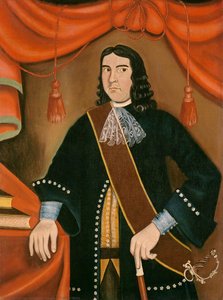


ウィンズロー・ホマー
Camp Fire
() ·
額縁を含むサイズ: · リネンに油彩で手描き
合計