


 設置イメージを確認
 送る
送る シェア
シェア
 詳細情報
詳細情報 ガイドを表示

 画像をダウンロード
 似ている作品
 X線調査
X線調査 スライドショー
 統計情報
統計情報Untitled (756)

Explore 'Untitled (756)' by Xavier Valls – a captivating still life in an impressionistic style featuring dark figs & ceramic. Discover Spanish realism & textural beauty.
スペインの写実主義画家、シャビエル・ヴァルス(1923-2006)をご紹介。フランスやスペインの風景画、魅力的な静物画で知られています。マニュエル・ヴァルスの父でもあり、その作品は世界中の美術館やギャラリーに収蔵されています。
 続きを読む
続きを読む
このページに掲載されている作品は著作権法によって保護されており、当社の許可なく同一の複製物を制作または販売することは法律で禁じられています。この保護は、以下のような国際条約に基づき執行されます。 ベルヌ条約 および、以下の条項に定められたものを含む各国の法律により、 米国著作権法 第17編。
この手法は、著作権で保護された作品の複製や複写を伴わないため、著作権法に完全に準拠しています。これは単なる模倣ではなく、創造的な再解釈です。元の作品からインスピレーションを受けつつも、それとは異なる、全く新しい絵画を生み出すものです。
ジークレー/アートプリント
スピーディーな制作と多彩な仕上げオプションが魅力の、ミュージアムクオリティなジークレー・キャンバスプリント。 ( 手描きの複製画を注文する デジタル画像販売へ切り替え)




































標準サイズ
カスタムサイズ
CM
INCH
作品のオリジナル比率に合わせた、当店の規定サイズからお選びください。
Loading sizes...

横幅
高さ
額縁や壁のスペースに合わせて、ご希望の幅と高さを入力してください。プリントはカットすることは可能ですが、元の画像より大きくすることはできないため、異なる比率のサイズを選択された場合は、画像の一部が欠けることになります。印刷を開始する前に、内容を確認していただくためのデジタルモックアップをお送りいたします。このページに表示されている画像は、実際のカット後の状態を示すものではありません。実際の仕上がりはモックアップにてご確認ください。


 ガラスオプションは、110cm未満のサイズでのみご利用いただけます。

Untitled (756)
ジークレー/アートプリント
複製画サイズ一覧
-


合計金額
¥ 10859


アーティストについて
画家の静かなる空想:シャビエル・ヴァルス、その生涯と遺産
シャビエル・ヴァルス(1923–2006)の芸術は、日常の静寂の中に宿る美への、深遠なる瞑想といえるでしょう。1923年9月18日、バルセロナに生を受けたヴァルスの芸術的旅路は、スペインのルーツとパリの洗練という、稀有な融合によって形作られました。その若き日々は、彫刻家シャルル・コレーや画家ジャウメ・ブスケッツといった影響力のある巨匠たちの指導の下、厳格な基礎訓練に彩られていました。スペインとスイスの間で活発な文化的交流が行われていた1930年代という形成期は、彼の中に視覚的原理への深い敬意を植え付け、それが後に彼の成熟したスタイルを定義することになります。壁画やステンドグラスを含む、デコラティブな技法や素描への初期の探求は、構造的な精密さと表現の自由の両方をキャンバスへと持ち込むことを可能にする、多才な技術的語彙を彼に授けたのです。
キャリアが進むにつれ、ヴァルスはヨーロッパの芸術シーンの躍動する中心地へと向かい、パリにその地位を確立しました。このパリでの生活は、単なる風景の変化にとどまりませんでした。それは知的、そして芸術的な拡張をもたらした極めて重要な時代でした。1946年には、スザンヌ・アレマニーやアルフレッド・フィゲラスといった同僚と共に、バルセロナ・フランス院にて「セルクル・マイヨル」を共同設立し、芸術的な対話を育むことへの初期の献身を示しました。パリでの時間は、彼がカタルーニャの遺産との繋がりを維持しながらも、フランスのアヴァンギャルドのニュアンスを深く吸収し、ヨーロッパの伝統と深く関わることを可能にしました。この成長期は、サンティアゴ・マルコやルイス・ボネット・ガリといった著名な建築家やデザイナーとのコラボレーションによってさらに豊かになり、伝統的なフレームの境界を超えて、空間、光、そして形態に対する彼の理解を広げていったのです。
光、質感、そして静寂の極致
ヴァルスの作品群は、光と質感の相互作用を探求した、静物画と風景画における魅惑的な習熟によって最も高く称賛されています。彼の作品はしばしば、洗練された色彩と筆致を通じて、静かで内省的な尊厳を湛えています。その肖像画においては、リアリズムとキュビスムの影響が繊細に混ざり合い、落ち着いた茶色のトーンと質感のあるインパスト(厚塗り)が、深い沈思の空気を作り出しています。陶器やイチジク、あるいは簡素なティーポットを描いた静物画は、古典的なアプローチを用いて物体が持つ触覚的な本質を捉え、しばしばオランダの巨匠たちが持つ時代を超越した感覚を呼び起こします。フランスやスペインの瑞々しい風景であれ、テーブルの上に置かれた果物の親密な配置であれ、ヴァルスには日常的なものを記念碑的なものへと昇華させる、驚くべき能力が備わっていました。
彼の技術的な進化は、いくつかの重要な節目によって特徴づけられます:
初期の基礎:シャルル・コレーのような巨匠の下で、装飾芸術、ステンドグラス、そして素描を学んだ時期。 アヴァンギャルドとの関わり:1950年代のサロン・ドートンヌにおける登場。リアリズムと現代的な影響を融合させる才能が国際的な評価を得ました。 共創の精神:フェルナン・レジェらと共にステンドグラスのデザインに携わり、純粋芸術と応用デザインの架け橋となりました。 成熟した評価:1980年のプリ・ドルアン授与や、アングレ美術館のような権威ある機関での個展開催といった輝かしい栄誉。
歴史的意義と永続する影響力
シャビエル・ヴァルスの歴史的な意義は、20世紀の移り変わる芸術運動の複雑な荒波を、自らの独自の魂に響く声を失うことなく航海した点にあります。同時代の多くの画家たちが完全な抽象へと向かう中で、ヴァルスは手触りのある世界を讃える洗練されたリアリズムに留まり続けました。彼の作品は、過去の古典的な伝統と現代の実験的精神を結ぶ架け橋として存在しています。マドリードの近代美術館(Museo de Arte Moderno)などの永久収蔵品に、Pêches et Pichet(桃と水差し)のような作品が収められていることは、スペインおよびフランス芸術への彼の貢献が、次世代へと確実に受け継がれていくことを物語っています。
個人の功績を超えて、ヴァルスの人生はより大きな文化的タペストリーの一部として織り込まれています。著名な政治家であるマニュエル・ヴァルスの父として、彼の個人的な歴史はしばしば現代の政治的言説と交差しますが、彼の芸術的遺産は純粋に審美的であり、感情的なものです。彼は、鑑賞者に立ち止まり、陶器の表面に落ちる光の微妙な階調を観察し、人生の静かで、誰にも気づかれない瞬間の中に美を見出すよう誘う作品群を遺しました。彼の絵画は今もなお、世界中のギャラリーや美術館で共鳴し続け、画家が見つめる眼差しの、不朽の力を証明し続けています。

シャビエル・ヴァルス
1923 - 2006 , スペイン
アーティスト情報
- Artistic Movement Or Style: 写実主義
- Artists Or Movements Influenced By This Artist: ['キュビスム']
- Artists Who Influenced This Artist:
- Charles Collet
- Jaume Busquets
- Date Of Birth: 1923年9月18日
- Date Of Death: 2006年
- Full Name: Francesc Xavier Valls Subirà
- Nationality: スペイン
- Notable Artworks:
- Pêches et pichet
- Untitled (280)
- Untitled (293)
- Untitled (151)
- Place Of Birth: スペイン、バルセロナ
関連記事

Luminous Harvests: The Sensory Magic and Radiant Light of Impressionist Fruit Still Lifes
Immerse yourself in the radiant world of Impressionist fruit still lifes. TopImpressionists.com offers exquisite, hand-painted oil reproductions by master artists, capturing the light and texture of Renoir and Cézanne. Elevate your home with museum-quality, bespoke art.

Capturing the Soul: The Most Emotionally Moving Impressionist and Post-Impressionist Masterpieces
Discover the profound emotional depth of Impressionist and Post-Impressionist masterpieces. Explore how legends like Monet, Van Gogh, and Gauguin captured light and soul through evocative landscapes and vibrant brushwork for a timeless connection to art history.
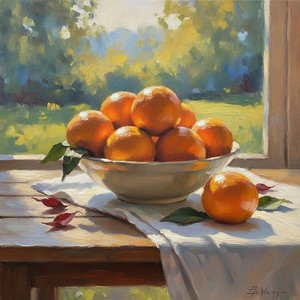
Sun-Drenched Citrus: The Vibrant Beauty of Oranges in Impressionist Masterpieces
Embark on a sensory journey through Impressionist masterpieces. Discover how Renoir and Cézanne captured the vibrant light and luscious textures of sun-drenched oranges in exquisite still life paintings designed to inspire and transform your home.

Eternal Bonds in Dappled Light: Capturing the Tender Warmth of Family Gatherings in Impressionist Masterpieces
Step into a world of dappled sunlight and tender connections. Explore how Impressionist masters like Renoir captured the warmth of family life. At TopImpressionists.com, we transform your cherished memories into exquisite, hand-painted oil masterpieces that celebrate eternal bonds.

Luminous Stillness: Capturing the Beauty of Everyday Domestic Moments in Impressionism
Revisit the luminous beauty of everyday moments. Discover how Impressionist masters captured domestic intimacy through light and color. TopImpressionists.com offers exquisite, hand-painted oil reproductions to bring this timeless serenity into your home.