
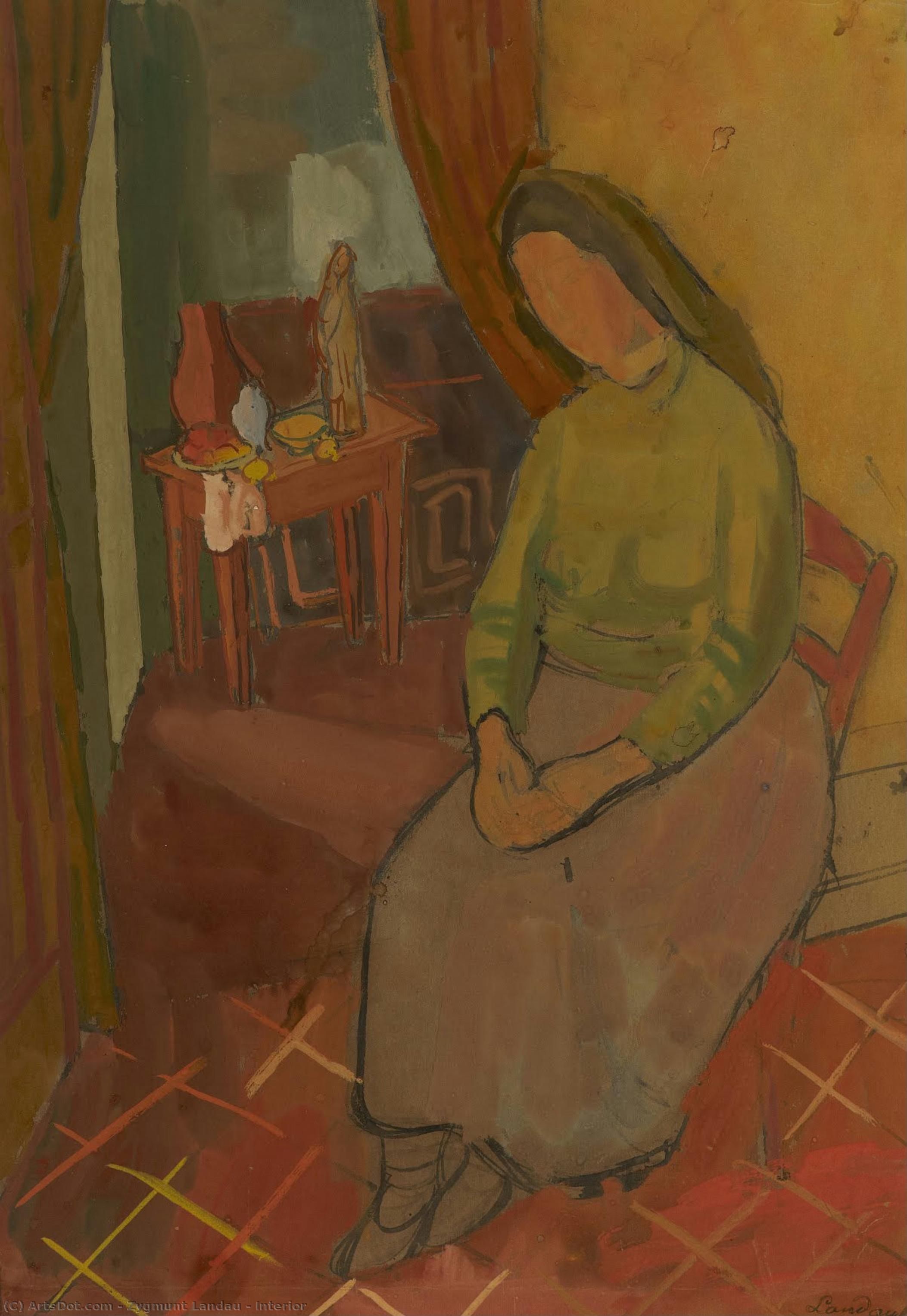
 65.0 x 49.0 cm
 Ben Uri Gallery and Museum
オンラインプレビューをはるかに凌ぐ、高解像度で鮮明なデジタル画像をご購入いただけます。
各ファイルは、社内の専門家が高度なツールと熟練した手作業によるレタッチを用いて、細心の注意を払って準備されています。すべての画像において、卓越した鮮明度、正確な色彩再現性、そして繊細なディテールを保証いたします。
最終ファイルは、プロフェッショナルな編集・印刷環境ですぐにご利用いただけるよう最適化された状態で、72時間以内にメールにてお届けいたします。これは、一流のデザインスタジオ、出版社、ギャラリーから信頼されているものと同等の品質です。
TopImpressionists.com を選ぶことは、単に画像を手に入れることではありません。それは、プロの手によって精密に仕上げられ、満足保証が付いた高品質なデジタルアートワークを受け取ることを意味します。ご注文いただいた際に自動的に付随する内容は、以下の通りです:

ご注文から72時間以内に、高解像度のデジタル画像ファイルがメールでお手元に届きます。すぐにそのままご利用いただけます。

お客様の作品は、高度なAIツールと専門家による手作業の編集を組み合わせてプロフェッショナルに最適化されており、細部のディテール、鮮明さ、そして正確な色再現性を最大限に引き出しています。

ファイルを誤って削除したり、紛失してしまったりしましたか?ご安心ください。いつでも無料で再送いたします。

関税や手数料、配送料を気にすることなく、お気に入りのアートワークをすぐにお楽しみいただけます。デジタルダウンロードは常に免税です。

プロ仕様のツールとカラーマネジメント技術を用いることで、デジタル画像が元の色を最大限に忠実に再現することを保証いたします。

ご購入いただいたデジタル画像にご満足いただけない場合は、60日以内であれば、修正または100%の返金(理由を問う必要はありません)をさせていただきます。

ご満足いただけない場合は、デジタルファイルを受け取ってから60日以内であれば、理由を問わず全額返金いたします。

3枚購入で10%OFF - 5枚購入で15%OFF - 10枚以上購入で20%OFF。クリエイティブなプロジェクト、ギャラリー、エージェンシーに最適です。

Maurits Cornelis Escher (1898-1972) remains one of the most singularly inventive and enduring figures in the history of graphic art. More than simply a printmaker, he was a mathematician, a visual explorer, and a master of illusion who challenged our perceptions of space, time, and infinity. His work, initially largely ignored by the mainstream art world, has since achieved global recognition, captivating audiences with its intricate beauty and profound conceptual depth. Escher’s legacy lies not just in his stunningly detailed images but in his ability to translate complex mathematical principles into accessible and mesmerizing visual experiences.
Born in Leeuwarden, Netherlands, into a family of teachers, Escher's artistic inclinations manifested early. He initially pursued architecture at the Haarlem Academy of Fine Arts, but quickly realized that his passion lay in the realm of graphic art. His early work reflected a fascination with nature – meticulous studies of insects, landscapes, and lichens – all meticulously rendered with an almost obsessive attention to detail. These observations would later inform the intricate tessellations and geometric patterns that became hallmarks of his mature style. A pivotal moment came during travels in Italy and Spain, particularly his visits to the Alhambra palace in Granada and the Mezquita-Cathedral of Córdoba. The complex geometries and repeating tilework of these historic structures ignited a lifelong interest in tessellation – the art of covering a surface with identical shapes without gaps or overlaps – which would become central to his artistic explorations.
Escher’s work is deeply rooted in mathematics, yet he never considered himself a mathematician. Instead, he engaged in a collaborative dialogue with leading mathematicians like George Pólya, Roger Penrose, and Donald Coxeter, seeking to understand the underlying principles that governed his visual creations. He was particularly drawn to concepts such as infinity, perspective, symmetry, and impossible objects – forms that appear to defy the laws of physics but are logically consistent within their own constructed realities. His mastery of printmaking techniques—woodcuts, lithographs, and mezzotints—allowed him to execute these complex designs with remarkable precision and subtlety. He wasn’t simply reproducing images; he was actively manipulating them, creating visual paradoxes that forced the viewer to reconsider their assumptions about how things work.
While Escher resisted being labeled a Surrealist, his work shared many affinities with the movement’s emphasis on dreamlike imagery and subconscious exploration. His meticulous attention to detail and his ability to create unsettling yet captivating visual experiences resonated with the Surrealists' interest in challenging conventional perceptions of reality. Following World War II, Escher’s art began to gain wider recognition, partly through the influence of Martin Gardner, a popular science writer who featured Escher’s work in his *Mathematical Games* column in *Scientific American*. This exposure helped to introduce Escher’s unique vision to a broader audience and cemented his place as a significant figure in 20th-century art.
Today, Maurits Cornelis Escher is celebrated worldwide for his extraordinary artistic ingenuity and his ability to seamlessly blend mathematics, art, and illusion. His work continues to inspire artists, mathematicians, and designers alike, demonstrating the power of visual communication to explore complex ideas and challenge our perceptions of the world. Escher’s legacy extends far beyond the realm of fine art; his images have been used in everything from architecture and design to computer graphics and animation, proving that his exploration of impossible worlds remains remarkably relevant in the 21st century.
Further resources can be found on The Official M.C. Escher Website and through extensive documentation available at Wikipedia’s entry on M.C. Escher.

1898 - 1962 , Poland


最新の美術ニュース、限定オファー、そしてインテリアのアイデアをいち早くお届けします。
お客様のプロジェクトについてお聞かせください。当社の美術専門家が、お客様に合わせた3つのパーソナライズされた芸術提案をご提供いたします。
あなたにぴったりの3作品を無料で厳選いたします

 プレビュー
プレビュー
 プリントを購入
 シェアする
シェアする シェアする
シェアする
 詳細を見る
詳細を見る

 ダウンロード
 似ている作品
 X線調査
X線調査 スライドショー
 詳細を見る
詳細を見る


