


 წინასწარი ნახვა
 გაგზავნა
 გაზიარება
 დეტალები
 გზამკვლევი

 ჩამოტვირთვა
 მსგავსები
 რენტგენოგრაფიული კვლევა
 სლაიდშოუ
 სტატისტიკა
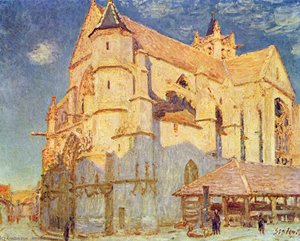
The Church at Moret, Rainy Morning
 Oil On Canvas
- WallArt
- Impressionist Landscape
 1893
1893 81.0 x 65.0 cm
Alfred Sisley’s Impressionist masterpiece captures a tranquil rainy morning scene at Moret Church, France—a luminous depiction of faith and fleeting light, inviting you to explore this serene beauty.
 გადასართად დაწვრილებით ნახეთ
ალფრედ სისლე (1839-1899) – ბრიტანულ-ფრანგი იმპრესიონისტი მხატვარი, რომელმაც განსაკუთრებული მშვიდიანობა და სინატიფე მოიტანა მდინარეებსა და ფრანგული არჩევადების გამოსახებში. მისი ნამუშევრები ასახავს ბუნების ხავეროვან დიდებულებას.
ხელით ნაკვეთი ზეთის ტილოს რეპროდუქცია
ტილოზე შესრულებული ფერწერიანი ზეთប្រდათი, თქვენთვის სასურველი ზომისა და ჩარჩოსთვის, ჩვენი ხელოვანების მიერ შეკვეთის საფუძველზე დამზადებული. ( გადართვა ბეჭდზე გადასვლა ციფრულ გამოსახულებაზე)




P118B $10

P118H $10

P118W $10

P438Z $10

P508JH $12

P508YH $12

P805H $10

P805Z $10

P919BZ $10

P919G $10

P919XJ $10

P959ZH $10

P968JZ $12

W106C $8

W218G $10

W218JH $8

W218Y $10

W307PJ $10

W316G $10

W316PJ $8

W316Y $10

W398PJ $8

W4111J $10

W500HY $15

W500JH $15

W692G $12

W849H $8

W940BG $15

W953PJ $8




სტანდარტული
სასურველი ზომის
CM
INCH
აირჩიეთ ჩვენს მიერ წინასწარ განსაზღვრული ზომებიდან, რომლებიც ნაწარმოების ორიგინალურ პროპორციებს შეესაბამება.
Loading sizes...

სიგანე
სიმაღლე
თქვენ შეგიძლიათ მიუთითოთ თქვენთვის სასურველი ზომები კონკრეტული ჩარჩოს ან სივრცის შესაბამისად. თუ თქვენ მიერ არჩეული ზომა არ შეესაბამება ორიგინალი გამოსახულების პროპორციებს, ჩვენ ან შევაჭრებთ ნაწარმოებს, ან ტილოზე დავამატებთ ხელით მოხატულ ელემენტებს. წარმოების დაწყებამდე, დამტკიცებისთვის გამოგეგზავნებათ ციფრული მაკეტი.
გთხოვთ, გაითვალისწინოთ, რომ ეკრანზე ნაჩვენები წინასწარი შეხედულება არ ასახავს რეალურ შეჭრას ან გაფართოებას. საბოლოო კომპოზიციას ზუსტად მხოლოდ მაკეტი წარმოაჩენს.
მიუხედავად იმისა, რომ შესაძლებელია ინდივიდუალური ზომების შერჩევა, ორიგინალური პროპორციების შენარჩუნებისათვის გირჩევთ, გამოიყენოთ წინასწარ განსაზღვრული სიის ზომები.
რა შეიძლება შეიცვალოს: სახის ჩანაცვლება მომხმარებლის ფოტოთი; შინაური ცხოველის დამატება (მაგ., კატის ჩანაცვლება ძაღლით); ფონზე ფარული შეტყობინების დამატება; ფონის პეიზაჟის ან ელემენტების შეცვლა.
შეკვეთის შემდეგ, TopImpressionists.com გუნდი დაგიკავშირდებათ ელექტრონული ფოსტით ინსტრუქციებისთვის და გამოგიგზავნით წინასწარ ნახაზს (mockup).
შეკვეთის შემდეგ, TopImpressionists.com გუნდი დაგიკავშირდებათ ელექტრონული ფოსტით ინსტრუქციებისთვის და გამოგიგზავნით წინასწარ ნახაზს (mockup).
მიწოდება მსოფლიო მასშტაბით -ში 3/4 კვირაში, სტანდარტული 5 კვირის ნაცვლად. (23 სექტემბერი). ხარისხზე კომპრომისის გაკეთება არ მოხდება.

უფასო ექსპრეს მიწოდება მთელ მსოფლიოში

საბამად მაღალი ხარისხის ტილო

სრული ტრანსპორტირების დაზღვევა

საბაჟო გადასახადების დაბრუნების გარანტია

ფერების სრული შესაბამისობის გარანტია

დაბრუნების 100-დღიანი პოლიტიკა (მხოლოდ დეფექტის შემთხვევაში)

100% თანხის დაბრუნების გარანტია

ფასდაკლება დიდი რაოდენობით შეკვეთისას
 მინის ჩარჩოს არჩევანი ხელმისაწვდომია მხოლოდ 110 სმ-ზე ნაკლები ზომისთვის

The Church at Moret, Rainy Morning
რეკლამაციის ტექნიკა
რეკლამაციის ზომა
-


საბოლოო ფასი
$ 269
A Moment Captured in Watercolor Light
Alfred Sisley’s “The Church at Moret, Rainy Morning,” painted in 1893, stands as a quintessential emblem of Impressionist art—a testament to the movement's dedication to portraying fleeting impressions rather than meticulously rendered details. Held within the Museum Langmatt in Switzerland, this canvas (81 x 65 cm) isn’t merely a depiction of a church; it’s an embodiment of atmosphere and emotion, skillfully conveyed through Sisley’s masterful use of watercolor.
The Essence of Impressionism: Light and Atmosphere
Sisley's artistic philosophy revolved around capturing the ephemeral qualities of light—a preoccupation shared with Monet and Renoir. He sought to convey not what he *saw*, but how it *felt*. “The Church at Moret, Rainy Morning” exemplifies this approach perfectly. The overcast sky casts a diffused glow upon the stone façade of Saint-Sulpice church, highlighting its architectural grandeur while simultaneously softening its contours. This deliberate blurring of lines is characteristic of Impressionism’s rejection of academic conventions and embraces spontaneity.
Technique and Composition: Broken Brushstrokes
Sisley achieved this luminous effect through a technique rooted in broken brushstrokes—a hallmark of Impressionist painting. Rather than blending colors smoothly, he applied pigment in short, irregular dashes that allowed individual strokes to retain their vibrancy and texture. These visible marks contribute significantly to the painting’s dynamism, mirroring the subtle movement of raindrops glistening on the church roof and surrounding buildings. The composition is balanced by the inclusion of an old building with a pointed roof—a deliberate choice reflecting Sisley's fascination with rural landscapes and architectural forms.
Historical Context: Monet's Fellow Traveler
Painted during a period of artistic experimentation, “The Church at Moret” aligns itself closely with the broader Impressionist movement. Sisley collaborated extensively with Claude Monet on numerous projects, sharing a similar vision for capturing the beauty of nature and experimenting with innovative painting methods. Like Monet’s works—particularly his series depicting Rouen Cathedral—Sisley aimed to distill the essence of a particular scene into a single moment in time, prioritizing sensory experience over precise representation.
Symbolism and Emotional Resonance
Beyond its technical brilliance, “The Church at Moret” possesses a subtle symbolic depth. The church itself represents faith and tradition—values that resonated deeply within the Impressionist artists’ worldview. However, Sisley's focus isn’t on conveying religious dogma; instead, he invites viewers to contemplate the serenity of a rainy day and the quiet contemplation afforded by simple surroundings. The painting evokes feelings of peace, tranquility, and nostalgia—capturing not just what was seen but how it felt to be present in that particular place and time.
დაკავშირებული ნამუშევრები




მხატვრის ბიოგრაფია
ალფრედ სისლის: იმპრესიონისტული ნათელ-გამაოგნებელი სამყარო
ალფრედ სისლი, სახელწოდება რომელიც ხშირად მოიხსენიებენ მონე, რენუარი და პისაროსთან ერთად, ულაღებს უნიკალურ და განსაკუთრებულ ადგილს იმპრესიონისტთა მოძრაობაში. დაიბადა პარიზში, 1839 წლის 30 ოქტომბერს, ბრიტანელ მშობლებზე – უილიამ სისლი, აბრეშუმის მემკვიდრე და ფელიცია სელს, მუსიკალური მოყვარულზე – მან დაბადებიდანვე მიიღო დუბალ გენეტიკა, რომელიც თითქმის მთელ ცხოვრებას საფრანგეთში გაატარებდა, მაგრამ ბრიტანული მოქალაქეობა შეინარჩუნა. მისი ადრეული წლები კომფორტულად ჩამოყალიბებული იყო, რაც მას საშუალებას აძლევდა განეხორციელებინა სწავლა, თავდაპირველად კომერციული კარიერის მისაღწმავად ლონდონში, თვრამეტი წლის ასაკში. თუმცა, ხელოვნების მოწოდება უფრო ძლიერი აღმოჩნდა და 1861 წელს დაბრუნდა პარიზში, სადაც დაიწყო ფორმალური სწავლა შვეიცარელი მხატვრის მარკ-შარლ-გაბრიელ გლეირის ხელ കീഴით ბიუროქს დე ბო-ზარს. სწორედ აქ, ეპოქის აყვავებულ შემოქმედებით ნათელს შორის, სისლიმ დაამყარა გადამწყვეტი მეგობრობა მონესთან, რენუართან და ბაზილთან – ურთიერთობები, რომლებმაც ღრმად განსაზღვრა მისი მხატვრული გზა. ეს თანამებრძოლები გაეზიარეს უკმაყოფილება მკაცრი აკადემიური ტრადიციების მიმართ და მისცემდნენ ფლეტინგ ეფექტების გადაღებას ნათელ-გამაოგნებელი გარემოსთან პირდაპირი დაკავშირებით.იმპრესიონისტული სიმშვიდის მფლობელი
სისლის ერთგულება *ფლეინ ეარ* საქმეს – სამუშაოებს უშუალოდ ბუნებრივი სამყაროს 관찰ისას, გარეთ – იყო შეუდარებელი. იმავე დროს, რაც მისი თანამედრომლები სხვადასხვა ჟანრებში ექსპერიმენტებს ატარებდნენ, სისლი მუდამ ერთსულოვანი დარჩა პეიზაჟების მიმართ. ეს კონცენტრირებული ერთგვარიება მისთვის საშუალებას აძლევდა განემარჯვებინა გამორჩეული სტილი, რომელიც ხასიათდება სიმშვიდით, დელიკატური ფერების პალიტრებით და ნათლის გამოხატვის მწივილობით. მისი ტილოები ხშირად ივსება ღიაფერი 녹색, गुलाबी, ఊదా, dusty blue და cream-ის ფერებით, რაც მშვიდი განმავითარებელი ატმოსფეროს ქმნის. მიუხედავად იმისა, რომ ადრეული ნაშრომები დროში გაცოცხლებული დარჩა, მისი ზრდასრულობის პერიოდის ტილოები გამოავლენს ბუნების ფრთხილ მიმოხილვას, რომელიც შეერთებულია პოეტური გრძნობით. მას არ აინტერესებდა μεγαλειώδεσ ιστορίες ან δραματικές χειρονομίες; მან სილამაზე იპოვა ყოველდღიურში – მდინარეების ნაზვი flow-ში, ხეების ფარფარაში და сельской ζωής მშვიდი очаровании. მისი ადრეული აღიარების ბრძოლები დამძიმდა მამის ფინანსური трудностями 1870 წლის франко-прусского войны შემდეგ, რაც სისლისთვის აუცილებლად გახადა მხოლოდ მისი ხელოვნების გაყიდვით არსებობის შენარჩუნება – არასტაბილური მდგომარეობა, რომელიც დაეცა მისი კარიერის დიდ ნაწილს. ის იყო ნამდვილი იმპრესიონισტი, მაგრამ ერთი, ვინც ხშირად იქმნა შედარებით obscurity-ში მისი ცხოვრების განმავლობაში.მდინარეები, არხები და ადგილის არსი
სისლის δημιουργίαში მუდმივად გვხვდება თემები, რომელთა შორის ყველაზე მნიშვნელოვანია წყლის მიმართ მის ფასკვნა. მდინარე პეიზაჟები გახდა ხელობის ხაზგასმული, რაც აღწერილია ინგლისეთში 1874 წლის მოგზაურობის დროს ტემსის გასწვრივ მოლზიზე შექმნილი ტილოებით. ეს ნაშრომები, რომლებიც აღწერენ მდინარის მშვიდი სილამაზეს და მის გარემოს, მისი საუკეთესო მიღწევლებად ითვლება – "იმპრესიონისტული 완벽한 순간" როგორც ხელოვნებაშემცოდნე კენეტ 클არკი აღნიშნა. მან ასევე ჩამოაყალიბა βαθύ σύνδεση Moret-sur-Loing-თან, სადაც მრავალი წლის განმავლობაში ცხოვრობდა, ამოსულიყო მისი არხები, ხიდები და გარემომცველი сельский пейзаж многочисленных ტილოებში. ტილოები, როგორიცაა "Watermill near Moret", "Barges on the Loing Canal, Spring" და “Fields around the Forest”, წარმოადგენს მის უნარს ჩადინოს ჩვეულ场景-ში პოეტური благодать. ის არ 단순하게 აღწერდა ამ ადგილებს; მან გადასცა მათი * არსი*, რომელიც არა მხოლოდ აღწერა როგორ გამოიყურება, არამედ თუ როგორ გრძნობται – ნაზვი бриз, მზის სითბო და წყლის მშვიდი шепот. ეს ატმოსფეროსთან და განწყობასთან მიმართებაში მგრძნობელობა არის ალფრედ სისლის ყველაზე გამორჩეული legacy.გავლენები და მდგრადი მნიშვნელობა
სისლის მხატვრული გავლენები მრავალმხრივი იყო. გლეირის აკადემიური სწავლება უწოდა ტექნიკის საფუძველი, ხოლო მონესთან, რენუართან და ბაზილთან თანამეგობრობა განაპირობა იმპრესიონისტული პრინციპების ერთობლივი მიდგომა. მან შეიცვალა ფლეტინგ ეფექტების გადაღებასთან დაკავშირებული მათი აქცენტი, მაგრამ განვିକა საკუთარი უნიკალური ხმა – რომელიც ხასიათდება თავშეკრულობით და მწივილობით. მიუხედავად იმისა, რომ მისი ცხოვრების განმავლობაში ხშირად იქმნა შედარებით obscurity-ში, სისლის ნაშრომები დღეს აღიარებულია მისი სილამაზით, მგრძნობელობით და ბუნებასთან ერთგულების გამო. მისი გავლენა შეიძლება დაინახოს მოგვიანებით პეიზაჟისტებში, ვინც ცდილობდნენ განემარჯვებინათ ნათლისა და ატმოსფეროს ეფემერული თვისებები მსგავსი нюанс-ით. გარდაიცვალა 1899 წლის 29 იანვარს, ხუთმოცდაცხრა წლის ასაკში Moret-sur-Loing-ში, დატოვა ნაშრომები, რომლებიც განაგრძობს შთამბეჭდურობას და აღფრთოვანებას. ალფრედ სისლი არის 증거 იმისა, თუ რა ძალა აქვს მშვიდი 관찰ს, რომელიც აჩვენებს, რომ ნამდვილი მხატვრული mastery არ მდებარეობს μεγαλειώδεσ жестах, არამედ უნარში გამოვლენოს განსაკუთრებული სილამაზე, რომელიც 숨겨져 있습니다 обыденном мире. ის წარმოადგენს მნიშვნელოვან კავშირს ბარბიზონის పాఠასთან, მისი реалистичной пейзажной живописи акцентом და იმპრესიონისტული πλήρους άνθισης-თან.მდგრადი მნიშვნელ

ალფრედ სისლი
1839 - 1899 , საფრანგეთი
მოკლე ინფორმაცია
- Artistic Movement Or Style: იმპრესიონიზმი
- Artists Or Movements Influenced By This Artist: ['შემდეგი პეიზაჟისტები']
- Artists Who Influenced This Artist:
- გლეირე
- მონე
- რენოარი
- პისარო
- Date Of Birth: 1839 წლის 30 ოქტომბერი
- Date Of Death: 1899 წლის 29 იანვარი
- Full Name: ალფრედ სისლე
- Nationality: ბრიტანელი-ფრანგი
- Notable Artworks:
- მდინარე ტემსი
- ბარჟები ლოინის არხზე
- დაშენებული სახლი
- Place Of Birth: პარიზი, საფრანგეთი
დაკავშირებული სტატიები

Oil on Board Masters: 10 Paintings That Redefined Art | TopImpressionists
Explore 10 legendary 'Oil on Board' masterpieces by Van Gogh, Monet & more! Discover art history, iconic styles like Impressionism, and find museum-quality reproductions to elevate your home decor. Explore the full collection online at TopImpressionists.com.

Oil on Canvas: A Historical & Technical Exploration of a Timeless Artistic Medium
Explore the rich history & enduring techniques of oil painting on canvas. Discover the science behind its longevity, conservation practices, and contemporary relevance. Expert insights for art enthusiasts.

Alfred Sisley: Capturing the Ephemeral Essence of Impressionist Landscape
Explore the life & art of Alfred Sisley, a master of Impressionist landscape painting. Discover his dedication to 'en plein air' techniques and serene depictions of nature. Learn about his legacy & find high-quality reproductions at TopImpressionists.

პოლ სეზანის 25 შედევრი: ხელოვნების ისტორიაში გამორჩეული ნაწარმოებები | TopImpressionists.com
აღმოაჩინეთ პოლ სეზანის 25 გამორჩეული შედევრი! იმპრესიონიზმი, პოსტიმპრესიონიზმი და კუბიზმის წინასწარმეტყველი. ნახატების ისტორია, ტექნიკა და შთაგონება TopImpressionists.com-ზე. 🖼️ ხელოვნების ბეჭვრა მუზეუმის ხარისხით.

The Enduring Legacy of Oil on Canvas: Technique, History & Aesthetic Impact
Explore the rich history & techniques of oil painting – from Renaissance masters to Impressionism. Discover pigments, layering methods, and why this timeless medium endures. Expert insights for artists & art enthusiasts.
აღმოაჩინეთ ხელოვნების ნაწარმოებები თემების, სტილისა და მახასიათებლების მიხედვით დაჯგუფებული.


