


 ნახვა ინტერьерში
 გაგზავნა
 გაზიარება
 დეტალები
 გზამკვლევი

 ჩამოტვირთვა
 მსგავსები
 რენტგენოგრაფიული კვლევა
 სლაიდშოუ
 სტატისტიკა
On the Cliffs
 Oil On Canvas
- WallArt
- Impressionism
 1898
1898- 19th Century
 56.0 x 43.0 cm
 Смитсонианское национальное художественное музей имени Джона Кеннеди
Arthur Bowen Davies’ "On the Cliffs" (1898) – a stunning Impressionist landscape featuring nude figures in a classical setting. Explore this evocative oil painting's beauty & symbolism.
 სრული ტექსტის ნახვა
სოლსისტი ნოტე №2 – გერილა ბაი ’76 ართურ უიკსი დაფინანსებულია კენბრა და მუზეუმ და გალერიას მიერ და წარმოადგენს სფერო პოზიციონირებული კოსტალური ლანდშაფტის დიჯიტალიზაციისა და ბეჭდვის შემოქმედებით ტექნიკასთან ერთად ართურ უიკსი დაფინანსებულია კენბრა და მუზეუმ და გალერიას მიერ და წარმოადგენს სფერო პოზიციონირებული კოსტალური ლანდშაფტის დიჯიტალიზაციისა და ბეჭდვის შემოქმედებით ტექნიკასთან ერთად ართურ უიკსი
გიკლე / ხელოვნების პრინტი
მუზეუმის დონის ჟიკლე ან ტილოზე ბეჭდვა სწრაფი წარმოებისა და დასრულების მოქნილი ვარიანტებით. ( შეიძინეთ ხელით შესრულებული ნახატი გადასვლა ციფრულ გამოსახულებაზე)




P118B ₾10

P118H ₾10

P118W ₾10

P438Z ₾10

P508JH ₾12

P508YH ₾12

P805H ₾10

P805Z ₾10

P919BZ ₾10

P919G ₾10

P919XJ ₾10

P959ZH ₾10

P968JZ ₾12

W106C ₾8

W218G ₾10

W218JH ₾8

W218Y ₾10

W307PJ ₾10

W316G ₾10

W316PJ ₾8

W316Y ₾10

W398PJ ₾8

W4111J ₾10

W500HY ₾15

W500JH ₾15

W692G ₾12

W849H ₾8

W940BG ₾15

W953PJ ₾8




სტანდარტული ზომა
ინდივიდუალური ზომა
CM
INCH
აირჩიეთ ჩვენს მიერ წინასწარ განსაზღვრული ზომებიდან, რომლებიც ნაწარმოების ორიგინალურ პროპორციებს შეესაბამება.
Loading sizes...

სიგანე
სიმაღლე
თქვენ შეგიძლიათ მიუთითოთ საკუთარი ზომები კონკრეტული ჩარჩოსთვის ან სივრცისთვის მოსარგებლებლად. თუ თქვენ მიერ არჩეული ზომა არ შეესაბამება ორიგინალი გამოსახულების პროპორციებს, ჩვენ ან დავჭრით ნამუშევარს, ან გავაფართოვებთ გამოსახულებას სარკული ან ერთფეროვანი კიდეებით. წარმოების დაწყებამდე თქვენს დასამტკიცებლად გამოგეგზავნებათ ციფრული მაკეტი.
გთხოვთ, გაითვალისწინოთ, რომ ეკრანზე ნაჩვენები წინასწარი ნახვა არ ასახავს რეალურ ჭრას ან გაფართოებას. მხოლოდ მაკეტზე იქნება ზუსტად წარმოდგენილი საბოლოო კომპოზიცია.
მიუხედავად იმისა, რომ ინდივიდუალური ზომები ხელმისაწვდომია, ორიგინალური პროპორციების შესანარჩუნებლად გირჩევთ, აირჩიოთ ზომა წინასწარ განსაზღვრული სიისგან.
მიწოდება მთელ მსოფლიოში () 2 კვირაში, სტანდარტული 4/5 კვირის ნაცვლად. (6 ოქტომბერი)

უფასო ექსპრეს მიწოდება მთელ მსოფლიოში

მაღალი ხარისხის ტილო

ტრანსპორტირების სრული დაზღვევა

საბაჟო გადასახადების დაბრუნების გარანტია

ფერების სრული შესაბამისობის გარანტია

დაბრუნების 100-დღიანი პერიოდი (მხოლოდ წარმოების დეფექტის შემთხვევაში)

100% თანხის სრული დაბრუნების გარანტია

ფასდაკლება დიდი რაოდენობით შეკვეთისას
 მინის ჩარჩოს არჩევანი ხელმისაწვდომია მხოლოდ 110 სმ-მდე ზომისთვის

On the Cliffs
გიკლე / ხელოვნების პრინტი
რეპროდუქციის ზომა
-


ჯამური ღირებულება
₾ 180
A Symphony of Light and Myth: Rediscovering Arthur B. Davies
In the quiet transition between the nineteenth and twentieth centuries, few artists captured the ethereal boundary between reality and dream as poignantly as Arthur Bowen Davies. His 1898 masterpiece, On the Cliffs, serves as a breathtaking window into an era where American landscape painting began to shed its rigid academic skin to embrace the fluid, emotive possibilities of Impressionism and Symbolism. At first glance, the viewer is greeted by a sweeping coastal vista, yet as the eyes linger, the scene reveals itself to be much more than a mere topographical study. It is a profound dialogue between the physical world and the human spirit, rendered with a delicate touch that suggests the fleeting nature of memory itself.
The composition is anchored by a sense of vertical grandeur, dominated by a towering, ancient tree that stands as a silent sentinel on the right side of the canvas. Through this arboreal presence, Davies guides our gaze across a landscape where mountains dissolve into layers of hazy blue and soft grey, receding into an infinite distance. A winding river carves its way through the valley below, acting as a silver thread that connects the rugged foreground to the misty horizon. The integration of nude female figures within this wild, natural setting elevates the work from a simple landscape to a classical allegory. These figures do not appear as intruders upon the land, but rather as organic extensions of it, embodying a primordial harmony between humanity and the untamed beauty of the earth.
The Mastery of Atmosphere and Technique
To behold On the Cliffs is to experience the tactile magic of oil on canvas. Davies employs a technique that leans heavily into the Impressionist tradition, utilizing loose, rhythmic brushstrokes that prioritize the sensation of light over the precision of line. There are no harsh boundaries here; instead, forms emerge from soft tonal gradations and blended pigments. The artist skillfully manipulates texture to create a sensory feast—the rough, weathered bark of the foreground tree provides a striking contrast to the smooth, luminous sky and the glass-like surface of the distant water. This interplay of textures enhances the painting's depth, pulling the viewer into a world that feels both tangible and otherworldly.
The color palette is a masterclass in subtlety, dominated by muted greens, deep blues, and earthy browns. These tones work in concert to evoke a tranquil, perhaps even slightly melancholic, atmosphere, reminiscent of an overcast day by the sea where the air is thick with salt and mist. This deliberate use of color avoids the jarring brilliance of high Impressionism, opting instead for a Symbolist depth that invites introspection. The soft, diffused lighting eliminates harsh shadows, bathing the entire scene in a gentle, pearlescent glow that softens the edges of reality and allows the imagination to wander through the landscape's many mysteries.
An Eternal Inspiration for the Modern Collector
For the discerning collector or interior designer, On the Cliffs offers much more than aesthetic beauty; it provides a focal point of profound emotional resonance. The painting’s ability to evoke themes of classical mythology and the eternal connection to nature makes it a timeless addition to any curated space. Whether placed in a sunlit gallery or a sophisticated study, the artwork brings with it an aura of serenity and intellectual depth. It is a piece that rewards repeated viewing, revealing new nuances of light and shadow with every encounter.
Investing in a high-quality reproduction of this Davies masterpiece allows one to bring this fragment of American art history into the contemporary home. It serves as a bridge between the historical grandeur of the Hudson River School influences and the avant-garde spirit of early Modernism. As a decorative element, it introduces a sense of movement, peace, and classical elegance, making it an ideal choice for those seeking to inspire wonder and contemplation within their living environments.
კითხვები და პასუხები
სად არის დღეს გამოფენილი არტურ დევისი-ის „On the Cliffs“?
არტურ დევისი-ის „On the Cliffs“ წარმოდგენილია Смитсонианское национальное художественное музей имени Джона Кеннеди, วาสติ้งตัน ดิกี, สหรัฐอเมริกา-ში. მუზეუმის აღწერილობა ეხება ორიგინალ ნამუშევარს და არა რეპროდუქციებს.
რა არის „On the Cliffs“-ის ფორმატი?
„On the Cliffs“-ის ფორმატი არის Portrait. ეს სასარგებლოა რეკრედუქციის განთავსების ადგილის დაგეგმვისას.
რა ასაკში შექმნა არტურ დევისი-მა „On the Cliffs“?
არტურ დევისი-მა „On the Cliffs“ 36 წლის ასაკში შექმნა. ხელოვანმა დაიბადა 1862, ნამუშევრის თარიღგადასახელება კი 1898-ია.
ვინ შექმნა "On the Cliffs"?
სამ 작품ის „On the Cliffs“ ავტორი არის არტურ დევისი. ნამუშევარი დატრიალებულია არტურ დევისი-ის სახელით.
შეიძლება თუ არა "On the Cliffs" შეძენა როგორც მხატვრული პრინტი?
"On the Cliffs" ხელოვნების ნიმუში ხელმისაწვდომია როგორც ხელოვნების მაღალი ხარისხის ბეჭდური ბამბის ტილოს ან საარქივო ტილოს ქაღალდის ბაზაზე. შეკვეთა შეგიძლიათ თქვენთვის სასურველი ზომით, ეს გვერდი გვერდზე.
რა წელს შეიქმნა არტურ დევისი-ის „On the Cliffs“?
"On the Cliffs" შექმნილია 1898 წელს. ეს თარიღი ნამუშევარს არტურ დევისი-ის შემოქმედებითი კარიერისა და იმ ეპოქის კონტექსტში ათავსებს.
დაშვებია თუ არა კანონიერად არტურ დევისი-ის „On the Cliffs“-ის რეპროდუცირება, რომელიც Смитсонианское национальное художественное музей имени Джона Кеннеди-ში ინახება?
ორიგინალი „On the Cliffs“ დაცულია Смитсонианское национальное художественное музей имени Джона Кеннеди-ში, ნამუშევარი კი არის საჯარო საკუთრებაშია - მისი საავტორო უფლებები ამოწდა.
მსგავსი ნამუშევრები


მხატვრის ბიოგრაფია
არტჰურ ბი. დევისი: თანამედროვე ხელოვნების მისტიკოსი
არტჰურ ბოვენ დევისი, რომელიც 1862 წელს იუტკაში, ნიუ-იორკში დაიბადა, ამერიკის ხელოვნებაში უნიკალური და რთული ადგილი უკავია. ის არ იყო მხოლოდ საკუთარი ეპოქის მოღვაწე – ათას ცხრაას სამოციანი წლების ბოლო და მეოცე საუკუნის 초 — არამედ აქტიურად ფორმირებდა მას, როგორც ევროპული თანამედროვეობის მატარებელი და გამოჩენილი ამერიკელი მხატვრების დამფინანსებელი. მისი მოგზაურობა ადრეულ ინტერესით დაიწყო ლანდშაფტური ζωγραφების მიმართ, რაც გიორჯ ინესისა და ჰადსონ-რივერ სკულის ოსტატების გამოფენასთან დაკავშირებით გაძლიერდა. ეს პირველი გამოცდილება მისთვის ბუნების მშვენიერებისადმი აღშფოთებასა და ტექნიკურ ਮੁხარათს უნერგავდა, რაც მისი სტილის განუყოფელ ნაწილად დარჩა მთელი კარიერის განმავლობაში. თუმცა, დევისი არ იყო განწირული, მხოლოდ ტრადიციულ ლანდშაფტში ყოფილიყო; მას შინაგანი ხედვა ჰქონდა, სულისკვეთების მღელვარება — რაღაცის გამოხატვის სწრაფვა, რაც წმინდა წარმოსადგენლს აღემატებოდა. ჩიკაგოს დიზაინის აკადემიისა და ნიუ-იორკის ხელოვანთა ლიგის სწავლის შემდეგ, ის გზას გაჰყვა, რომელიც რთობელ სენტიმენტებს თანამედროვე იდეალებთან აერთებდა. მისი ადრეული კარიერა მხატვრული დავალებების შესრულებას მოიცავს, მაგრამ მისი ნამდვილიწადი ζωγραφებაში იყო — სამყაროების შექმნაში, რომლებიც სიმბოლურიზმითა და ემოციურ რეზონანსით აღსავსე იყო."თვრამეტი" და არმორის გამოფენა: ცვლილების კატალიზატორი
დევისის მხატვრული განვითარება მნიშვნელოვანი სოციალური და კულტურული ცვლილებების ფონზე ხდებოდა. ის "თვრამეტის" ჯგუფთან ასოცირებული იყო, მხატვართაჯგუფი, რომელმაც 1908 წელს გამოძახილობა გაუწია ეროვნული აკადემიის დიზინის კონსერვატორულ ნორმებს. მიუხედავად იმისა,რომ ხშირად მას ასკან სკოლასთან უკავშირებენ — მოძრაობას, რომელიც ცნობილია ქალაქური ცხოვრების მკაცრი აღწერით, დევისი გარკვეულიწადი განცალკევებული იყო. იქნებ ჯონ სლოანი ქალაქის ქუდიების ბრutal რეალიას ფოკუსირებდა, დევისი უფრო ეთერულ სივრცეში პოვნავდა თავშესაფარს. მისი ნახატები არ ეხება visible სამყაროს აღწერას; ისინი განწყობილების, ოცნებებისა და სულიერი სწრაფვის evocation-ს ეხება. თუმცა, "თვრამეტის"თან ასოცირება აჩვენებს მისი მხატვრული დამოუკიდებლობის ერთგულებასა და დამყარებული კონვენციების გამოწვევის სურვილს. ეს რევოლუციის дух 1913 წლის არმორის გამოფენასთან დაკავშირებით მისი გადამწყვეტი როლისკონტექსტში გადმოვიდა — წყალშემცველი მომენტი, რომელმაც ევროპული თანამედროვეობა (კუბიზმი, ფოვისმი, ფუტურიზმი) ძირითადად უგნობელ ამერიკულ საზოგებოებასთან გააცნობს. გამოფენას როგორც აღშფოთება, ასევე აღტყობინება ხვდებოდა, რამაც შეცვალა ამერიკის ხელოვნების ისტორიის კურსი. დევისის წვლილი არ იყო მხოლოდ ორგანიზაციული; მას თანამედროვე მხატვრული ტენდენციებზე გამორჩეული გაგება ჰქონდა და ნიჭის მგრძნობელარო გრძნობა, რაც მას გამოფენაში წარმოდგენილი ნაწარმოებების შერჩევაში მნიშვნელოვანი აქტიური როლი შესრულებინა. ის ხვდებოდა, რომ ხელოვნებას უნდა ასახავდეს ცვალებად სამყაროს, მიუხედავად იმისა,რომ ეს რადიკალურად ახალი ფორმების მიღებას მოითხოვდა.სიმბოლურიზმის ენა და ეთერული ხედვები
დევისის ზრდასრულ სტილს ლირიულობა, დელიკატური ბრუსჰვორკი და ფერის გამოხატვითი გამოყენება ახასიათებს. მისი ნახატებში ხშირად გვხვდება ფიგურები — ხშირად ქალები ან მითოლოგიური არსებები — ოცნებებრივ ლანდშაფტებში მოქცეული. ეს არ ტრადიციული portretებია; ისინი ადამიანის ემოციების და სულიერი მდგომარეობის ტიპიური წარმოდგენები. Unicorns: Legend, Sea Calm, ალბათ მისი ყველაზე ცნობილი ნამუშევარი, ამ მიდგომას иллюстрирует. ნახატი წარმოადგენს ეთერ ფიგურების ჯგუფს, რომლებიც ერთად თამაშობენ единороги-ებთან წყნარ სანაპიროზე — სცენას, რომელიც როგორც მომხიბლავია, ასევე βαθιά სიმბოლურია. მისი ნამუშევრები ხშირად ამოწურავს longing-ის, დაკარგვის და გადაჭარბების ძიების თემებს. ის არ იყო დაინტერესებული რეალობის აღწერით ისე, როგორც ის არის, არამედ ისე, როგორც ის გრძნობს. ეს სუბიექტური გამოცდილებისკენ მიმართვა მას სიმბოლისტ მხატვრებთან, როგორიცაა 오디ლონ რედონი და პიერ 푸비스 დე 샤반ესთან აკავშირებს, მხატვრებს, რომლებმაც შინაგანი ჭეშმარიტების გამოხატვა სურდათ გამოხატილობითი تصاویرის საშუალებით. დევისის палитра ხშირად დამობული და ჰარმონიულია, რომელიც აτμόсфеρας და μυστηρίου გრძნობს. ის ਮੁხარათულად იყენებდა ტექნიკებს, როგორიცაა glazing და scumbling, чтобы მიაღწია φωτεινότητας ეფექტებსა და ტონის тонких градаций-ს. მისი ხელოვნება მოითხოვს მსჯელების უნარს, აიძულებს მაყურებლებს ზედაპირისგარეშე შეხედონ და ფანტაზიის სამყაროში ჩააღწევდნენ.კონტრადیکشنები და მემკვიდრეობა
არტჰურ ბი. დევისის ცხოვრება კონტრადیکشنებით იყო ნიშნული. მიუხედავად იმისა,რომ საზოგადოდ მხარს უჭერდა მხატვრულ თავისუფლებასა და ინოვაციას, ის შეინარჩუნა σχετικά консервативური προσωπική жизнь — სულ მცირე, ისეთი, როგორც სამყაროს წარუდგენია. 1928 წელს ფლორენციაში, იტალიაში მისი გარდაცვალების შემდეგ გამოვლენილი მისი ცხოვრების διπλός ასპექტი — ორი οικογένების არსებობა, ვირჯინია მერივეტერ დევისისა და ედნასთან — შოკს მიუტანა ხელოვნების საზოგადოებას. ეს მისი ბიოგრაფიის 숨겨진 ასპექტი კიდევ ერთ ფენას ამატებს მის მხატვრულ პერსონალობას. მიუხედავად προσωπικής ტ
არტურ დევისი
1862 - 1928 , სამხრეთ ამერიკის შეერთებული შტატები
მოკლე ფაქტები
- Artistic Movement Or Style: მოდერნიზმი, სიმბოლიზმი
- Artists Or Movements Influenced By This Artist:
- ამერიკული მოდერნიზმი
- Ashcan School
- Artists Who Influenced This Artist:
- ჯორჯ ინესი
- კੋਰო
- მილეტი
- Date Of Birth: 1862 წლის 26 სექტემბერი
- Date Of Death: 1928 წლის 24 ოქტომბერი
- Full Name: არტურ ბ. დევისი
- Nationality: ამერიკელი
- Notable Artworks: ['Unicorns: Legend, Sea Calm']
- Place Of Birth: უტკა, აშშ
მსგავსი სტატიები
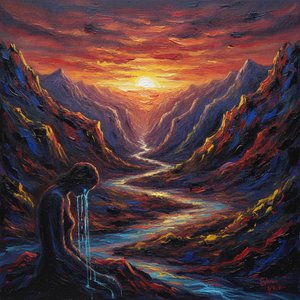
Capturing Emotion: A Journey Through the Soul of Expressionist Landscapes
Explore the profound emotional depth of Expressionist landscapes. Discover how Post-Impressionist masters moved beyond light to capture the soul through vibrant color and form. A curated journey for true art lovers seeking the beauty of expressive mastery.
აღმოაჩინეთ ხელოვნების ნაწარმოებები თემების, სტილისა და მახასიათებლების მიხედვით დაჯგუფებული.


