

წარმოდგენილია: · ჩარჩოსთან ერთად:
 ნახვა ინტერьерში
 გაგზავნა
 გაზიარება
 დეტალები
 გზამკვლევი

 ჩამოტვირთვა
 მსგავსები
 რენტგენოგრაფიული კვლევა
 სლაიდშოუ
 კითხვა-პასუხი
 სტატისტიკა

₾ 700
ხელით შესრულებული ზეთის საღებავით რეპროდუქცია
ტილოზე შესრულებული ფერწერიანი ზეთប្រდათი, თქვენთვის სასურველი ზომისა და ჩარჩოსთვის, ჩვენი ხელოვანების მიერ შეკვეთის საფუძველზე დამზადებული. ( გადართვა ბეჭდვის რეჟიმზე გადასვლა ციფრულ გამოსახულებაზე)
ზომა
·სტანდარტული ზომა
ინდივიდუალური ზომა
CM
INCH
აირჩიეთ ჩვენს მიერ წინასწარ განსაზღვრული ზომებიდან, რომლებიც ნაწარმოების ორიგინალურ პროპორციებს შეესაბამება.
ზომების მომზადება...

სიგანე
სიმაღლე
შეიყვანეთ თქვენთვის საჭირო სიგანე და სიმაღლე, რათა ნახატი მოერგოს თქვენს ჩარჩოს ან კედელს. ვინაიდან ეს ნამუშევარი ხელით არის შესრულებული, სხვა ფორმის ზომის შემთხვევაში, მხატვარმა შესაძლოა სურათის გარშემო ოდნავ მეტი დატოვოს ან შეამციროს — არჩევანი თქვენზეა. დაწყებამდე, დასამტკიცებლად, ჩვენ გამოგიგზავნით ციფრულ მაკეტს. ამ გვერდზე ნაჩვენები სურათი არ ასახავს რეალურ შედეგს — რეალური სახე მხოლოდ მაკეტზე ჩანს.
 გაეცანით მეტს
დასრულება
·
თეთრი კიდეები ₾1

ბუნდოვანი კიდეები ₾1

გაფართოებული ₾1

P118B ₾10

P118H ₾10

P118W ₾10

P438Z ₾10

P508JH ₾12

P508YH ₾12

P805H ₾10

P805Z ₾10

P919BZ ₾10

P919G ₾10

P919XJ ₾10

P959ZH ₾10

P968JZ ₾12

W106C ₾8

W218G ₾10

W218JH ₾8

W218Y ₾10

W307PJ ₾10

W316G ₾10

W316PJ ₾8

W316Y ₾10

W398PJ ₾8

W4111J ₾10

W500HY ₾15

W500JH ₾15

W692G ₾12

W849H ₾8

W940BG ₾15

W953PJ ₾8

H24-GOLD ₾30

H24-SILVER ₾30

H36-GOLD ₾45

H36-SILVER ₾45
გაგზავნილია დამცავ ტუბში, რათა თქვენსთვის სასურველ ჩარჩოში მოთავსდეს.
დამატებითი სერვისები
არასავალდებულორას მოიცავს დამატებითი სერვისები?
რა შეიძლება შეიცვალოს: სახის ჩანაცვლება მომხმარებლის ფოტოთი; შინაური ცხოველის დამატება (მაგალითად, კატის შეცვლა ძაღლით); ფონზე ფარული შეტყობინების დამატება; ფონის ლანდშაფტის ან ელემენტების შეცვლა.
შეკვეთის შემდეგ, TopImpressionists.com გუნდი გამოგსტავთ ელექტრონულ წერილს ინსტრუქციებისთვის და მოგაწვდით წინასწარ ნახატის (mockup) პრევიუსს
შეკვეთის შემდეგ, TopImpressionists.com გუნდი გამოგსტავთ ელექტრონულ წერილს ინსტრუქციებისთვის და მოგაწვდით წინასწარ ნახატის (mockup) პრევიუსს
მიწოდება მსოფლიო მასშტაბით -ში 3/4 კვირაში, სტანდარტული 5 კვირის ნაცვლად. (3 ნოემბერი). ხარისხზე კომპრომისის გაკეთება არ მოხდება.
დამცავი ლაქი
სახელოვანი ფირფიტა
დაკვეთილი ბრინჯაოს ფირფიტის დეტალები
This elegant plaque features the artist's name and the title of the artwork, finely engraved for a timeless presentation.
It is made from bronze with a refined, elegant finish. The text is precisely laser-engraved for a sharp and permanent result. Measuring 9x2 cm, the plaque is compact yet easy to read. It's built to be durable and scratch-resistant, offering a professional, museum-quality look. Mounting is simple thanks to the included adhesive backing.
აკრილის გამჭვირვალე ფირფიტის დეტალები
The plaque includes essential engraved details such as the artist's name, the title of the artwork, the date it was created, the type of media used-like oil on canvas or watercolor-a brief description of the piece, and a QR code that links to the complete artwork information.
It is crafted from clear acrylic, offering a sleek, modern appearance. The text is UV-engraved in black to ensure strong visual contrast. With a size of 10x15 cm, it ensures optimal readability. It comes equipped with two metal hooks for secure wall mounting. The plaque is designed to be weather-resistant, making it suitable for various environments, and it includes interactive features that work seamlessly with smartphone scanning.
შავი აკრილის ფირფიტის დეტალები
This elegant plaque includes engraved information such as the artist's name, the title of the artwork, the date it was created, the type of media used (like oil on canvas or watercolor), a short description of the artwork, and a QR code for quick access to more information.
The plaque itself is made from refined black acrylic with a premium finish. The text is laser-engraved in white for high contrast and readability. Its size is 10x15 cm, designed to be easy to read. It comes with two metal hooks for professional mounting. The design is sleek and fits any interior style. It is also weather-resistant and durable, with built-in digital integration for mobile compatibility.
მინის ჩარჩოს არჩევანი ხელმისაწვდომია მხოლოდ 110 სმ-მდე ზომისთვის
 მინის ჩარჩოს არჩევანი ხელმისაწვდომია მხოლოდ 110 სმ-მდე ზომისთვის
- უფასო ექსპრეს მიწოდება მთელ მსოფლიოში
- მაღალი ხარისხის ტილო
- ტრანსპორტირების სრული დაზღვევა
- საბაჟო გადასახადების დაბრუნების გარანტია
- ფერების სრული შესაბამისობის გარანტია
- დაბრუნების 100-დღიანი პერიოდი (მხოლოდ წარმოების დეფექტის შემთხვევაში)
- 100% თანხის სრული დაბრუნების გარანტია
- ფასდაკლება დიდი რაოდენობით შეკვეთისას


კოლექციონირებადი ნივთის აღწერა
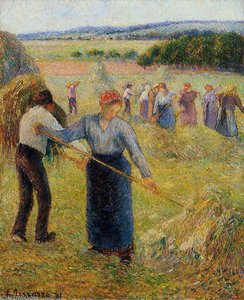
Experience Camille Pissarro’s idyllic Haymaking 1, a vibrant Impressionist scene capturing rural teamwork and the beauty of harvest time – perfect for art lovers and collectors seeking a timeless pastoral masterpiece.
მხატვრის ბიოგრაფია
კამიი პისარო - იმპრესიონისტული და ნეო-იმპრესიონისტური მხატვარი, რომელმაც მნიშვნელოვანი როლი ითამაშა თანამედროვე ხელოვნების განვითარებაში. მისი გამორჩეული ტილოები ასახავს ყოველდღიურ ცხოვრებასა და პარიზის ხედებს.
სურათის შესახებ
Camille Pissarro’s ‘Haymaking 1’: A Symphony of Rural Labor
Haymaking 1, a captivating depiction of rural life by Camille Pissarro, offers a poignant glimpse into the heart of Impressionist observation. Painted around 1892, this artwork transcends a simple representation of agricultural work; it’s an exploration of human connection, community, and the enduring rhythms of nature. The scene unfolds with remarkable clarity – a bustling farmyard bathed in the warm light of a summer afternoon. Nine figures, rendered with Pissarro's characteristic loose brushstrokes and vibrant palette, are engaged in the meticulous task of gathering hay, their movements suggesting both industry and camaraderie. The sheer abundance of golden hay, meticulously scattered across the field, immediately draws the eye, creating a visual feast that speaks to the bounty of the land.
Impressionist Technique and Color
Pissarro’s mastery lies in his ability to capture fleeting moments and atmospheric effects. Executed with the hallmark Impressionistic technique, Haymaking 1 showcases broken color applied in short, visible strokes. This method wasn't merely a stylistic choice; it was a deliberate attempt to record the way light interacts with surfaces – the shimmering reflections on the hay, the subtle gradations of tone in the sky, and the warmth radiating from the figures themselves. The artist’s use of complementary colors—the blues and oranges—intensifies the vibrancy of the scene, creating a dynamic visual experience. The loose brushwork contributes to an overall sense of movement and immediacy, as if we are witnessing this rural activity unfold before our eyes.
Historical Context: Pissarro and the Rise of Impressionism
Painted in the late 1890s, Haymaking 1 reflects Pissarro’s pivotal role in the development of Impressionism. Having initially embraced Realist principles, he gradually shifted his focus towards capturing the subjective experience of light and color. This work aligns with a period where Pissarro was increasingly interested in depicting everyday scenes of rural life – a departure from the grand historical or mythological subjects favored by earlier generations of artists. His connection to the Société des Artistes Indépendants, a group that championed independent artistic expression, further solidified his position as a key figure in challenging established artistic conventions. The painting’s subject matter—a common, unromanticized view of peasant labor—was deliberately chosen to reflect the burgeoning interest in social realism within the Impressionist movement.
Symbolism and Emotional Impact
Beyond its technical brilliance, Haymaking 1 carries a profound symbolic weight. The act of haymaking itself represents more than just harvesting; it embodies hard work, community cooperation, and the cyclical nature of life. The figures’ engaged postures and shared task evoke a sense of unity and purpose. The painting's emotional impact is one of quiet contentment and appreciation for the simple pleasures of rural existence. It’s a reminder of a time when labor was inextricably linked to sustenance and connection – values increasingly absent in modern society. This artwork offers a serene and evocative portrayal of a timeless scene, inviting viewers to contemplate the beauty and significance of everyday life.
კითხვები და პასუხები
კამილ პისაო-ის „Haymaking 1“ ნათელი თუ ბნელი ნამუშევარია?
აღქმული სიკაშკაშის თვალსაზრისით, კამილ პისაო-ის „Haymaking 1“ არის bright.
რას განმარტავს კამილ პისაო-ის „Haymaking 1“-ის საავტორო უფლებებთან დაკავშირებული მდგომარეობა?
„Haymaking 1“-ის საავტორო უფლებების სტატუსი - საჯარო საკუთრებაშია - მისი საავტორო უფლებები ამოწდა - გამომდინარეობს მხატვრის გარდაცვალებიდან, რომელიც მოხდა 1903-ში.
არის თუ არა "Haymaking 1" საავტორო უფლებებისგან თავისუფალი?
რაც შეეხება საავტორო უფლებებს, "Haymaking 1" არის საჯარო საკუთრებაშია - მისი საავტორო უფლებები ამოწდა.
მოკლე ფაქტები და ხელოვნების ქვიზი
ინფორმაცია კამილ პისაო შესახებ

კამილ პისაო
1830 - 1903, მექსიკა
მხატვრის ბიოგრაფია
კამილ პისარო: იმპრესიონიზმის მამა და სოფლისსახეების მხატვარი
კამილ პისარო, რომელსაც ხშირად მოიხსენიებენ როგორც "იმპრესიონიზმის მამას", იყო ფრანგი მხატვარი, რომელმაც უდიდესი გავლენა მოახდინა იმპრესიონისტურ და პოსტ-იმპრესიონისტურ ხელოვნებაზე. მისი ცხოვრება და შემოქმედება ორგანულად არის დაკავშირებული გარემომცველ სამყაროს დაკვირვებასთან, რაც მის ტილოებში სრულყოფილად ჩანს. დაიბადა 1830 წლის 10 ივლისს, სანტ ტომასის კუნძულზე, რომელიც მაშინ დანიელურ მფლობელობაში იყო (დღეს აშშ-ის ვირჯინია კუნძულების შემადგენლობაში). პისაროს მშობლები იყვნენ პორტუგალიელი-ებრაელი ვაჭარი და ფრანკო-ებრაელი ქალი, რაც მას უნიკალური კულტურული მემკვიდრეობაზე მიუთითებს. სანტ ტომასის გარემო, მისი ხალხი და ბუნება მის პირველ შემოქმედებებს საფუძველი გახდა.
მსოფლიოში ცნობილი მხატვარი, რომელიც თავისი ცხოვრების განმავლობაში მუდმივად ეძρευებოდა ახალი გამოთქმის ფორმებისკენ, პისარომ ადრეულ წლებში საფრანგეთში სწავლა დაიწყო და შემდეგ დაბრუნდა სანტ ტომასზე, სადაც ოჯახის საქმიანობაში იყო ჩართული. თუმცა, მისი გული ხელოვნებას ეკუთვნოდა და ის ყოველთვის ცდილობდა ხატვის შესაძლებლობას. 1850-იანი წლების დასაწყისში მან დანიელი მხატვარი ფრიც მელბესთან ერთად ვენეზუელაში გაფარავდა, სადაც ორი წლის განმავლობაში მუშაობდა მხატვრად. ეს გამოცდილება მის შემოქმედებაში მნიშვნელოვან როლს თამაშობს.
პარიზი და იმპრესიონიზმის születლება
1855 წელს პისარო გადავიდა პარიზში, სადაც სწავლობდა ბიელით და კურობთან ერთად. სწორედ ამ პერიოდში მან გაიცნო მომავლის იმპრესიონისტები: მონე, დეგასი, სეზანი და რენოირი. ისინი ხშირად იკრიებდნენ ერთმანეთს და განხილავდნენ ხელოვნების ახალ მიდგომებს. პისაროს უაღრესად მნიშვნელოვანი იყო გარემოსთან პირდაპირი კონტაქტი და ბუნებრივი სინათლის შესწავლა, რაც იმპრესიონიზმის მთავარი მახასიათებელი გახდა. ის თავისუფლად ასეირნობდა პარიჟის შემოგარენში და ხატავდა სოფლის პეიზაžებს, ქალაქის ცხოვრებას და ყოველდღიურ сценებს. მისი ტილოები აღწერს გარემოს დინამიკას, ცვალებადობას და მომენტალურ განცვილებებს.
პისარო იყო იმპრესიონისტური გამოფენების ერთ-ერთი ყველაზე აქტიური მონაწილე და მისი ნაწარმოებები ხშირად იწვევდა კრიტიკოსების აღშფოთებას. თუმცა, ის არ ერიდებოდა გამოწვევებს და მტკიცედ უჭერდა მხარს ახალ ხელოვნებას. პისარო ასევე იყო სხვა მხატვრებისთვის მენტორი და მასწავლებელია, მათ შორის პოლ სეზანისა და ვინსენტი ვან გოგისთვის. მისი რჩევები და შთაგანილი იყო მათი შემოქმედების განვითარებაში გადამწყვეტი.
პოსტ-იმპრესიონიზმისკენ ნაბიჯი და შემდგომი წლები
1880-იან წლებში პისარომ მოკლე ხნით მიიღო გეორგ სეურატის პუნქტილიზმის ტექნიკა, რომელიც გამოიხატება მცირე, ერთმანეთთან ახლოს მდგომი წერტილების გამოყენებაში. თუმცა, მან მალევე დაბრუნდა საკუთარ, უფრო ინდივიდუალურ სტილს. პისარო იყო არა მხოლოდ მხატვარი, არამედ საზოგადოების აქტიური წევრი და ხშირად გამოხატავდა თავის შეშფოთებას κοινωνალურ პრობლემებთან დაკავშირებით. მისი ტილოები ასახავს იმ დროს არსებულ სოციალურ უთანასწავლობას და ღარიბთა მდგომარეობას.
კამილ პისარო გარდაიცვალა 1903 წლის 13 ნოემბერს, პარიზში. მისი მემკვიდრეობა დღესაც კი განაგრძობს გავლენას ხელოვნებაზე და ის იმპრესიონიზმის ერთ-ერთ ყველაზე მნიშვნელოვან ფიგურად რჩება. მისი ტილოები ინახებება მსოფლიოს წამყვან მუზეუმებში და იზიდავს მილიონობით დამთვალიერებელს. პისარო იყო მხატვარი, რომელმაც თავისი ცხოვრებითა და შემოქმედებით დაგვიტოვა უნიკალური ხედვა სამყაროს შესახებ - ხედვა, რომელიც სავსეა სინათლეობით, ფერით და ადამიანური გრძნობებით.
მოკლე ფაქტები კამილ პისაო შესახებ
- Artistic Movement Or Style: იმპრესიონიზმი და ნეოიმპრესიონიზმი
- Artists Or Movements Influenced By This Artist: ['პავლე სესურ და პავლე სი尼亚克']
- Artists Who Influenced This Artist:
- გუსტავ კოროტ
- ჟან ბატისტ კამილ კოროტ
- Date Of Birth: 10 ივლისი 1830 წელი
- Date Of Death: 13 ნოემბერი 1903 წელი
- Full Name: Jacob Abraham Camille Pissarro
- Nationality: ფრანგი და ბელგიელი
- Notable Artworks:
- სოფლის სურათები
- პარიზის სცენები
- Place Of Birth: შარლტე ამალიე, საფრანგეთი
მსგავსი ნამუშევრები





აღმოაჩინეთ ხელოვნების ნაწარმოებები თემების, სტილისა და მახასიათებლების მიხედვით დაჯგუფებული.


კამილ პისაო
Haymaking 1
() ·
ჩარჩოსთან ერთად: · ზეთით შესრულებული ხელნაკეთი ტილოზე
ჯამი