

წარმოდგენილია: · ჩარჩოსთან ერთად:
 ნახვა ინტერьерში
 გაგზავნა
 გაზიარება
 დეტალები
 გზამკვლევი

 ჩამოტვირთვა
 მსგავსები
 რენტგენოგრაფიული კვლევა
 სლაიდშოუ
 კითხვა-პასუხი
 სტატისტიკა
- 71.0 x 105.0 cm


₾ 698
ხელით შესრულებული ზეთის საღებავით რეპროდუქცია
ტილოზე შესრულებული ფერწერიანი ზეთប្រდათი, თქვენთვის სასურველი ზომისა და ჩარჩოსთვის, ჩვენი ხელოვანების მიერ შეკვეთის საფუძველზე დამზადებული. ( გადართვა ბეჭდვის რეჟიმზე გადასვლა ციფრულ გამოსახულებაზე)
ზომა
·სტანდარტული ზომა
ინდივიდუალური ზომა
CM
INCH
აირჩიეთ ჩვენს მიერ წინასწარ განსაზღვრული ზომებიდან, რომლებიც ნაწარმოების ორიგინალურ პროპორციებს შეესაბამება.
ზომების მომზადება...

სიგანე
სიმაღლე
შეიყვანეთ თქვენთვის საჭირო სიგანე და სიმაღლე, რათა ნახატი მოერგოს თქვენს ჩარჩოს ან კედელს. ვინაიდან ეს ნამუშევარი ხელით არის შესრულებული, სხვა ფორმის ზომის შემთხვევაში, მხატვარმა შესაძლოა სურათის გარშემო ოდნავ მეტი დატოვოს ან შეამციროს — არჩევანი თქვენზეა. დაწყებამდე, დასამტკიცებლად, ჩვენ გამოგიგზავნით ციფრულ მაკეტს. ამ გვერდზე ნაჩვენები სურათი არ ასახავს რეალურ შედეგს — რეალური სახე მხოლოდ მაკეტზე ჩანს.
 გაეცანით მეტს
დასრულება
·
თეთრი კიდეები ₾1

ბუნდოვანი კიდეები ₾1

გაფართოებული ₾1

P118B ₾10

P118H ₾10

P118W ₾10

P438Z ₾10

P508JH ₾12

P508YH ₾12

P805H ₾10

P805Z ₾10

P919BZ ₾10

P919G ₾10

P919XJ ₾10

P959ZH ₾10

P968JZ ₾12

W106C ₾8

W218G ₾10

W218JH ₾8

W218Y ₾10

W307PJ ₾10

W316G ₾10

W316PJ ₾8

W316Y ₾10

W398PJ ₾8

W4111J ₾10

W500HY ₾15

W500JH ₾15

W692G ₾12

W849H ₾8

W940BG ₾15

W953PJ ₾8

H24-GOLD ₾30

H24-SILVER ₾30

H36-GOLD ₾45

H36-SILVER ₾45
გაგზავნილია დამცავ ტუბში, რათა თქვენსთვის სასურველ ჩარჩოში მოთავსდეს.
დამატებითი სერვისები
არასავალდებულორას მოიცავს დამატებითი სერვისები?
რა შეიძლება შეიცვალოს: სახის ჩანაცვლება მომხმარებლის ფოტოთი; შინაური ცხოველის დამატება (მაგალითად, კატის შეცვლა ძაღლით); ფონზე ფარული შეტყობინების დამატება; ფონის ლანდშაფტის ან ელემენტების შეცვლა.
შეკვეთის შემდეგ, TopImpressionists.com გუნდი გამოგსტავთ ელექტრონულ წერილს ინსტრუქციებისთვის და მოგაწვდით წინასწარ ნახატის (mockup) პრევიუსს
შეკვეთის შემდეგ, TopImpressionists.com გუნდი გამოგსტავთ ელექტრონულ წერილს ინსტრუქციებისთვის და მოგაწვდით წინასწარ ნახატის (mockup) პრევიუსს
მიწოდება მსოფლიო მასშტაბით -ში 3/4 კვირაში, სტანდარტული 5 კვირის ნაცვლად. (5 ნოემბერი). ხარისხზე კომპრომისის გაკეთება არ მოხდება.
დამცავი ლაქი
სახელოვანი ფირფიტა
დაკვეთილი ბრინჯაოს ფირფიტის დეტალები
This elegant plaque features the artist's name and the title of the artwork, finely engraved for a timeless presentation.
It is made from bronze with a refined, elegant finish. The text is precisely laser-engraved for a sharp and permanent result. Measuring 9x2 cm, the plaque is compact yet easy to read. It's built to be durable and scratch-resistant, offering a professional, museum-quality look. Mounting is simple thanks to the included adhesive backing.
აკრილის გამჭვირვალე ფირფიტის დეტალები
The plaque includes essential engraved details such as the artist's name, the title of the artwork, the date it was created, the type of media used-like oil on canvas or watercolor-a brief description of the piece, and a QR code that links to the complete artwork information.
It is crafted from clear acrylic, offering a sleek, modern appearance. The text is UV-engraved in black to ensure strong visual contrast. With a size of 10x15 cm, it ensures optimal readability. It comes equipped with two metal hooks for secure wall mounting. The plaque is designed to be weather-resistant, making it suitable for various environments, and it includes interactive features that work seamlessly with smartphone scanning.
შავი აკრილის ფირფიტის დეტალები
This elegant plaque includes engraved information such as the artist's name, the title of the artwork, the date it was created, the type of media used (like oil on canvas or watercolor), a short description of the artwork, and a QR code for quick access to more information.
The plaque itself is made from refined black acrylic with a premium finish. The text is laser-engraved in white for high contrast and readability. Its size is 10x15 cm, designed to be easy to read. It comes with two metal hooks for professional mounting. The design is sleek and fits any interior style. It is also weather-resistant and durable, with built-in digital integration for mobile compatibility.
მინის ჩარჩოს არჩევანი ხელმისაწვდომია მხოლოდ 110 სმ-მდე ზომისთვის
 მინის ჩარჩოს არჩევანი ხელმისაწვდომია მხოლოდ 110 სმ-მდე ზომისთვის
- უფასო ექსპრეს მიწოდება მთელ მსოფლიოში
- მაღალი ხარისხის ტილო
- ტრანსპორტირების სრული დაზღვევა
- საბაჟო გადასახადების დაბრუნების გარანტია
- ფერების სრული შესაბამისობის გარანტია
- დაბრუნების 100-დღიანი პერიოდი (მხოლოდ წარმოების დეფექტის შემთხვევაში)
- 100% თანხის სრული დაბრუნების გარანტია
- ფასდაკლება დიდი რაოდენობით შეკვეთისას


კოლექციონირებადი ნივთის აღწერა
შეესვენეთ კარავაჯოს ‘მომ slept-გა მცდელე’ ნამუშევრასთან. ბაროკოს შედევრი ასახავს სინანულს და უდაბნოს, გამოხატავს დრამატულ ჩიაროსკუროს, სადაც ნათენილად არის მოწონილი რესტის მომენტი ღმერთის ზურალში.
მხატვრის ბიოგრაფია
კარავაჯო (1571-1610) - ბაროკოს ოსტატი, რომელმაც რეალიზმს უწოდა ხელი. მისი დრამატული რელიგიური სცენები, შუქისა და ნაცრის კონტრასტი და რევოლუციური სტილი დღემდეა სათუთი.
სურათის შესახებ
Sleeping Cupid: A Baroque Reverie of Innocence and Shadow
Michelangelo Merisi da Caravaggio’s “Sleeping Cupid,” painted in 1608 and currently residing within the Pitti Palace Museum in Florence, is more than just a depiction of a child; it's a profound meditation on vulnerability, fleeting beauty, and the inherent drama woven into even the most seemingly serene moments. This oil-on-canvas masterpiece encapsulates the essence of Caravaggio’s revolutionary approach to art – his masterful manipulation of light and shadow, his unflinching realism, and his ability to imbue everyday scenes with an extraordinary emotional weight. The painting immediately draws the viewer in with its quiet intimacy; a naked infant angel, or cupid, rests peacefully on a dark ground, enveloped by his delicate wings and abandoned bow and arrow – symbols that collectively speak volumes about the transient nature of love and the inherent fragility of life.
Caravaggio’s genius lay not just in his technical skill but in his profound understanding of human psychology. He wasn't interested in idealized beauty or heroic grandeur; instead, he sought to capture the raw, unfiltered emotions that shaped our experience. “Sleeping Cupid” is a prime example of this approach. The child’s vulnerability is palpable – a sense of utter trust and complete surrender to rest. This isn’t a playful cherub engaged in mischievous pursuits; it's an image of profound peace, almost heartbreaking in its simplicity. The composition itself is remarkably effective: the horizontal format emphasizes the reclining pose, while the diagonal lines created by the wings and bow subtly inject dynamism into the otherwise tranquil scene. The careful arrangement creates a visual rhythm that guides the eye across the canvas, inviting contemplation.
Chiaroscuro and the Dance of Light
The painting’s power is inextricably linked to Caravaggio's signature technique – *tenebrism*. This dramatic use of light and shadow isn’t merely an aesthetic choice; it’s a fundamental element of the artwork’s narrative. A single, intensely bright light source illuminates the cupid’s body, casting deep, velvety shadows that pool around him and define his form with remarkable clarity. This stark contrast between light and dark doesn't simply create depth; it serves to heighten the emotional impact of the scene. The shadows suggest a hidden world, a realm of vulnerability and uncertainty, while the illuminated figure embodies innocence and peace. Notice how the warm highlights on the skin subtly contrast with the cool tones of the background – this interplay creates a visual tension that mirrors the painting’s thematic concerns.
Interestingly, the dark background is unusually extensive, obscuring a significant portion of the cupid's right wing. This deliberate choice adds to the sense of mystery and invites speculation about Caravaggio’s intentions. Some scholars suggest it might be a reference to the concept of “opacity,” symbolizing the hidden aspects of human nature or perhaps alluding to the fleeting nature of beauty itself. The technique employed – direct application of paint to the canvas without extensive underdrawing – allowed Caravaggio to achieve an astonishing level of immediacy and detail, contributing significantly to the painting’s raw emotional power.
Symbolism and a Reflection on Human Condition
Beyond its technical brilliance, “Sleeping Cupid” is rich in symbolism. The abandoned bow and arrow, typically associated with Cupid's role as the god of love, represent a temporary respite from his duties – a moment of peace and quietude amidst the chaos of desire. This imagery speaks to the human condition itself: even the most powerful forces are subject to rest, vulnerability, and the inevitable ebb and flow of experience. The painting can be interpreted as a meditation on mortality, reminding us that beauty is fleeting and that even love, in its most passionate forms, must eventually yield to tranquility.
Caravaggio’s influence extends far beyond his own time. Artists like Peter Paul Rubens, who also explored themes of human emotion with dramatic intensity, were deeply inspired by his work. Rubens' "Madonna and Child Enthroned with Saints" shares a similar blend of realism and religious symbolism, demonstrating the lasting impact of Caravaggio’s innovations. “Sleeping Cupid” remains a testament to Caravaggio’s genius – a timeless masterpiece that continues to captivate viewers with its serene beauty and profound emotional depth.
Bringing Caravaggio Home: A Reproduction for Your Space
TopImpressionists offers meticulously crafted, hand-painted reproductions of "Sleeping Cupid" that capture the essence of this iconic Baroque painting. Our skilled artists replicate Caravaggio’s masterful use of *tenebrism*, recreating the dramatic interplay of light and shadow with stunning accuracy. We utilize archival-quality materials to ensure that your reproduction will retain its beauty and vibrancy for generations to come. Whether you're an art collector, a design enthusiast, or simply seeking a piece of timeless artistry to enhance your home or office, our “Sleeping Cupid” reproduction provides an authentic and exquisite representation of this remarkable work.
კითხვები და პასუხები
რა წელს და რომელ სტილის ფარგლებში შეიქმნა "მომ slept-გა მცდელე"?
"მომ slept-გა მცდელე" შეიქმნა 1608 წელს, როგორც Baroque Painting მიმდევრობის ნამუშევარი. თარიღი და სტილისტიკური მიმდევრობა ამ ხელოვნების ნიმუშს ხელოვნების ისტორიაში განსაზღვრულ ადგილს ანიჭებს.
რა არის კარავაჯო-ის „მომ slept-გა მცდელე“-ის შექმნის თარიღი?
კარავაჯო-ის „მომ slept-გა მცდელე“ შექმნის თარიღია 1608.
არსებობს თუ არა მსგავსი ნამუშევრები, როგორც "მომ slept-გა მცდელე"?
კარავაჯო-ის „მომ slept-გა მცდელე“-ის მსგავსი ნამუშევრები გვერდი წარმოგიდგენთ მსგავს ნამუშევრებს.
მოკლე ფაქტები და ხელოვნების ქვიზი
ინფორმაცია კარავაჯო შესახებ

კარავაჯო
1571 - 1610, ესპანეთი
მხატვრის ბიოგრაფია
Michelangelo Merisi da Caravaggio: ნათება და ჩრდილის სიმფონიის ქმნელი
მიქელანჯელო მერისი, უფრო ცნობილი როგორც კარაავაჯო (1571-1610), იტალიური ბაროკოს ერთ-ერთი ყველაზე მნიშვნელოვანი ფიგურა იყო. მისი სახელი განუყოფლად ასახელებს დრამატულ ინტენსივობას და გამორჩეულ სტილს, რომელიც ხელოვნების ისტორიაში უნიკალური კვალი დატოვა. მილანში დაბადებული, მომავალი მხატვარი ადრეული ასაკიდანვე გამოცდილიყო ტრაგიკული მოვლენებით – ქალაქი ეწიოკებადა შავი ölüm, რის შედეგადაც დაკარგა მშობლები და ბებიაქა. ეს პირველი შეხება ადამიანურ ტანჯვასთან და გამძლეობასთან განავითარებდა მისში მგრძნობელობას, თემატიკას რომელიც მოგვიანებით მისი ტილოებზე მკაფიოდ აისახებოდა. სიმონე პეტერზანოსთან სწავლა, ტიციანის მოწაფესთან, უზრუნველყო ძირითადი საფუძვლები რენესანსის ტექნიკაში, თუმცა უკვე მაშინ ჩანდა მუსრავი სული, რომელიც ტრადიციულ ნორმებს გაცემს. რომაში მის მოსვლამ, დაახლოებით 1592 წელს, აღნიშნა იტალიური ხელოვნების ლანდშაფტის რევოლუცია. ქალაქი, ხელშეწყობისა და რელიგიური ფერვორის ცენტრი, როგორც მიმზიდველი, ისე გულგატეხილიც გამოდგა ამბიციური მხატვრისთვის.ინოვატორი: ტექნიკა და სტილი
კარაავაჯოს რომაში გამოჩენა ხელოვნების სამყაროში სიმძლავრით შეტანილმა ცვლილებებმა აგორებულმა ტალღამ. მან უარყო მნათობელის პოპულარული სტილი, რომელიც ხასიათდებოდა ხელოვნური ელეგანტურობითა და გაწევითაშლებული ფორმებით, და მიიღო კომპრომისს არ მომხმარებელი რეალიზმი, რომელმაც ააცილეს შოკში და მოხიბვლა საზოგადოებას. მისი ყველაზე მნიშვნელოვანი სიახლე იყო ჩიაროსკუროს უნარი – სინათლისა და ნაფარეთის დრამატული კონტრასტი, რომელსაც ახალი ძალით აძლიერებდა. ეს ტექნიკა, რომელიც ხშირად მას „ტენებრიზმს“ ეძახდნენ, არ იყო მხოლოდ ესთეტიკური არჩევანი; ეს იყო გულწრფელი ემოციების გამოსახვის საშუალება, რომელიც მაყურებლებს გადაჰქონდა სცენის ცენტრში და მის ფიგურებში ცხოველმყოფელობას მატებდა. მან უარყო იდეალიზებული გამოსახულებები და თავისი ტილოებით შეავსო ჩვეული ადამიანები – ხშირად რომის ქუჩებიდან აღებულნი, რელიგიური ფიგურების როლში. ეს რადიკალური მიდგომა ეხმიანებოდა სილამაზისა და სიწმინდის ტრადიციულ წარმონაქმნებს, აყენებდა წმინდას ადამიანურად ახლო და ხელმისაწვდომად. მისი კომპოზიციები ხშირად მკაცრი და პირდაპირი იყო, რომელიც ფოკუსირებული იყო ინტენსიური დრამის გადამწყვეტი მომენტების აღნიშვნაზე, იქნება ეს „ქრისტეს აყვანის“ საშინელი რეალიზმი თუ „საქონლის მფარველისა“ ღრმა განშვილება.მნიშვნელოვანი ნაშრომები და გრძელვადიანი გავლენა
მისი შედარებით მოკლე კარიერაში, კარაავაჯომ შექმნა შედევრების კრებული, რომელიც დღემდე აღფრთოვანებს მაყურებლებს. ადრეული ნაშრომები, როგორიცაა „სარფიანი“ (1594), აჩვენებს მისი ნიჭის განვითარებას რეალურ დეტალებსა და ფსიქოლოგიური ელფერი გადასაზარებად. „ემავზის სადილი“ (1601-1602), რომელიც ინგლისეთის ეროვნულ გალერეაში ინახება, წარმოადგენს ჩიაროსკუროსოს ნათელ მტკიცებასა და უნარს ღრმა ემოციურ სიღრმეს განავითარებდეს ბიბლიური მოთხრობის ფარგლებში. „დავითი გოლიათთან“ (საკუთარი თავის პორტრეტი) განსაკუთრებით მძიმეა, რომელიც ხშირად აღიქმება კარაავაჯოს საკუთარი ტანჯვილის ანარეკლედ. მისი გავლენა გადაინთქმა იტალიის საზღვრებს და მოიცვა ევროპული ხელოვნება, რომელმაც შთაინთქნა „კარავაჯისტების“ თაობა – მხატვრები, რომლებმაც მიიღეს მისი სტილი. მათ შორის იყვნენ პეტრე პავლე რუბენსი, ხუზეპე დე რიბერა და გერიტ ვან ჰონთორსტი, რომლებიც თითოეულმა კარაავაჯოს ტექნიკას საკუთარი უნიკალური მხატვრული ხედვით მიმართეს.დამღუპველი არსებობა და მუდმიანი მემკვიდრეობა
კარაავაჯოს ცხოვრება ისეთივე დრამატული იყო, როგორც მისი ხელოვნება. არასტაბილური ხასიათი და ბრძოლებისადმი მიდგომა ხშირად აყენებდა მას კანონის წინაშე, რაც 1606 წელს მკვლელობის ბრალდებაზე დამთავრებულიყო და იძულებულიყო დაეტოვებინა რომი. მომდევნოოთხი წლის განმავლობაში ის უწყვეტად მოგზაურობდა ნეაპოლში, მალტასა და სიცილიაში, ხატავდა და სასტიკად ცდილობდა პაპალური ներմանის მიღებას. მიუხედავად მისი ძალისხმევების, ის დარჩა გარდამორთმეული, რომელიც დევნილი იყო წარსულის სურათებითა და პირადი კონფლიქტებით. 1610 წელს პორტო ერკოლეში, იტალიაში, მოკვდა საიდუმოოების გარემოებაში – მისი മരണიატომი დღემდე კამათობს, თეორიები მერყეობს ცხელება ਤੋਂ ਲੈცამდე δηλητηρίασης. მიუხედავად იმისა, რომ მისი ζωή předčasně დასრულდა, კარაავაჯოს ხელოვნების მემკვიდრეობა მუდმივად არსებობს მისი რევოლუციური ხედვისა და რეალიზმისადმი უუაროი ერთგულების 증거. მან გამოუ挑战եց თავისი ეპოქის კონვენციებს, გახსნა გზა უფრო თანამედროვე მხატვრობისკენ და ხელოვნების ისტორიაში საგანგებო კვალი დატოვა. მისი ნაშრომები დღემდე აღფრთოვანებენ და აყენებენ კითხვებს, რომელიც გვახსენებს ხელოვნების ძალას ადამიანური გამოცდილების ყველაზე მörkე კუთხეების განათებას.მოკლე ფაქტები კარავაჯო შესახებ
- Artistic Movement Or Style: ბაროკი, ტენებრიზმი
- Artists Or Movements Influenced By This Artist:
- რუბენსი
- რიბერა
- კარავაგისტები
- Artists Who Influenced This Artist:
- ტიციანი
- ლეონარდო და ვინჩი
- Date Of Birth: 1571 წლის 29 სექტემბერი
- Date Of Death: 1610 წლის 18 ივლისი
- Full Name: მიქელანჯელო მერისი
- Nationality: იტალიელი
- Notable Artworks:
- მდიდრული ქალწულო
- ემავუს საძიება
- დავითი გოლიათთან
- ფრანცისკეს ექსტაზი
- Place Of Birth: მილანი, ესპანეთი
აღმოაჩინეთ ხელოვნების ნაწარმოებები თემების, სტილისა და მახასიათებლების მიხედვით დაჯგუფებული.


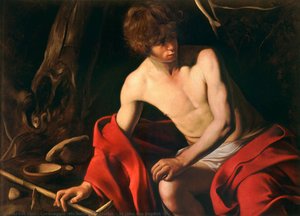


კარავაჯო
მომ slept-გა მცდელე
() ·
ჩარჩოსთან ერთად: · ზეთით შესრულებული ხელნაკეთი ტილოზე
ჯამი