წინასწარი ნახვა
 გაგზავნა
 გაზიარება
 დეტალები
 გზამკვლევი

 ჩამოტვირთვა
 მსგავსები
 რენტგენოგრაფიული კვლევა
 სლაიდშოუ
 კითხვა-პასუხი
 სტატისტიკა
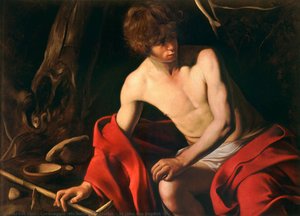
untitled (7675)

Experience Caravaggio's dramatic masterpiece, 'untitled (7675),' a chilling black and white depiction of violence and intrigue from the Baroque period. This intense oil on canvas captures a brutal scene with unsettling realism – discover or own this captivating artwork.
 გააგრძელეთ კითხვა
კარავაჯო (1571-1610) - ბაროკოს ოსტატი, რომელმაც რეალიზმს უწოდა ხელი. მისი დრამატული რელიგიური სცენები, შუქისა და ნაცრის კონტრასტი და რევოლუციური სტილი დღემდეა სათუთი.
გიკლე / ხელოვნების პრინტი
მუზეუმის დონის ჟიკლე ან ტილოზე ბეჭდვა სწრაფი წარმოებისა და დასრულების მოქნილი ვარიანტებით. ( შეიძინეთ ხელით შესრულებული ნახატი გადართვა ციფრულ გამოსახულებაზე)




P118B ₾10

P118H ₾10

P118W ₾10

P438Z ₾10

P508JH ₾12

P508YH ₾12

P805H ₾10

P805Z ₾10

P919BZ ₾10

P919G ₾10

P919XJ ₾10

P959ZH ₾10

P968JZ ₾12

W106C ₾8

W218G ₾10

W218JH ₾8

W218Y ₾10

W307PJ ₾10

W316G ₾10

W316PJ ₾8

W316Y ₾10

W398PJ ₾8

W4111J ₾10

W500HY ₾15

W500JH ₾15

W692G ₾12

W849H ₾8

W940BG ₾15

W953PJ ₾8




სტანდარტული
სასურველი ზომა
CM
INCH
აირჩიეთ ჩვენს მიერ წინასწარ განსაზღვრული ზომებიდან, რომლებიც ნაწარმოების ორიგინალურ პროპორციებს შეესაბამება.
Loading sizes...

სიგანე
სიმაღლე
შეიყვანეთ თქვენთვის საჭირო სიგანე და სიმაღლე, რათა გამოსახულებამ თქვენს ჩარჩოს ან კედელს ზუსტად მოერგოს. ბეჭდვისას შესაძლებელია მხოლოდ მისი შემცირება და არა გაზრდა, ამიტომ სხვა ფორმის ზომის შემთხვევაში სურათი ნაწილობრივ იკარგება. სანამ რაიმეს დაბეჭდავთ, ჩვენ გამოგიგზავნით ციფრულ მაკეტს დასდასტურებლად. ამ გვერდზე ნაჩვენები სურათი არ ასახავს რეალურ ჭრას — ამას მხოლოდ მაკეტი გვიჩვენებს.
მიწოდება მთელ მსოფლიოში () 2 კვირაში, სტანდარტული 4/5 კვირის ნაცვლად. (8 ნოემბერი)

უფასო ექსპრეს მიწოდება მთელ მსოფლიოში

მაღალი ხარისხის ტილოს ქსოვილი

ტრანსპორტირების სრული დაზღვევა

საბაჟო გადასახადების დაბრუნების გარანტია

ფერების სრული შესაბამისობის გარანტია

დაბრუნების 100-დღიანი პოლიტიკა (მხოლოდ დეფექტის შემთხვევაში)

100% თანხის სრული დაბრუნების გარანტია

ფასდაკლება დიდი რაოდენობით შეკვეთისას
 მინის ჩარჩოს არჩევანი შესაძლებელია მხოლოდ 110 სმ-მდე ზომისთვის

untitled (7675)
გიკლე / ხელოვნების პრინტი
რეპროდუქციის ზომა
-


საბოლოო ღირებულება
₾ 182
A Study in Shadow and Violence: Unveiling Caravaggio’s “Untitled (7675)”
Caravaggio's "Untitled (7675)" is not merely a depiction of three men; it’s a visceral plunge into the heart of human darkness, a testament to the artist’s revolutionary approach to portraying brutality and psychological tension. Painted in oil on canvas, this stark black-and-white composition immediately commands attention with its intensely focused close-up view. The scene unfolds within a modestly furnished room – a dining table bearing a solitary wine glass, chairs scattered around – elements that subtly heighten the sense of unease and impending doom. It’s a tableau stripped bare of extraneous detail, forcing the viewer to confront the raw emotion radiating from the figures themselves.
The Baroque Master: Caravaggio's Dramatic Innovation
Born in Milan in 1571, Michelangelo Merisi da Caravaggio (as he was known) emerged as a pivotal figure during the tumultuous transition from the Renaissance to the Baroque period. His early life, marked by profound loss – the deaths of his father and grandfather due to plague – instilled within him an acute sensitivity to human suffering, a theme that would become a cornerstone of his artistic vision. Caravaggio’s rejection of idealized beauty and embrace of realism, particularly in depicting ordinary people with their flaws and vulnerabilities, was profoundly influential. He pioneered the use of tenebrism—a dramatic contrast between light and dark—to heighten emotional impact and create a sense of theatricality. This technique is powerfully evident here, sculpting the figures from pools of shadow and illuminating key moments of action with stark, almost blinding light.
Symbolic Tension: Violence and Control
The composition itself speaks volumes about power dynamics and moral ambiguity. One man, gripping a knife, embodies aggression and potential violence; his posture suggests control and dominance. Two other men hold him down, their actions contributing to a scene of subjugation. The third figure, seemingly detached, adds another layer of complexity – is he an accomplice, a witness, or perhaps a victim in waiting? The wine glass on the table could represent celebration, but here it feels like a poisoned chalice, reflecting the corruption and moral decay at play. The lack of context—the absence of identifiable surroundings beyond the immediate room—further amplifies the sense of isolation and vulnerability experienced by the figures.
A Legacy of Emotional Intensity
"Untitled (7675)" exemplifies Caravaggio’s ability to transform everyday moments into profound statements about human nature. His work continues to resonate with viewers centuries later, not just for its technical brilliance but also for its unflinching portrayal of darkness and the complexities of human behavior. A hand-painted reproduction offers a unique opportunity to experience this iconic image firsthand, bringing Caravaggio’s dramatic vision into your space and sparking contemplation about themes of power, violence, and the enduring struggle between good and evil.
კითხვები და პასუხები
არსებობს თუ არა გაიდი კარავაჯო-ის „untitled (7675)“-ისთვის?
კარავაჯო-ის „untitled (7675)“-ის გზამკვლევი გვერდი გთავაზობთ ბეჭდად ამოსაღებ ორგვერდიან ფაქტების ფურცელს: ნამუშევარს თავისი საიდენტიფიკაციო ცხრილით, დეკადების სარტყელს, რომელიც მას ხელოვანის სიცოცხლის პერიოდს უკავშირებს, ხელოვანის სხვა ნამუშევრებს, გაზომილ ფერల პალიტრას და ასატყვევ ციტატებს ოთხი სხვადასხვა სტილით.
სად შემიძლია კარავაჯო-ის „untitled (7675)“-ის ციფრული ვერსიის შეძენა?
"untitled (7675)" ხელოვნების ნიმუშის ციფრული ვერსია ხელმისაწვდომია როგორც მაღალი გარჩევადობის ციფრული გამოსახულების ჩამოტვირთვა, რომლის შეძენაც შეგიძლიათ პირდაპირ მისი ციფრული გამოსახულება გვერდიდან.
რა მასალისგან არის შესრულებული კარავაჯო-ის „untitled (7675)“?
კარავაჯო-ის „untitled (7675)“-ის მასალა არის Oil On Canvas. რეპროდუქციების მიზანია ამ ტექნიკის ვიზუალური მხარის ზუსტი გადმოცემა.
მხატვრის ბიოგრაფია
Michelangelo Merisi da Caravaggio: ნათება და ჩრდილის სიმფონიის ქმნელი
მიქელანჯელო მერისი, უფრო ცნობილი როგორც კარაავაჯო (1571-1610), იტალიური ბაროკოს ერთ-ერთი ყველაზე მნიშვნელოვანი ფიგურა იყო. მისი სახელი განუყოფლად ასახელებს დრამატულ ინტენსივობას და გამორჩეულ სტილს, რომელიც ხელოვნების ისტორიაში უნიკალური კვალი დატოვა. მილანში დაბადებული, მომავალი მხატვარი ადრეული ასაკიდანვე გამოცდილიყო ტრაგიკული მოვლენებით – ქალაქი ეწიოკებადა შავი ölüm, რის შედეგადაც დაკარგა მშობლები და ბებიაქა. ეს პირველი შეხება ადამიანურ ტანჯვასთან და გამძლეობასთან განავითარებდა მისში მგრძნობელობას, თემატიკას რომელიც მოგვიანებით მისი ტილოებზე მკაფიოდ აისახებოდა. სიმონე პეტერზანოსთან სწავლა, ტიციანის მოწაფესთან, უზრუნველყო ძირითადი საფუძვლები რენესანსის ტექნიკაში, თუმცა უკვე მაშინ ჩანდა მუსრავი სული, რომელიც ტრადიციულ ნორმებს გაცემს. რომაში მის მოსვლამ, დაახლოებით 1592 წელს, აღნიშნა იტალიური ხელოვნების ლანდშაფტის რევოლუცია. ქალაქი, ხელშეწყობისა და რელიგიური ფერვორის ცენტრი, როგორც მიმზიდველი, ისე გულგატეხილიც გამოდგა ამბიციური მხატვრისთვის.ინოვატორი: ტექნიკა და სტილი
კარაავაჯოს რომაში გამოჩენა ხელოვნების სამყაროში სიმძლავრით შეტანილმა ცვლილებებმა აგორებულმა ტალღამ. მან უარყო მნათობელის პოპულარული სტილი, რომელიც ხასიათდებოდა ხელოვნური ელეგანტურობითა და გაწევითაშლებული ფორმებით, და მიიღო კომპრომისს არ მომხმარებელი რეალიზმი, რომელმაც ააცილეს შოკში და მოხიბვლა საზოგადოებას. მისი ყველაზე მნიშვნელოვანი სიახლე იყო ჩიაროსკუროს უნარი – სინათლისა და ნაფარეთის დრამატული კონტრასტი, რომელსაც ახალი ძალით აძლიერებდა. ეს ტექნიკა, რომელიც ხშირად მას „ტენებრიზმს“ ეძახდნენ, არ იყო მხოლოდ ესთეტიკური არჩევანი; ეს იყო გულწრფელი ემოციების გამოსახვის საშუალება, რომელიც მაყურებლებს გადაჰქონდა სცენის ცენტრში და მის ფიგურებში ცხოველმყოფელობას მატებდა. მან უარყო იდეალიზებული გამოსახულებები და თავისი ტილოებით შეავსო ჩვეული ადამიანები – ხშირად რომის ქუჩებიდან აღებულნი, რელიგიური ფიგურების როლში. ეს რადიკალური მიდგომა ეხმიანებოდა სილამაზისა და სიწმინდის ტრადიციულ წარმონაქმნებს, აყენებდა წმინდას ადამიანურად ახლო და ხელმისაწვდომად. მისი კომპოზიციები ხშირად მკაცრი და პირდაპირი იყო, რომელიც ფოკუსირებული იყო ინტენსიური დრამის გადამწყვეტი მომენტების აღნიშვნაზე, იქნება ეს „ქრისტეს აყვანის“ საშინელი რეალიზმი თუ „საქონლის მფარველისა“ ღრმა განშვილება.მნიშვნელოვანი ნაშრომები და გრძელვადიანი გავლენა
მისი შედარებით მოკლე კარიერაში, კარაავაჯომ შექმნა შედევრების კრებული, რომელიც დღემდე აღფრთოვანებს მაყურებლებს. ადრეული ნაშრომები, როგორიცაა „სარფიანი“ (1594), აჩვენებს მისი ნიჭის განვითარებას რეალურ დეტალებსა და ფსიქოლოგიური ელფერი გადასაზარებად. „ემავზის სადილი“ (1601-1602), რომელიც ინგლისეთის ეროვნულ გალერეაში ინახება, წარმოადგენს ჩიაროსკუროსოს ნათელ მტკიცებასა და უნარს ღრმა ემოციურ სიღრმეს განავითარებდეს ბიბლიური მოთხრობის ფარგლებში. „დავითი გოლიათთან“ (საკუთარი თავის პორტრეტი) განსაკუთრებით მძიმეა, რომელიც ხშირად აღიქმება კარაავაჯოს საკუთარი ტანჯვილის ანარეკლედ. მისი გავლენა გადაინთქმა იტალიის საზღვრებს და მოიცვა ევროპული ხელოვნება, რომელმაც შთაინთქნა „კარავაჯისტების“ თაობა – მხატვრები, რომლებმაც მიიღეს მისი სტილი. მათ შორის იყვნენ პეტრე პავლე რუბენსი, ხუზეპე დე რიბერა და გერიტ ვან ჰონთორსტი, რომლებიც თითოეულმა კარაავაჯოს ტექნიკას საკუთარი უნიკალური მხატვრული ხედვით მიმართეს.დამღუპველი არსებობა და მუდმიანი მემკვიდრეობა
კარაავაჯოს ცხოვრება ისეთივე დრამატული იყო, როგორც მისი ხელოვნება. არასტაბილური ხასიათი და ბრძოლებისადმი მიდგომა ხშირად აყენებდა მას კანონის წინაშე, რაც 1606 წელს მკვლელობის ბრალდებაზე დამთავრებულიყო და იძულებულიყო დაეტოვებინა რომი. მომდევნოოთხი წლის განმავლობაში ის უწყვეტად მოგზაურობდა ნეაპოლში, მალტასა და სიცილიაში, ხატავდა და სასტიკად ცდილობდა პაპალური ներմանის მიღებას. მიუხედავად მისი ძალისხმევების, ის დარჩა გარდამორთმეული, რომელიც დევნილი იყო წარსულის სურათებითა და პირადი კონფლიქტებით. 1610 წელს პორტო ერკოლეში, იტალიაში, მოკვდა საიდუმოოების გარემოებაში – მისი മരണიატომი დღემდე კამათობს, თეორიები მერყეობს ცხელება ਤੋਂ ਲੈცამდე δηλητηρίασης. მიუხედავად იმისა, რომ მისი ζωή předčasně დასრულდა, კარაავაჯოს ხელოვნების მემკვიდრეობა მუდმივად არსებობს მისი რევოლუციური ხედვისა და რეალიზმისადმი უუაროი ერთგულების 증거. მან გამოუ挑战եց თავისი ეპოქის კონვენციებს, გახსნა გზა უფრო თანამედროვე მხატვრობისკენ და ხელოვნების ისტორიაში საგანგებო კვალი დატოვა. მისი ნაშრომები დღემდე აღფრთოვანებენ და აყენებენ კითხვებს, რომელიც გვახსენებს ხელოვნების ძალას ადამიანური გამოცდილების ყველაზე მörkე კუთხეების განათებას.
კარავაჯო
1571 - 1610 , ესპანეთი
მოკლე ინფორმაცია
- Artistic Movement Or Style: ბაროკი, ტენებრიზმი
- Artists Or Movements Influenced By This Artist:
- რუბენსი
- რიბერა
- კარავაგისტები
- Artists Who Influenced This Artist:
- ტიციანი
- ლეონარდო და ვინჩი
- Date Of Birth: 1571 წლის 29 სექტემბერი
- Date Of Death: 1610 წლის 18 ივლისი
- Full Name: მიქელანჯელო მერისი
- Nationality: იტალიელი
- Notable Artworks:
- მდიდრული ქალწულო
- ემავუს საძიება
- დავითი გოლიათთან
- ფრანცისკეს ექსტაზი
- Place Of Birth: მილანი, ესპანეთი
დაკავშირებული სტატიები

Mars Black Masterpieces: 10 Iconic Paintings & Timeless Art Decor Ideas
Delve into the power of 'Mars Black' with 10 iconic paintings by masters like Rembrandt & Caravaggio. Explore dramatic chiaroscuro, gothic art, and timeless beauty. Find museum-quality reproductions & elevate your home decor on .

Giclée Prints: Archival Quality & Aesthetic Nuances for the Discerning Collector
Explore the world of giclée prints with TopImpressionists. Learn about archival quality, aesthetic nuances & investment potential. Expert guidance for discerning art collectors seeking museum-quality reproductions and lasting value.

ბարოკოს ეტალონები: 10 შედევრი, რომელმაც განსაზღვრა ეს სტილი | TopImpressionists
აღმოფრთოვანდით ბაროკოს ეპოქის 10 უმშვენიერეს შედევრთან! კარავაჯო, რემბრანდტი და ვერმეერი – გი tanıtեք ამ დიდებულ ხელოვანებს. იხილეთ მათი საუკეთესო ნაშრომები და შექმენით თქვენი სახლისთვის უნიკალური დეკორი TopImpressionists-თან!

The Visceral Stage: Exploring Dramatic Narratives & Emotional Intensity in Baroque Art
Explore the dramatic world of Baroque art! Discover iconic masters like Caravaggio & Rembrandt, their techniques, and the movement's lasting impact. Expert insights for collectors & enthusiasts at TopImpressionists.

Dark Masterpieces: 10 Iconic Paintings Dominated by Black Tones |
Explore 10 iconic paintings dominated by black tones, from Rembrandt’s chiaroscuro to Goya's dark expressions. Discover the stories behind these masterpieces & find museum-quality art reproductions for your home at .
აღმოაჩინეთ ხელოვნების ნაწარმოებები თემების, სტილისა და მახასიათებლების მიხედვით დაჯგუფებული.