


 ნახვა ინტერьерში
 გაგზავნა
 გაზიარება
 დეტალები
 გზამკვლევი

 ჩამოტვირთვა
 მსგავსები
 რენტგენოგრაფიული კვლევა
 სლაიდშოუ
 სტატისტიკა
Self-Portrait


Admire Carlo Dolci's iconic Self-Portrait (1674), a masterpiece of Florentine Baroque artistry housed at the Galleria degli Uffizi. Explore its serene beauty and masterful technique – a timeless testament to spiritual devotion.
 სრული ტექსტის ნახვა
კარლო დოლჩი (1616-1686): იხილეთ ფლორენციელი ბაროკოს ოსტატის მშვიდი სიწმინდე და ზუსტი დეტალები. აღმოაჩინეთ მისი რელიგიური შედევრები, როგორიცაა "სანქტისებასტიანი", და გაიგეთ მისი მხატვრული მემკვიდრეობა.
გიკლე / ხელოვნების პრინტი
მუზეუმის დონის ჟიკლე ან ტილოზე ბეჭდვა სწრაფი წარმოებისა და დასრულების მოქნილი ვარიანტებით. ( შეიძინეთ ხელით შესრულებული ნახატი გადასვლა ციფრულ გამოსახულებაზე)




P118B ₾10

P118H ₾10

P118W ₾10

P438Z ₾10

P508JH ₾12

P508YH ₾12

P805H ₾10

P805Z ₾10

P919BZ ₾10

P919G ₾10

P919XJ ₾10

P959ZH ₾10

P968JZ ₾12

W106C ₾8

W218G ₾10

W218JH ₾8

W218Y ₾10

W307PJ ₾10

W316G ₾10

W316PJ ₾8

W316Y ₾10

W398PJ ₾8

W4111J ₾10

W500HY ₾15

W500JH ₾15

W692G ₾12

W849H ₾8

W940BG ₾15

W953PJ ₾8




სტანდარტული ზომა
ინდივიდუალური ზომა
CM
INCH
აირჩიეთ ჩვენს მიერ წინასწარ განსაზღვრული ზომებიდან, რომლებიც ნაწარმოების ორიგინალურ პროპორციებს შეესაბამება.
Loading sizes...

სიგანე
სიმაღლე
თქვენ შეგიძლიათ მიუთითოთ საკუთარი ზომები კონკრეტული ჩარჩოსთვის ან სივრცისთვის მოსარგებლებლად. თუ თქვენ მიერ არჩეული ზომა არ შეესაბამება ორიგინალი გამოსახულების პროპორციებს, ჩვენ ან დავჭრით ნამუშევარს, ან გავაფართოვებთ გამოსახულებას სარკული ან ერთფეროვანი კიდეებით. წარმოების დაწყებამდე თქვენს დასამტკიცებლად გამოგეგზავნებათ ციფრული მაკეტი.
გთხოვთ, გაითვალისწინოთ, რომ ეკრანზე ნაჩვენები წინასწარი ნახვა არ ასახავს რეალურ ჭრას ან გაფართოებას. მხოლოდ მაკეტზე იქნება ზუსტად წარმოდგენილი საბოლოო კომპოზიცია.
მიუხედავად იმისა, რომ ინდივიდუალური ზომები ხელმისაწვდომია, ორიგინალური პროპორციების შესანარჩუნებლად გირჩევთ, აირჩიოთ ზომა წინასწარ განსაზღვრული სიისგან.
მიწოდება მთელ მსოფლიოში () 2 კვირაში, სტანდარტული 4/5 კვირის ნაცვლად. (4 ოქტომბერი)

უფასო ექსპრეს მიწოდება მთელ მსოფლიოში

მაღალი ხარისხის ტილო

ტრანსპორტირების სრული დაზღვევა

საბაჟო გადასახადების დაბრუნების გარანტია

ფერების სრული შესაბამისობის გარანტია

დაბრუნების 100-დღიანი პერიოდი (მხოლოდ წარმოების დეფექტის შემთხვევაში)

100% თანხის სრული დაბრუნების გარანტია

ფასდაკლება დიდი რაოდენობით შეკვეთისას
 მინის ჩარჩოს არჩევანი ხელმისაწვდომია მხოლოდ 110 სმ-მდე ზომისთვის

Self-Portrait
გიკლე / ხელოვნების პრინტი
რეპროდუქციის ზომა
-


ჯამური ღირებულება
₾ 180
A Window Into Florentine Baroque Piety
In the quiet corridors of the Galleria degli Uffizi, there exists a painting that does not merely capture a face, but rather invites the viewer into a profound state of meditation. Carlo Dolci’s Self-Portrait, completed in 1674, stands as a luminous testament to the spirit of Florentine Baroque piety. Unlike the grand, theatrical spectacles often associated with the Roman Baroque period, Dolci’s work offers an intimate encounter with the soul. Through a masterful command of light and shadow, he presents himself not as a boastful creator, but as a man of deep introspection and spiritual gravity. The painting serves as a bridge between the physical world of the artist and the internal landscape of his devotion, making it a captivating centerpiece for any collection that values emotional depth and historical resonance.
The technical brilliance of this masterpiece lies in Dolci’s adherence to the Florentine tradition of disegno. Every contour of his profile is rendered with an almost obsessive precision, reflecting a dedication to anatomical accuracy and textural realism. The artist employs a subdued palette—dominated by deep blacks, muted browns, and subtle grays—which directs the eye toward the soft, diffused light playing across his features. This use of chiaroscuro is not used for dramatic shock, but to create a sense of serene atmosphere. For the discerning collector or interior designer, this technique provides a sophisticated aesthetic; the painting’s tonal harmony allows it to integrate seamlessly into refined spaces, offering a sense of timeless dignity and quiet strength.
Symbolism and the Artist's Legacy
Beyond the mere likeness of the artist, the composition is rich with symbolic weight. As Dolci gazes slightly to the left, his posture suggests a mind preoccupied with thoughts beyond the canvas. In his hand, he holds a small card or miniature portrait, a gesture that introduces themes of memory, legacy, and the interconnectedness of art and life. This inclusion transforms the self-portrait from a simple study of identity into a complex narrative about the artist's relationship with his craft and his faith. It is as if Dolci is presenting us with a piece of his own heart, inviting us to contemplate the very essence of what it means to create with purpose.
To possess a reproduction of this work is to bring a fragment of the Medici-era Florentine Renaissance into the modern home. The painting embodies an era where art was an instrument of both civic pride and spiritual renewal. Its emotional impact is immediate yet enduring; it does not demand attention through loudness, but commands respect through its stillness. Whether placed in a study, a library, or a curated gallery wall, Dolci’s Self-Portrait acts as an anchor of sophistication, providing a focal point that inspires contemplation and celebrates the enduring power of the human spirit captured in oil and canvas.
კითხვები და პასუხები
როგორ უკავშირდება „Self-Portrait“-ის თემატიკა კარლო დოლჩი-ისთვის დამახასიათებელ ტრადიციულ თემებს?
"Self-Portrait" ასახავს portraiture, baroque art, religious painting, detail, florentine style, light shadow, introspection-ს, მაშინ როდესაც კარლო დოლჩი-ის შემოქმედებაში დაფიქსირებული თემებია religious devotion, florentine tradition, baroque style, psychological depth, artist’s legacy. ამ ორი კომპონენტის შედარება გვიჩვენებს, თუ როგორ უკავშირდება ეს ნამუშევარი ხელოვანისთვის დამახასიათებელ საკצועებს.
რომელ ხელოვანს მიეწერება "Self-Portrait"?
"Self-Portrait" შექმნილია კარლო დოლჩი-ის მიერ. ამ გვერდზე მოცემული ინფორმაცია აღწერს კარლო დოლჩი-ის ორიგინალურ ნამუშევარს.
რა ასაკში შექმნა კარლო დოლჩი-მა „Self-Portrait“?
კარლო დოლჩი 58 წლის იყო, როდესაც 1674 წელს შექმნა „Self-Portrait“. ასაკი გამოთვლილია ხელოვანის დაბადების წლის, 1616, საფუძველზე.
რა გამოყენება და სივრცეა რეკომენდებული კარლო დოლჩი-ის „Self-Portrait“-ისთვის?
"Self-Portrait" რეკომენდებულია Statement-ისთვის, ხოლო საუკეთესო სივრცე არის Living Room."
რა ემოციური ტონალობა აქვს კარლო დოლჩი-ის „Self-Portrait“-ს?
"Self-Portrait" დაკავშირებულია Reflective განწყობასთან. ემოციური ტონი აღწერს იმ შთაბეჭდილებას, რომელსაც ეს ნამუშევარი ტოვებს.
როგორ ერწყმის კონტრასტი და ჰარმონია ნამუშევარში "Self-Portrait"?
კარლო დოლჩი-ის „Self-Portrait“-ის ფერული კომპოზიცია აერთიანებს Bold კონტრასტს და Discordant Palette ჰარმონიას.
რა არის კარლო დოლჩი-ის „Self-Portrait“-ის შექმნის თარიღი?
კარლო დოლჩი-ის „Self-Portrait“ შეიქმნა 1674 წელს.
მხატვრის ბიოგრაფია
ფლორენციული ბაროკოს პიეტისმასტერი
კარლო დოლჩი, რომელიც დაიბადა 1616 წელს ფლორენციაში, ი탈ური ბაროკოს ხელოვნების განსაცვიფრებელი ფიგურაა – მხატვარი, რომლის ინტენსიურად თაყვანისმცემელი ნამუშევრებმა და ზუსტი ტექნიკამ უზრუნველყო მისი ადგილი თავისი ეპოქის ყველაზე მოთხოვნად არტისტებს შორის. მრავალი თანამედროვესგან განსხვავებით, რომლებიც რომის დრამატულ სიდიდეზე იყვნენ მიმზღავლებლები, დოლჩი მყარად დარჩა ფლორენციულ ტრადიციაში, აკ cultivatingებს სტილს, რომელიც ხასიათდება მშვიდი ინტენსივობით და ღრმა სულიერი სიღრმეებით. მისი ცხოვრება განვითარდა მხატვრული გაცხელების ფონზე, თუმცა მან საკუთარი უნიკალური გზა გაიარა, რომელიც არ იყო პროდუქტიულობის მიერ განსაზღვრული, არამედ მუდმივი ერთგულება დეტალებისა და ემოციური რეზონანსისადმი. ადრეული მომზადება იაკოპო ვიგნალის ხელქვეშ, დოლჩიმ ადვილად გამოავლინა ნიჭი, სწრაფად მოიპოვა პატიოსნობის რეპუტაცია, რაც მისი ოევრის მახასიათებელი გახდა. მას არ უძრავდნენ ექსპანსიური კომპოზიციები ან დინამიკური თხრობა; პირიქით, ის კონცენტრირებოდა რელიგიური სუბიექტების ინტიმურ გამოსახულებაზე, ხშირად მეორებდა საყვარელ თემებს მრავალ ვერსიაში – მათი მდგრადი მიმზიდველობის დანიშნულება და შესაძლოა მისი სისტემატური მიდგომის ასახვა.ადრეული ცხოვრება და მხატვრული ფორმაცია
დოლჩის მხატვრული მოგზაურობა დაიწყო ოჯახში, რომელიც უკვე შეხმიანოდა კრეატიულობასთან, რაც მისი თანდაყოფილი უნარების ადრეულ აღზრდას უზრუნველყოფდა. იაკოპო ვიგნალის ხელქვეშ სტაჟირება ძალიან მცირე ასაკში, მან შეიმს흡ა მასტერის გაკვეთილები, რომელიც ცნობილი იყო დრამატული ელფერით, თუმცა დოლჩიმ მალევე დაიწყო საკუთარი განსხვავებული ხმის ჩამოყალიბება. ბავშვობაშივე გამოიკვეთა წმინდა დეტალების აღსაქმელობისადმი მისმა ერთგულებამ და ემოციური მნიშვნელობის გადაცემის უნარმა. არსებობს ისტორიები მისი painstakingly მიდგომის შესახებ – ერთგულება იმდენად სრულყოფილი, რომ ცნობილია, რომ მხოლოდ ერთი კიდურის დასასრულებლად რამდენიმე კვირა იყო საჭირო. ეს შეგნებულ ტემპს არ წარმოადგენდა ნელობა, არამედ ინტენსიური სურვილი სრულყოფილებისა, თითოეული ფუნჯის სვლის სულიერი მნიშვნელობით აღსავსეობის მისწრაფვა. მან სწრაფად მოიპოვა აღიარება ფლორენციულ წრეებში, მიიღო დავალებები გამოჩენილი ოჯახებიდან და დააარსა თავისი სახელოსნო ზრდასრულობამდე. სანამ სხვა არტისტებს რომის მხატვრული სცენა ეძებდნენ, დოლჩი დარჩა ფლორენციაში, ღრმად დაკავშირებული მის ტრადიციასთან და პატრონებთან. ეს მუდმივი ერთგულება მშობლიურ ქალაქს არა მხოლოდ მისი კარიერა, არამედ მისი ხელოვნების არსი ჩამოაყალიბა.სტილი და მნიშვნელოვანი ნამუშევრები
დოლჩის სტილი მაშინვე ცნობილია – მდიდარი ფერის, ზუსტი დეტალებისა და ღრმა ემოციური გამოხატვის ჰარმონიული შერწყმა. მისი ნახატვები არ ეხება დიდ სანახავებს; ისინი არის რელიგიური 믿음თან ახლო ურთიერთობები, რომლებიც ტენდერულობით არის გაჟღერებული, რაც განმსაზღვრელობას უბიძგებს. ის ხშირად ასახავდა წმინდანების ცხოვრების სცენებსა და ბიბლიურ თხრობებს, კონცენტრირებოდა მშვიდი თაყვანისმცემლობის მომენტებზე ან მწარე ტანჯვაზე. მაგალითად, წმინდა სებასტიანი არ არის გამოსახული როგორც გმიროი მარტვილი, არამედ ფიგურად, რომელიც შეპყრობილია სულიერი აგონიით, მისი სხეული განსაკუთრებულად არის გაჟღერებული მის მოწყვლადობასთან ხაზს ასახულად ძალის ნაცვლად. ასევე, ოთხი მწმინდანიის მისი გამოსახულებები წარმოადგენენ ღრმა გაგებას ადამიანის ფსიქოლოგიისა და მათი ინდივიდუალური პიროვნებების აღქმას შესანიშნავი მგრძნობელობით. პურის მოტეხილი ქრისტე, კიდევ ერთი სახელოვანი ნამუშევარი, წარმოადგენს მის უნარს საწმინდაო მომენტების გადაცემის უბრალო ელეგანტით და ემოციური ძალით. მისი ასული, აგნესე დოლჩი, მნიშვნელოვან როლს თამაშობდა მისი მხატვრული ხედვის გავრცელებაში, ეფექტურად ქმნიდა მამის ნახატების კოპიებს, რაც კიდევ უფრო გააძლიერებდა მის მიღწევას და გავლენას. ეს რეპროდუქციები, თუმცა ორიგინალური შემოქმედებები არ არის, ადასტურებენ დოლჩის ნამუშევებზე მოთხოვნას და მისი სტილის მდგრად მიმზიდველობას.მემკვიდრეობა და ისტორიული მნიშვნელობა
კარლო დოლჩის გავლენა ფლორენციულ ხელოვნებაზე უდავოა. ის არის ბაროკოს სტილის განვითარებაში მნიშვნელოვანი ფიგურა ქალაქში, რაც მნიშვნელოვნად შემოიტანა წვლილი მის მდიდარ მხატვრულ მემკვიდრეობაში. ადრეული მასტერების გავლენით, როგორიცაა ჯოვანი ბელინი და ბრამანტინო, მან ჩამოაყალიბა საკუთარი უნიკალური გზა, რომელიც ხასიათდება მშვიდი ინტენსივობითა და თაყვანისმცემლობისადმი მიძღვნით, რაც მას გამოარჩევს თანამედროვეებისგან. მისი ნახატვები აგრძელებს ფლორენციის პრესტიჟულ ინსტიტუტებში, როგორიცაა უფიცი გალერეა, სადაც კონტინი ბონაკოსის კოლექცია განსაკუთრებულად მდიდარ წარმომადგენლობას წარმოადგენს მის ოევრას. დოლჩის ნამუშევრების მდგრადი მიმზიდველობა მდგომარეობს არა მხოლოდ მის ტექნიკურ ბრწყინვალებაში, არამედ ღრმა სულიერი ემოციების აღძვრის უნარში. ის რელიგიური სცენების ხატვას არ ეწეოდა; ის ქმნიდა ვიზუალურ მედიტაციებს 믿음ზე, რაც მაყურებელს მიწვევდა ღმერთთან პირადად დაკავშირებას. მისი მემკვიდრეობა გადადის მის ნახატვრებზე – ის წარმოადგენს მხატვრულ სრულყოფილებასა და ხელოვნების ძალას თაყვანისმცემლობის შთაგონებისა და განმსაზღვრელობისადმი. დღესაც, დოლჩის შედევრი შესწ
კარლო დოლჩი
1616 - 1686 , იტალია
მოკლე ფაქტები
- Artistic Movement Or Style: ბაროკო
- Artists Or Movements Influenced By This Artist: ['აგნესე დოლჩი']
- Artists Who Influenced This Artist: ['ჯაკოპო ვინიალი']
- Date Of Birth: 1616 წლის 25 მაისი
- Date Of Death: 1686 წლის 17 იანვარი
- Full Name: კარლო დოლჩი
- Nationality: იტალიელი
- Notable Artworks (List Of Titles):
- წმინდა სებასტიანი
- ქრისტეს პურის გატეხვა
- Place Of Birth (City And Country): ფლორენცია, იტალია
მსგავსი სტატიები

ხელნაწერი ტილოზე შესრულებული რესპროდუქცია: ზეთის საღებავების, ტილოსა და ქაღალდის გამომსახველობითი შესაძლებლობები
აღმოაჩინეთ ხელნაწერი ტილოზე შესრულებული რესპროდუქციების სამყარო TopImpressionists-ში! ზეთის საღებავების, ტილოსა და ქაღალდის გამომსახველობითი შესაძლებლობები. ინდივიდუალური შეკვეთები, კონსულტაციები და ხარისხის გარანტია.

From Initial Sketch to Enduring Legacy: A Comprehensive Exploration of the Oil Painting Reproduction Process
Discover the art of museum-quality oil painting reproduction. Explore our expert process, skilled artists & authentic replicas. Elevate your home with timeless beauty – handcrafted and customized to your vision.

ციფრული ტილოები ფოტოდან: ხელოვნების ახალი ზღვარები და ინდივიდუალური გამოხატულების უნიკალური შესაძლებლობები
აღმოაჩინეთ ციფრული ხელოვნების ახალი ზღვარები! ხელით დამზადებული ტილოები ფოტოდან, ინდივიდუალური პორტრეტები და ექსკლუზიური შეკვეთები. უმაღლესი ხარისხი, პროფესიონალი მხატვრები და ხელოვნების კონსულტაცია TopImpressionists-ში.
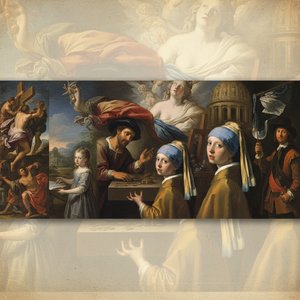
ბարოკოს ეტალონები: 10 შედევრი, რომელმაც განსაზღვრა ეს სტილი | TopImpressionists
აღმოფრთოვანდით ბაროკოს ეპოქის 10 უმშვენიერეს შედევრთან! კარავაჯო, რემბრანდტი და ვერმეერი – გი tanıtեք ამ დიდებულ ხელოვანებს. იხილეთ მათი საუკეთესო ნაშრომები და შექმენით თქვენი სახლისთვის უნიკალური დეკორი TopImpressionists-თან!

ბაროკოს ეპოქის დრამატიზმი: როგორ შევიტანოთ მარადიული ელეგანტურობა და დიდგვაროვანი შტრიხები თქვენს ინტერიერში
აღმოაჩინეთ ბაროკოს ეპოქის დრამატული სილამაზე TopImpressionists-თან ერთად. ჩვენ გთავაზობთ მსოფლიო დონის ხელნაკეთი ზეთოვანი რეკრედიციების ექსკლუზიურ კოლექციას, რომელიც თქვენს ინტერიერს მარადიულ ელეგანტურობას და დიდგვაროვან შტრიხებს შესძენს. უმაღლესი ხარისხი და ავთენტური ხელოვნება.