

 ნახვა ინტერьерში
 გაგზავნა
 გაზიარება
 დეტალები
 გზამკვლევი

 ჩამოტვირთვა
 მსგავსები
 რენტგენოგრაფიული კვლევა
 სლაიდშოუ
 კითხვა-პასუხი
 სტატისტიკა
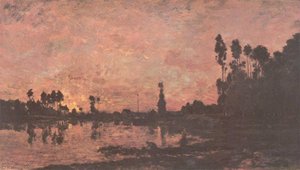
Evening on the Oise

- 99.0 x 200.0 cm


Experience Charles-François Daubigny’s serene ‘Evening on the Oise,’ a captivating 1863 landscape painting showcasing atmospheric impressionism and a tranquil river scene perfect for art lovers to admire or own.
 სრული ტექსტის ნახვა
ჩარლზ-ფრანსუა დობინია (1817-1878) ბარბიზონის სკოლის წარმომადგენელი და იმპრესიონიზმის წინამორბედი ფრანგი მხატვარი. აღმოაჩენით მისი ემოციური პეიზაჟები, როგორიცაა "მოსავალი" და იგრძნობთ სინათლის განსაცვიფრებელი თამაშს TopImpressionists-ზე.
გიკლე / ხელოვნების პრინტი
მუზეუმის დონის ჟიკლე ან ტილოზე ბეჭდვა სწრაფი წარმოებისა და დასრულების მოქნილი ვარიანტებით. ( შეიძინეთ ხელით შესრულებული ნახატი გადასვლა ციფრულ გამოსახულებაზე)




P118B ₾10

P118H ₾10

P118W ₾10

P438Z ₾10

P508JH ₾12

P508YH ₾12

P805H ₾10

P805Z ₾10

P919BZ ₾10

P919G ₾10

P919XJ ₾10

P959ZH ₾10

P968JZ ₾12

W106C ₾8

W218G ₾10

W218JH ₾8

W218Y ₾10

W307PJ ₾10

W316G ₾10

W316PJ ₾8

W316Y ₾10

W398PJ ₾8

W4111J ₾10

W500HY ₾15

W500JH ₾15

W692G ₾12

W849H ₾8

W940BG ₾15

W953PJ ₾8




სტანდარტული ზომა
ინდივიდუალური ზომა
CM
INCH
აირჩიეთ ჩვენს მიერ წინასწარ განსაზღვრული ზომებიდან, რომლებიც ნაწარმოების ორიგინალურ პროპორციებს შეესაბამება.
Loading sizes...

სიგანე
სიმაღლე
შეიყვანეთ თქვენთვის საჭირო სიგანე და სიმაღლე, რათა იგი მოერგოს თქვენს ჩარჩოს ან კედელს. ბეჭდვისას შესაძლებელია მხოლოდ მისი შემცირება და არა გაზრდა, ამიტომ სხვა ფორმის ზომის შემთხვევაში გამოსახულება ნაწილობრივ იკარგება. სანამ რაიმეს დაბეჭდავთ, ჩვენ გამოგიგზავნით ციფრულ მაკეტს დასდასტურებლად. ამ გვერდზე ნაჩვენები სურათი არ ასახავს რეალურ ჭრას — ამას მხოლოდ მაკეტი გვიჩვენებს.
მიწოდება მთელ მსოფლიოში () 2 კვირაში, სტანდარტული 4/5 კვირის ნაცვლად. (5 ნოემბერი)

უფასო ექსპრეს მიწოდება მთელ მსოფლიოში

მაღალი ხარისხის ტილო

ტრანსპორტირების სრული დაზღვევა

საბაჟო გადასახადების დაბრუნების გარანტია

ფერების სრული შესაბამისობის გარანტია

დაბრუნების 100-დღიანი პერიოდი (მხოლოდ წარმოების დეფექტის შემთხვევაში)

100% თანხის სრული დაბრუნების გარანტია

ფასდაკლება დიდი რაოდენობით შეკვეთისას
 მინის ჩარჩოს არჩევანი ხელმისაწვდომია მხოლოდ 110 სმ-მდე ზომისთვის

Evening on the Oise
გიკლე / ხელოვნების პრინტი
რეპროდუქციის ზომა
-


ჯამური ღირებულება
₾ 182
Charles-François Daubigny’s “Evening on the Oise”: A Symphony of Light and Leisure
Evening on the Oise, painted in 1863 by Charles-François Daubigny, is more than just a depiction of a riverbank; it's a carefully constructed meditation on light, atmosphere, and the simple pleasures of rural life. Measuring 99 x 200 cm, this canvas captures a quintessential French scene – the Oise River meandering through a verdant landscape, dotted with figures engaged in quiet pursuits. Daubigny, a pivotal figure in the development of Atmospheric Impressionism, masterfully translates his observations of nature into a work brimming with nuanced color and a palpable sense of tranquility.
- A Pioneer’s Vision: Daubigny's artistic journey was marked by a deliberate rejection of rigid academic conventions. Influenced by his travels to Italy – particularly the landscapes of the region – he sought to represent nature not as an idealized subject for historical or mythological narratives, but as it existed in its raw, fleeting beauty.
- Technique and Color: The painting’s remarkable luminosity stems from Daubigny's innovative use of color and brushwork. He employed broken strokes and juxtaposed complementary hues – blues and oranges, greens and purples – to create a shimmering effect, mimicking the play of light on water and foliage. This technique, anticipating the later developments of Impressionism, prioritizes the immediate sensory experience over precise representation.
The Essence of Atmospheric Impressionism
Daubigny’s approach aligns perfectly with the burgeoning movement of Atmospheric Impressionism, which sought to capture not just the subject matter but also the *impression* of a scene – its mood, light, and atmosphere. Unlike earlier landscape painters who meticulously rendered every detail, Daubigny focused on conveying the ephemeral qualities of the environment. The hazy evening light, diffused through the trees, is particularly striking, creating a sense of depth and mystery. Notice how he uses subtle gradations of color to suggest the movement of water and the shifting shadows cast by the foliage.
- Plein Air Painting: Daubigny was a fervent advocate for *plein air* painting – working directly outdoors – believing it essential for accurately capturing natural light. This commitment is evident in the freshness and immediacy of his brushwork.
- Social Context: The mid-19th century witnessed a growing interest in leisure activities and the beauty of the French countryside. Daubigny’s painting reflects this trend, depicting figures enjoying a peaceful evening by the river – a scene that resonated with the aspirations of a burgeoning middle class.
Symbolism and Emotional Impact
Beyond its technical brilliance, Evening on the Oise possesses a quiet emotional resonance. The scattered figures, engaged in simple activities like boating and sketching, evoke a sense of serenity and connection with nature. The river itself symbolizes fluidity, change, and the passage of time – themes frequently explored in art throughout history. The composition invites the viewer to step into the scene, to share in the tranquility and contemplate the beauty of the natural world. Daubigny’s ability to evoke such a profound sense of peace is a testament to his artistic skill and his deep understanding of the human condition.
- Historical Significance: This painting represents a crucial moment in the development of French landscape art, foreshadowing the innovations of Impressionism.
- Perfect for Your Space: A hand-painted reproduction of this artwork will bring a touch of timeless elegance and tranquility to any interior space – from a formal living room to a serene bedroom.
კითხვები და პასუხები
რისთვის არის რეკომენდებული "Evening on the Oise"-ის პრინტის გამოყენება?
შარლ-ფრანსუა დობინი-ის „Evening on the Oise“-ის რეპროდუქცია რეკომენდებულია Accent-ისთვის. ეს შეკვეთა ეფუძნება ნამუშევრის შინაარსს, განწყობასა და ფერებს.
რა ფერთა ჰარმონიას ასطრეკებს შარლ-ფრანსუა დობინი-ის „Evening on the Oise“?
შარლ-ფრანსუა დობინი-ის „Evening on the Oise“ წარმოადგენს Unified Palette ფერთელას ჰარმონიას.
რომელი ფერია ყველაზე თვალსაჩინო „Evening on the Oise“-ში?
ნამუშევარში "Evening on the Oise" ყველაზე თვალსაჩინო ფერია Gray (#8e826b). დომინანტური ფერის ცოდნა სასარგებლოა ნამუშევრის ინტერიერთან შესაბამისობისთვის.
მსგავსი ნამუშევრები


მხატვრის ბიოგრაფია
ჩარლზ-ფრანსუა დობინის ცხოვრება და შემოქმედება: ატმოსფერული იმპრესიონიზმის პიონერი
ჩარლზ-ფრანსუა დობინი, რომელიც დაიბადა 1817 წელს პარიზში, მხატვრული ტრადიციების მდიდარი ოჯახიდან წარმოიშვა – მისი მამა, Edmé François Daubigny და ბიძა, Pierre Daubigny, ორივე მხატვარი, ადრეულ მომზადებაში საფუძველს აყალიბებდნენ. თუმცა, ახალგაზრდა ჩარლზი სწრაფად შეეცადა საკუთარი გზის forging, აკადემიური შეconstraints-დან გადახვევა და ბუნებასთან უფრო პირდაპირი კავშირის დამყარება. მისი პირველი შესწავლა Paul Delaroche-თან ტექნიკურ უნარებს აძლევდა, მაგრამ 1836 წელს იტალიაში მოგზაურობამ, რომელიც დამოუკიდებლად Henri Mignan-თან ერთად განხორციელდა, ნამდვილად გაანძრიალა მისი მხატვრული ხედვა. ამ გამოცდილებამ მასში ღრმა appreciation landscape-ის მიმართ ჩამოყალიბა და სურვილი გაუჩნდა მისი არსების აღcapture არა როგორც იდეალიზებული სცენა, არამედ როგორც ცოცხალი, სუნთქავი সত্তা. პარიზში დაბრუნებულმა დობინიმ კომერციულ სამუშაოს – წიგნების ილუსტრირება და დეკორატიული პანელები – თავისი მზარდი passion plein air ხატვისთვის გაა均衡ა, რაც მის კარიერას განსაზღვრავდა. ის იყო Rue des Amandiers-Popincourt-ის მხატვრული საზოგადოების წევრი, რომელიც თანამშრომლობას და ახალი მიდგომების საერთო შესწავლას ხელს უწყობდა.ბარბიზონის წრე და ბუნებასთან სიახლოვე
დობინის მხატვრული ტრაექტორიამ გადამწყვეტი turning point 1843 წელს აიღო, როდესაც ის Barbizon-ში დამკვიდრდა, პატარა სოფელში, რომელიც Fontainebleau-ის ტყესთან მდებარეობს. ეს იყო მისი formal association Barbizon School-თან, მხატვრების ჯგუფი, რომლებმაც აკადემიური ხატვის გაპრიალებული artificiality უარყო და პირდაპირი დაკვირვება და სოფლის ცხოვრებისა და landscape-ის honest representation ამჯობინეს. ადრეულ landscape-ის მხატვრებს, რომლებიც ხშირად გარეთ sketching-ს აკეთებდნენ და თავიანთ ნამუშევრებს სტუდიოში ასრულებდნენ, Barbizon School-ის მხატვრებმა – მათ შორის Théodore Rousseau, Jean-François Millet და Camille Corot – *en plein air* ხატვა fundamental principle-ად მიიღეს. დობინის მეგობრობა Corot-თან განსაკუთრებით influential აღმოჩნდა; ერთად ისინი Fontainebleau-ის ტყეებს explore-ობდნენ, capturing light-ისა და atmosphere-ის subtle nuances. სწორედ ამ პერიოდში ჩარლზმა გამოგონა მისი ინოვაციური “Botin”, ნავი, რომელიც სტუდიოდა გადაკეთდა და გამოიყენა საფრანგეთის მდინარეებზე – განსაკუთრებით Seine-ზე და Oise-ზე – ნავიგაციისთვის, რაც მას unprecedented access diverse landscape-ებს აძლევდა და ბუნებასთან intimate connection-ს ხელს უწყობდა. ეს mobile studio გახდა მისი მხატვრული practice-ის სინონიმად, სიმბოლიზირებდა მის commitment-ს ხატვისთვის პირდაპირ სიცოცხლისგან.რეალიზმსა და იმპრესიონიზმის შორის ხიდი
დობინის ნამუშევარი 19th საუკუნის ხელოვნების ისტორიაში უნიკალურ პოზიციას იკავებს, რაც Barbizon School-ის რეალიზმსა და emerging impressionistic movement-ს შორის crucial link-ია. მიუხედავად იმისა, რომ მყარად არის rooted Barbizon tradition-ში ბუნების fidelity-ითა და sincerity-თ depiction-ში, მისი ხატვები სულ უფრო atmospheric effects-ებს, fleeting moments of light-სა და subjective perception-ს emphasis-ობენ – qualities, რომლებიც Monet-ის, Renoir-ისა და მათი contemporaries-ის innovations-ს foreshadow-ობენ. მან გამოცადა techniques, როგორიცაა *cliché verre*, პროცესი, რომელიც photography-ს printmaking-თან აერთიანებს, რაც ახალი technologies-ების მიმართ openness-ს demonstriრებდა და artistic possibilities-ებს წარმოადგენდა. მისი landscape-ები ხასიათდება broad, loose brushstrokes-ებით, muted palette-ით და light-ისა და weather-ის ephemeral qualities-ის capturing-ზე focus-ით. ნამუშევრები, როგორიცაა “Harvest” (1857) და “The Ponds of Gylieu” (1864), exemplify მისი ability evoke mood-ისა და atmosphere-ის გრძნობა, გადაჰყავს მაყურებელი საფრანგეთის სოფლის გულში. ის მხოლოდ იმას არ recording-ობდა, რისი ნახვაც შეეძლო; ის convey-ობდა *how* felt-ს იმ მომენტში ყოფნა.მემკვიდრეობა და lasting influence
ჩარლზ-ფრანსუა დობინი გარდაიცვალა 1878 წელს პარიზში, დატოვა მდიდარი artistic legacy, რომელიც დღესაც resonance-ს ინარჩუნებს. მისი influence გაშლილა მის immediate circle-ის students-ზე – მათ შორის Karl, Achille Oudinot და Hippolyte Camille Delpy – inspire generations of landscape painters. ის იყო instrumental Barbizon School-სა და emerging Impressionist movement-ს შორის კავშირების fostering-ში, Claude Monet-ისა და Paul Cézanne-ს წარუდგინა ახალი ways of seeing and painting. მისი commitment *plein air* ხატვისთვის, atmospheric effects-ების შესწავლა და innovation-ის მიღებამ საფუძველი ჩაუყარა radical artistic transformations-ს, რომელიც late 19th century-ს განსაზღვრავდა. დობინის ხატვები ახლა major museums-ში ინახება მთელ მსოფლიოში, მათ შორის Musée d'Orsay პარიზში და Cincinnati Art Museum, რაც მისი enduring contribution-ის testament-ია ხელოვნების ისტორიაში. ის რჩება pivotal figure – atmospheric realism-ის master-ი, რომელმაც Impressionism-ის arrival-ს anticipate-ა და modern painting-ის მიმდინარეობას შეუწყო ხელი.Notable Works
- Harvest (1857): quintessential example დობინის ability capture rural life and atmosphere, ახლა housed in Musée d'Orsay.
- The Ponds of Gylieu (1864): demonstriრებს მის mastery landscape painting-ში და atmospheric perspective-ში, ამჟამად Cincinnati Art Museum-ში.
- Moonlight (1865): showcases დობინის skill rendering nocturnal scenes with subtle light effects.
- Auvers-sur-Oise (1868): captivating depiction საფრანგეთის სოფლის, reflecting მისი deep connection region-თან.
- Seascape (1876): impressionistic depiction waves-ისა და coastal beauty-ის.

შარლ-ფრანსუა დობინი
1817 - 1878 , საფრანგეთი
მოკლე ფაქტები
- Artistic Movement Or Style: ბარბიზონის სკოლა, იმპრესიონიზმი
- Artists Or Movements Influenced By This Artist:
- Claude Monet
- Paul Cézanne
- Artists Who Influenced This Artist: ['Camille Corot']
- Date Of Birth: 15 თებერვალი, 1817
- Date Of Death: 19 თებერვალი, 1878
- Full Name: Charles-François Daubigny
- Nationality: ფრანგი
- Notable Artworks (List Of Titles):
- Harvest (1857)
- Ponds of Gylieu
- Place Of Birth (City And Country): პარიზი, საფრანგეთი
მსგავსი სტატიები

Capturing the Light: A Journey Through the Soul of American Impressionism and the Hudson River School
Explore the luminous beauty of American Impressionism and the Hudson River School. Discover a curated journey through light, landscape, and history, celebrating the enduring legacy of masters through exquisite, hand-painted oil reproductions for the discerning art lover.
აღმოაჩინეთ ხელოვნების ნაწარმოებები თემების, სტილისა და მახასიათებლების მიხედვით დაჯგუფებული.

