


 ნახვა ინტერьерში
 გაგზავნა
 გაზიარება
 დეტალები
 გზამკვლევი

 ჩამოტვირთვა
 მსგავსები
 რენტგენოგრაფიული კვლევა
 სლაიდშოუ
 სტატისტიკა
მშვილდა
 აკრილი ტილოზე
- კედლის დეკორი
- იმპრეს იონიზ მ
 1875
1875 81.0 x 60.0 cm
გაი khámარება კლოდ მონეს მშვილდამ სინამდვილი სილამაზის და ნორმანდიის ტყეების მშვიდობიან გარემოს კონტექსტს. შესწავლი სურათის ტექნიკას და მნიშვნელობას და შეაერთე მუზეუმი დორის და გაიგებაเพิ่มเติม TopImpressionists-ზე.
 სრული ტექსტის ნახვა
აღმოაჩინეთ კლოდ მონეს სამყარო, იმპრესიონიზმის ოსტატის, რომელიც ცნობილია წარმავალი სინათლისა და ფერების გადაცემით ისეთი საკულტო პეიზაჟებით, როგორიცაა „წყლის იალაღები“ და „ჭარხალები“.
ხელით შესრულებული ზეთის საღებავით რეპროდუქცია
ტილოზე შესრულებული ფერწერიანი ზეთប្រდათი, თქვენთვის სასურველი ზომისა და ჩარჩოსთვის, ჩვენი ხელოვანების მიერ შეკვეთის საფუძველზე დამზადებული. ( გადართვა ბეჭდვის რეჟიმზე გადასვლა ციფრულ გამოსახულებაზე)




P118B ₾10

P118H ₾10

P118W ₾10

P438Z ₾10

P508JH ₾12

P508YH ₾12

P805H ₾10

P805Z ₾10

P919BZ ₾10

P919G ₾10

P919XJ ₾10

P959ZH ₾10

P968JZ ₾12

W106C ₾8

W218G ₾10

W218JH ₾8

W218Y ₾10

W307PJ ₾10

W316G ₾10

W316PJ ₾8

W316Y ₾10

W398PJ ₾8

W4111J ₾10

W500HY ₾15

W500JH ₾15

W692G ₾12

W849H ₾8

W940BG ₾15

W953PJ ₾8




სტანდარტული ზომა
ინდივიდუალური ზომა
CM
INCH
აირჩიეთ ჩვენს მიერ წინასწარ განსაზღვრული ზომებიდან, რომლებიც ნაწარმოების ორიგინალურ პროპორციებს შეესაბამება.
Loading sizes...

სიგანე
სიმაღლე
შეიყვანეთ თქვენთვის საჭირო სიგანე და სიმაღლე, რათა ნახატი მოერგოს თქვენს ჩარჩოს ან კედელს. ვინაიდან ეს ნამუშევარი ხელით არის შესრულებული, სხვა ფორმის ზომის შემთხვევაში, მხატვარმა შესაძლოა სურათის გარშემო ოდნავ მეტი დატოვოს ან შეამციროს — არჩევანი თქვენზეა. დაწყებამდე, დასამტკიცებლად, ჩვენ გამოგიგზავნით ციფრულ მაკეტს. ამ გვერდზე ნაჩვენები სურათი არ ასახავს რეალურ შედეგს — რეალური სახე მხოლოდ მაკეტზე ჩანს.
რა შეიძლება შეიცვალოს: სახის ჩანაცვლება მომხმარებლის ფოტოთი; შინაური ცხოველის დამატება (მაგ., კატის ჩანაცვლება ძაღლით); ფონზე ფარული შეტყობინების დამატება; ფონის პეიზაჟის ან ელემენტების შეცვლა.
შეკვეთის შემდეგ, TopImpressionists.com გუნდი დაგიკავშირდებათ ელექტრონული ფოსტით ინსტრუქციებისთვის და გამოგიგზავნით წინასწარ ნახაზს (mockup).
შეკვეთის შემდეგ, TopImpressionists.com გუნდი დაგიკავშირდებათ ელექტრონული ფოსტით ინსტრუქციებისთვის და გამოგიგზავნით წინასწარ ნახაზს (mockup).
მიწოდება მსოფლიო მასშტაბით -ში 3/4 კვირაში, სტანდარტული 5 კვირის ნაცვლად. (24 ოქტომბერი). ხარისხზე კომპრომისის გაკეთება არ მოხდება.

უფასო ექსპრეს მიწოდება მთელ მსოფლიოში

მაღალი ხარისხის ტილო

ტრანსპორტირების სრული დაზღვევა

საბაჟო გადასახადების დაბრუნების გარანტია

ფერების სრული შესაბამისობის გარანტია

დაბრუნების 100-დღიანი პერიოდი (მხოლოდ წარმოების დეფექტის შემთხვევაში)

100% თანხის სრული დაბრუნების გარანტია

ფასდაკლება დიდი რაოდენობით შეკვეთისას
 მინის ჩარჩოს არჩევანი ხელმისაწვდომია მხოლოდ 110 სმ-მდე ზომისთვის

მშვილდა
რეპროდუქციის ტექნიკა
რეპროდუქციის ზომა
-


ჯამური ღირებულება
₾ 701
A Symphony of Light and Color: Exploring Claude Monet’s ‘Spring’
Claude Monet, arguably the father figure of Impressionism, didn't merely depict landscapes; he wrestled with capturing fleeting moments—the ephemeral dance between sunlight and shadow—transforming ordinary scenes into extraordinary expressions of emotion. Born in Paris on November 14, 1840, his formative years were spent amidst the bustling port city of Le Havre, Normandy, where his family relocated when he was just five. This early exposure to the sea’s shifting moods instilled within him a lifelong fascination with observing and recording natural phenomena—a passion that would become the cornerstone of his artistic vision. While initially pursuing a path toward commercial success dictated by his father, Monet's innate talent for drawing quickly shone through, earning him recognition as a young artist who captivated audiences with his evocative charcoal sketches. However, it was Eugène Boudin’s influence that truly revolutionized Monet’s approach to painting. Boudin championed *plein air*—painting outdoors directly from nature—a radical departure from the studio traditions of the time. Recognizing Boudin's profound understanding of light and color, Monet embraced this method wholeheartedly, embarking on a journey to translate the immediacy of observation onto canvas. This pivotal encounter cemented his belief that art should strive to mirror the sensory experience of life itself.The Painting: A Serene Landscape Embodied in Impressionistic Technique
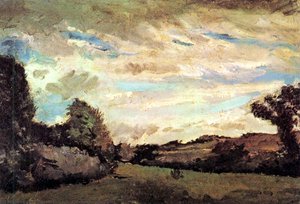
Measuring 81 x 60 cm and executed in oil on canvas, Monet’s ‘Spring’ presents a deceptively simple vista—a verdant meadow dotted with blossoming trees against a backdrop of softly diffused clouds. Yet, within this tranquil composition lies an astonishing level of artistic sophistication. Monet skillfully employs broken brushstrokes—tiny, irregular marks of pigment—to recreate the shimmering quality of sunlight filtering through foliage and illuminating the petals of wildflowers. The palette is dominated by greens – ranging from pale celadon to deeper emerald – punctuated by splashes of lavender and peach, capturing the vibrant hues of springtime blossoms. Careful attention to tonal gradation creates depth and atmosphere, inviting viewers into a realm where perception reigns supreme.Historical Context: Impressionism's Rebellion Against Academic Conventions
‘Spring’ emerged during a period of significant artistic upheaval—the rise of Impressionism challenged the rigid rules imposed by the Académie Royale de Peinture et de Sculpture in Paris. Artists like Monet rejected idealized representations and historical narratives, favoring instead subjective impressions of reality. They sought to capture not what the eye *sees*, but what it *feels*. This rejection of convention stemmed from a broader intellectual movement questioning established dogma and embracing scientific discoveries concerning optics—particularly Fresnel’s work on diffraction—which demonstrated that light bends around obstacles rather than traveling in straight lines. Monet's embrace of *plein air* was thus not merely an aesthetic preference; it represented a fundamental rethinking of artistic practice itself.Symbolism Beyond Beauty: Capturing the Essence of Renewal
The imagery within ‘Spring’ transcends mere visual delight, resonating with deeper symbolic meanings rooted in Romantic and Pre-Raphaelite traditions. The meadow symbolizes fertility and rebirth—a visual embodiment of the season's promise—while the blossoming trees represent growth, vitality, and the cyclical nature of life. Monet’s deliberate use of color – particularly lavender and peach – evokes feelings of tranquility and nostalgia, hinting at memories of past summers and anticipating the joys of future seasons. These subtle nuances elevate ‘Spring’ beyond a picturesque landscape into an exploration of human emotion and spiritual contemplation.Legacy in Modern Art: An Enduring Influence on Generations of Painters
Claude Monet's groundbreaking approach to painting continues to inspire artists today, demonstrating the enduring power of observation and experimentation. His influence can be seen across numerous artistic movements—from Fauvism to Abstract Expressionism—where painters sought to liberate color from representational constraints. The Musée d’Orsay houses a substantial collection of Monet’s works, including his iconic series paintings like Haystacks and Rouen Cathedral, providing invaluable insight into the evolution of Impressionist technique and aesthetic ideals. These masterpieces stand as testament to Monet's unwavering commitment to capturing the fleeting beauty of the natural world—a legacy that ensures ‘Spring,’ and indeed Monet himself, will remain eternally relevant in the annals of art history.კითხვები და პასუხები
საიდან მოდიან კლოოდ მონე-ის „მშვილდა“-ის სტუმრები?
სტატისტიკა კლოოდ მონე-ის „მშვილდა“-ის შესახებ მოცემულია ნამუშევრის სტატისტიკა გვერდზე: ნამუშევრის ყოველთვიური ნახვები, ხელოვანის სხვა ნამუშევრების ნახვები, ასევე ბოლო პერიოდის ვიზიტორთა განაწილება ქვეყნებისა და ენების მიხედვით.
არსებობს თუ არა გაიდი კლოოდ მონე-ის „მშვილდა“-ისთვის?
გზამკვლევი „მშვილდა“-ისთვის არის ნამუშევრის გზამკვლევი გვერდი - დასაბეჭდი ფაქტების ფურცელი, რომელიც წარმოაჩენს ნამუშევარს თავისი აღწერილობით, ავტორობის მითითებითა და იდენტიფიკაციის ცხრილით (ავტორი, თარიღები, ტექნიკა, ორიგინალის ზომა, კოლექცია).
როგორ არის რეკომენდებული "მშვილდა"-ის ბეჭდვა - რა ზომით და რა ორიენტაციით?
დიდი ზომა, ჰორიზონტალური ორიენტაცია ორიენტაცია: ეს არის კლოოდ მონე-ის „მშვილდა“-ისთვის რეკომენდებული ბეჭდვის პარამეტრი.
მსგავსი ნამუშევრები


მხატვრის ბიოგრაფია
แสงและເວລາ: კლოდ მონეს სამყარო
კლოდ მონე, რომლის სახელიც სინონიმად არის ქცეული იმპრესიონიზმისთვის, არ იყო მხოლოდ პეიზაჟების მხატვარი; ის იყო მომენტების ფლაკიანი ქრონიკისტი, ნათებისა და ფერის ποιητής. დაიბადა პარიზში, 1840 წლის 14 ნოემბერს, მისი ადრეული ცხოვრება ఊహించ 못한ამ გადაინაცვლა ნორმანდიის ჰავრში, ხუთი წლის ასაკში. თავდაპირველად, მამის სურვილით, იგი უნდა ეწარმოებოდა კომერციულ საქმიანობას, მაგრამ ახალგაზრდა კლოდის 타고난 მხატვრული ნიჭი hızla გამოჩნდა, პირველად ნახევრად გამ투მანირი კარიკატურების სახით, რომლებიც ადგილობრივად იყიდებოდა – ეს იყო მისი უნარის და მეწარმე 정신ის 증거. თუმცა, გადამწყვეტი მომენტი მისი ევგენ ბუდანთან შეხვედრა იყო. ბუდანმა მონეს לא רק ისสอนა, როგორ უნდა დავხატოთ, არამედ მას революционный идеяც ჩაანერგა – απευθείας طبیعتից വരვა (en plein air), რაც განსაზღვრავდა მისი მთელი కళეწარმოების გზას.
მონეს ფორმალური განათლება დაიწყო პარიზში, თავდაპირველად აკადემია სუიზში და მოგვიანებით შარლ გლეირის სახელოსნოში. სწორედ აქ მან მუდმივ მეგობრებთან, ოსტე რენუართან გაიცნო, ურთიერთობა რომელიც აყალიბდა ortak కళეწარმოების разочарования და ტრადიციული აკადემიური ζωγραφების შეზღუდვიდან გამოსვლის სურვილით. მისი ადრეული ნაშრომები, რომლებიც გამოჩენილია ტექნიკური ਮੁხარათით, ნაკლებად χαρακτηρίζება იმ უнікаლი ხმისას, რომელიც მოგვიანებით მის სტილს განასახიერებდა. მას შემდეგ მოყვა შეტაკებების პერიოდი – ფრანკო-პრუსული ომმა მონე вынужденно თავს აიფარა ლონდონში, სადაც ის погрузился ინგლისელი пейзажистов, როგორიცაა ჯონ კონსტაბლის და ਜੋზეფ ტურნერის ნაშრომებში, შეიცვალა მათი атмосферის эффекты და ფერის инноваციული გამოყენება.
ესთეტიკური რევოლუციის დაბადება
საფრანგეთში დაბრუნების შემდეგ მონე გახდა emerging కళეწარმოების აღზევების ცენტრალური პირი. недовольные კონსერვატული სტանդრტებით, მან გაერთიანდა მსგავსი აზროვნების მქონე სხვა მხატვრებთან და స్వતంత్ర გამოფენების διοργάνოზაციისთვის. 1874 წლის გამოფენა აღმოჩნდა გარდამტეხი მომენტი не только მონისთვის, არამედ მთელი ხელოვნების სამყაროსთვის. სწორედ აქ იყო წარდგენილი მისი ტილო “Impression, soleil levant” (ასვლა მზის შთაბეჭდილება), რომელმაც გამოიწვია "იმპრესიონიზმის" სახელწოდების წარმოშობა – ჰავრის პორტის ნათლილი დილის გამოსახულება. თუმცა, ეს სახელი დარჩა და გადაიქცა గౌరვավոր სიმბოლოდ იმ მოძრაობისთვის, რომელიც стремился შეცვალოს сцены უფრო субъекტური *შთაბეჭდილების* აღქმით, ვიდრე მათი точное წარმომადგენლობით.
მონეს ხასიათიერებული სტილი ამ პერიოდში расцвел: χαλαρές, видимые мазки кистью, яркие и часто не смешанные цвета, нанесенные рядом друг с другом (техника, известная как «разбитый цвет»), и непоколебимое внимание к захвату мимолетных качеств света. ის неустанно продолжал свою практику en plein air, быстро работая, чтобы запечатлеть свои непосредственные восприятия до того, как меняющиеся условия изменят сцену. ეს не просто было изображением того, что он *видел*, а скорее того, как он *чувствовал* в ответ на это – радикальное отклонение от художественных конвенций.
გივერნი: ნათებისა და отражений Рай
1883 წელს მონე დასახლდა გივერნიში, პარიზის ჩრდილო-დასავლეთით, სადაც შეიძინა სახლი და ბაღი, რომელიც როგორც მისი თავშესაფარი, ასევე მისი вдохновения უდიდესი წყარო გახდა. მან тщательно გადააქცია ქონება пышным райским садом, რომელშიც შედიოდა экзотические цветы, ტიხისფოთლოვანი ხეები და ყველაზე ცნობილი – იაპონური мостаთი გადაჭიმული водный бассейн. ეს не просто был декоративный сад; это была живая лаборатория, где Monet мог изучать эффекты света на воде, листве и отражениях в контролируемых условиях.
მისი ζωής последние десятилетия были почти полностью посвящены живописи водных лилий в Гурни. Он начал монументальную серию «Водные лилии» (Nymphéas), создавая огромные полотна, изображающие поверхность пруда как постоянно меняющуюся мозаику цвета и света. Это были не просто картины цветов; это были захватывающие дух произведения искусства, предназначенные для того, чтобы полностью погрузить зрителя в мир безмятежной красоты и созерцательного спокойствия. Масштаб этих работ поражает, расширяя границы традиционной живописи и предвосхищая абстрактный экспрессионизм.
მემკვიდრეობა: ხელოვნების ისტორიაზე გრძელი സ്വാვლის
კლოდ მონეს გავლენა ხელოვნების ისტორიაზე невозможноა შეფასება. ის не только был основателем импрессионизма; он фундаментально изменил то, как художники воспринимали и представляли окружающий мир. მისი субъекტური გამოცდილების акцент, en plein air ζωγραφების მიღწევა და инноваციული ტექნიკები გააპირობა თანამედროვე ხელოვნების абстракции და непредставительных ფორმების შესწავლა.
მონე достигнул значительного коммерческого успеха при жизни – редкость для авангардных художников того времени. Его работы продолжают вдохновлять и восхищать публику по всему миру, укрепляя его место в качестве одной из самых важных фигур западного искусства. Он умер 5 декабря 1926 года, оставив после себя наследие, которое резонирует через поколения художников и любителей искусства.
ძირითადი కళეწარმოების ტექნიკები
- En plein air ζωγραφება: მისი განვითარებისთვის გადამწყვეტი, რომელიც საშუალებას აძლევდა ნათლისა და атмосфеρας პირდაპირი 관찰.
- Разбитый цвет: чистых цветов небольшими мазками рядом друг с другом для оптического смешивания.
- Серийная живопись: изображать один и тот же объект в разных условиях освещения и погоды – демонстрируя преобразующую силу времени и света.

კლოოდ მონე
1840 - 1926 , საფრანგეთი
მოკლე ფაქტები
- Artistic Movement Or Style: იამპრესიონიზმი
- Artists Or Movements Influenced By This Artist: ['მოდერნიზმი']
- Artists Who Influenced This Artist:
- ეუგენ ბუდინი
- ჯონ კონსტაბლი
- ტურნერი
- Date Of Birth: 1840 წლის 14 ნოემბერი
- Date Of Death: 1926 წლის 5 დეკემბერი
- Full Name: ოსკარ-კლოდ მონე
- Nationality: ფრანგი
- Notable Artworks:
- მთვარის ამოსვლა
- ყვავილებანი (წყლის იოხაში)
- გუთნის მალი
- რუანის საკათედრო ტაძარი
- Place Of Birth: პარიზი, საფრანგეთი
მსგავსი სტატიები

Capturing Light: The Revolution of Impressionism and the Eternal Legacy of Claude Monet
Explore the revolutionary world of Claude Monet and Impressionism. Discover how the mastery of light and color transformed art history, from plein air landscapes to the iconic Water Lilies series, and learn how to bring this timeless elegance into your home decor.

ტოპ 10 შედევრი, რომელმაც განსაზღვრა "ანტვილის იმპრესიონისტული ლანდშაფტი"
აღმოფრთოვანდით იმპრესიონიზმის ლეგენდის 10 შედევრით! მონე, რენუარი და სხვა მოწინავეები. იხილეთ მათი ფერადი ლანდშაფტები და აღმოაჩინეთ ხელოვნების რეპროდუქციები TopImpressionists-ზე. სახლის დეკორისთვის იდეალური!

პარიზის მუზეუმ ორსეს 25 შედევრი: ხელოვნების ისტორია თქვენს სახლში
გაიცანით პარიზის მუზეუმ ორსეს 25 შედევრი! მონე, ვან გოგი, დეგა და სხვა იმპრესიონისტების ტილოები. ხელოვნების ისტორია, ტექნიკა და შთაგონება თქვენი სახლისთვის. შეიძინეთ მუზეუმის ხარისხის რეპროდუქციები TopImpressionists.com-ზე!

კლოდ მონეს 25 შედევრი: შთაბეჭდილების ისტორია თქვენს სახლში | TopImpressionists
გაიცანით კლოდ მონეს 25 შედევრი! იმპრესიონიზმის ისტორია, წყლის ლილიებიდან გარეუბნის ხედებამდე. TopImpressionists-ში ნახატების უმაღლესი ხარისხის რეპროდუქციები და ინტერიერის დიზაინის იდეები. აღმოაჩინეთ ხელოვნების სილამაზე ონლაინ!

Impressionistic Landscapes: 10 Masterpieces That Changed Art & Decor
Journey into the heart of Impressionism! Explore 10 masterpieces by Monet, Renoir & Degas that revolutionized landscape art. Discover their stories, techniques & find museum-quality reproductions to elevate your home decor on TopImpressionists.com.
აღმოაჩინეთ ხელოვნების ნაწარმოებები თემების, სტილისა და მახასიათებლების მიხედვით დაჯგუფებული.


