

 ნახვა ინტერьерში
 გაგზავნა
 გაზიარება
 დეტალები
 გზამკვლევი

 ჩამოტვირთვა
 მსგავსები
 რენტგენოგრაფიული კვლევა
 სლაიდშოუ
 კითხვა-პასუხი
 სტატისტიკა
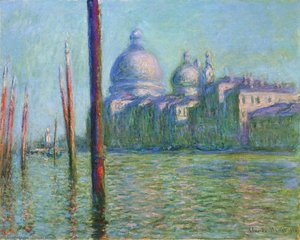
The Grand Canal


Experience Claude Monet's 'The Grand Canal,' a vibrant depiction of Venice’s iconic waterway. Capturing light and atmosphere, this Impressionist masterpiece showcases the beauty of the city.
 სრული ტექსტის ნახვა
აღმოაჩინეთ კლოდ მონეს სამყარო, იმპრესიონიზმის ოსტატის, რომელიც ცნობილია წარმავალი სინათლისა და ფერების გადაცემით ისეთი საკულტო პეიზაჟებით, როგორიცაა „წყლის იალაღები“ და „ჭარხალები“.
გიკლე / ხელოვნების პრინტი
მუზეუმის დონის ჟიკლე ან ტილოზე ბეჭდვა სწრაფი წარმოებისა და დასრულების მოქნილი ვარიანტებით. ( შეიძინეთ ხელით შესრულებული ნახატი გადასვლა ციფრულ გამოსახულებაზე)




P118B ₾10

P118H ₾10

P118W ₾10

P438Z ₾10

P508JH ₾12

P508YH ₾12

P805H ₾10

P805Z ₾10

P919BZ ₾10

P919G ₾10

P919XJ ₾10

P959ZH ₾10

P968JZ ₾12

W106C ₾8

W218G ₾10

W218JH ₾8

W218Y ₾10

W307PJ ₾10

W316G ₾10

W316PJ ₾8

W316Y ₾10

W398PJ ₾8

W4111J ₾10

W500HY ₾15

W500JH ₾15

W692G ₾12

W849H ₾8

W940BG ₾15

W953PJ ₾8




სტანდარტული ზომა
ინდივიდუალური ზომა
CM
INCH
აირჩიეთ ჩვენს მიერ წინასწარ განსაზღვრული ზომებიდან, რომლებიც ნაწარმოების ორიგინალურ პროპორციებს შეესაბამება.
Loading sizes...

სიგანე
სიმაღლე
შეიყვანეთ თქვენთვის საჭირო სიგანე და სიმაღლე, რათა იგი მოერგოს თქვენს ჩარჩოს ან კედელს. ბეჭდვისას შესაძლებელია მხოლოდ მისი შემცირება და არა გაზრდა, ამიტომ სხვა ფორმის ზომის შემთხვევაში გამოსახულება ნაწილობრივ იკარგება. სანამ რაიმეს დაბეჭდავთ, ჩვენ გამოგიგზავნით ციფრულ მაკეტს დასდასტურებლად. ამ გვერდზე ნაჩვენები სურათი არ ასახავს რეალურ ჭრას — ამას მხოლოდ მაკეტი გვიჩვენებს.
მიწოდება მთელ მსოფლიოში () 2 კვირაში, სტანდარტული 4/5 კვირის ნაცვლად. (4 ნოემბერი)

უფასო ექსპრეს მიწოდება მთელ მსოფლიოში

მაღალი ხარისხის ტილო

ტრანსპორტირების სრული დაზღვევა

საბაჟო გადასახადების დაბრუნების გარანტია

ფერების სრული შესაბამისობის გარანტია

დაბრუნების 100-დღიანი პერიოდი (მხოლოდ წარმოების დეფექტის შემთხვევაში)

100% თანხის სრული დაბრუნების გარანტია

ფასდაკლება დიდი რაოდენობით შეკვეთისას
 მინის ჩარჩოს არჩევანი ხელმისაწვდომია მხოლოდ 110 სმ-მდე ზომისთვის

The Grand Canal
გიკლე / ხელოვნების პრინტი
რეპროდუქციის ზომა
-


ჯამური ღირებულება
₾ 182
The Grand Canal’s Shimmering Embrace: Monet's Venetian Reverie
Claude Monet’s “The Grand Canal,” painted in 1908 during a fleeting visit to Venice, isn’t merely a depiction of a waterway; it’s an immersion into the very soul of light and atmosphere. Captured at a pivotal moment in his career – a time when he was wrestling with the challenges of translating the ephemeral effects of light onto canvas – this work embodies Monet's radical Impressionist philosophy: to paint not what the eye *sees*, but what the eye *feels*. The painting, a cornerstone of his Venetian series, reveals a profound shift in his approach, moving beyond simple representation towards an exploration of color and its transformative power. It’s a testament to how a single location, viewed through the lens of a master's perception, can become a universe of shimmering sensations.
The scene unfolds with remarkable immediacy. A broad expanse of water dominates the composition, reflecting the vibrant hues of the Venetian sky and buildings in a dazzling dance of light and color. A dozen gondolas, rendered as dark silhouettes against the luminous backdrop, glide along the canal’s surface, their presence subtly suggesting the bustling life that teemed beneath the city's elegant facade. Prominently featured is the Santa Maria della Salute church, its iconic dome rising majestically above the scene – a beacon of faith and architectural grandeur. Monet doesn’t attempt to meticulously recreate every detail; instead, he strategically simplifies forms, prioritizing the play of light and shadow, and the overall impression of movement and atmosphere. The clock tower, a key element in the composition, adds a vertical anchor, drawing the eye upwards and emphasizing the vastness of the sky.
Monet’s Impressionist TechniqueMonet's brushstrokes are loose and visible, characteristic of the Impressionist style. He employed short, broken strokes of pure color – a technique he developed to capture the fleeting effects of light on surfaces. Notice how he uses complementary colors—blues and oranges, greens and reds—to create visual excitement and depth. The painting is built up layer by layer, with each stroke contributing to the overall luminosity. He deliberately avoided blending colors on his palette, allowing them to mingle optically when applied to the canvas, creating a vibrant, almost iridescent effect. This technique was revolutionary at the time, challenging traditional academic painting methods that emphasized smooth transitions and realistic detail.
- Color Palette: Dominated by blues, greens, yellows, and oranges – reflecting the Venetian light.
- Brushwork: Loose, broken strokes of pure color, creating a sense of movement and vibrancy.
- Light & Shadow: Monet masterfully captures the interplay of sunlight and shadow, emphasizing the shimmering reflections on the water’s surface.
A Window into Venice – Context and Symbolism
Monet's Venetian journey was a significant departure from his usual landscapes of France. He initially expressed reservations about painting Venice, describing it as “too beautiful to be painted,” yet he couldn’t resist its allure. This trip coincided with a period of intense experimentation for Monet, driven by his desire to capture the essence of light and atmosphere in a more systematic way. The Venetian series became a crucial part of this exploration, allowing him to study how light transformed the same scene at different times of day and under varying weather conditions.
Beyond its purely visual appeal, “The Grand Canal” is rich with symbolism. The church of Santa Maria della Salute, standing proudly on the horizon, represents faith and spiritual aspiration – a powerful contrast to the fleeting beauty of the natural world that Monet sought to capture. The gondolas themselves evoke images of Venetian romance and tradition, while the water symbolizes fluidity, change, and the passage of time. The painting can be interpreted as a meditation on the relationship between art, nature, and human experience.
Monet’s Legacy – A Timeless Masterpiece
“The Grand Canal” is more than just a beautiful painting; it's a pivotal work in the history of modern art. Monet’s innovative use of color and light paved the way for subsequent generations of Impressionist and Post-Impressionist painters, including Van Gogh, Renoir, and Cézanne. His emphasis on capturing fleeting moments and subjective perceptions profoundly influenced the course of Western art.
Today, reproductions of “The Grand Canal” continue to captivate audiences worldwide, offering a glimpse into Monet’s extraordinary vision. Its shimmering colors, dynamic composition, and evocative atmosphere evoke a sense of wonder and transport viewers to the heart of Venice. Whether displayed in a grand salon or a cozy corner, this masterpiece serves as a reminder of the power of art to transform our perception of the world around us.
Further Information: For high-resolution images and detailed information about Claude Monet’s “The Grand Canal,” please visit TopImpressionists.com.
კითხვები და პასუხები
როგორი განწყობა აღწერილია ნამუშევარში კლოოდ მონე-ის „The Grand Canal“?
"The Grand Canal"-ს აქვს Calm ატმოსფერო.
რა პერიოდში შეიქმნა კლოოდ მონე-ის „The Grand Canal“?
კლოოდ მონე-ის „The Grand Canal“-ის ისტორიული პერიოდია Modern. ეს კლასიფიკაცია ნამუშევარს ხელოვნების ისტორიაში განსაზღვრავს.
რა გაჯერებულობასა და ინტენსივობას ავლენს კლოოდ მონე-ის „The Grand Canal“?
კლოოდ მონე-ის „The Grand Canal“-ში ფიქსირდება Subtle Color გაჯერებულობა და Balanced ინტენსივობა.
მსგავსი ნამუშევრები



მხატვრის ბიოგრაფია
แสงและເວລາ: კლოდ მონეს სამყარო
კლოდ მონე, რომლის სახელიც სინონიმად არის ქცეული იმპრესიონიზმისთვის, არ იყო მხოლოდ პეიზაჟების მხატვარი; ის იყო მომენტების ფლაკიანი ქრონიკისტი, ნათებისა და ფერის ποιητής. დაიბადა პარიზში, 1840 წლის 14 ნოემბერს, მისი ადრეული ცხოვრება ఊహించ 못한ამ გადაინაცვლა ნორმანდიის ჰავრში, ხუთი წლის ასაკში. თავდაპირველად, მამის სურვილით, იგი უნდა ეწარმოებოდა კომერციულ საქმიანობას, მაგრამ ახალგაზრდა კლოდის 타고난 მხატვრული ნიჭი hızla გამოჩნდა, პირველად ნახევრად გამ투მანირი კარიკატურების სახით, რომლებიც ადგილობრივად იყიდებოდა – ეს იყო მისი უნარის და მეწარმე 정신ის 증거. თუმცა, გადამწყვეტი მომენტი მისი ევგენ ბუდანთან შეხვედრა იყო. ბუდანმა მონეს לא רק ისสอนა, როგორ უნდა დავხატოთ, არამედ მას революционный идеяც ჩაანერგა – απευθείας طبیعتից വരვა (en plein air), რაც განსაზღვრავდა მისი მთელი కళეწარმოების გზას.
მონეს ფორმალური განათლება დაიწყო პარიზში, თავდაპირველად აკადემია სუიზში და მოგვიანებით შარლ გლეირის სახელოსნოში. სწორედ აქ მან მუდმივ მეგობრებთან, ოსტე რენუართან გაიცნო, ურთიერთობა რომელიც აყალიბდა ortak కళეწარმოების разочарования და ტრადიციული აკადემიური ζωγραφების შეზღუდვიდან გამოსვლის სურვილით. მისი ადრეული ნაშრომები, რომლებიც გამოჩენილია ტექნიკური ਮੁხარათით, ნაკლებად χαρακτηρίζება იმ უнікаლი ხმისას, რომელიც მოგვიანებით მის სტილს განასახიერებდა. მას შემდეგ მოყვა შეტაკებების პერიოდი – ფრანკო-პრუსული ომმა მონე вынужденно თავს აიფარა ლონდონში, სადაც ის погрузился ინგლისელი пейзажистов, როგორიცაა ჯონ კონსტაბლის და ਜੋზეფ ტურნერის ნაშრომებში, შეიცვალა მათი атмосферის эффекты და ფერის инноваციული გამოყენება.
ესთეტიკური რევოლუციის დაბადება
საფრანგეთში დაბრუნების შემდეგ მონე გახდა emerging కళეწარმოების აღზევების ცენტრალური პირი. недовольные კონსერვატული სტանդრტებით, მან გაერთიანდა მსგავსი აზროვნების მქონე სხვა მხატვრებთან და స్వતంత్ర გამოფენების διοργάνოზაციისთვის. 1874 წლის გამოფენა აღმოჩნდა გარდამტეხი მომენტი не только მონისთვის, არამედ მთელი ხელოვნების სამყაროსთვის. სწორედ აქ იყო წარდგენილი მისი ტილო “Impression, soleil levant” (ასვლა მზის შთაბეჭდილება), რომელმაც გამოიწვია "იმპრესიონიზმის" სახელწოდების წარმოშობა – ჰავრის პორტის ნათლილი დილის გამოსახულება. თუმცა, ეს სახელი დარჩა და გადაიქცა గౌరვավոր სიმბოლოდ იმ მოძრაობისთვის, რომელიც стремился შეცვალოს сцены უფრო субъекტური *შთაბეჭდილების* აღქმით, ვიდრე მათი точное წარმომადგენლობით.
მონეს ხასიათიერებული სტილი ამ პერიოდში расцвел: χαλαρές, видимые мазки кистью, яркие и часто не смешанные цвета, нанесенные рядом друг с другом (техника, известная как «разбитый цвет»), и непоколебимое внимание к захвату мимолетных качеств света. ის неустанно продолжал свою практику en plein air, быстро работая, чтобы запечатлеть свои непосредственные восприятия до того, как меняющиеся условия изменят сцену. ეს не просто было изображением того, что он *видел*, а скорее того, как он *чувствовал* в ответ на это – радикальное отклонение от художественных конвенций.
გივერნი: ნათებისა და отражений Рай
1883 წელს მონე დასახლდა გივერნიში, პარიზის ჩრდილო-დასავლეთით, სადაც შეიძინა სახლი და ბაღი, რომელიც როგორც მისი თავშესაფარი, ასევე მისი вдохновения უდიდესი წყარო გახდა. მან тщательно გადააქცია ქონება пышным райским садом, რომელშიც შედიოდა экзотические цветы, ტიხისფოთლოვანი ხეები და ყველაზე ცნობილი – იაპონური мостаთი გადაჭიმული водный бассейн. ეს не просто был декоративный сад; это была живая лаборатория, где Monet мог изучать эффекты света на воде, листве и отражениях в контролируемых условиях.
მისი ζωής последние десятилетия были почти полностью посвящены живописи водных лилий в Гурни. Он начал монументальную серию «Водные лилии» (Nymphéas), создавая огромные полотна, изображающие поверхность пруда как постоянно меняющуюся мозаику цвета и света. Это были не просто картины цветов; это были захватывающие дух произведения искусства, предназначенные для того, чтобы полностью погрузить зрителя в мир безмятежной красоты и созерцательного спокойствия. Масштаб этих работ поражает, расширяя границы традиционной живописи и предвосхищая абстрактный экспрессионизм.
მემკვიდრეობა: ხელოვნების ისტორიაზე გრძელი സ്വാვლის
კლოდ მონეს გავლენა ხელოვნების ისტორიაზე невозможноა შეფასება. ის не только был основателем импрессионизма; он фундаментально изменил то, как художники воспринимали и представляли окружающий мир. მისი субъекტური გამოცდილების акцент, en plein air ζωγραφების მიღწევა და инноваციული ტექნიკები გააპირობა თანამედროვე ხელოვნების абстракции და непредставительных ფორმების შესწავლა.
მონე достигнул значительного коммерческого успеха при жизни – редкость для авангардных художников того времени. Его работы продолжают вдохновлять и восхищать публику по всему миру, укрепляя его место в качестве одной из самых важных фигур западного искусства. Он умер 5 декабря 1926 года, оставив после себя наследие, которое резонирует через поколения художников и любителей искусства.
ძირითადი కళეწარმოების ტექნიკები
- En plein air ζωγραφება: მისი განვითარებისთვის გადამწყვეტი, რომელიც საშუალებას აძლევდა ნათლისა და атмосфеρας პირდაპირი 관찰.
- Разбитый цвет: чистых цветов небольшими мазками рядом друг с другом для оптического смешивания.
- Серийная живопись: изображать один и тот же объект в разных условиях освещения и погоды – демонстрируя преобразующую силу времени и света.

კლოოდ მონე
1840 - 1926 , საფრანგეთი
მოკლე ფაქტები
- Artistic Movement Or Style: იამპრესიონიზმი
- Artists Or Movements Influenced By This Artist: ['მოდერნიზმი']
- Artists Who Influenced This Artist:
- ეუგენ ბუდინი
- ჯონ კონსტაბლი
- ტურნერი
- Date Of Birth: 1840 წლის 14 ნოემბერი
- Date Of Death: 1926 წლის 5 დეკემბერი
- Full Name: ოსკარ-კლოდ მონე
- Nationality: ფრანგი
- Notable Artworks:
- მთვარის ამოსვლა
- ყვავილებანი (წყლის იოხაში)
- გუთნის მალი
- რუანის საკათედრო ტაძარი
- Place Of Birth: პარიზი, საფრანგეთი
მსგავსი სტატიები

Impressionistic Landscapes: 10 Masterpieces That Changed Art & Decor
Journey into the heart of Impressionism! Explore 10 masterpieces by Monet, Renoir & Degas that revolutionized landscape art. Discover their stories, techniques & find museum-quality reproductions to elevate your home decor on TopImpressionists.com.

კლოდ მონეს 25 შედევრი: შთაბეჭდილების ისტორია თქვენს სახლში | TopImpressionists
გაიცანით კლოდ მონეს 25 შედევრი! იმპრესიონიზმის ისტორია, წყლის ლილიებიდან გარეუბნის ხედებამდე. TopImpressionists-ში ნახატების უმაღლესი ხარისხის რეპროდუქციები და ინტერიერის დიზაინის იდეები. აღმოაჩინეთ ხელოვნების სილამაზე ონლაინ!

ტოპ 10 შედევრი, რომელმაც განსაზღვრა "ანტვილის იმპრესიონისტული ლანდშაფტი"
აღმოფრთოვანდით იმპრესიონიზმის ლეგენდის 10 შედევრით! მონე, რენუარი და სხვა მოწინავეები. იხილეთ მათი ფერადი ლანდშაფტები და აღმოაჩინეთ ხელოვნების რეპროდუქციები TopImpressionists-ზე. სახლის დეკორისთვის იდეალური!

Capturing Light: The Revolution of Impressionism and the Enduring Legacy of Claude Monet
Explore the revolutionary history of Impressionism and the luminous legacy of Claude Monet. Discover how his mastery of light and color redefined modern art through an expert-led journey into the heart of 19th-century France.

პარიზის მუზეუმ ორსეს 25 შედევრი: ხელოვნების ისტორია თქვენს სახლში
გაიცანით პარიზის მუზეუმ ორსეს 25 შედევრი! მონე, ვან გოგი, დეგა და სხვა იმპრესიონისტების ტილოები. ხელოვნების ისტორია, ტექნიკა და შთაგონება თქვენი სახლისთვის. შეიძინეთ მუზეუმის ხარისხის რეპროდუქციები TopImpressionists.com-ზე!
აღმოაჩინეთ ხელოვნების ნაწარმოებები თემების, სტილისა და მახასიათებლების მიხედვით დაჯგუფებული.


