

Shown: · With its frame:
 ნახვა ინტერьерში
 გაგზავნა
 გაზიარება
 დეტალები
 გზამკვლევი

 ჩამოტვირთვა
 მსგავსები
 რენტგენოგრაფიული კვლევა
 სლაიდშოუ
 Q&A
Q&A სტატისტიკა

₾ 700
ხელით შესრულებული ზეთის საღებავით რეპროდუქცია
ტილოზე შესრულებული ფერწერიანი ზეთប្រდათი, თქვენთვის სასურველი ზომისა და ჩარჩოსთვის, ჩვენი ხელოვანების მიერ შეკვეთის საფუძველზე დამზადებული. ( გადართვა ბეჭდვის რეჟიმზე გადასვლა ციფრულ გამოსახულებაზე)
Size
·სტანდარტული ზომა
ინდივიდუალური ზომა
CM
INCH
აირჩიეთ ჩვენს მიერ წინასწარ განსაზღვრული ზომებიდან, რომლებიც ნაწარმოების ორიგინალურ პროპორციებს შეესაბამება.
Loading sizes...

სიგანე
სიმაღლე
შეიყვანეთ თქვენთვის საჭირო სიგანე და სიმაღლე, რათა ნახატი მოერგოს თქვენს ჩარჩოს ან კედელს. ვინაიდან ეს ნამუშევარი ხელით არის შესრულებული, სხვა ფორმის ზომის შემთხვევაში, მხატვარმა შესაძლოა სურათის გარშემო ოდნავ მეტი დატოვოს ან შეამციროს — არჩევანი თქვენზეა. დაწყებამდე, დასამტკიცებლად, ჩვენ გამოგიგზავნით ციფრულ მაკეტს. ამ გვერდზე ნაჩვენები სურათი არ ასახავს რეალურ შედეგს — რეალური სახე მხოლოდ მაკეტზე ჩანს.
 გაეცანით მეტს
Finish
·
White ₾1

Blurside ₾1

Extended ₾1

P118B ₾10

P118H ₾10

P118W ₾10

P438Z ₾10

P508JH ₾12

P508YH ₾12

P805H ₾10

P805Z ₾10

P919BZ ₾10

P919G ₾10

P919XJ ₾10

P959ZH ₾10

P968JZ ₾12

W106C ₾8

W218G ₾10

W218JH ₾8

W218Y ₾10

W307PJ ₾10

W316G ₾10

W316PJ ₾8

W316Y ₾10

W398PJ ₾8

W4111J ₾10

W500HY ₾15

W500JH ₾15

W692G ₾12

W849H ₾8

W940BG ₾15

W953PJ ₾8

H24-GOLD ₾30

H24-SILVER ₾30

H36-GOLD ₾45

H36-SILVER ₾45
Shipped in a protective tube, ready for your own framer.
Above 105 cm the frame is shipped as a kit for a professional framer — read the details.
Extras
optionalWhat do the extras include?
Examples of what can be changed: Replace face with customer photo; Add pet (e.g., replace cat with dog); Include hidden message in background; Change background landscape or elements.
After order, TopImpressionists.com team will email client for instructions and provide a mockup preview
After order, TopImpressionists.com team will email client for instructions and provide a mockup preview
მიწოდება მსოფლიო მასშტაბით -ში 3/4 კვირაში, სტანდარტული 5 კვირის ნაცვლად. (1 ნოემბერი). ხარისხზე კომპრომისის გაკეთება არ მოხდება.
დამცავი ლაქი
სახელოვანი ფირფიტა
დაკვეთილი ბრინჯაოს ფირფიტის დეტალები
This elegant plaque features the artist's name and the title of the artwork, finely engraved for a timeless presentation.
It is made from bronze with a refined, elegant finish. The text is precisely laser-engraved for a sharp and permanent result. Measuring 9x2 cm, the plaque is compact yet easy to read. It's built to be durable and scratch-resistant, offering a professional, museum-quality look. Mounting is simple thanks to the included adhesive backing.
აკრილის გამჭვირვალე ფირფიტის დეტალები
The plaque includes essential engraved details such as the artist's name, the title of the artwork, the date it was created, the type of media used-like oil on canvas or watercolor-a brief description of the piece, and a QR code that links to the complete artwork information.
It is crafted from clear acrylic, offering a sleek, modern appearance. The text is UV-engraved in black to ensure strong visual contrast. With a size of 10x15 cm, it ensures optimal readability. It comes equipped with two metal hooks for secure wall mounting. The plaque is designed to be weather-resistant, making it suitable for various environments, and it includes interactive features that work seamlessly with smartphone scanning.
შავი აკრილის ფირფიტის დეტალები
This elegant plaque includes engraved information such as the artist's name, the title of the artwork, the date it was created, the type of media used (like oil on canvas or watercolor), a short description of the artwork, and a QR code for quick access to more information.
The plaque itself is made from refined black acrylic with a premium finish. The text is laser-engraved in white for high contrast and readability. Its size is 10x15 cm, designed to be easy to read. It comes with two metal hooks for professional mounting. The design is sleek and fits any interior style. It is also weather-resistant and durable, with built-in digital integration for mobile compatibility.
მინის ჩარჩოს არჩევანი ხელმისაწვდომია მხოლოდ 110 სმ-მდე ზომისთვის
 მინის ჩარჩოს არჩევანი ხელმისაწვდომია მხოლოდ 110 სმ-მდე ზომისთვის
- უფასო ექსპრეს მიწოდება მთელ მსოფლიოში
- მაღალი ხარისხის ტილო
- ტრანსპორტირების სრული დაზღვევა
- საბაჟო გადასახადების დაბრუნების გარანტია
- ფერების სრული შესაბამისობის გარანტია
- დაბრუნების 100-დღიანი პერიოდი (მხოლოდ წარმოების დეფექტის შემთხვევაში)
- 100% თანხის სრული დაბრუნების გარანტია
- ფასდაკლება დიდი რაოდენობით შეკვეთისას


კოლექციონირებადი ნივთის აღწერა
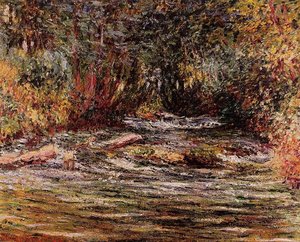
Experience the serenity of Monet's 'The River Epte at Giverny.' This iconic Impressionist painting captures nature’s beauty with vibrant colors & intricate detail. Own a museum-quality reproduction today!
მხატვრის ბიოგრაფია
აღმოაჩინეთ კლოდ მონეს სამყარო, იმპრესიონიზმის ოსტატის, რომელიც ცნობილია წარმავალი სინათლისა და ფერების გადაცემით ისეთი საკულტო პეიზაჟებით, როგორიცაა „წყლის იალაღები“ და „ჭარხალები“.
About the painting
A Serene Reflection of Light and Place
Claude Monet’s “The River Epte at Giverny” isn't merely a landscape painting; it’s a distilled moment of tranquility, an invitation to step into the artist’s world. Completed in 1884 during his idyllic years spent transforming the gardens and home at Giverny, this oil on canvas captures more than just a river scene – it embodies Monet’s revolutionary approach to capturing light and atmosphere, a cornerstone of the Impressionist movement. The painting unfolds with a quiet grace, depicting the Epte winding its way through a verdant wooded area, a ribbon of silver reflecting the sky above. The composition is deceptively simple: a gently flowing river framed by the dense foliage of trees lining both banks, yet within this apparent stillness lies an extraordinary depth and vibrancy. It’s a scene that speaks to the restorative power of nature, a theme deeply resonant with Monet's own life and artistic philosophy.
Monet’s genius lay in his ability to render not just what he *saw*, but how he *felt* about what he saw. He wasn’t interested in precise detail or photographic realism; instead, he sought to convey the fleeting effects of light and color upon the landscape. This is brilliantly achieved through his characteristic use of broken brushstrokes – short, distinct dabs of paint applied with a loose, almost haphazard technique. These strokes coalesce to create an illusion of shimmering water, dappled sunlight filtering through the leaves, and the subtle gradations of color that define the changing light throughout the day. The painting’s palette is dominated by greens and blues, punctuated by flashes of yellow and white where the sun catches the surface of the river. The careful layering of these colors creates a remarkable sense of depth and luminosity, drawing the viewer into the heart of the scene.
Impressionism: Capturing the Essence of a Moment
“The River Epte at Giverny” is a quintessential example of Monet’s Impressionist style. He deliberately avoided sharp outlines and meticulous detail, prioritizing instead the subjective experience of seeing. This approach was revolutionary for its time, challenging traditional academic painting conventions that emphasized realism and idealized forms. Monet's focus on capturing the *impression* of light and color – what he called “the vibration of colors” – became the defining characteristic of Impressionism. The painting’s loose brushwork and vibrant palette are direct results of this philosophy, inviting the viewer to share in the artist’s fleeting perception of the scene.
Interestingly, Monet's decision to paint *en plein air* – directly from nature – was crucial to achieving this effect. He would set up his easel outdoors, capturing the changing light and atmosphere as it unfolded before him. This direct observation informed every aspect of his painting process, allowing him to translate the immediacy of his experience onto the canvas. The inclusion of two birds—one soaring above and another perched on a branch—adds a touch of life and movement to the scene, subtly enhancing its sense of tranquility and natural beauty.
A Giverny Legacy: Art, Garden, and Inspiration
“The River Epte at Giverny” is inextricably linked to Monet’s personal journey and his transformation of the gardens at Giverny. He meticulously designed these gardens as a living canvas, carefully selecting plants and arranging them to create a harmonious interplay of color and form. The river itself became a central element of this landscape design, providing a reflective surface that mirrored the sky above and enhanced the sense of serenity. This painting serves as a testament to Monet’s deep connection with nature and his belief in its power to inspire artistic creation.
Today, reproductions of “The River Epte at Giverny” are available through TopImpressionists.com, offering art enthusiasts the opportunity to bring this iconic masterpiece into their homes. Whether displayed as a focal point in a living room or a calming addition to a bedroom, this painting continues to evoke the beauty and tranquility of Monet’s beloved garden at Giverny. It's more than just a beautiful image; it’s a window into the mind of one of art history’s most influential figures.
Related Works by Claude Monet
კითხვები და პასუხები
სად შემიძლია კლოოდ მონე-ის „The River Epte at Giverny“-ის ციფრული გამოსახულების შეძენა?
"The River Epte at Giverny" ხელოვნების ნიმუშის ციფრული ვერსია ხელმისაწვდომია როგორც მაღალი გარჩევადობის ციფრული გამოსახულების ჩამოტვირთვა, რისი შეძენაც შეგიძლიათ პირდაპირ მისი ციფრული გამოსახულება გვერდიდან.
როგორ შეიძლება კლოოდ მონე-ის „The River Epte at Giverny“ გამოყენებული იქნას სახლის დეკორში?
კლოოდ მონე-ის „The River Epte at Giverny“ რეკომენდებულია Statement-ისთვის, იდეალურ შემთხვევაში კი Living Room-ში დასამონტაჟებლად. გამოყენების დანიშნულება და სივრცე ერთობლივად განსაზღვრავს, თუ სად მოუხდება რეკრედუქცია საუკეთესოდ განთავსებას.
რა ზომის The River Epte at Giverny რეკომენდებულია Living Room-ისთვის?
კლოოდ მონე-ის „The River Epte at Giverny“-ისთვის რეკომენდებული კომბინაციაა: Large ზომის ბეჭდური ნამუშევარი Living Room-ისთვის.
Quick facts and art quiz
About კლოოდ მონე

კლოოდ მონე
1840 - 1926, საფრანგეთი
მხატვრის ბიოგრაფია
แสงและເວລາ: კლოდ მონეს სამყარო
კლოდ მონე, რომლის სახელიც სინონიმად არის ქცეული იმპრესიონიზმისთვის, არ იყო მხოლოდ პეიზაჟების მხატვარი; ის იყო მომენტების ფლაკიანი ქრონიკისტი, ნათებისა და ფერის ποιητής. დაიბადა პარიზში, 1840 წლის 14 ნოემბერს, მისი ადრეული ცხოვრება ఊహించ 못한ამ გადაინაცვლა ნორმანდიის ჰავრში, ხუთი წლის ასაკში. თავდაპირველად, მამის სურვილით, იგი უნდა ეწარმოებოდა კომერციულ საქმიანობას, მაგრამ ახალგაზრდა კლოდის 타고난 მხატვრული ნიჭი hızla გამოჩნდა, პირველად ნახევრად გამ투მანირი კარიკატურების სახით, რომლებიც ადგილობრივად იყიდებოდა – ეს იყო მისი უნარის და მეწარმე 정신ის 증거. თუმცა, გადამწყვეტი მომენტი მისი ევგენ ბუდანთან შეხვედრა იყო. ბუდანმა მონეს לא רק ისสอนა, როგორ უნდა დავხატოთ, არამედ მას революционный идеяც ჩაანერგა – απευθείας طبیعتից വരვა (en plein air), რაც განსაზღვრავდა მისი მთელი కళეწარმოების გზას.
მონეს ფორმალური განათლება დაიწყო პარიზში, თავდაპირველად აკადემია სუიზში და მოგვიანებით შარლ გლეირის სახელოსნოში. სწორედ აქ მან მუდმივ მეგობრებთან, ოსტე რენუართან გაიცნო, ურთიერთობა რომელიც აყალიბდა ortak కళეწარმოების разочарования და ტრადიციული აკადემიური ζωγραφების შეზღუდვიდან გამოსვლის სურვილით. მისი ადრეული ნაშრომები, რომლებიც გამოჩენილია ტექნიკური ਮੁხარათით, ნაკლებად χαρακτηρίζება იმ უнікаლი ხმისას, რომელიც მოგვიანებით მის სტილს განასახიერებდა. მას შემდეგ მოყვა შეტაკებების პერიოდი – ფრანკო-პრუსული ომმა მონე вынужденно თავს აიფარა ლონდონში, სადაც ის погрузился ინგლისელი пейзажистов, როგორიცაა ჯონ კონსტაბლის და ਜੋზეფ ტურნერის ნაშრომებში, შეიცვალა მათი атмосферის эффекты და ფერის инноваციული გამოყენება.
ესთეტიკური რევოლუციის დაბადება
საფრანგეთში დაბრუნების შემდეგ მონე გახდა emerging కళეწარმოების აღზევების ცენტრალური პირი. недовольные კონსერვატული სტանդრტებით, მან გაერთიანდა მსგავსი აზროვნების მქონე სხვა მხატვრებთან და స్వતంత్ర გამოფენების διοργάνოზაციისთვის. 1874 წლის გამოფენა აღმოჩნდა გარდამტეხი მომენტი не только მონისთვის, არამედ მთელი ხელოვნების სამყაროსთვის. სწორედ აქ იყო წარდგენილი მისი ტილო “Impression, soleil levant” (ასვლა მზის შთაბეჭდილება), რომელმაც გამოიწვია "იმპრესიონიზმის" სახელწოდების წარმოშობა – ჰავრის პორტის ნათლილი დილის გამოსახულება. თუმცა, ეს სახელი დარჩა და გადაიქცა గౌరვավոր სიმბოლოდ იმ მოძრაობისთვის, რომელიც стремился შეცვალოს сцены უფრო субъекტური *შთაბეჭდილების* აღქმით, ვიდრე მათი точное წარმომადგენლობით.
მონეს ხასიათიერებული სტილი ამ პერიოდში расцвел: χαλαρές, видимые мазки кистью, яркие и часто не смешанные цвета, нанесенные рядом друг с другом (техника, известная как «разбитый цвет»), и непоколебимое внимание к захвату мимолетных качеств света. ის неустанно продолжал свою практику en plein air, быстро работая, чтобы запечатлеть свои непосредственные восприятия до того, как меняющиеся условия изменят сцену. ეს не просто было изображением того, что он *видел*, а скорее того, как он *чувствовал* в ответ на это – радикальное отклонение от художественных конвенций.
გივერნი: ნათებისა და отражений Рай
1883 წელს მონე დასახლდა გივერნიში, პარიზის ჩრდილო-დასავლეთით, სადაც შეიძინა სახლი და ბაღი, რომელიც როგორც მისი თავშესაფარი, ასევე მისი вдохновения უდიდესი წყარო გახდა. მან тщательно გადააქცია ქონება пышным райским садом, რომელშიც შედიოდა экзотические цветы, ტიხისფოთლოვანი ხეები და ყველაზე ცნობილი – იაპონური мостаთი გადაჭიმული водный бассейн. ეს не просто был декоративный сад; это была живая лаборатория, где Monet мог изучать эффекты света на воде, листве и отражениях в контролируемых условиях.
მისი ζωής последние десятилетия были почти полностью посвящены живописи водных лилий в Гурни. Он начал монументальную серию «Водные лилии» (Nymphéas), создавая огромные полотна, изображающие поверхность пруда как постоянно меняющуюся мозаику цвета и света. Это были не просто картины цветов; это были захватывающие дух произведения искусства, предназначенные для того, чтобы полностью погрузить зрителя в мир безмятежной красоты и созерцательного спокойствия. Масштаб этих работ поражает, расширяя границы традиционной живописи и предвосхищая абстрактный экспрессионизм.
მემკვიდრეობა: ხელოვნების ისტორიაზე გრძელი സ്വാვლის
კლოდ მონეს გავლენა ხელოვნების ისტორიაზე невозможноა შეფასება. ის не только был основателем импрессионизма; он фундаментально изменил то, как художники воспринимали и представляли окружающий мир. მისი субъекტური გამოცდილების акцент, en plein air ζωγραφების მიღწევა და инноваციული ტექნიკები გააპირობა თანამედროვე ხელოვნების абстракции და непредставительных ფორმების შესწავლა.
მონე достигнул значительного коммерческого успеха при жизни – редкость для авангардных художников того времени. Его работы продолжают вдохновлять и восхищать публику по всему миру, укрепляя его место в качестве одной из самых важных фигур западного искусства. Он умер 5 декабря 1926 года, оставив после себя наследие, которое резонирует через поколения художников и любителей искусства.
ძირითადი కళეწარმოების ტექნიკები
- En plein air ζωγραφება: მისი განვითარებისთვის გადამწყვეტი, რომელიც საშუალებას აძლევდა ნათლისა და атмосфеρας პირდაპირი 관찰.
- Разбитый цвет: чистых цветов небольшими мазками рядом друг с другом для оптического смешивания.
- Серийная живопись: изображать один и тот же объект в разных условиях освещения и погоды – демонстрируя преобразующую силу времени и света.
Quick facts about კლოოდ მონე
- Artistic Movement Or Style: იამპრესიონიზმი
- Artists Or Movements Influenced By This Artist: ['მოდერნიზმი']
- Artists Who Influenced This Artist:
- ეუგენ ბუდინი
- ჯონ კონსტაბლი
- ტურნერი
- Date Of Birth: 1840 წლის 14 ნოემბერი
- Date Of Death: 1926 წლის 5 დეკემბერი
- Full Name: ოსკარ-კლოდ მონე
- Nationality: ფრანგი
- Notable Artworks:
- მთვარის ამოსვლა
- ყვავილებანი (წყლის იოხაში)
- გუთნის მალი
- რუანის საკათედრო ტაძარი
- Place Of Birth: პარიზი, საფრანგეთი
მსგავსი ნამუშევრები


აღმოაჩინეთ ხელოვნების ნაწარმოებები თემების, სტილისა და მახასიათებლების მიხედვით დაჯგუფებული.


კლოოდ მონე
The River Epte at Giverny
() ·
With its frame: · Hand-painted in oil on linen
Total