

 ნახვა ინტერьерში
 გაგზავნა
 გაზიარება
 დეტალები
 გზამკვლევი

 ჩამოტვირთვა
 მსგავსები
 რენტგენოგრაფიული კვლევა
 სლაიდშოუ
 კითხვა-პასუხი
 სტატისტიკა
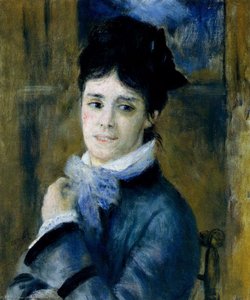
ქალი ოქროს ქსოვლით


გამოცადეთ ედუარ მანეს საკულტო ნაწარმოები „ქალი ოქროს ქსოვლით“. ელეგანტურობით სავსე პარიზელი ქალის მომხიბვლელი პასტელური პორტრეტი, რომელიც სადად ეჭვქვეშ აყენებს სოციალურ ნორმებს. ფლობეთ ხელოვნების ისტორიის ნაწილი!
 სრული ტექსტის ნახვა
აღმოაჩინეთ ედუარ მანე (1832-1883), რეალიზმსა და იმპრესიონიზმს შორის ხიდი! მისი გამორჩეული ტილოები, როგორიცაა "საზაფხოვო სადილისას მდელოს", "ოლიმპია" და სხვა, ატარებენ თანამედროვე ხელოვნების განმაცდენელ გავლენას.
გიკლე / ხელოვნების პრინტი
მუზეუმის დონის ჟიკლე ან ტილოზე ბეჭდვა სწრაფი წარმოებისა და დასრულების მოქნილი ვარიანტებით. ( შეიძინეთ ხელით შესრულებული ნახატი გადასვლა ციფრულ გამოსახულებაზე)




P118B ₾10

P118H ₾10

P118W ₾10

P438Z ₾10

P508JH ₾12

P508YH ₾12

P805H ₾10

P805Z ₾10

P919BZ ₾10

P919G ₾10

P919XJ ₾10

P959ZH ₾10

P968JZ ₾12

W106C ₾8

W218G ₾10

W218JH ₾8

W218Y ₾10

W307PJ ₾10

W316G ₾10

W316PJ ₾8

W316Y ₾10

W398PJ ₾8

W4111J ₾10

W500HY ₾15

W500JH ₾15

W692G ₾12

W849H ₾8

W940BG ₾15

W953PJ ₾8




სტანდარტული ზომა
ინდივიდუალური ზომა
CM
INCH
აირჩიეთ ჩვენს მიერ წინასწარ განსაზღვრული ზომებიდან, რომლებიც ნაწარმოების ორიგინალურ პროპორციებს შეესაბამება.
Loading sizes...

სიგანე
სიმაღლე
შეიყვანეთ თქვენთვის საჭირო სიგანე და სიმაღლე, რათა იგი მოერგოს თქვენს ჩარჩოს ან კედელს. ბეჭდვისას შესაძლებელია მხოლოდ მისი შემცირება და არა გაზრდა, ამიტომ სხვა ფორმის ზომის შემთხვევაში გამოსახულება ნაწილობრივ იკარგება. სანამ რაიმეს დაბეჭდავთ, ჩვენ გამოგიგზავნით ციფრულ მაკეტს დასდასტურებლად. ამ გვერდზე ნაჩვენები სურათი არ ასახავს რეალურ ჭრას — ამას მხოლოდ მაკეტი გვიჩვენებს.
მიწოდება მთელ მსოფლიოში () 2 კვირაში, სტანდარტული 4/5 კვირის ნაცვლად. (3 ნოემბერი)

უფასო ექსპრეს მიწოდება მთელ მსოფლიოში

მაღალი ხარისხის ტილო

ტრანსპორტირების სრული დაზღვევა

საბაჟო გადასახადების დაბრუნების გარანტია

ფერების სრული შესაბამისობის გარანტია

დაბრუნების 100-დღიანი პერიოდი (მხოლოდ წარმოების დეფექტის შემთხვევაში)

100% თანხის სრული დაბრუნების გარანტია

ფასდაკლება დიდი რაოდენობით შეკვეთისას
 მინის ჩარჩოს არჩევანი ხელმისაწვდომია მხოლოდ 110 სმ-მდე ზომისთვის

ქალი ოქროს ქსოვლით
გიკლე / ხელოვნების პრინტი
რეპროდუქციის ზომა
-


ჯამური ღირებულება
₾ 182
Édouard Manet’s Enigmatic Portrait: A Glimpse of Parisian Life
Édouard Manet's "Woman with a Gold Pin," painted in 1879, isn’t merely a portrait; it’s a carefully constructed tableau vivant—a snapshot of late 19th-century Paris brimming with subtle social commentary and artistic innovation. This pastel masterpiece, housed within the esteemed Dublin City Gallery The Hugh Lane, offers a captivating glimpse into the burgeoning world of Impressionism while simultaneously challenging the conventions of academic art. The painting immediately draws the eye to its subject: a woman posed with an air of quiet confidence, her gaze direct and slightly challenging, hinting at a life lived beyond the confines of traditional domesticity.
Manet’s masterful use of pastel creates a remarkably tactile and intimate effect. The soft hues—a delicate blend of pinks, blues, and greens—evoke a sense of warmth and immediacy, as if we've stepped into her salon for a fleeting moment. Unlike the polished surfaces favored by earlier generations of painters, Manet’s brushstrokes are loose and visible, contributing to the painting’s vibrant energy and capturing the ephemeral quality of light and atmosphere – a hallmark of Impressionism. The composition itself is deceptively simple: a single figure dominating the space, yet every element—from the folds of her dress to the glint of gold—is rendered with meticulous detail.
The Symbolism of Gold and Gaze
At the heart of the painting lies the significance of the gold pin adorning the woman’s hair. More than a mere decorative accessory, it represents status, wealth, and perhaps even a hint of illicit indulgence – a subtle nod to the Parisian demi-monde. The color itself is associated with luxury and opulence, immediately elevating the subject's position within society. However, it’s her gaze that truly commands attention. Unlike the passive, demure expressions often depicted in portraits of the era, this woman meets the viewer’s eye directly, challenging our assumptions and inviting us to contemplate her thoughts and experiences. This directness was revolutionary for its time, a deliberate rejection of the idealized, distant portrayal favored by academic painters.
The dark dress she wears further contributes to the painting's enigmatic quality. It suggests both elegance and restraint, hinting at a woman accustomed to navigating the complexities of Parisian society. The subtle details—the delicate lace collar, the simple jewelry—speak volumes about her social standing without resorting to overt displays of wealth. Even the background, rendered in muted tones, is carefully considered, creating a sense of depth and suggesting a private interior space – perhaps a salon or drawing room where secrets are whispered and fortunes are made.
Manet’s Legacy and Reproductions
Édouard Manet was a pivotal figure in the transition from Realism to Impressionism, and "Woman with a Gold Pin" exemplifies his groundbreaking approach. He rejected the rigid conventions of the French Academy, prioritizing observation, light, and color over idealized forms and historical narratives. His work paved the way for subsequent generations of artists, including Monet, Renoir, and Degas, who embraced his innovative techniques and challenged established artistic norms.
Today, TopImpressionists offers exquisite handmade oil painting reproductions of "Woman with a Gold Pin," allowing art enthusiasts and collectors to experience Manet’s masterpiece in stunning detail. These meticulously crafted reproductions capture the essence of the original pastel, faithfully reproducing its delicate colors, loose brushstrokes, and captivating atmosphere. Owning a reproduction is not merely acquiring an image; it's gaining a tangible connection to one of the most influential artists of the 19th century – a testament to Manet’s enduring legacy and his profound impact on the course of art history. For more information about this exceptional artwork, please visit the original image on our website or explore the broader collection of Manet’s works at our artist database.
Discovering Dublin City Gallery The Hugh Lane
The Dublin City Gallery The Hugh Lane holds a remarkable collection of modern and contemporary art, including several key works by Édouard Manet. Visiting the gallery offers a unique opportunity to immerse yourself in Manet’s artistic world and appreciate his influence on subsequent generations of artists. For further information about the gallery's collection and exhibitions, please visit the gallery’s website.
კითხვები და პასუხები
ედუარ მანე-ის შემოქმედებითი განვითარების რომელ ეტაპს წარმოადგენს „ქალი ოქროს ქსოვლით“?
ედუარ მანე-ის შემოქმედების პერიოდში, „ქალი ოქროს ქსოვლით“ მიეკუთვნება მოწიფული პერიოდი-ს. ეს ფაზა გვეხმარება მისი შედარება ხელოვანის სხვა ნამუშევრებთან.
რა ფერები დომინირებს ნამუშევარში ედუარ მანე-ის „ქალი ოქროს ქსოვლით“?
"ქალი ოქროს ქსოვლით" ხასიათდება ბუნებრივი ტონები პალიტრით, რომელსაც წინამძღოლობით სерый бежевый (#d1b4a7) გამოკვეთს.
არსებობს თუ არა სტუდენტებისთვის განკუთვნილი ინფორმაციული ფურცელი ედუარ მანე-ის „ქალი ოქროს ქსოვლით“-ის შესახებ?
ედუარ მანე-ის „ქალი ოქროს ქსოვლით“-ისთვის ხელმისაწვდომია გზამკვლევი გვერდი: ამ ხელოვნების ნიმუშის შესახებ დასაბეჭდი ფაქტების ფურცელი, რომელიც შექმნილია სტუდენტებისა და სასწავლო პროცესისთვის.
მსგავსი ნამუშევრები




მხატვრის ბიოგრაფია
პარიზის მნევანე: ედუარ მანეს ბίος და ხელოვნება
ედუარ მანე, რომელიც 1832 წელს პარიზში დაიბადა, კომფორტულ буржуазული ოჯახიდან էր. მისი მამა, სახელოვანი მოსამართლე, ვაჟისთვის სამართლებრივ ან საზღვაო კარიერას უნახავდა – ღირსეული პროფესიები, რომლებიც შეესაბამებოდა მათ სოციალურ სტატუსს. თუმცა, ახალგაზრდობაშივე მანეს გული ხელოვნებას ეკუთვნოდა. თერთმეტ წლის ასაკში მან ფორმალური გაკვეთილები დაიწყო და, მიუხედავად იმისა, რომ ცოტა ხნით თომას კუტურის სახელოსნოში სწავლობდა, მალევე აღმოაჩინა, რომ კუტურთს მკაცრი მეთოდები მასზე ზედმეტი იყო. ეს ადრეული წინააღმდეგობა მთელი ცხოვრების განმავლობაში შეეცადა მხატვრულ ტრადიციებს დაეღიავებოდა. მანე არ თვლიდა საკმარისად წარსულის უბრალოდ გამეორებას; ის ცოცხლად, თანაც ზოგჯერ აშკარად არეულ现实ების აღქმას ისურვებდა თანამედროვე პარიზული ცხოვრების. იგი ხშირად სტუმრობდა ლუვრს, არა მხოლოდ ძველი დიდოსტატების კოპირებისთვის, არამედ მათი ტექნიკის შესწავლისთვისაც, ուսումնասիրել როგორ ქმნიდა სინათლე და ნიუანსი ფორმას და როგორ აღძრავდა გრძნობებს. თუმცა, მხატვრული დინებების ცვლილება, განსაკუთრებით გუსტავ კორბეს მიერ пропагандируемый რეალიზმი, სრულიად აგორებულს მოქცეოდა მანეს შემოქმედებითი გზისკენ. კორბეს ყოველდღიური ცხოვრების გამოსაჩაღებლად идеалization-ის უარის განცხადება βαθιά დაავალა მანეს, გაათავისუფლეს ისტორიული ან μυθολογικός თემებისგან.ტრადიციასთან ბროკენ: სკანდალი და ინოვაცია
1860-იანი წლები პარიზში მხატვრული ფერხულობის პერიოდი იყო, და მანე თავად აღმოჩნდა ამ ყველაფრის ცენტრში. იაპონური гравюры – *უკiyo-e*-ს გამოჩენა βαθιά επηρέασε მისი ესთეტიკური გრძნობებს. იგი იზიდავოდა მათი сплюснутые პერსპექტივებით, смелыми კომპოзиციებით და striking ფერების გამოყენებით, რაც გახდება მისი სტილის χαρακτηგული ნიშანი. ეს 영향력, კომბინირებული აკადემიური полированности-ის გაზრდილ უარყოფასთან, გამოიწვა έργები, რომელმაც шокировал და скандализировал პარიზულ სამხატვრო სამყაროს. Le Déjeuner sur l'herbe (The Luncheon on the Grass), რომელიც 1863 წელს Salon des Refusés-ში იყო წარმოდგენილი – გამოფენა, სადაც განთავსებული იყო ოფიციალური Salon-ისგან తిరస్కరించబడిన έργები – გახდა პროტესტის კოშერი. გამოსახულება, რომელშიც головоломная ქალი მშვიდად отдыхает პიკნიკის დროს ორი полностью одетых მამაკაცთან ერთად, არ იყო కేవలం головоломной შესახებ; ეს იყო именно того, როგორ წარმოდგენილი იყო головоломность. მანეს ფიგურებს не было идеализированных форм და μυθολογικός კონტექსტი традиционных головоломностей. ისინი были безусловно современными, сталкивая зрителя с тревожной прямотой. Скандал вокруг Le Déjeuner усилился с его шедевром 1865 года, Olympia. Эта картина, сознательное переосмысление *Венеры Урбинской* Тициана, представила современную проститутку, смело глядящую на зрителя. Неумолимый реализм и провокационная тема вызвали широкое осуждение. Критики обвиняли Мане в вульгарности и художественной некомпетентности, но под возмущением лежало признание того, что он фундаментально менял язык живописи.გადასახლება Импрессионизма: სინათლე, кисть და თანამედროვე ცხოვრება
მიუხედავად იმისა, რომ მანე никогда полностью не принял ярлык «импрессионист», его влияние на движение было неоспоримым. Он разделял их отказ от академических конвенций и их приверженность захвату мимолетных эффектов света и атмосферы. Он выставлялся вместе с Моне, Ренуаром, Дегасом и другими на независимых выставках импрессионистов, что укрепило его позицию как ключевой фигуры в авангарде. Техника Мане развивалась к более свободной мазке, отдавая приоритет впечатлению формы над точной деталью. Он экспериментировал с цветом, часто используя резкие контрасты для создания драматических эффектов. Помимо скандальных головоломостей, Мане исследовал широкий спектр тем: портреты – включая поразительные изображения своей жены Suzanne и коллеги-художника Эмиля Золы; сцены парижской ночной жизни, такие как A Bar at the Folies-Bergère, которая мастерски захватывает отчуждение и зрелищность современной городской жизни; и интимные домашние сцены. Он не просто документировал эти темы; он подвергал их сомнению, ставя под вопрос общественные нормы и бросая вызов традиционным представлениям о красоте.Наследие и долгосрочное влияние
Преждевременная смерть Эдуарда Мане в 1883 году от сифилиса прервала карьеру, которая уже необратимо изменила ход истории искусства. Хотя его репутация значительно возросла после его смерти, его влияние было немедленно почувствовано молодыми художниками, которые признали его освободителем. Он разрушил барьеры, бросив вызов традиционным представлениям о предмете, технике и цели искусства.- Его акцент на захвате современной жизни проложил путь для импрессионизма и постимпрессионизма.
- Его инновационное использование мазка и цвета повлияло на поколения художников.
- Его готовность сталкиваться с неудобными истинами о обществе заставляла зрителей подвергать сомнению свои собственные предположения.

ედუარ მანე
1832 - 1883 , საქართველო
მოკლე ფაქტები
- Artistic Movement Or Style: რეალიზმი, იმპრესიონიზმი
- Artists Or Movements Influenced By This Artist:
- კლოედ მონე
- პიერ-ოგუსტ რენუარი
- ედგარ დეგა
- იმპრესიონიზმი
- Artists Who Influenced This Artist:
- კარავაჯო
- დიეგო ველაზქესი
- გუსტავე კორბე
- Date Of Birth: 1832 წლის 23 იანვარი
- Date Of Death: 1883 წლის 30 აპრილი
- Full Name: ედუარ მანე
- Nationality: ფრანგი
- Notable Artworks:
- Le Déjeuner sur l'herbe
- Olympia
- A Bar at the Folies-Bergère
- Place Of Birth: პარიზი, საფრანგეთი
მსგავსი სტატიები

Soft Light & Velvet Touch: The Ethereal Magic of Pastel Artistry in Impressionist Masterpieces
Discover the ethereal beauty of pastel art through an Impressionist lens. Explore how masters like Monet and Renoir captured light and velvet textures, and learn to curate a collection of luminous, museum-quality masterpieces for your home.
აღმოაჩინეთ ხელოვნების ნაწარმოებები თემების, სტილისა და მახასიათებლების მიხედვით დაჯგუფებული.


