
წარმოდგენილია: · ჩარჩოსთან ერთად:
 წინასწარი ნახვა
 გაგზავნა
 გაზიარება
 დეტალები
 გზამკვლევი

 ჩამოტვირთვა
 მსგავსები
 რენტგენოგრაფიული კვლევა
 სლაიდშოუ
 კითხვა-პასუხი
 სტატისტიკა

₾ 699
ზეთის საღებავით შესრულებული ხელით ნაკლნა
ტილოზე შესრულებული ფერწერიანი ზეთប្រდათი, თქვენთვის სასურველი ზომისა და ჩარჩოსთვის, ჩვენი ხელოვანების მიერ შეკვეთის საფუძველზე დამზადებული. ( ბეჭდვის რეჟიმზე გადართვა გადართვა ციფრულ გამოსახულებაზე)
ზომა
·სტანდარტული
სასურველი ზომა
CM
INCH
აირჩიეთ ჩვენს მიერ წინასწარ განსაზღვრული ზომებიდან, რომლებიც ნაწარმოების ორიგინალურ პროპორციებს შეესაბამება.
ზომების გამოთვლა...

სიგანე
სიმაღლე
შეიყვანეთ თქვენთვის საჭირო სიგანე და სიმაღლე, რათა ნახატი მოერგოს თქვენს ჩარჩოს ან კედელს. ვინაიდან ეს ნამუშევარი ხელით არის შესრულებული, სხვა ფორმის ზომის შემთხვევაში, მხატვარმა შესაძლოა სურათის გარშემო ოდნავ მეტი დატოვოს ან შეამციროს — არჩევანი თქვენზეა. დაწყებამდე, დასამტკიცებლად, ჩვენ გამოგიგზავნით ციფრულ მაკეტს. ამ გვერდზე ნაჩვენები სურათი არ ასახავს რეალურ შედეგს — რეალური სახე მხოლოდ მაკეტზე ჩანს.
 გაეცანით მეტს
დასრულება
·
თეთრი კიდეები ₾1

ბუნდოვანი კიდეები ₾1

გაფართოებული კიდეები ₾1

P118B ₾10

P118H ₾10

P118W ₾10

P438Z ₾10

P508JH ₾12

P508YH ₾12

P805H ₾10

P805Z ₾10

P919BZ ₾10

P919G ₾10

P919XJ ₾10

P959ZH ₾10

P968JZ ₾12

W106C ₾8

W218G ₾10

W218JH ₾8

W218Y ₾10

W307PJ ₾10

W316G ₾10

W316PJ ₾8

W316Y ₾10

W398PJ ₾8

W4111J ₾10

W500HY ₾15

W500JH ₾15

W692G ₾12

W849H ₾8

W940BG ₾15

W953PJ ₾8

H24-GOLD ₾30

H24-SILVER ₾30

H36-GOLD ₾45

H36-SILVER ₾45
გაგზავნილია დამცავ ტუბში, რათა თქვენსთვის სასურველ ჩარჩოში მოთავსდეს.
დამატებითი სერვისები
არასავალდებულორა შედის დამატებით სერვისებში?
რა შეიძლება შეიცვალოს: სახის ჩანაცვლება მომხმარებლის ფოტოთი; შინაური ცხოველის დამატება (მაგალითად, კატის შეცვლა ძაღლით); ფონზე ფარული შეტყობინების დამატება; ფონის ლანდშაფტის ან ელემენტების შეცვლა.
შეკვეთის შემდეგ, TopImpressionists.com გუნდი გამოგსტავთ ელექტრონულ წერილს ინსტრუქციებისთვის და მოგაწვდით წინასწარ ნახატის (mockup) პრევიუსს
შეკვეთის შემდეგ, TopImpressionists.com გუნდი გამოგსტავთ ელექტრონულ წერილს ინსტრუქციებისთვის და მოგაწვდით წინასწარ ნახატის (mockup) პრევიუსს
მიწოდება მსოფლიო მასშტაბით -ში 3/4 კვირაში, სტანდარტული 5 კვირის ნაცვლად. (7 ნოემბერი). ხარისხზე კომპრომისის გაკეთება არ მოხდება.
დამცავი ლაქი
სახელოვანი ფირფიტა
ბრინჯაოს ამოკვეთილი ფირფიტის დეტალები
This elegant plaque features the artist's name and the title of the artwork, finely engraved for a timeless presentation.
It is made from bronze with a refined, elegant finish. The text is precisely laser-engraved for a sharp and permanent result. Measuring 9x2 cm, the plaque is compact yet easy to read. It's built to be durable and scratch-resistant, offering a professional, museum-quality look. Mounting is simple thanks to the included adhesive backing.
აკრილის გამჭვირვალე ფირფიტის დეტალები
The plaque includes essential engraved details such as the artist's name, the title of the artwork, the date it was created, the type of media used-like oil on canvas or watercolor-a brief description of the piece, and a QR code that links to the complete artwork information.
It is crafted from clear acrylic, offering a sleek, modern appearance. The text is UV-engraved in black to ensure strong visual contrast. With a size of 10x15 cm, it ensures optimal readability. It comes equipped with two metal hooks for secure wall mounting. The plaque is designed to be weather-resistant, making it suitable for various environments, and it includes interactive features that work seamlessly with smartphone scanning.
შავი აკრილის ფირფიტის დეტალები
This elegant plaque includes engraved information such as the artist's name, the title of the artwork, the date it was created, the type of media used (like oil on canvas or watercolor), a short description of the artwork, and a QR code for quick access to more information.
The plaque itself is made from refined black acrylic with a premium finish. The text is laser-engraved in white for high contrast and readability. Its size is 10x15 cm, designed to be easy to read. It comes with two metal hooks for professional mounting. The design is sleek and fits any interior style. It is also weather-resistant and durable, with built-in digital integration for mobile compatibility.
მინის ჩარჩოს არჩევანი შესაძლებელია მხოლოდ 110 სმ-მდე ზომისთვის
 მინის ჩარჩოს არჩევანი შესაძლებელია მხოლოდ 110 სმ-მდე ზომისთვის
- უფასო ექსპრეს მიწოდება მთელ მსოფლიოში
- მაღალი ხარისხის ტილოს ქსოვილი
- ტრანსპორტირების სრული დაზღვევა
- საბაჟო გადასახადების დაბრუნების გარანტია
- ფერების სრული შესაბამისობის გარანტია
- დაბრუნების 100-დღიანი პოლიტიკა (მხოლოდ დეფექტის შემთხვევაში)
- 100% თანხის სრული დაბრუნების გარანტია
- ფასდაკლება დიდი რაოდენობით შეკვეთისას


კოლექციონირებადი ნივთის აღწერა
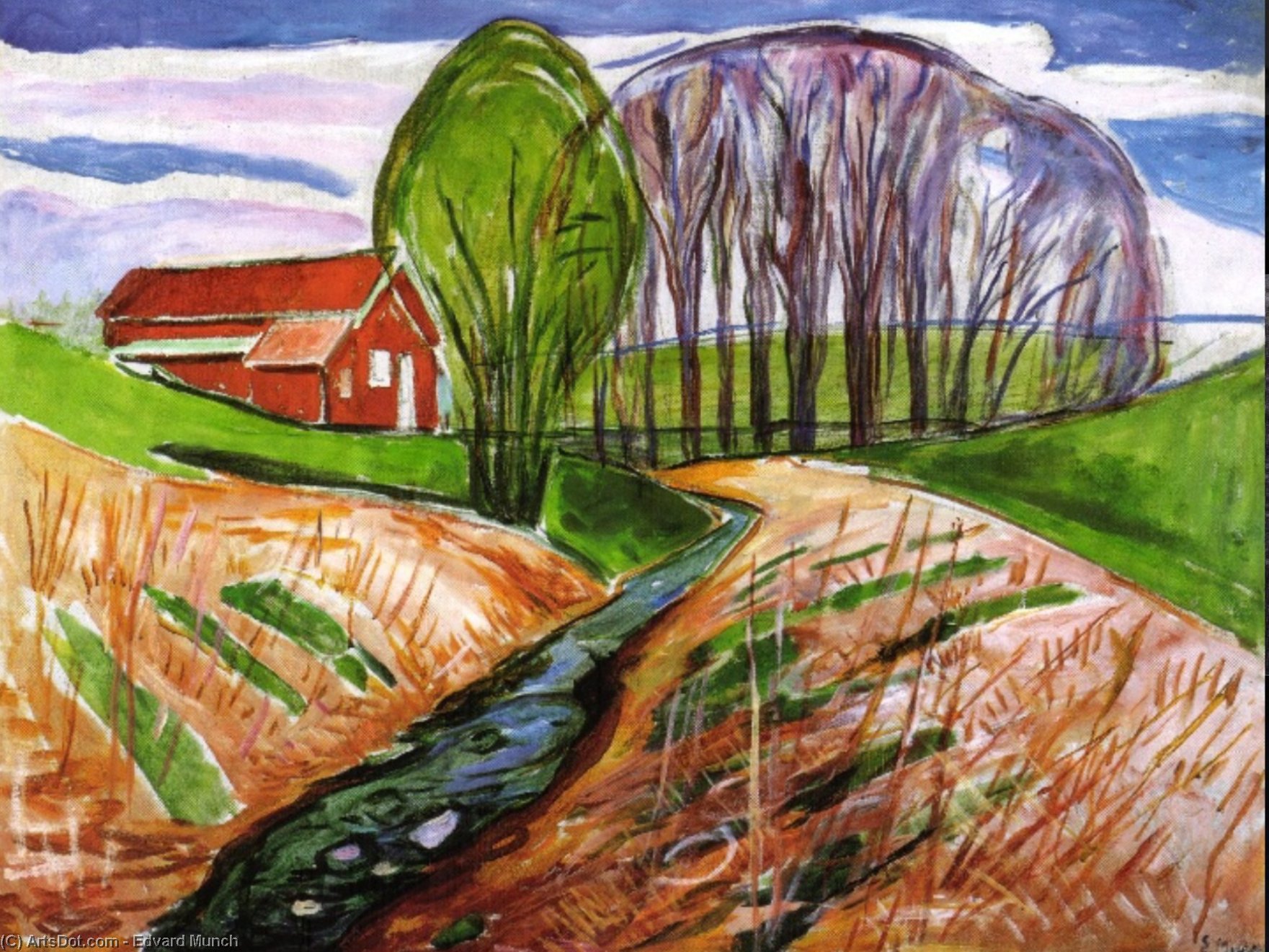
შეხვედით ედვარდ მუნკის ‘მწვანე სახლი ზარით’ (1935) – ექსპრესიониზმის მშვიდი შედევრი, რომელიც ასახავს ბუნებასა და ადამიანს შორის კავშირს ნათელ ფერებსა და მშვიდობიან nôngობის სცენის მეშヴებით.
მხატვრის ბიოგრაფია
აღმოაჩინეთ ედვარდ მუნკი (1863-1944), გამოხატვითი ხელოვნების პიონერი! აღფრთოვანებულიყავით "სcream" და სხვა ტილოებით, რომლებიც შესულია შიშის, სიკვდილის, სიყვარულისა და ფსიქოლოგიური თემების შესწავლისას. ისტორიული მნიშვნელობის მქონე ნორვეგიელი მხატვარი.
სურათის შესახებ
The Serene Embrace of Nature’s Palette: Edvard Munch's "Spring Landscape in the Red House"
ედვარდ მუნკის “ springing landscape in the red house” (1935) არ არის მხოლოდ სასოფლო ცხოვრების სცენარის გამოსახულება; ეს არის ღრმაสำรวจი მეხსიერების, cảm xúcებისა და ადამიანისა და ბუნების შორის მ harmoniously balance-ის შესწავლა. ეს მოხიმო, რომელიც განთავსებულია მუნკის მუზეუმში ოსლაში, გვაძლევს საშუალებას შევინახოთ ხელოვანის ღრმად pessoal vision—vision, რომელიც გაწარმოக்கப்பட்டது ადრეული ტრაგიდადებით, ფსიქოლოგიური აჩქărăლით და უწყვეტი ინტერესი არსებობის მ ক্ষეშფრთხილ სიმაღლეების შესახებ. ნახატი მაშინვეดึงดูრავს დამინახელს თავისი harmoniously blend-ის, შექმნის tranquil contemplation-ის ატმოსფეროს, რომელიც ẩnებს ქვეით მოქმედებებს. ეს არის მუნკის khả năng-ის chứng minh, რომ phức tạpமான cảm xúcები გადაآورულია deceptively đơn giản landscape-ში.
სცენა განვითარებულია ყურადღებით შექმნილ სცენაზე: скромный красный дом, რომელიც არის vibrant intensity-ით გათხობით მ সবুজ და მ ზელე stream-ის পটভূমিতে. სახლიเอง არ არის imposing ან grand; უფრო მეტიც, ის cảm thấy quase vulnerable, nestled amongst the trees like a quiet sentinel. ეს deliberate choice nói nhiều về Munch’s interest in portraying everyday life—not as monumental events, but as moments of profound significance. Деревья стратегически расположены – некоторые плотные и темные, другие светлые и более открытые – создают слои глубины и тонко направляют взгляд через композицию. Stream-ის, жизненно важный элемент, не просто географический объект; он представляет собой поток времени, жизнь путешествие и, возможно, даже подсознание. Notably, a single bird gracefully circles above the house, adding a touch of dynamism and suggesting a fleeting connection between the human dwelling and the wider world.
მუნკის signătur Expressionist style is powerfully evident in every brushstroke. Bold colors—a fiery red for the house, deep greens and blues for the foliage, and muted browns for the earth—are applied with unrestrained energy, conveying not just visual information but also raw emotion. The technique isn't about meticulous realism; instead, it’s about capturing the *feeling* of a scene – the sense of melancholy, longing, or perhaps even a quiet joy that permeates the landscape. The brushwork itself is loose and gestural, reflecting Munch’s internal state and his desire to express his subjective experience rather than objective reality. The use of color isn't naturalistic; it’s deliberately heightened to amplify the emotional impact of the scene. Notice how the red house seems to glow with an inner light, suggesting warmth and a sense of refuge amidst the surrounding landscape.
Направления создания в 1935 году предлагает ценный контекст для понимания Munch’s artistic trajectory. После периода относительной стабильности после его психического срыва, он пережил возрождение мира и продуктивности. Эта работа отражает эту новую спокойствие—тихий оптимизм, который контрастирует с некоторыми из его более мучительных работ. Однако даже в этом кажущемся спокойствии остаются следы его характерных тревог. Немного неспокойное качество пейзажа, тонкие намеки на меланхолию в цветовой палитре предполагают, что Munch никогда полностью не избежал теней своего прошлого. Красный дом, символ домашнего хозяйства и, возможно, памяти, стоит как напоминание о потерянных близких и непреходящей силе личного опыта.
“Spring Landscape in the Red House” is more than just a pretty picture; it’s a window into the soul of one of art history's most compelling figures. It invites us to contemplate the beauty and fragility of life, the interplay between nature and humanity, and the profound emotional resonance that can be found within even the simplest scenes. For those seeking a reproduction of this iconic work, TopImpressionists offers meticulously crafted hand-painted reproductions that capture the essence of Munch’s vision with stunning accuracy and detail. Explore the artwork further on TopImpressionists.com, where you'll find additional insights into Munch’s life, his artistic influences, and the broader context of Expressionism. And for a deeper dive into the art world, consider visiting Discovering the Artworks of St Paul’s Cathedral on TopImpressionists – a resource that illuminates the historical and cultural significance of countless masterpieces.
კითხვები და პასუხები
რამდენ ადამიანს ნახავს „მწვანე სახლი ზარით“-ს?
ედვარდ मुंხ-ის „მწვანე სახლი ზარით“-ის სტატისტიკა გვერდი წარმოადგენს საჯარო ვიზიტების სტატისტიკას: ამ ნამუშევრის ყოველთვიურ ნახვებს, შედარებას ხელოვანის ყველაზე პოპულარულ ნამუშევრებთან და იმას, თუ საიდან მოდიან მისი დამთვალიერებლები.
არის თუ არა ედვარდ मुंხ-ის „მწვანე სახლი ზარით“ Expressionism მიმდევრობის ერთ-ერთი ყველაზე მოთხოვნადი ნამუშევარი?
ედვარდ मुंხ-ის „მწვანე სახლი ზარით“ არის საკულტო სიმბოლო დონის ნამუშევარი და მიეკუთვნება Expressionism სტილს.
რომელ ხელოვანს მიეწერება "მწვანე სახლი ზარით"?
ნამუშევრის „მწვანე სახლი ზარით“ ავტორი არის ედვარდ मुंხ. ნამუშევარი დატრიალებულია ედვარდ मुंხ-ის სახელით.
მოკლე ფაქტები და ხელოვნების ქვიზი
ედვარდ मुंხ-ის შესახებ

ედვარდ मुंხ
1863 - 1944, შვედეთი
მხატვრის ბიოგრაფია
შADOWNİՑ გარს შემოფარული ജീവിതით: ედვარდ მუნკის სამყარო
ედვარდ მუნკი, 1863 წელს ნორვეგიის მკაცრ ლანდშაფტებში დაბადებული მხატვარი, რომლის ნაწარმოებებიც თანสมัยობის ეპოქის შიშებისა და გრძნობრივი ტრაგიზმთან ასოცირდება. მისი ജീവിതს, რომელიც სიკვდილისა და მუდმივად არსებულ მელანქოლიასთან იყო განუყოფლად დაკავშირებული, უაღრესად გამოხატვითი ხელოვნების სათავეს წარმოადგენდა. ბავშვობიდანვე, დედისა და დას გარდაცვალების ტკივილით ნაჭრილი, მუნკმა სიკვდილის, ავადმყოფებისა და ადამიანური არსებობის ხაფითვის თემატიკას უაღრესი ძალით შეინახა. ეს გამოცდილებები 단순ი ბიოგრაფიული დეტალები არ იყო; ისინი მისი მხატვრული აღქმის საფუძველს წარმოადგენდნენ, შეუწყობდაუდებლად აძლიერებდნენ შიშების, მწუხარებისა და სურვილების შინაგანი სამყაროს შესწავლას. მამის მკაცრი რელიგიური შეხედულებები და მისივე 정신ის ავადმყოფობა კიდევ უფრო ღრმავებდა მუნკის სამყაროში არსებულ შიშს, რომელიც არა მხოლოდ მის προσωπულ ცხოვრებას, არამედ მისი ნახატების სიმბოლურ ენასაც ფორმირებდა. ის უბრალოდ სცენებს არ აღწერდა; ის შინაგანი მდგომარეობის გარეგნულ화를 ახდენდა, ფსიქოლოგიური ტკივილს ვიზუალურ სახედ თარგმნიდა.
გამოხატვის జన్ეზი: გავლენები და მხატვრული განვითარება
მუნკის მხატვრული მოგზაურობა დაიწყო კრისტიანის სამეფო ხელოვნების სკოლაში სწავლით, მაგრამ ჰანს იეგერის ბოჰემური წრეებთან და ნი힐ისტურ ფილოსოფიასთან შეხება მის 창의력을 ნამდვილად გაზარდა. იეგერმა მუნკის უწოდებია ტრადიციული აკადემიური სტილის εγκαταუყრება და საკუთარი სუბიექტური გამოცდილების სიღრმეებში ჩაღმავლება, კონცეფცია, რომელსაც მან "სულის მხატვრობა" უწოდა. ეს გადამწყვეტი მომენტი მუნკის გამორჩეული სტილის დასაწყისად marcó – ხასიათი сырой გრძნობებით, დისტორცირებული ფორმებით და ბუნებრივი წარმოების უარყოფითი მიდგომით. პარიზში მისი მოგზაურობები 1890-იან წლებში მასთან познакомил буржуазіული Пост-импрессионистური მოძრაობის გაღრმავებასთან, სადაც ის პოლ გოგენის, ვინცენტ ვან გოგისა და ანრი დე ტულუზ-ლოთრეკისგან 영향을 받았습니다. ფერის смелый გამოყენება, გამოხატვითი ხაზები და ემოციური ინტენსივობა მუნკის საკუთარი მხატვრული მიდგომების შესაბამისობაში იყო, რაც მას უნიკალური ვიზუალური ენა შექმნის საშუალებას აძლევდა, რომელიც უღრმეს ადამიანურ ემოციებს გადმოსცემდა. ბერლინში მისი დრო ასევე გადამწყვეტი აღმოჩნდა, რამაც მას პიესტა ავგუსტ სტრინდბერგთან познакомил, რომლის ფსიქოლოგიური თემების შესწავლამ კიდევ უფრო გაზარდა მუნკის მხატვრული კვლევები.
მნიშვნელოვანი ხედვები: ძირითადი ნაშრომები და მათი სიმბოლური მნიშვნელობა
მუნკის ოქროს საგანძირობა populated by images that have become deeply ingrained in the collective consciousness. The Scream, perhaps his most iconic work, transcends its status as a painting to become a universal symbol of existential angst. The swirling, fiery landscape and the figure’s contorted face embody a primal scream against the indifference of the universe. Madonna, a controversial and deeply personal piece, explores themes of sexuality, motherhood, and mortality with unsettling frankness. Recurring motifs like The Sick Child – inspired by the loss of his sister Sophie – serve as poignant reminders of Munch’s childhood trauma and the ever-present specter of death. Melancholy I & II, powerful depictions of profound sadness and isolation, reveal a vulnerability that is both deeply personal and universally relatable. These works aren't simply representations of external reality; they are windows into the artist’s soul, offering viewers an unflinching glimpse into the darkest corners of the human psyche. Munch didn’t aim to create beautiful images; he sought to convey truth – even if that truth was painful and unsettling.
მემკვიდრეობა: ისტორიული მნიშვნელობა და მდგრადი გავლენა
ედვარდ მუნკის წვლილი თანამედროვე ხელოვნებაში შეუდარებელია. ის გამოხატვითობის განვითარებაში გადამწყვეტი ფიგურაა, რომელიც გზას უთოფრობს იმ მხატვრებს, რომლებიც სუბიექტური ემოციების მნიშვნელობას წარმოადგენდნენ ობიექტური წარმოსადგენლად. მისი შიშველი შესწავლა უნივერსალური ადამიანური გამოცდილებებისა – სიყვარული, დაკარგვა, შფოთვა და სიკვდილი – დღესაც აინტერესებს მაყურებლებს, რაც მის ადგილს ხელოვნებაში ერთ-ერთ ყველაზე влиятельным და მდგრად ფიგურად ամրlaştırდა. მისი ნაშრომები მნიშვნელოვნად повлиял последующим поколениям художников, влияя на движения, такие как немецкий экспрессионизм и за его пределами. მან გაბედა სიკეთის მუქი მხარის αντιμετώებას, გამოწვევას უწოდებდა ხელოვნების ტრადიციულ აღქმებს. მაშინაც კი, როდესაც ის დიდება და აღიარება მიაღწია – რაც ოსლოს მუნკის Музеумის შექმნით დასრულდა – მისი προσωπული ცხოვრება არასტაბილური იყო, რომელიც 정신ის ავადმყოფების პერიოდებით იყო χαρακτηρισμένη. თუმცა, ყველაფრის მიუხედავად, ის 계속해서 δημιουργούσε, оставляя за собой работу, которая продолжает провоцировать, бросать вызов и вдохновлять. Munch’s legacy isn't just about the paintings themselves; it’s about the courage to confront the complexities of human existence and to translate those experiences into art that speaks to the deepest parts of our being.
მოკლე ფაქტები ედვარდ मुंხ შესახებ
- Artistic Movement Or Style: ექსპრესიონიზმი
- Artists Or Movements Influenced By This Artist: ['გერმანული ექსპრესიონიზმი']
- Artists Who Influenced This Artist:
- პოლ გაგანი
- ვინსენტ ვან გოგი
- ენრი დე ტულუზ-ლოთრეკი
- Date Of Birth: 1863 წლის 12 დეკემბერი
- Date Of Death: 1944 წლის 23 იანვარი
- Full Name: ედვარდ მუნხი
- Nationality: ნორვეგიელი
- Notable Artworks:
- The Scream
- Madonna
- The Sick Child
- Place Of Birth: ადელსბრუკი, შვედეთი



აღმოაჩინეთ ხელოვნების ნაწარმოებები თემების, სტილისა და მახასიათებლების მიხედვით დაჯგუფებული.


ედვარდ मुंხ
მწვანე სახლი ზარით
() ·
ჩარჩოსთან ერთად: · ზეთით შესრულებული ხელნაკეთი ტილოზე linen-ზე
ჯამური ღირებულება