


 ნახვა ინტერьерში
 გაგზავნა
 გაზიარება
 დეტალები
 გზამკვლევი

 ჩამოტვირთვა
 მსგავსები
 რენტგენოგრაფიული კვლევა
 სლაიდშოუ
 სტატისტიკა
The Modena Triptych (front panels)
 Acrylic On Canvas
- WallArt
- Expressionistic Mannerism
 1568
1568 37.0 x 23.0 cm
 Galleria Estense
Discover El Greco's 'The Modena Triptych' (front panels) – a masterpiece of dramatic storytelling and vibrant color from 1568, now available as a stunning hand-painted reproduction.
 სრული ტექსტის ნახვა
ელ გრეკო (1541-1614) – ესპანური რენესანსის გამორჩეული მხატვარი, რომლის განსხვავებული სტილი, გამოხატვითი ფერები და ელიმბირებული ფიგურები დღემდე იზიდავს მსოფელს. აღმოაჩინეთ მისი შედევრები, როგორცაა "ორგაზის საპატიო დაკრძალვა" და "ტოledo-ს ხედი!"
გიკლე / ხელოვნების პრინტი
მუზეუმის დონის ჟიკლე ან ტილოზე ბეჭდვა სწრაფი წარმოებისა და დასრულების მოქნილი ვარიანტებით. ( შეიძინეთ ხელით შესრულებული ნახატი გადასვლა ციფრულ გამოსახულებაზე)




P118B ₾10

P118H ₾10

P118W ₾10

P438Z ₾10

P508JH ₾12

P508YH ₾12

P805H ₾10

P805Z ₾10

P919BZ ₾10

P919G ₾10

P919XJ ₾10

P959ZH ₾10

P968JZ ₾12

W106C ₾8

W218G ₾10

W218JH ₾8

W218Y ₾10

W307PJ ₾10

W316G ₾10

W316PJ ₾8

W316Y ₾10

W398PJ ₾8

W4111J ₾10

W500HY ₾15

W500JH ₾15

W692G ₾12

W849H ₾8

W940BG ₾15

W953PJ ₾8




სტანდარტული ზომა
ინდივიდუალური ზომა
CM
INCH
აირჩიეთ ჩვენს მიერ წინასწარ განსაზღვრული ზომებიდან, რომლებიც ნაწარმოების ორიგინალურ პროპორციებს შეესაბამება.
Loading sizes...

სიგანე
სიმაღლე
შეიყვანეთ თქვენთვის საჭირო სიგანე და სიმაღლე, რათა იგი მოერგოს თქვენს ჩარჩოს ან კედელს. ბეჭდვისას შესაძლებელია მხოლოდ მისი შემცირება და არა გაზრდა, ამიტომ სხვა ფორმის ზომის შემთხვევაში გამოსახულება ნაწილობრივ იკარგება. სანამ რაიმეს დაბეჭდავთ, ჩვენ გამოგიგზავნით ციფრულ მაკეტს დასდასტურებლად. ამ გვერდზე ნაჩვენები სურათი არ ასახავს რეალურ ჭრას — ამას მხოლოდ მაკეტი გვიჩვენებს.
მიწოდება მთელ მსოფლიოში () 2 კვირაში, სტანდარტული 4/5 კვირის ნაცვლად. (24 ოქტომბერი)

უფასო ექსპრეს მიწოდება მთელ მსოფლიოში

მაღალი ხარისხის ტილო

ტრანსპორტირების სრული დაზღვევა

საბაჟო გადასახადების დაბრუნების გარანტია

ფერების სრული შესაბამისობის გარანტია

დაბრუნების 100-დღიანი პერიოდი (მხოლოდ წარმოების დეფექტის შემთხვევაში)

100% თანხის სრული დაბრუნების გარანტია

ფასდაკლება დიდი რაოდენობით შეკვეთისას
 მინის ჩარჩოს არჩევანი ხელმისაწვდომია მხოლოდ 110 სმ-მდე ზომისთვის

The Modena Triptych (front panels)
გიკლე / ხელოვნების პრინტი
რეპროდუქციის ზომა
-


ჯამური ღირებულება
₾ 180
The Modena Triptych: A Glimpse into El Greco’s Soul
The Modena Triptych, created in 1568 by the visionary artist Doménikos Theotokopoulos – better known as El Greco – stands as a pivotal work in his artistic journey. More than just a religious depiction, it's a profound exploration of faith, humanity, and the burgeoning Expressionist currents that would later define European art. Housed within the Galleria Estense in Modena, Italy, this tempera painting offers a rare window into El Greco’s unique synthesis of Byzantine tradition, Venetian influence, and his own intensely personal vision. The triptych's three panels – each meticulously rendered with vibrant colors and dramatic lighting – tell layered stories, inviting contemplation on themes of salvation, earthly struggles, and the divine presence within the human experience.
El Greco’s early training in Crete instilled a deep reverence for Byzantine iconography, evident in the meticulous detail and stylized figures. However, his time in Venice exposed him to the dynamism of the Venetian Renaissance, particularly the works of Titian and Tintoretto, which he skillfully integrated into his own style. This fusion is strikingly apparent in the Modena Triptych: the formal rigor of Byzantine painting coexists with a heightened sense of drama, elongated forms, and an emotional intensity that foreshadows the expressive power of later movements. The use of tempera paint – known for its luminous quality and slow drying time – allowed El Greco to build up layers of color and create subtle gradations of light and shadow, contributing significantly to the painting’s ethereal atmosphere.
Panel Breakdown: Narratives of Faith and Humanity
The triptych unfolds as a series of interconnected narratives. The central panel depicts the Adoration of the Shepherds, a scene brimming with symbolic weight. A Christian knight, resplendent in armor, is crowned by Christ – an image laden with meaning representing divine grace and earthly triumph. Below, the shepherds kneel in adoration, their faces etched with reverence. To either side are scenes from the Baptism of Jesus and the Adoration of the Magi, further reinforcing the central theme of salvation through faith. The back panels offer a contrasting perspective, showcasing biblical events such as the Annunciation to Mary, the revelation at Mount Sinai, and the creation of Adam and Eve. These scenes, rendered with a similar level of detail and emotional intensity, underscore the enduring struggle between good and evil, obedience and rebellion, within the human story.
Notably, El Greco’s compositional choices are deliberate and impactful. The figures are elongated and often appear to be caught in moments of intense emotion – a characteristic that would become synonymous with his style. He employs dramatic diagonals and swirling drapery to create a sense of movement and dynamism, drawing the viewer's eye through the complex arrangement of figures and objects. The use of color is equally striking; vibrant reds, blues, and golds dominate the palette, creating a visually arresting effect that amplifies the emotional impact of each scene.
Symbolism and El Greco’s Vision
Beyond their literal depictions, the scenes in the Modena Triptych are rich in symbolism. The presence of Saint Catherine, with her wheel – a potent symbol of martyrdom and devotion – is particularly significant. Her inclusion suggests a connection to El Greco's Cretan roots and his deep faith. The recurring motif of light, often associated with divine illumination, permeates the entire triptych, guiding the viewer’s eye and reinforcing the central theme of spiritual enlightenment. El Greco wasn’t simply illustrating biblical stories; he was attempting to convey a profound emotional experience – a glimpse into the soul of humanity and its relationship with the divine.
The Modena Triptych represents a crucial stage in El Greco's artistic development, bridging the gap between his Byzantine training and his later, more individualistic style. It’s a testament to his ability to synthesize diverse influences – religious iconography, Venetian painting, and his own deeply personal vision – into a uniquely powerful and emotionally resonant work of art. Today, reproductions of this masterpiece offer an accessible way to appreciate the genius of El Greco and experience the enduring power of his artistic legacy.
კითხვები და პასუხები
რა ტექნიკა გამოიყენეს "The Modena Triptych (front panels)"-ის შესაქმნელად და როდის შეიქმნა იგი?
"The Modena Triptych (front panels)" შეიქმნა 1568 წელს, Acrylic On Canvas-ით.
საიდან მოდიან ელ გრეკო-ის „The Modena Triptych (front panels)“-ის სტუმრები?
ელ გრეკო-ის „The Modena Triptych (front panels)“-ის სტატისტიკა გვერდი წარმოადგენს საჯარო ვიზიტების სტატისტიკას: ამ ნამუშევრის ყოველთვიურ ნახვებს, შედარებას ხელოვანის ყველაზე პოპულარულ ნამუშევრებთან და იმას, თუ საიდან მოდიან მისი დამთვალიერებლები.
რა არის ელ გრეკო-ის „The Modena Triptych (front panels)“-ის საერთო განწყობა?
"The Modena Triptych (front panels)"-ს აქვს Dramatic ატმოსფერო.
მხატვრის ბიოგრაფია
დომენიკოს თეოტოკოპულოსი, ცნობილი როგორც ელ გრეკო: ფერწერა რელიგიისა და ექსპრესიის ნაპირზე
დომენიკოს თეოტოკოპულოსი, რომელსაც სამყარო ელ გრეკოდ იცნობს – „ბერძენი“ – მხატვარი იყო, რომლის ცხოვრებაცა და შემოქმედებაც ადვილად არ კategorizირებოდა. 1541 წელს კ्रीटზე დაბადებული, რომელიც მაშინ ვენეციელთა მფლობელობაში იყო, მისი ხელოვნების მოგზაურობა ვენეციის გავლით გაგრძელდა, შემდეგ კი რომში, სანამ საბოლოო გამოხატვას ესპანეთის სულიერ გულშემადგენლობაში, ტოლედოში არ գտնებდა. ელ გრეკო 단순ად ამ ადგილების პროდუქტი როდიყო; მან თავისი ზემოქმედებები გააერთიანა რაღაც უნიკალურში, ერთგვაროვან სტილში, რომელმაც საუკუნეებს წინასწარ ఊహեց დაემორჩილებოდა ექსპრესიონიზმის გრძნობრივი ინტენსივობასა და კუბიზმის ფრაგმენტულ ფორმებს. მისი ადრეული სწავლება ბიზანტიური ტრადიციაში ჩანერგა დეტალებზე მკრთიობი ყურადღება და რელიგიური იკონოგრაფიის βαθύς فهم. ეს საფუძველი, თუმცა, არ ਸੀ შეასრულებდა მას. მან ხელმომწერე საკუთარი ნაშრომები ბერძნულად, ხშირად ამატებდა "Krḗs" – კრეტელს, როგორც მისი წარმოშობის гордо اعلامი, მაშინაც კი, როცა ახალი მხატვრული ტერიტორიებზე გადადიოდა. მისი გამორჩეული სტილის თესლი არ მხოლოდ ტექნიკაში იყო ჩანერგილი, არამედ მის სამშობლოში არსებულ მღვივარე რელიგიურ კლიმატსა და ვენეციური ხელოვნების 풍부한 ქსოვილშიც.ვენეტიადან ტოლედომდე: გარდაქმნა
ვენეციაში გადასახლება 1567 წლისთვის გადამწყვეტი მომენტი აღმოჩნდა. ამჟღავნებულიყო ζωηρό მხატვრული სცენის ფონად, ელ გრეკომ შეისწავლა ტიციანი, ტინტორეტო და ვერონეზი – შეი吸收եց მათი ფერის, კომპოზიციის და დრამატიულ განათების ਮੁთაგირება. მან ისწავლა თავისი ბੁਰცების გაფართოება, ზეთის ფერხვის სენსუალურობის მიღება და ფიგურების აღწერა ახალი დინამიკით. ეს ვენეციური გავლენა მისი ადრეული ნაშრომებშიც იშლება, როგორიცაა *წირვის წმინდა ਸੇਬਾਸਟੀਅਨ* (1600), სადაც ანატომიური დეტალი беспрепятственно ერევა თეატრალურ განათებასა და ნაწილებს. მომდევნო რომის მოგზაურობამ მას მანერიზმს გააცნობს, სტილს, რომელიც ხასიათდება удлиненными ფორმებით, искаженными პერსპექტივებითა და გამოცდილი კომპოზიციებით. მიუხედავად იმისა, რომ მან მნიშვნელოვანი ტალანტი გამოჩენა, ელ გრეკოს ძნელად მოსვლიდა ფართო აღიარება კონკურენტულ რომის ხელოვნების სამყაროში. სწორედ 1577 წელს ტოლედოში გადასახლებისას მისი უნიკალური ხედვა საბოლოოდ აყვავილდა. ქალაქმა, რომელიც მაშინ კონტრ-რებასწავლების დროს რელიგიური აღთქმის ცენტრი იყო, როგორც პატრონაჟი, ასევე გარემო შექმნა მის ინტენსიურ სულიერ ნახატებში.უникальный სტილი
ელ გრეკოს მხატვრული სტილი მაშინვე ამოიცნობა – და აბსოლუტურად მომხიალე. მისი ფიგურები ხშირად დრამატულად удлинены, მათი ორგანოები გაჭიმულია და იკეცება პოზებში, რომლებიც სულიერი экстазის ან βαθύς ტკივილის გრძნობას გადასცემენ. ეს არ არის 단순ად стилистический эффект; ეს არის უხილავის აღწევა, ემოციური და სულიერი რეალობები, რომლებიც ზედაპირულად მდებარეობს. მან ਮੁთაგირებით გამოიყენა ფერი – არა απαραιთებლად реалистичный ფერი, არამედ ζωηρό, ხშირად ненормальный тоны – მის ნაშრომს эмоциональная გავლენა გაზარდა. დრამატიულ განათებას, მკაცრი კონტრასტებით სინათლე და σκιά შორის, δημιουργεί თეატრალური ეფექტი, მიიზიდავს მაყურებელს сценის ცენტრში. *გრაფის დაკრძალვა* (1586-1588), რომელიც მისი шедевр считается, შესრულებულია ამ లక్షణების 완벽한 მაგალითად. ნახატი აღწერს სასწაულო 사건ს – წმინდა들의 спуск burying a pious nobleman – with remarkable realism in the portrayal of contemporary figures juxtaposed against ethereal, elongated forms representing divine intervention. მან ბიზანტიური ტრადიციები გააერთიანა იტალიური რენესანსის ტექნიკებთან, შექმნა სტილი, რომელიც τόσο инновационный იყო, όσο και βαθύ προσωπικός. მისი უფრო ուշნათი ნაშრომები უფრო μυστηριώδες გახდა, რაც отражает მის საკუთარ βαθύ რელიგიურ убеждения და συμβατικών მხატვრული нормებისგან растущий detachment.Ժառանգություն და აღმოჩენა
მიუხედავად იმისა, რომ მან თავისი ცხოვრების განმავლობაში მნიშვნელოვანი წარმატება მიაღწია – دریافت مهم commissions ტოლედოს ეკლესიებიდან და მონასტრებიდან – ელ გრეკოს ნაშრომებმა მისი გარდაცვალების შემდეგ შედარებით obscurity-ში ჩავარდა. საუკუნეების განმავლობაში, იგი ძირითადად უგვემოუცნობი იყო ხელოვნებაშਾਸტრათა მიერ, dismissed როგორც eccentric ან პროვინციული მხატვარი. მხოლოდ 20 საუკუნეში დაიწყო მისი გენიუსის სრული შეფასება. Picasso და Braque-სავით მხატვრებმა მას თანამედროვე ხელოვნების წინმორბედად აღიარეს, восхищаясь მისი искаженными ფორმებითა და нетрадиционными პერსპექტივებით. მისი გამოხატვითი სტილი резонировал ექსპრესიონისტებთან, რომელთაც стремились გრძნობების ინტენსივობას გადასცემდნენ смелыми ფერებითა და დრამატიულ კომპოზიციებით. დღეს ელ გრეკოს დასახელებულია Западной ხელოვნების ისტორიაში ყველაზე მნიშვნელოვანი ფიგურებიდან ერთ-ერთად – მხატვარი, რომლის ნაშრომებმაც продолжает captivate აუდიტორიას მათი სულიერი სიღრმისეული, эмоциональная ძალა და უნიკალური მხატვრული ხედვით. მისი ნახატები არ არის 단순ად რელიგიური сценების წარმოდგენა; ისინი являются windows into the soul, 증인 enduring ძალის რელიგიისა და ადამიანის духа సామర్థობის transcendence-ისთვის.Значимые работы
- გრაფის დაკრძალვა (1586-1588): მისი უდავო шедевр, монументальный работа blending реализм და სულიერი ინტენსივობა.
- Толодеოს ხედვა (1596-1600): დრამატიულ пейзаж, რომელიც ქალაქს демонстрирует swirling, атмосферный стиль, capturing მისი არსი почти visionary качества.
- Пятого печати открытие (1608-1614): სერიის ნ

ელ გრეკო
1541 - 1614 , საბერძნო
მოკლე ფაქტები
- Artistic Movement Or Style: მანერიზმი, ბაროკო
- Artists Or Movements Influenced By This Artist:
- ექსპრესიონიზმი
- კუბიზმი
- Artists Who Influenced This Artist:
- ტიციანი
- ტინორეტო
- Date Of Birth: 1541 წლის 1 ოქტომბერი
- Date Of Death: 1614 წლის 7 აპრილი
- Full Name: დომენიკოს თეოთოკოპულოსი
- Nationality: ბერძენი-ესპანელი
- Notable Artworks:
- ორგაზის გრაფიშის დაკრძალვა
- ტოledo-ს ხედი
- ელ ესპოლიო
- წამებული მაცხოვრებელი
- მადონა და ბავშვი
- Place Of Birth: კანდია, კრეტე, საბერძნო
მსგავსი სტატიები

პრადოს საუკეთესო 25 შედევრი: ხელოვნების ისტორია თქვენს სახლში | TopImpressionists
აღმოაჩინეთ პრადოს მუზეუმის 25 საუკეთესო შედევრი – ველასკესი, გოია, ელ გრეკო და სხვა. ისტორიული ნახატები, ბაროკო სტილი, ფერადი რეპროდუქციები თქვენი სახლისთვის. TopImpressionists.com - ხელოვნების კოლექცია ონლაინ.

Mannerism Explained: The Dramatic Evolution of Renaissance Art and the Rise of El Greco
Explore the dramatic evolution of Mannerism from High Renaissance perfection to El Greco's spiritual intensity. Discover the history, techniques, and enduring legacy of this transformative era through an expert art-history lens.

El Greco: Spirituality, Style & Innovation – A Renaissance Master's Legacy
Explore the captivating world of El Greco! Discover his unique style, spiritual intensity, and lasting impact on art history. Learn about this Renaissance master's life, iconic paintings & legacy.
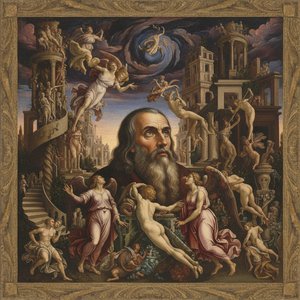
Mannerism Unveiled: The Dramatic Evolution of Renaissance Art and the Visionary Legacy of El Greco
Explore the dramatic transition from High Renaissance harmony to Mannerist tension. Discover how masters like El Greco redefined art through distortion and spiritual intensity. An expert guide for art enthusiasts seeking deep historical context and museum-quality inspiration.

ელ გრეკოს 25 შედევრი: ხელოვნების ისტორია თქვენს სახლში | TopImpressionists.com
აღმოაჩინეთ ელ გრეკოს 25 უნიკალური შედევრი! ესპანური ხელოვნების ბაროკო სტილი, რელიგიური ხატები და მანერიზმის სიმდიდრე თქვენს სახლში. შეიძინეთ ხატის რეპროდუქცია TopImpressionists.com-ზე და შექმნით ელიტური ინტერიერი. Explore the full collection online!
აღმოაჩინეთ ხელოვნების ნაწარმოებები თემების, სტილისა და მახასიათებლების მიხედვით დაჯგუფებული.


