


 ნახვა ინტერьерში
 გაგზავნა
 გაზიარება
 დეტალები
 გზამკვლევი

 ჩამოტვირთვა
 მსგავსები
 რენტგენოგრაფიული კვლევა
 სლაიდშოუ
 Q&A
Q&A სტატისტიკა
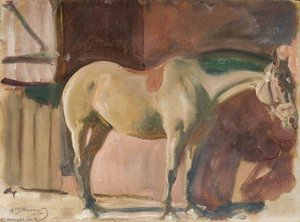
A Horse Drinking
 Oil On Canvas
- WallArt
- Impressionism
 1887
1887- 19th Century
 22.0 x 16.0 cm
A serene Impressionist study of a horse drinking from a trough by Eugène Louis Boudin captures the fleeting beauty of light and nature in this 1887 masterpiece, perfect for adding timeless elegance to your collection.
 სრული ტექსტის ნახვა
ევგენე ბუდინი (1824-1898) – პლეინისტილის ფუძემდებელი და მნიშვნელოვანი წინამორბედი იმპრესიონიზმისთვის! აღმოაჩინეთ მისი ატმოსფერული ზღვის სცენები, ნორმანდიელი 풍경ები და ნათლის შესანიშნავი შესწავლილებ!
გიკლე / ხელოვნების პრინტი
მუზეუმის დონის ჟიკლე ან ტილოზე ბეჭდვა სწრაფი წარმოებისა და დასრულების მოქნილი ვარიანტებით. ( შეიძინეთ ხელით შესრულებული ნახატი გადასვლა ციფრულ გამოსახულებაზე)




P118B ₾10

P118H ₾10

P118W ₾10

P438Z ₾10

P508JH ₾12

P508YH ₾12

P805H ₾10

P805Z ₾10

P919BZ ₾10

P919G ₾10

P919XJ ₾10

P959ZH ₾10

P968JZ ₾12

W106C ₾8

W218G ₾10

W218JH ₾8

W218Y ₾10

W307PJ ₾10

W316G ₾10

W316PJ ₾8

W316Y ₾10

W398PJ ₾8

W4111J ₾10

W500HY ₾15

W500JH ₾15

W692G ₾12

W849H ₾8

W940BG ₾15

W953PJ ₾8




სტანდარტული ზომა
ინდივიდუალური ზომა
CM
INCH
აირჩიეთ ჩვენს მიერ წინასწარ განსაზღვრული ზომებიდან, რომლებიც ნაწარმოების ორიგინალურ პროპორციებს შეესაბამება.
Loading sizes...

სიგანე
სიმაღლე
შეიყვანეთ თქვენთვის საჭირო სიგანე და სიმაღლე, რათა იგი მოერგოს თქვენს ჩარჩოს ან კედელს. ბეჭდვისას შესაძლებელია მხოლოდ მისი შემცირება და არა გაზრდა, ამიტომ სხვა ფორმის ზომის შემთხვევაში გამოსახულება ნაწილობრივ იკარგება. სანამ რაიმეს დაბეჭდავთ, ჩვენ გამოგიგზავნით ციფრულ მაკეტს დასდასტურებლად. ამ გვერდზე ნაჩვენები სურათი არ ასახავს რეალურ ჭრას — ამას მხოლოდ მაკეტი გვიჩვენებს.
მიწოდება მთელ მსოფლიოში () 2 კვირაში, სტანდარტული 4/5 კვირის ნაცვლად. (29 ოქტომბერი)

უფასო ექსპრეს მიწოდება მთელ მსოფლიოში

მაღალი ხარისხის ტილო

ტრანსპორტირების სრული დაზღვევა

საბაჟო გადასახადების დაბრუნების გარანტია

ფერების სრული შესაბამისობის გარანტია

დაბრუნების 100-დღიანი პერიოდი (მხოლოდ წარმოების დეფექტის შემთხვევაში)

100% თანხის სრული დაბრუნების გარანტია

ფასდაკლება დიდი რაოდენობით შეკვეთისას
 მინის ჩარჩოს არჩევანი ხელმისაწვდომია მხოლოდ 110 სმ-მდე ზომისთვის

A Horse Drinking
გიკლე / ხელოვნების პრინტი
რეპროდუქციის ზომა
-


ჯამური ღირებულება
₾ 180
A Moment Captured in Light: The Essence of Boudin’s Vision
In the quietude of 1887, Eugène Louis Boudin captured a scene of profound simplicity that resonates with the very soul of the Impressionist movement. A Horse Drinking is not merely a depiction of an animal at a trough; it is a masterful study of a fleeting moment, where the boundaries between nature and light begin to dissolve. The painting presents a horse bowed in a moment of tranquil necessity, its form rendered with a delicate touch that suggests both strength and vulnerability. As the eye wanders from the horse’s focused posture toward the soft, atmospheric background, one encounters a world where the mundane is elevated to the sublime through the artist's unparalleled ability to manipulate color and luminosity.
The composition invites the viewer into a pastoral narrative, where the presence of distant figures and a quiet dining table suggests a lived-in landscape, a slice of life caught in the amber of time. There is a rhythmic grace to the way Boudin positions his subjects, creating a sense of balance that feels both spontaneous and meticulously orchestrated. For the collector or interior designer, this piece offers more than just visual beauty; it provides an emotional anchor, a window into a period of art history where the pursuit of truth lay in the honest observation of light hitting a surface.
Technique and the Impressionist Spirit
Boudin, often celebrated as a precursor to Claude Monet, brings his signature plein air sensibility to this intimate work. His technique is characterized by a sophisticated use of a muted palette, where shades of gray, white, and soft earth tones coalesce to create a sense of atmospheric depth. Rather than relying on harsh outlines, Boudin employs nuanced brushstrokes that impart a tactile texture to the horse's coat, capturing the subtle interplay of light and shadow across its musculature. This approach allows the subject to emerge organically from the environment, as if the creature were woven from the very mist and morning light of the French countryside.
The artist’s mastery lies in his ability to avoid idealization, opting instead for a naturalistic detail that honors the reality of the scene. This commitment to capturing the "impression" of a moment—the way light reflects off water or how shadows soften at midday—is what makes this reproduction such a compelling choice for modern spaces. The painting does not demand attention through loud colors but earns it through a quiet, persistent beauty that rewards prolonged contemplation.
A Timeless Addition to the Curated Home
Integrating a work of this caliber into an interior design scheme offers an opportunity to introduce a sense of historical depth and serenity. Whether placed in a sun-drenched morning room or a sophisticated study, A Horse Drinking serves as a conversation piece that bridges the gap between the nineteenth-century French coast and contemporary elegance. The modest dimensions of the original work allow it to nestle intimately within a gallery wall or stand alone as a focal point of calm.
For those seeking to surround themselves with art that evokes emotion and intellect, this piece stands as a testament to the enduring legacy of Eugène Louis Boudin. It is an invitation to slow down, to observe the subtle variations in light, and to appreciate the quiet dignity found in the simplest of natural encounters. Owning a high-quality reproduction of this masterpiece allows the spirit of Impressionism to breathe within the modern home, offering a perennial source of inspiration and peace.
კითხვები და პასუხები
რა ფერი დომინირებს ევგენე ბუდინი-ის „A Horse Drinking“ კომპოზიციაში?
ევგენე ბუდინი-ის „A Horse Drinking“ ნამუშევრის დომინანტური ფერი არის Rosy Brown (#b6a895).
შესაძლებელია თუ არა ევგენე ბუდინი-ის „A Horse Drinking“-ის ნახვა სხვადასხვა განათების პირობებში?
ევგენე ბუდინი-ის „A Horse Drinking“-ის რენტგენოგრაფია გვერდი წარმოადგენს ინტერაქტიულ გამსინჯებელს, რომელიც საშუალებას გაძლევთ გადაიკვლიოთ ნამუშევრის თერთმეტი ოპტიკური ფენა, მათ შორის რენტგენოსებრი ხედიც.
რა არის ევგენე ბუდინი-ის „A Horse Drinking“-ის აღქმადი სიკაშკაშე?
ევგენე ბუდინი-ის „A Horse Drinking“-ის აღქმადი სიკაშკაშე არის shadow. ის შესაძლოა შეესაბამებოდეს განკუთვნილი სივრცის განათებას.
მსგავსი ნამუშევრები




მხატვრის ბიოგრაფია
Eugène Louis Boudin (1824–1898): Pioneer of plein air painting & key influence on Impressionism
Eugène Louis Boudin, born July 12th, 1824 in Honfleur, France—a town inextricably linked to the sea—was destined for a life devoted to capturing its ethereal beauty. His father, a harbor pilot, instilled within him from childhood an unwavering fascination with the ocean’s moods and captivating visual splendor – an influence that would become the bedrock of Boudin's artistic vision. Rather than pursuing the conventional academic routes favored by many artists of his time, young Eugène embarked on a path distinctively shaped by experience: he began his working life aboard a steamboat traversing between Le Havre and Honfleur at just ten years old. It was during these voyages that he first felt compelled to translate fleeting impressions of light and water onto canvas—the nascent genesis of a lifelong passion for landscape painting. The family’s subsequent relocation to Le Havre, where his father established a stationery and picture-framing business, further immersed Boudin in an artistic milieu brimming with talent and innovation. He worked alongside luminaries like Constant Troyon and Jean-François Millet, artists who championed the revolutionary technique of *plein air*—painting outdoors directly from nature—and encouraged Boudin’s burgeoning artistic sensibilities. These formative encounters steered him decisively away from commercial pursuits and toward a singular dedication to mastering the art of landscape representation.Developing a Unique Style: Plein Air Painting and Influences
Boudin's artistic trajectory was profoundly molded by several pivotal influences, most notably the teachings of Johan Jongkind, a Dutch painter who championed *plein air* painting with fervent conviction. Jongkind’s insistence on capturing atmospheric conditions as they unfolded before the artist’s eyes revolutionized Boudin’s approach to artmaking—a shift that would prove transformative for his oeuvre. He embraced this technique wholeheartedly, honing his skills at rendering the subtle nuances of sky and sea with unparalleled precision. Furthermore, Boudin drew inspiration from the artistic legacy of the 17th-century Dutch Masters – artists who meticulously scrutinized detail and skillfully employed atmospheric perspective to convey a sense of depth and realism—principles that resonated deeply within Boudin’s own artistic sensibilities. His pastel drawings, characterized by their delicate shading and harmonious color palettes, stand as testament to his unwavering commitment to capturing the essence of natural beauty. He was particularly captivated by the works of Jean Baptiste Camille Corot, whose serene landscapes served as a guiding light for Boudin's artistic explorations.Early Artistic Career & Parisian Connections
Boudin’s initial foray into art began modestly—working as a copyist at the Louvre—allowing him to immerse himself in the masterpieces of European art history and fostering an appreciation for classical composition. Simultaneously, he cultivated relationships with fellow artists who championed innovation and challenged artistic conventions. Among these influential figures were Gustave Courbet, Jean Baptiste Camille Corot, Claude Oscar Monet, and Charles Baudelaire – artists whose perspectives profoundly shaped Boudin’s artistic worldview. Notably, it was Claude Monet whom Boudin persuaded to adopt *plein air* painting—a pivotal moment that cemented Boudin's role as a catalyst for the Impressionist movement. This collaboration resulted in groundbreaking paintings that captured the fleeting beauty of sunlight on water and solidified Monet’s reputation as one of the foremost landscape painters of his era.Major Achievements & Recognition
Despite facing considerable challenges throughout his life—including debilitating health issues—Boudin persevered with unwavering determination, consistently exhibiting his work and mentoring younger artists who would later become celebrated figures in French art history. His paintings achieved significant commercial success, particularly his beach scenes which resonated deeply with the public’s aesthetic sensibilities. Recognizing Boudin's artistic merit, the French government initiated a series of acquisitions—beginning in 1888—that ensured his works were permanently enshrined within the Luxembourg Gallery. In 1892, he was awarded the Légion d’honneur—a prestigious honor bestowed upon him by the French state—acknowledging his enduring contribution to the nation's artistic heritage. Eugène Louis Boudin died August 8th, 1898 in Deauville, overlooking the English Channel – a final resting place that mirrored the boundless expanse of his artistic vision and cemented his legacy as one of France’s most influential landscape painters. His paintings continue to inspire admiration worldwide, serving as enduring reminders of the transformative power of observation and the sublime beauty of nature.
ევგენე ბუდინი
1824 - 1898 , საფრანგეთი
მოკლე ფაქტები
- Artistic Movement Or Style: იმპრესიონიზმი
- Artists Or Movements Influenced By This Artist:
- ხლოდ მონი
- მონი სტილი
- Artists Who Influenced This Artist:
- ხოჰან კონგინდი
- ნიდერლანდელი მხატვარი სებასტიან ფრანსის კოროტ
- Date Of Birth: 12 ივლისი 1824 წელი
- Date Of Death: 8 აგვისტო 1898 წელი
- Full Name: Eugène Louis Boudin
- Nationality: საფრანცელი
- Notable Artworks:
- მელა და კრაბი თეთრი টেবლისᅱ დაფაზე
- მზე ჩ მზის დგომა და სილამაზე
- ქალი ბავშვი პორტრეტი
- Place Of Birth: ხონფლూర్, საფრანცის სსქ
მსგავსი სტატიები

Beyond the Screen: Transforming Personal Memories into Timeless AI-Driven Anime Masterpieces
Experience the magic of digital metamorphosis. Transform your cherished photos into stunning, hand-painted anime masterpieces using our proprietary AI technology and professional artists. Elevate your personal story with a timeless, high-quality oil painting on canvas.
აღმოაჩინეთ ხელოვნების ნაწარმოებები თემების, სტილისა და მახასიათებლების მიხედვით დაჯგუფებული.


