


 ნახვა ინტერьерში
 გაგზავნა
 გაზიარება
 დეტალები
 გზამკვლევი

 ჩამოტვირთვა
 მსგავსები
 რენტგენოგრაფიული კვლევა
 სლაიდშოუ
 სტატისტიკა
Deep in Thought

Experience 'Deep in Thought' by Fernand Toussaint – a captivating Belgian Impressionist portrait. Hand-painted reproductions bring this elegant scene to life. Explore timeless beauty & artistic mastery.
A master of Impressionist and Art Nouveau portraiture, Fernand Toussaint captured the grace of women in iconic works like Spring, inviting you to discover the timeless elegance and delicate charm of his Belgian heritage.
 სრული ტექსტის ნახვა
ხელით შესრულებული ზეთის საღებავით რეპროდუქცია
ტილოზე შესრულებული ფერწერიანი ზეთប្រდათი, თქვენთვის სასურველი ზომისა და ჩარჩოსთვის, ჩვენი ხელოვანების მიერ შეკვეთის საფუძველზე დამზადებული. ( გადართვა ბეჭდვის რეჟიმზე გადასვლა ციფრულ გამოსახულებაზე)




P118B ₾10

P118H ₾10

P118W ₾10

P438Z ₾10

P508JH ₾12

P508YH ₾12

P805H ₾10

P805Z ₾10

P919BZ ₾10

P919G ₾10

P919XJ ₾10

P959ZH ₾10

P968JZ ₾12

W106C ₾8

W218G ₾10

W218JH ₾8

W218Y ₾10

W307PJ ₾10

W316G ₾10

W316PJ ₾8

W316Y ₾10

W398PJ ₾8

W4111J ₾10

W500HY ₾15

W500JH ₾15

W692G ₾12

W849H ₾8

W940BG ₾15

W953PJ ₾8




სტანდარტული ზომა
ინდივიდუალური ზომა
CM
INCH
აირჩიეთ ჩვენს მიერ წინასწარ განსაზღვრული ზომებიდან, რომლებიც ნაწარმოების ორიგინალურ პროპორციებს შეესაბამება.
Loading sizes...

სიგანე
სიმაღლე
თქვენ შეგიძლიათ მიუთითოთ თქვენთვის სასურველი ზომები კონკრეტული ჩარჩოს ან სივრცის შესაბამისად. თუ თქვენ მიერ არჩეული ზომა არ შეესაბამება ორიგინალი გამოსახულების პროპორციებს, ჩვენ ან შევაჭრებთ ნაწარმოებს, ან ტილოზე დავამატებთ ხელით მოხატულ ელემენტებს. წარმოების დაწყებამდე, დასამტკიცებლად გამოგეგზავნებათ ციფრული მაკეტი.
გთხოვთ, გაითვალისწინოთ, რომ ეკრანზე ნაჩვენები წინასწარი შეხედულება არ ასახავს რეალურ შეჭრას ან გაფართოებას. საბოლოო კომპოზიციას ზუსტად მხოლოდ მაკეტი წარმოაჩენს.
მიუხედავად იმისა, რომ შესაძლებელია ინდივიდუალური ზომების შერჩევა, ორიგინალური პროპორციების შენარჩუნებისათვის გირჩევთ, გამოიყენოთ წინასწარ განსაზღვრული სიის ზომები.
რა შეიძლება შეიცვალოს: სახის ჩანაცვლება მომხმარებლის ფოტოთი; შინაური ცხოველის დამატება (მაგ., კატის ჩანაცვლება ძაღლით); ფონზე ფარული შეტყობინების დამატება; ფონის პეიზაჟის ან ელემენტების შეცვლა.
შეკვეთის შემდეგ, TopImpressionists.com გუნდი დაგიკავშირდებათ ელექტრონული ფოსტით ინსტრუქციებისთვის და გამოგიგზავნით წინასწარ ნახაზს (mockup).
შეკვეთის შემდეგ, TopImpressionists.com გუნდი დაგიკავშირდებათ ელექტრონული ფოსტით ინსტრუქციებისთვის და გამოგიგზავნით წინასწარ ნახაზს (mockup).
მიწოდება მსოფლიო მასშტაბით -ში 3/4 კვირაში, სტანდარტული 5 კვირის ნაცვლად. (4 ოქტომბერი). ხარისხზე კომპრომისის გაკეთება არ მოხდება.

უფასო ექსპრეს მიწოდება მთელ მსოფლიოში

მაღალი ხარისხის ტილო

ტრანსპორტირების სრული დაზღვევა

საბაჟო გადასახადების დაბრუნების გარანტია

ფერების სრული შესაბამისობის გარანტია

დაბრუნების 100-დღიანი პერიოდი (მხოლოდ წარმოების დეფექტის შემთხვევაში)

100% თანხის სრული დაბრუნების გარანტია

ფასდაკლება დიდი რაოდენობით შეკვეთისას
 მინის ჩარჩოს არჩევანი ხელმისაწვდომია მხოლოდ 110 სმ-მდე ზომისთვის

Deep in Thought
რეპროდუქციის ტექნიკა
რეპროდუქციის ზომა
-


ჯამური ღირებულება
₾ 703
მსგავსი ნამუშევრები


მხატვრის ბიოგრაფია
The Grace of the Belgian School
Born into an upper-middle-class family in Brussels, Belgium, Fernand Toussaint emerged as a luminous figure within the 19th-century Belgian School. His journey into the heart of the arts began at the tender age of fifteen, when he entered the Académie Royale des Beaux-Arts in his native city. Under the rigorous and demanding guidance of Jean-François Portaels, Toussaint mastered the essential art of drawing, a foundation that would later allow him to marry technical precision with an ethereal, flowing sensibility. This academic discipline provided the scaffolding for a career that would eventually traverse the great artistic capitals of Europe, most notably Paris, where he sought to refine his vision under the mentorship of the renowned Belgian portraitist Alfred Stevens.
Toussaint’s evolution as an artist was marked by a sophisticated synthesis of styles. While his training was rooted in classical draftsmanship, his brushwork embraced the light and movement of Impressionism, the decorative elegance of Art Nouveau, and the emotive textures of Post-Impressionism. He possessed a rare ability to capture the fleeting essence of a moment, whether through the delicate play of light on a silk gown or the quiet stillness of a floral arrangement. His work often evoked a sense of nostalgic charm, drawing inspiration from the poetic sensibilities of English masters such as Thomas Lawrence and John Constable, which infused his portraits with a unique, sentimental grace.
A Mastery of Subject and Light
The true heart of Toussaint’s oeuvre lies in his profound devotion to the female form and the intimate beauty of the domestic sphere. He was widely celebrated as an undisputed master of capturing the grace and charm of women, a skill that earned him immense critical acclaim. His portraits were not merely likenesses but atmospheric studies of elegance, often featuring subjects lost in thought or engaged in quiet, refined activities. Beyond his figurative works, Toussaint excelled in creating breathtaking still lifes and landscapes. He held a particular predilection for roses in full bloom, painting them with an opulence of palette that breathed life into every petal, and his coastal views and seascapes offered a peaceful, intimate window into the natural world.
His versatility extended beyond the canvas into the realm of graphic arts, where he became a sought-after creator of commercial posters for various official events. This ability to navigate both high art and popular illustration speaks to his profound understanding of visual communication and aesthetic appeal. The breadth of his technical repertoire included:
- Oil Paintings: Characterized by a harmonious blend of tones and an expressive, impressionistic handling of paint.
- Watercolours: Showcasing a delicate touch and a mastery of transparency and light.
- Lithographs and Posters: Demonstrating his skill in large-scale graphic design and commercial elegance.
Legacy and Recognition
Throughout his illustrious career, Toussaint’s contributions to the Belgian and French art scenes were honored with prestigious accolades. His talent was recognized early on when he was awarded a third-class medallion at the French Artists Salon in Paris in 1901. The pinnacle of his professional achievement arrived in 1929, when he was awarded the Gold Medal at the Paris Salon for his painting Spring. This particular work achieved such widespread admiration that it was featured in the influential Parisian magazine L’Illustration, cementing his status as a celebrated figure of his era.
Toussaint’s historical significance resides in his ability to broaden the horizons of the peaceful and intimate landscape, as noted by contemporary critics. He bridged the gap between the formal traditions of the academy and the modern, sensory-driven approaches of the late 19th and early 20th centuries. Even today, his works continue to captivate collectors with their timeless beauty, refined taste, and the enduring, quiet magic of his compositions.

Fernand Toussaint
1873 - 1956 , Belgium
მოკლე ფაქტები
- Artistic Movement Or Style: Impressionism, Art Nouveau, Post-Impressionism
- Artists Who Influenced This Artist:
- Jean-François Portaels
- Alfred Stevens
- Full Name: Fernand Toussaint
- Nationality: Belgian
- Notable Artworks:
- Jeune Fille Regardant un Tableau de Fragonard
- Lady with Parasol
- An Elegant Woman
- Deep in Thought
- Spring
- The White Dress
- Place Of Birth: Brussels, Belgium
- Date Of Birth: 1873
- Date Of Death: 1956
მსგავსი სტატიები
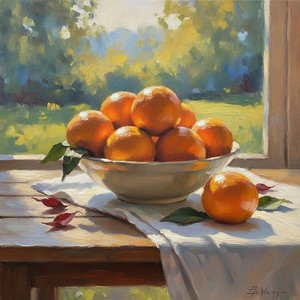
Sun-Drenched Citrus: The Vibrant Beauty of Oranges in Impressionist Masterpieces
Embark on a sensory journey through Impressionist masterpieces. Discover how Renoir and Cézanne captured the vibrant light and luscious textures of sun-drenched oranges in exquisite still life paintings designed to inspire and transform your home.

Luminous Stillness: Capturing the Beauty of Everyday Domestic Moments in Impressionism
Revisit the luminous beauty of everyday moments. Discover how Impressionist masters captured domestic intimacy through light and color. TopImpressionists.com offers exquisite, hand-painted oil reproductions to bring this timeless serenity into your home.

Dining Room Elegance: Transforming Your Space with Impressionist Masterpieces
Elevate your dining room with the luminous beauty of Impressionist masterpieces. Discover how hand-painted Claude Monet and Renoir reproductions can transform your space into a sanctuary of light, color, and timeless elegance for your home.

Capturing the Soul: The Most Emotionally Moving Impressionist and Post-Impressionist Masterpieces
Discover the profound emotional depth of Impressionist and Post-Impressionist masterpieces. Explore how legends like Monet, Van Gogh, and Gauguin captured light and soul through evocative landscapes and vibrant brushwork for a timeless connection to art history.

Timeless Elegance: Unveiling the Luminous Soul of Impressionist Masterpieces
Immerse yourself in the luminous beauty of Impressionist masterpieces. TopImpressionists.com offers premium, hand-painted oil reproductions and bespoke commissions. From Monet's light to Van Gogh's texture, we transform memories into fine art with unmatched expertise and elegance.