


 ნახვა ინტერьерში
 გაგზავნა
 გაზიარება
 დეტალები
 გზამკვლევი

 ჩამოტვირთვა
 მსგავსები
 რენტგენოგრაფიული კვლევა
 სლაიდშოუ
 სტატისტიკა
July 20th


Fernando Botero's "July 20th" captures a vibrant street scene with exaggerated figures and bold colors, reflecting Colombian culture & Botero’s signature style. Explore this iconic painting!
 სრული ტექსტის ნახვა
ფერნანდო ბოტერო - კოლუმბიელი მხატვარი, ცნობილი თავისი გამსხომარე ფორმებითა და ფერადი სურათებით. მისი ნამუშევრები გამოირჩევა სატირულობითა და უნიკალური ხედვით. მსოფლიოში აღიარებული ხელოვანი.
გიკლე / ხელოვნების პრინტი
მუზეუმის დონის ჟიკლე ან ტილოზე ბეჭდვა სწრაფი წარმოებისა და დასრულების მოქნილი ვარიანტებით. ( შეიძინეთ ხელით შესრულებული ნახატი გადასვლა ციფრულ გამოსახულებაზე)




P118B ₾10

P118H ₾10

P118W ₾10

P438Z ₾10

P508JH ₾12

P508YH ₾12

P805H ₾10

P805Z ₾10

P919BZ ₾10

P919G ₾10

P919XJ ₾10

P959ZH ₾10

P968JZ ₾12

W106C ₾8

W218G ₾10

W218JH ₾8

W218Y ₾10

W307PJ ₾10

W316G ₾10

W316PJ ₾8

W316Y ₾10

W398PJ ₾8

W4111J ₾10

W500HY ₾15

W500JH ₾15

W692G ₾12

W849H ₾8

W940BG ₾15

W953PJ ₾8




სტანდარტული ზომა
ინდივიდუალური ზომა
CM
INCH
აირჩიეთ ჩვენს მიერ წინასწარ განსაზღვრული ზომებიდან, რომლებიც ნაწარმოების ორიგინალურ პროპორციებს შეესაბამება.
Loading sizes...

სიგანე
სიმაღლე
თქვენ შეგიძლიათ მიუთითოთ საკუთარი ზომები კონკრეტული ჩარჩოსთვის ან სივრცისთვის მოსარგებლებლად. თუ თქვენ მიერ არჩეული ზომა არ შეესაბამება ორიგინალი გამოსახულების პროპორციებს, ჩვენ ან დავჭრით ნამუშევარს, ან გავაფართოვებთ გამოსახულებას სარკული ან ერთფეროვანი კიდეებით. წარმოების დაწყებამდე თქვენს დასამტკიცებლად გამოგეგზავნებათ ციფრული მაკეტი.
გთხოვთ, გაითვალისწინოთ, რომ ეკრანზე ნაჩვენები წინასწარი ნახვა არ ასახავს რეალურ ჭრას ან გაფართოებას. მხოლოდ მაკეტზე იქნება ზუსტად წარმოდგენილი საბოლოო კომპოზიცია.
მიუხედავად იმისა, რომ ინდივიდუალური ზომები ხელმისაწვდომია, ორიგინალური პროპორციების შესანარჩუნებლად გირჩევთ, აირჩიოთ ზომა წინასწარ განსაზღვრული სიისგან.
მიწოდება მთელ მსოფლიოში () 2 კვირაში, სტანდარტული 4/5 კვირის ნაცვლად. (3 ოქტომბერი)

უფასო ექსპრეს მიწოდება მთელ მსოფლიოში

მაღალი ხარისხის ტილო

ტრანსპორტირების სრული დაზღვევა

საბაჟო გადასახადების დაბრუნების გარანტია

ფერების სრული შესაბამისობის გარანტია

დაბრუნების 100-დღიანი პერიოდი (მხოლოდ წარმოების დეფექტის შემთხვევაში)

100% თანხის სრული დაბრუნების გარანტია

ფასდაკლება დიდი რაოდენობით შეკვეთისას
 მინის ჩარჩოს არჩევანი ხელმისაწვდომია მხოლოდ 110 სმ-მდე ზომისთვის

July 20th
გიკლე / ხელოვნების პრინტი
რეპროდუქციის ზომა
-


ჯამური ღირებულება
₾ 180
The Weight of the Moment: Unpacking "July 20th"
Fernando Botero’s “July 20th,” painted in 1984, isn't merely a depiction of two figures on a street; it’s a carefully constructed tableau brimming with quiet drama and subtle social commentary. The painting immediately arrests the eye with its monumental scale – a characteristic hallmark of Botero’s signature style, often referred to as “Boterismo.” Here, however, the exaggeration isn't purely for spectacle. Instead, it serves to amplify the emotional weight of the scene, drawing us into an intimate moment of interaction amidst the bustling backdrop of Medellín.
The composition is deceptively simple: a man in a fedora and sporting a baseball bat stands alongside a woman whose hand instinctively rises to her face. Their positioning – close but not touching – suggests a conversation held just short of revelation, a shared experience suspended in time. A few secondary figures populate the periphery, hinting at a larger urban life unfolding beyond this immediate exchange. The inclusion of a handbag and a small child adds layers of domesticity, grounding the scene within the everyday realities of Colombian society.
The Language of Volume: Botero’s Distinctive Technique
Botero's genius lies in his masterful manipulation of volume – a technique he honed during his early years observing the Baroque churches and vibrant street life of Medellín. “July 20th” exemplifies this perfectly. The figures are rendered with thick, almost sculptural brushstrokes, their forms ballooning outwards, creating an illusion of immense size and solidity. This deliberate distortion isn’t about literal representation; it's a conscious choice to emphasize the subjects’ presence and imbue them with a sense of weight and importance. Notice how the man’s bat seems to expand into a formidable weapon, while the woman’s gesture – a subtle shield against an unseen force – adds another layer of complexity.
- Bold Outlines: Botero frequently employs strong outlines to define the shapes and forms within his paintings.
- Exaggerated Proportions: Figures are often depicted with disproportionately large bodies, contributing to the overall sense of monumentality.
- Rich Color Palette: The painting utilizes a vibrant yet restrained color palette, dominated by earthy tones punctuated by pops of red and yellow – colors that evoke both warmth and a subtle undercurrent of tension.
Historical Context & The Spirit of Medellín
Painted in 1984, “July 20th” reflects the social and political climate of Colombia at the time. The country was grappling with internal conflict and economic instability, and Botero’s work often engaged with themes of violence, inequality, and the complexities of Colombian identity. The painting can be interpreted as a meditation on human connection amidst societal pressures – a quiet moment of intimacy within a world marked by uncertainty. It's also worth noting that July 20th is Colombia's Independence Day, adding another layer of cultural significance to the scene.
The choice of Medellín as the setting is crucial. The city’s rich artistic heritage and its distinctive architectural style – characterized by ornate facades and a sense of grandeur – undoubtedly influenced Botero’s aesthetic sensibilities. “July 20th” captures this spirit, transporting us to a vibrant urban landscape where everyday life unfolds against a backdrop of historical and cultural richness.
A Moment Frozen in Time: Emotional Resonance
Despite its seemingly simple composition, “July 20th” possesses a remarkable emotional depth. The ambiguity of the interaction between the two figures invites speculation – are they lovers? Friends? Strangers caught in a fleeting moment of connection? The painting’s power lies in its ability to evoke a sense of nostalgia and quiet contemplation. It's a reminder that even within the most chaotic of environments, moments of genuine human connection can emerge, offering a glimpse into the complexities of the human experience. The painting’s enduring appeal stems from its ability to resonate with viewers on a deeply personal level, prompting them to reflect on their own relationships and experiences.
კითხვები და პასუხები
არის თუ არა ფერნანდო ბოტერო-ის „July 20th“ საჯარო დომენში?
ფერნანდო ბოტერო-ის „July 20th“ არის კვლავ დაცულია საავტორო უფლებით. ეს სტატუსი განსაზღვრავს, თუ როგორ შეიძლება ნამუშევრის გამოსახულების რეპროდუცირება.
რამდენი წლის იყო ფერნანდო ბოტერო, როდესაც 1984 წელს შექმნა „July 20th“?
ფერნანდო ბოტერო-მა „July 20th“ 52 წლის ასაკში შექმნა. ხელოვანმა დაიბადა 1932, ნამუშევრის თარიღგადასახელება კი 1984-ია.
როდის შეიქმნა "July 20th"?
ფერნანდო ბოტერო-ის „July 20th“ შეიქმნა 1984 წელს.
რას გამოსახავს "July 20th" და როგორი ატმოსფერო აქვს მას?
"July 20th" ასახავს fernando botero, colombian art, volume, figures, street scene, 1984, urban life, baroque-ს, ხოლო მისი განწყობა არის Dramatic.
დაშვებია თუ არა კანონიერად ფერნანდო ბოტერო-ის „July 20th“-ის რეპროდუცირება, რომელიც კოლუმბიის ეროვნული მუზეუმი-ში ინახება?
ფერნანდო ბოტერო-ის „July 20th“, რომელიც კოლუმბიის ეროვნული მუზეუმი-ში ინახება, არის კვლავ დაცულია საავტორო უფლებით. ეს სტატუსი განსაზღვრავს, შესაძლებელია თუ არა ამ გამოსახულების რეპროდუქციების შექმნა.
რა სივრცეა რეკომენდებული ფერნანდო ბოტერო-ის „July 20th“-ისთვის?
ფერნანდო ბოტერო-ის „July 20th“ რეკომენდებულია Living Room-ისთვის. ეს შეთავაზება ეფუძნება ნამუშევრის თემატიკას, ფერებსა და განწყობას.
ვინ არის „July 20th“-ის ავტორი?
სამ 작품ის „July 20th“ ავტორი არის ფერნანდო ბოტერო. ნამუშევარი დატრიალებულია ფერნანდო ბოტერო-ის სახელით.
მხატვრის ბიოგრაფია
ფერნანდო ბოტეროს ცხოვრება და შემოქმედება
1932 წელს, კოლუმბიის ქალაქ მედელინში დაბადებული ფერნანდო ბოტერო ანგულო ლათინური ამერიკის ერთ-ერთმა სახელოვანი მხატვარმა და საერთაშორისოდ აღიარებულმა ხელოვანმა იქცა. მისი გზა არ დაიწყო სამხატვრო აკადემიების კედლებში, არამედ მშობლიური ქალაქის ხალისიან ცხოვრებაში და ბაროკოს სიდიდეში. ახალგაზრდა ბოტერო იზოლირებული იყო ტრადიციული მხატვრობის მიმდინარეობებისგან, მაგრამ შთაგონებას ეძებდა მედელინის ძველი კოლონიური ეკლესიებისა და მო bustling ქალაქის სცენებში – ეს გამოცდილება მნიშვნელოვნად ჩამოაყალიბა მის უნიკალურ ესთეტიკურ ხედვას. ადრეულმა პერიოდმა მასში გაიღვივა პრიმიტივისტული გრძნობა, მარტივი და ძლიერი ფორმების სიყვარული, რაც მისი სტილის ერთ-ერთმა გამორჩეულმა ნიშანმა იქცა. თავდაპირველად მიიზიდა ბულფაითინგის დრამატული მხარე, მან ხატვის ხელოვნება შეაფასა და სწრაფად გააცნობიერა, რომ მისი გზა არენაზე კი არა, ფორმისა და მოცულობის უფრო ფართო შესწავლაში მდებარეობდა.„ბოტერიზმის“ ჩანაწვერი
ბოტეროს მხატვრული განვითარება ევროპული მოდერნიზმისგან განზრახი განშორებით აღინიშნა. მადრიდსა და პარიზში სწავლის შემდეგ, ის იმედგაცრუებული იყო არსებულ ავანგარდულ მოძრაობებში. ამიტომ მან შინაგანი სამყაროსკენ მიმართა, ძველი ოსტატების – ველასკესის, გოიასა და ტიციანის –განმანათლებელი სხივები ეძებდა და კლასიკური ფორმის ძალას აღმოაჩნდა. ამ შესწავლამ გამოიწვია „ბოტერიზმის“ დაბადება - სტილი, რომელიც მასიური მოცულობით ხასიათდება. ეს არ იყო მხოლოდ „სუქნი ადამიანების“ გამოსახვა, როგორც ზოგიერთი კრიტიკოსი უბრალოდ ამტკიცებდა; ეს იყო პროპორციების შეგნებული მანიპულირება, სენსუალობისა და სიუხტის აღნიშვნა, ასევე საზოგადოებრივი და პოლიტიკური რეალობების ფარული კომენტარი. მისი ფიგურები – ადამიანები, ცხოველები ან უძრავი ბუნება – მონუმენტალური მასით გამოირჩეოდა, რაც თბილობასა და მშვიდ იღიმის სურნელს აფრქვევდა. 1960-იან წლების დასაწყისში ეს სტილი განმტკიცდა, ხოლო „პრეზიდენტული ოჯახი“ (1967) მისი ამაღლებულ ესთეტიკის სიმბოლოდ იქცა. ეს ნამუშევარი, კერძოდ, რბილად დასცინოდა კოლუმბიის პოლიტიკურ ელიტას, ხოლო ერთდროულად წარმოაჩენდა ბოტეროს მომრგვალებული ფორმების მომხიბლავ ძალას.ჰორიზონტის გაფართოება: სკულპტურა და მის ფარგლებს გარეთ
მიუხედავად იმისა, რომ თავდაპირველად ხატებით იყო ცნობილი, ბოტეროს მხატვრული ამბიცია 1973 წელს პარიზში გადასვლასთან ერთად სკულპტურამდეც მიაღწია. ეს გარდაქმნა მნიშვნელოვანი აღმოჩნდა, რადგან მას მოცულობისა და ფორმის სამ განზომილებიან შესწავლაში საშუალება მისცა. მისი მონუმენტალური ბრინჯაოს ქანდაკებები მთელ მსოფლიოში გამოჩნდა – პარკებში ნიუ-იორკში, ფლორენციასა და მედელინში – ხელოვნების ხალხის საყვარელი სიმბოლოდ იქცა. ეს სკულპტურები მისი ნახატების მასშტაბური ვერსიები არ იყო; მათ ჰქონდათ უნიკალური ფიზიკურობა, რაც მაყურებელს საშუალებას აძლევდა მათ შეხებაში ჩართულიყო. ხატვისა და სკულპტურის გარდა, ბოტერომ მრავალფეროვნება გამოავლინა ნახატებითა და კოლაჟებით, ხშირად პოლიტიკურად დამუხტული თემების აღსრულებით. მისი „ძალადობის“ სერია, რომელიც შეიქმნა კოლუმბიაში გაღრმავებული კონფლიქტის პასუხად, ძლიერ მოწმობას წარმოადგენდა მისი საზოგადოებრივი კომენტარის ერთგულების შესახებ. ასევე, მისი „აბუ-გრაიბის“ სერიამ პირდაპირ მიმართა ირაკლის ციხეში განხორციელებულ ზეცდომას, რაც მის ხელოვნებით რთული ჭეშმარიტებების წინააღმდეგ ბრძოლის ნებას აჩვენებს.მემკვიდრეობა და გავლენა
ფერნანდო ბოტეროს გავლენა სამხატვრო სამყაროზე უდავოდ დიდია. ის კოლუმბიის კულტურულ სიმბოლოდ იქცა, რომელმაც მუზეუმებსა და საზოგადოებრივ სივრცეებში თავიანთი ნივთები გალანტურად შესწირა, რაც მის ადგილს ეროვნულ საგანძურად განამყარებს. მისი ნამუშევრები გეოგრაფიულ საზღვრებს transcendence-ს ახორციელებენ და მსოფლიოს მასშტაბის აუდიტორიას აღმოაჩენს ადამიანობის, სენსუალობისა და სოციალური კრიტიკის უნივერსალურ თემებს. მიუხედავად იმისა, რომ ზოგმა თავდაპირველად „ბოტერიზმს“ მხოლოდ სტილისტურად უცნაურად შეაფასა, მას შემდეგ ის ფიგურატიული ხელოვნების მნიშვნელოვან წვლილად აღიარეს. მან შეარყია სილამაზის და პროპორციების ტრადიციული წარმოდგენები, რაც მაყურებელს აიძულებს ადამიანური ფორმის აღქმაზე გადახედოს. მისი გავლენა ჩანს თანამედროვე მხატვრების ნამუშევრებში, რომლებიც სხეულის იმიჯის, სოციალური სატირისა და კულტურული იდენტობის თემებს შეეხნენ. ბოტეროს მემკვიდრეობა მისი მხატვრული მიღწევების ფარგლებს გასცდება; მან ლათინური ამერიკის მხატვრების მთელ თაობას შთააგონა, რომ საკუთარი უნიკალური ხმები და პერსპექტივები გამოეცხადებინათ. ის 2023 წლის სექტემბერში გარდაიცვალა 91 წლის ასაკში, დატოვა არაჩვეულებრივი ნამუშევრების კოლექცია, რომელიც აგრძელებს ადამიანების აღტაცებასა და ფიქრს.
ფერნანდო ბოტერო
1932 - 1959 , საქართველო
მოკლე ფაქტები
- Artistic Movement Or Style: ბოტერიზმი, პრიმიტივიზმი
- Artists Who Influenced This Artist:
- დიეგო რივერა
- ფრანცისკო დე გოია
- დიეგო ველასკესი
- Date Of Birth: 19 აპრილი, 1932
- Date Of Death: 15 სექტემბერი, 2023
- Full Name: ფერნანდო ბოტერო ანგულო
- Nationality: კოლუმბიელი
- Notable Artworks (List Of Titles):
- მონა ლიზა, 12 წლის ასაკში
- პრეზიდენტული ოჯახი
- სარკეებში ცეკვები
- Place Of Birth (City And Country): მედელინი, კოლუმბია
მსგავსი სტატიები

High-Volume Art Prints: A Professional Procurement Guide to Quality, Scale, and Archival Durability for Hospitality Design
A professional procurement guide for hotel designers and managers. Learn to navigate high-volume art orders with ease, focusing on Giclée quality, archival durability, scalable sizing, and efficient global logistics for large-scale hospitality projects.
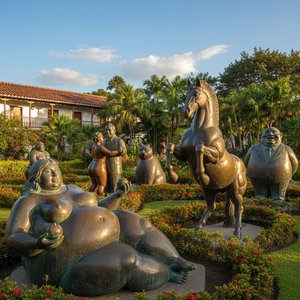
Fernando Botero: Celebrating Volume, Form & Colombian Identity
Explore the captivating world of Fernando Botero! Discover his iconic 'Boterismo' style, Colombian influences, investment potential & lasting legacy. Expert insights for art collectors.

Curating Excellence: Premium High-Volume Art Solutions for Luxury Hotels & Global Gallery Dealers
Elevate your hospitality brand with TopImpressionists’s premium high-volume art solutions. We provide hotel directors and dealers with museum-quality, hand-painted oil reproductions, bespoke architectural murals, and seamless global logistics to transform luxury spaces into timeless legacies.

გიოტოს 25 შედევრი: რენესანსის წინასამძიმრო და ხელოვნების ახალი ეპოქა | TopImpressionists
აღმოაჩინეთ გიოტოს 25 უნიკალური შედევრი! რენესანსის ეპოქის ფრესკები, მადონას გამოსახულებები და იტალიური ხელოვნების საუკეთესო ნიმუშები TopImpressionists-ზე. ხარისხიანი რეპროდუქციები თქვენი სახლისთვის. Explore the full collection online!

გაზარდეთ თქვენი ხელოვნების გალერეის გლობალური reach TopImpressionists-თან ერთად: ექსკლუზიური შესაძლებლობა საერთაშორისო აღიარებისთვის
აღმოაჩინეთ TopImpressionists-ის ექსკლუზიური შესაძლებლობები. გაზარდეთ თქვენი ხელოვნების გალერეის გლობალური reach და შექმენით უნიკალური მემკვიდრეობა მაღალი ხარისხის, ხელნაწერი შედევრების მეშვეობით. პროფესიონალიზმი, ნდობა და საერთაშორისო აღიარება თქვენი კოლექციისთვის.
აღმოაჩინეთ ხელოვნების ნაწარმოებები თემების, სტილისა და მახასიათებლების მიხედვით დაჯგუფებული.

