


 ნახვა ინტერьерში
 გაგზავნა
 გაზიარება
 დეტალები
 გზამკვლევი

 ჩამოტვირთვა
 მსგავსები
 რენტგენოგრაფიული კვლევა
 სლაიდშოუ
 სტატისტიკა
The Blessing Christ
 Oil On Panel
- Hispano-Flemish Style
 1492
1492- Renaissance
 169.0 x 132.0 cm
 Museo del Prado
Fernando Gallego's 'The Blessing Christ,' painted in 1492, exemplifies the Hispano-Flemish style with intricate detail and vibrant colors—a masterpiece reflecting religious devotion during the Renaissance.
 სრული ტექსტის ნახვა
ფერნანდო გალეგო (დაახლ. 1440-1507) იყო ესპანური ჰისპანო-ფლემური სტილის საკვანძო მხატვარი. ცნობილია დეტალური რელიგიური ალტარებით, მკვეთრი ილუზიონიზმით და ისეთი ნამუშევრებით, როგორიცაა სიუდად როდრიგოს რეტაბლო. აღმოაჩინეთ მისი მემკვიდრეობა!
გიკლე / ხელოვნების პრინტი
მუზეუმის დონის ჟიკლე ან ტილოზე ბეჭდვა სწრაფი წარმოებისა და დასრულების მოქნილი ვარიანტებით. ( შეიძინეთ ხელით შესრულებული ნახატი გადასვლა ციფრულ გამოსახულებაზე)




P118B ₾10

P118H ₾10

P118W ₾10

P438Z ₾10

P508JH ₾12

P508YH ₾12

P805H ₾10

P805Z ₾10

P919BZ ₾10

P919G ₾10

P919XJ ₾10

P959ZH ₾10

P968JZ ₾12

W106C ₾8

W218G ₾10

W218JH ₾8

W218Y ₾10

W307PJ ₾10

W316G ₾10

W316PJ ₾8

W316Y ₾10

W398PJ ₾8

W4111J ₾10

W500HY ₾15

W500JH ₾15

W692G ₾12

W849H ₾8

W940BG ₾15

W953PJ ₾8




სტანდარტული ზომა
ინდივიდუალური ზომა
CM
INCH
აირჩიეთ ჩვენს მიერ წინასწარ განსაზღვრული ზომებიდან, რომლებიც ნაწარმოების ორიგინალურ პროპორციებს შეესაბამება.
Loading sizes...

სიგანე
სიმაღლე
შეიყვანეთ თქვენთვის საჭირო სიგანე და სიმაღლე, რათა იგი მოერგოს თქვენს ჩარჩოს ან კედელს. ბეჭდვისას შესაძლებელია მხოლოდ მისი შემცირება და არა გაზრდა, ამიტომ სხვა ფორმის ზომის შემთხვევაში გამოსახულება ნაწილობრივ იკარგება. სანამ რაიმეს დაბეჭდავთ, ჩვენ გამოგიგზავნით ციფრულ მაკეტს დასდასტურებლად. ამ გვერდზე ნაჩვენები სურათი არ ასახავს რეალურ ჭრას — ამას მხოლოდ მაკეტი გვიჩვენებს.
მიწოდება მთელ მსოფლიოში () 2 კვირაში, სტანდარტული 4/5 კვირის ნაცვლად. (24 ოქტომბერი)

უფასო ექსპრეს მიწოდება მთელ მსოფლიოში

მაღალი ხარისხის ტილო

ტრანსპორტირების სრული დაზღვევა

საბაჟო გადასახადების დაბრუნების გარანტია

ფერების სრული შესაბამისობის გარანტია

დაბრუნების 100-დღიანი პერიოდი (მხოლოდ წარმოების დეფექტის შემთხვევაში)

100% თანხის სრული დაბრუნების გარანტია

ფასდაკლება დიდი რაოდენობით შეკვეთისას
 მინის ჩარჩოს არჩევანი ხელმისაწვდომია მხოლოდ 110 სმ-მდე ზომისთვის

The Blessing Christ
გიკლე / ხელოვნების პრინტი
რეპროდუქციის ზომა
-


ჯამური ღირებულება
₾ 180
The Divine Radiance of Fernando Gallego's Blessing Christ
To stand before this magnificent depiction of The Blessing Christ is to step directly into the devotional heart of late 15th-century Spain. This panel, executed by the masterful hand of Fernando Gallego, transcends mere religious illustration; it is a vibrant tapestry woven from faith, artistry, and profound spiritual energy. The central figure, Jesus Christ, enthroned and raising his hands in benediction, commands immediate reverence. His presence radiates an almost palpable sense of divine authority, yet this power is softened by the surrounding celestial chorus. Gallego has captured that perfect moment where the eternal meets the earthly, inviting the viewer into a sacred, richly decorated narrative space.
A Fusion of Styles: The Hispano-Flemish Touch
Fernando Gallego stands as a pivotal figure in art history, an artist whose genius lay in synthesizing disparate artistic currents. As a master of the Hispano-Flemish Style, his work speaks volumes about the cultural exchange occurring between Northern European realism and the burgeoning grandeur of the Italian Renaissance within Spain. One can observe the meticulous detail characteristic of Flemish painting—the crisp rendering of drapery, the lifelike quality of the surrounding figures, even the inclusion of a humble dog near the base, grounding the divine scene in relatable reality. The palette itself, dominated by deep reds and opulent golds, is not merely decorative; it serves to amplify the sacred weight of the subject matter, drawing the eye inexorably toward Christ’s blessing.
Symbolism Woven into Gold and Pigment
Every element within this composition seems imbued with symbolic meaning. The surrounding angels, depicted in various states of song or musical accompaniment, form a heavenly choir supporting the central mystery. They are not mere background decoration; they are active participants in the divine proclamation. Consider the placement of the figures: the solemn individual on the far left, the attendant at the center-left, and the figure standing behind Christ to the right—each contributes to the narrative depth, suggesting a community gathered before the divine word. Even the inclusion of a bird near the upper right corner adds an element of natural symbolism, perhaps representing the soul or the spirit ascending toward heaven.
Craftsmanship for the Modern Devotional Space
The sheer intricacy of this piece, dating from 1492, speaks to the painstaking labor and devotion required by Gallego’s workshop. The ornate quality suggests its original function as a centerpiece altarpiece or retablo, designed not just to be viewed, but to inspire awe within a grand ecclesiastical setting. For the contemporary collector or designer, owning a reproduction of this work is acquiring more than just art; it is curating an atmosphere of profound contemplation. The rich texture and historical weight captured in these pigments offer an unparalleled opportunity to infuse any space—be it a chapel, library, or drawing-room—with timeless, spiritual grandeur.
კითხვები და პასუხები
მდებარეობს თუ არა ფერნანდო გალეგო-ის „The Blessing Christ“ ხელოვანის სამშობლოში?
არა - ნამუშევარი საზღვარგარეთ ინახება. ნამუშევარი „The Blessing Christ“ დაცულია Spain-ში, მაშინ როცა ფერნანდო გალეგო დაიბადა ესპანეთი-ში.
ფერნანდო გალეგო-ის შემოქმედების რომელ პერიოდს მიეკუთვნება „The Blessing Christ“ (1492)?
"The Blessing Christ", რომელიც 1492-ში შეიქმნა, ფერნანდო გალეგო-ის შემოქმედებითი კარიერის Mature Period პერიოდს განეკუთვნება."
რომელ სტილს მიეკუთვნება "The Blessing Christ"?
ფერნანდო გალეგო-ის „The Blessing Christ“ მიეკუთვნება Hispano-Flemish Style სტილის მიმდევრობას. ეს მიმდევრობა ნამუშევარს სტილისტურ კონტექსტს სძენს.
მხატვრის ბიოგრაფია
ფერნანდო გალეგო: ისპანურ-ფლამენდური სტილის ოსტატი
ფერნანდო გალეგო — სახელი, რომელიც ხშირად საიდუმლოებით მოცულობითაა შემორჩენილი, თუმცა ღრმად არის დაღკბული ესპანული ხელოვნების ისტორიაში — იყო კასტილიელი ფერთი, რომლის შემოქმედება მე-15 საუკუნის ბოლოსა და მე-1ყ საუკუნის დასაწყისში ყვავოდა. დაახლოებით 1440 წელს სალამანკაში დაბადებული და ტრაგიკულად, 1507 წლამდე გარდაცვლილი, მისი ცხოვრება მხატვრული ტრანსფორმაციის გადამწყვეტ ეპოქას მოიცავდა — ეს იყო ჩრდილოეთ ევროპული რეალიზმის შეერთება იტალიური რენესანსის აღმავალ იდეებთან. გალეგოს მემკვიდრეობა არ დგება მარტოხელა, გრანდიოზული შედევრების წინაშე, არამედ უფრო მეტად მისი უამრავი, ზედმიწევნით შესრულებული რელიგიური პანელის, განსაკუთრებით კი ალტარებისა და რეტაბლოების მეშვეობით ვლინდება, რომლებიც შემოგვთავაზებენ ფასდაუდებელ ხედვას მისი ეპოქის ვიზუალურ კულტურაზე. მიუხედავად იმისა, რომ მისი ბიოგრაფიული დეტალები ნაკლობია, მისი ნაშრომების მიკუთვნებულობისა და ისტორიული ჩანაწერებისតាម კვლევა გვიჩვენებს მხატვრის გამორჩეულ პორტრეტს, რომელზეც ღრმა გავლენა მოახდინა ფლამენდურმა მხატვრობამ, განსაკადგენად როჟიე ვან დერ ვეიდენის შემოქმედებამ, თუმცა თავად ის მყარად იყო ფესვგადგმული ესპანურ მხატვრულ ტრადიციაში.ადრეული ცხოვრება და მხატვრული განათლება — გაურკვევლობის ჩრდილი
ფერნანდო გალეგოს მხატვრული განათლების ზუსტი სათავეები დღემდე ბუნდოვანია, რაც ხელოვების ისტორიკოსებს დიდი ხანია აინტერესებს. მიუხედავად ვარაუდებისა, რომლებიც მას სალამანკასა და მის მიღმა არსებულ სახელოსნოებთან აკავშირებს, კონკრეტული მტკიცებულებები საოცრად შეზღუდულია. სავარაუდოდ, მან თავისი კარიერა კასტილიისა და ექსტრემადურას ცოცხალ მხატვრულ გარემოში დაიწყო — რეგიონებში, რომლებიც იმ პერიოდში ცნობილი იყო მდიდარი რელიგიური მეწამეობით. გაბატონებული თეორია მიგვანიშნებს მჭიდრო კავშირზე ფლამენდურ მხდალობთან, განსაკუთრებით ფორმის ნატურალისტურ დამუშავებასა და ტექნიკურ ოსტატობაში, რაც როჟიე ვან დერ ვეიდენის ნაშრომებშია აისახული — სტილში, რომელიც ხასიათდება დეტალების სიზუსტით, ღრმა ემოციური რეზონანსით და სინათლისა და ჩრდილის დახვეწილი გამოყენებით. ადრეული ნიდერლანდური მხატვრობა, თავისი ცოცხალი ილუზიონიზმითა და რთული იკონოგრაფიით, ფუნდამენტურ გავლენას მოახდინა გალეგოს მიდგომაზე კომპოზიციისა და ფიგურების გამოსახვის პროცესში. მიიჩნევა, რომ მან შესაძლოა დრო გაატარა ფლანდრიაში სწავლისთვის, თუმცა ეს დაუდასტურებელია. საინტერესოა, რომ მას მიკუთვნებული ნამუშევრები ხშირად ემთხვევა სტილისტურად ფრანცისკო გალეგოს შემოქმედებას, რომელიც სავარადად მისი სახელოსნოს ასისტენტი იყო — ეს ურთიერთობა კიდევ უფრო ართულებს გალეგოს მხატვრული განვითარების გააზრებას.ყვავილებული კარიერა: ალტარები და რეტაბლოები
გალეგოს კარიერა დიდწილად მიუძღვნოდა მცირე ზომის პანელების შექმნას, რომლებიც განკუთვნილი იყო უფრო დიდი ალტარების, ანუ რეტაბლოების ნაწილად გამოსავალი. ეს ღვთისმსახურებრივი ნამუშევრები ცენტრალურ როლს ასრულებდა მე-15 საუკუნის ესპანეთის რელიგიურ ცხოვრებაში, როგორც თაყვანისცემის ფოკუსური წერტილები ეკლესიებსა და კაპელებში. გალეგოს ნიჭი არა მხოლოდ ტექნიკურ სრულყოფილებაში მდგომარეობდა — რაც დასტურდება საღებავის გლუვი დატანით, ქსოვილის ზუსტი გამოსახვითა და ადამიანური ფიგურების რეალისტური ასახვით — არამედ იმ უნარშიც, რომ ამ სცენებს დრამატული და ემოციური ინტენსივობა მიებო. ის ხშირად ასახავდა ბიბლიურ ისტორიებს, წმინდანთა ცხოვრებასა და ქრისტიანული ისტორიის ეპიზოდებს, ხშირად იყენებდა რეკომბინაციას რეალიზმსა და სიმბოლურ წარმოდგენას შორის. განსაკუთრებით აღსანიშნავი მაგალითია სიაუდად-როდრიგოს რეტაბლო, მონუმენტური ნამუშევარი, რომელიც მასტერ ბარტოლომესთან თანამშრომლობით შეიქმნა და წარმოაჩენს გალეგოს დეტალებზე მზრუნველობას და ერთ პანელში რამდენიმე ნარატივის ინტეგრირების უნარს. ამ პროექტის მასშტაბურობა — რაც იმ დროის რელიგიური ხელოვნების მნიშვნელობის დასტურია — ხაზს უსვამს გალეგოს, როგორც კასტილიის წამყვანი მხატვრის სტატუსს.აღსანიშნავი ნამუშევრები და მხატვრული ტექნიკა
გალეგოს შემორჩენილ ნამმუშევრებს შორის რამდენიმე გამოირჩევა თავისი მხატვრული ღირსებითა და ისტორიული მნიშვნელობით. „კათოლიკე მეფეთა მადალენე“, რომელიც გეტის მუზეუმში ინახება, წარმოაჩენს მის ოსტატურ გამოყენებას ფერისა, სინათლისა და კომპოზიციისთვის, რათა შექმნას ღრმად ამაღელვებელი გამოსახულება ქალწულ მარიამისა და ქრისტეს ბავშვის შესახებ. „არა“ (სალამანკას ცა), უზარმაზარი ჭერის მურალი, რომელიც სალამანკას უნივერსიტეტს აფორმებს, გამორჩეული მიღწევაა — მონუმენტური საქმე, რომელიც წარმოაჩენს გალეგოს ამბიციასა და ტექნიკურ სიმჭიდროვეს. ეს ფრესკა, რომელიც ასახავს ასტრონომიულ სცენებსა და თანავარსკვლავედებს, აჩვენებს მის უნარს, რთული სამეცნიერო კონცეფციები ვიზუალურად მიმზიდველ გამოსახულებად გარდაქმნას. გალეგო ძირითადად მუშაობდა ზეთით პანელზე, თუმცა ადრეულ ნამუშევრებში ტემპერასაც იყენებდა. დეტალებზე მისი ყურადღება, პერსპექტივისა და სივრცითი ურთიერთობების ცოდნასთან ერთად, მის絵წერებში საოცარ რეალისტურ და ცოცხალ ხარისხს ქმნიდა. იგი ცნობილი იყო თავის სცენებში ფიგურების საგულდაგულოდ ინდივიდუალიზებით, რაც ამძაფრებდა მათ დრამატულ მიმზიდველობას და ამავდროულად წარმოაჩენდა მის ტექნიკურ სიმძლავრეს.მემკვიდრეობა და ისტორიული მნიშვნელობა
ფერნანდო გალეგოს გავლენა ესპანურ ხელოვნებაზე უდიდესია, მიუხედავად მისი ცხოვრების შესახებ არსებული შეზღუდული დოკუმენტაციისისა. იგი წარმოადგენს გადამწყვეტ რგოლს ადრეულ ფლემენდურ გავლენებსა და იმ აღმავალ რენესანსულ სტილს შორის, რომელმაც მოგვიანებით დომინირება მოახდინა მხატვრულ ლანდშაფტში. მისი შემოქმედება გვაწვდის ღირებულ ინფორმაციას მისი ეპოქის რელიგიური რწმენების, სოციალური ტრადიციებისა და მხატვრული პრაქტიკის შესახებ. მიუხედავად იმისა, რომ ის ხშირად უფრო ცნობილი თანამედროვეების ჩრდილში რჩებოდა, გალეგოს წვლილი ესპანური მხატვრობის განვითარებაში უდავოა. მისი რეტაბლოებისა და პანელების მუდმივი შესწავლა არის ფანდატური სამყაროს ფანჯარა მე-15 საუკუნის ესპანეთში, რაც გვიმჟღავნებს უამრავ ინფორმაციას რელიგიურ იკონოგრაფიაზე, მხატვრულ ტექნიკასა და იმ ადამიანთა ცხოვრებაზე, ვინც ამ ძლიერ ხელოვნების ნიმუშებს შეუკვეთდა. მისი მემკვიდრეობაរჩენილია მისი ნახატების სილამაზესა და ემოციურ რეზონანსში, რაც გვახსენებს ვიზუალური თხრობის მარადიულ ძალას, რომელსაც შეუძლია აუდიტორიას საუკუნეებს შორის დააკავშიროს.
ფერნანდო გალეგო
1440 - 1507 , ესპანეთი
მოკლე ფაქტები
- Artistic Movement Or Style: ჰისპანო-ფლამენდური
- Artists Who Influenced This Artist: ['როჯერ ვან დერ ვეიდენი']
- Date Of Birth: დაახლ. 1440, სალამანკა
- Date Of Death: 1507, სალამანკა
- Full Name: ფერნანდო გალეგო
- Nationality: კასტალიელი
- Notable Artworks:
- სალამანკის ცა
- სიტუად როდრიგოს რეტაბლო
- პიეტა (ጌტის მუზეუმი)
- Place Of Birth: სალამანკა, ესპანეთი
მსგავსი სტატიები

ბაროკოს დრამა: ოპულენტურობის და ემოციების შემოტანა თანამედროვე ინტერიერებში
აღმოაჩინეთ ბაროკოს ხელოვნების ოპულენტურობა TopImpressionists-ში! რეკონსტრუქციები, პორტრეტები და ინდივიდუალური შეკვეთები. პროფესიონალური კონსულტაცია თქვენი სახლისთვის.
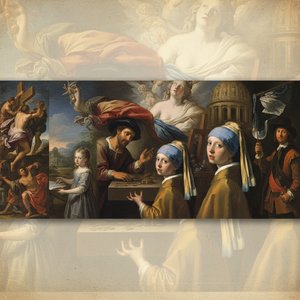
ბարოკოს ეტალონები: 10 შედევრი, რომელმაც განსაზღვრა ეს სტილი | TopImpressionists
აღმოფრთოვანდით ბაროკოს ეპოქის 10 უმშვენიერეს შედევრთან! კარავაჯო, რემბრანდტი და ვერმეერი – გი tanıtեք ამ დიდებულ ხელოვანებს. იხილეთ მათი საუკეთესო ნაშრომები და შექმენით თქვენი სახლისთვის უნიკალური დეკორი TopImpressionists-თან!

The Visceral Stage: Exploring Dramatic Narratives & Emotional Intensity in Baroque Art
Explore the dramatic world of Baroque art! Discover iconic masters like Caravaggio & Rembrandt, their techniques, and the movement's lasting impact. Expert insights for collectors & enthusiasts at TopImpressionists.

The Dramatic Flourish: Exploring the Baroque Movement's Enduring Legacy in Art History
Explore the dramatic world of Baroque art! Discover iconic artists like Caravaggio & Rubens, defining techniques, and its lasting impact on art history. Expert insights for collectors & enthusiasts at TopImpressionists.

Mastering Drama and Light: A Definitive Guide to the Flemish Baroque Art Movement
Explore the dramatic brilliance of the Flemish Baroque movement. Discover how masters like Peter Paul Rubens utilized chiaroscuro and dynamic composition to redefine art history through light, shadow, and unparalleled emotion.