
 გაგზავნა
 გაზიარება
 დეტალები
 გზამკვლევი

 ჩამოტვირთვა
 მსგავსები
 სლაიდშოუ
 Q&A
Q&A სტატისტიკა
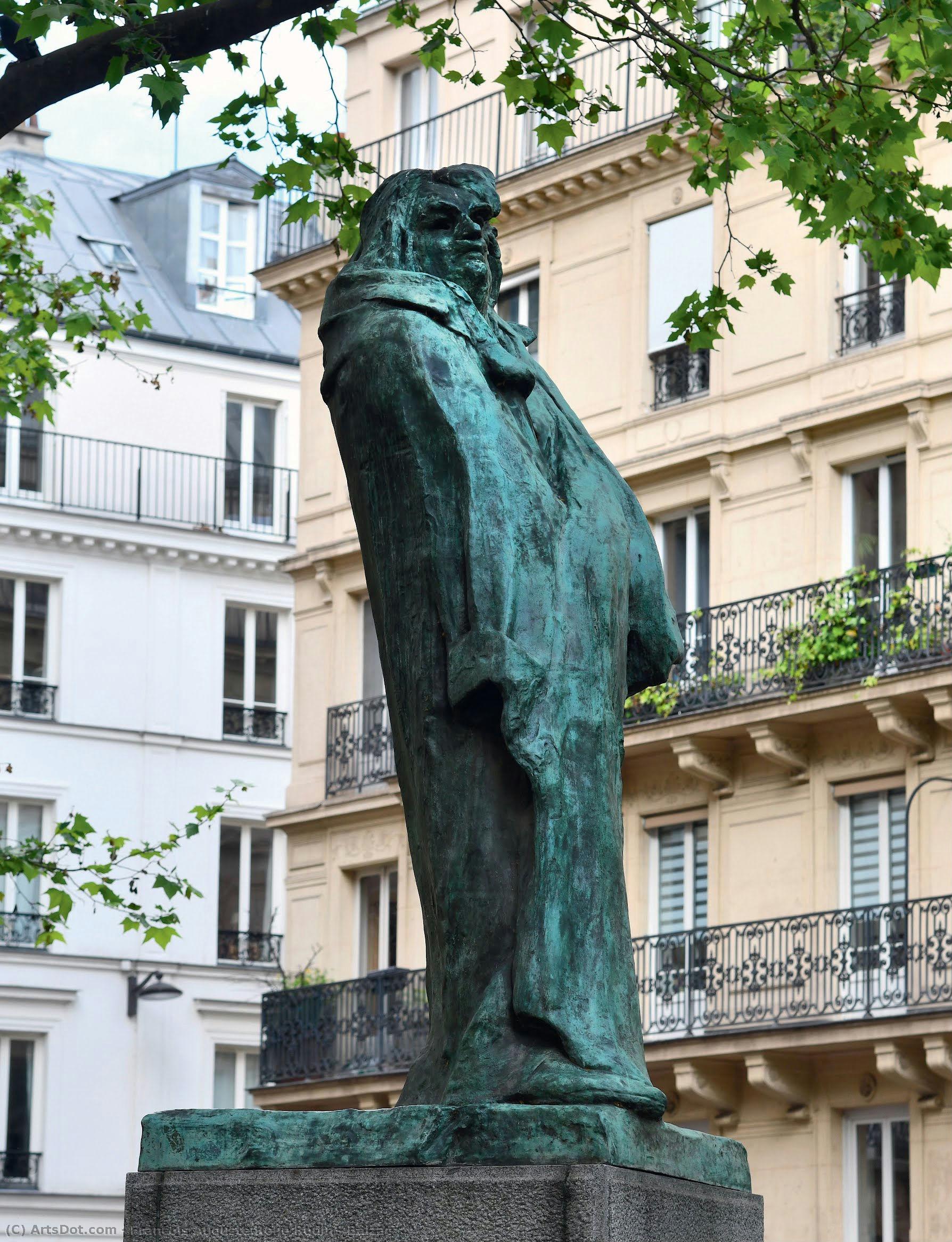
Balzac


A powerful bronze monument capturing the expressive realism of Auguste Rodin's Balzac, a revolutionary masterpiece of modern sculpture that invites you to explore its profound emotional depth and history.
 სრული ტექსტის ნახვა
ფრანგული სკულპტურის რევოლუციონერი, ოდილონ როდენი (1840-1917) - "მესაზირე", "ფიქრობიტი" და "კოცნა"-ს ავტორი. მისი ნამუშევრები გამოარჩევენ ადამიანური ემოციების უნიკალური რეალიზმითა და მგრძნობელობით.
გიკლე / ხელოვნების პრინტი
მუზეუმის დონის ჟიკლე ან ტილოზე ბეჭდვა სწრაფი წარმოებისა და დასრულების მოქნილი ვარიანტებით. ( შეიძინეთ ხელით შესრულებული ნახატი გადასვლა ციფრულ გამოსახულებაზე)




































სტანდარტული ზომა
ინდივიდუალური ზომა
CM
INCH
აირჩიეთ ჩვენს მიერ წინასწარ განსაზღვრული ზომებიდან, რომლებიც ნაწარმოების ორიგინალურ პროპორციებს შეესაბამება.
Loading sizes...

სიგანე
სიმაღლე
შეიყვანეთ თქვენთვის საჭირო სიგანე და სიმაღლე, რათა იგი მოერგოს თქვენს ჩარჩოს ან კედელს. ბეჭდვისას შესაძლებელია მხოლოდ მისი შემცირება და არა გაზრდა, ამიტომ სხვა ფორმის ზომის შემთხვევაში გამოსახულება ნაწილობრივ იკარგება. სანამ რაიმეს დაბეჭდავთ, ჩვენ გამოგიგზავნით ციფრულ მაკეტს დასდასტურებლად. ამ გვერდზე ნაჩვენები სურათი არ ასახავს რეალურ ჭრას — ამას მხოლოდ მაკეტი გვიჩვენებს.
მიწოდება მთელ მსოფლიოში () 2 კვირაში, სტანდარტული 4/5 კვირის ნაცვლად. (1 ნოემბერი)

უფასო ექსპრეს მიწოდება მთელ მსოფლიოში

მაღალი ხარისხის ტილო

ტრანსპორტირების სრული დაზღვევა

საბაჟო გადასახადების დაბრუნების გარანტია

ფერების სრული შესაბამისობის გარანტია

დაბრუნების 100-დღიანი პერიოდი (მხოლოდ წარმოების დეფექტის შემთხვევაში)

100% თანხის სრული დაბრუნების გარანტია

ფასდაკლება დიდი რაოდენობით შეკვეთისას
 მინის ჩარჩოს არჩევანი ხელმისაწვდომია მხოლოდ 110 სმ-მდე ზომისთვის

Balzac
გიკლე / ხელოვნების პრინტი
რეპროდუქციის ზომა
-


ჯამური ღირებულება
₾ 180
The Soul in Bronze: Rodin's Revolutionary Vision
To encounter Auguste Rodin’s Balzac is to witness a moment of profound artistic rebellion captured in metal. This is not merely a portrait of the legendary French novelist Honoré de Balzac; it is an elemental force, a monumental achievement that redefined the boundaries of modern sculpture. When first exhibited in 1898, the work was met with such visceral shock and vitriol from the Parisian art establishment that critics famously likened it to a "block of salt" or a statue still wrapped in its packaging. Yet, beneath this rugged, seemingly unfinished exterior lies one of the most psychologically profound works of the nineteenth century. Rodin moved away from the polished, idealized neoclassicism of his era, choosing instead to capture the raw, internal energy of a creative genius at work.
The sculpture presents a figure that seems to emerge from the very substance of the earth. Rodin utilized a technique of simplification, stripping away superfluous anatomical details to focus on the sheer mass and presence of the subject. The heavy, enveloping drapery of Balzac’s dressing gown creates a monolithic silhouette, a textured landscape of bronze that suggests both weight and movement. This deliberate lack of fine detail serves a higher purpose: it directs the viewer's gaze toward the expressive power of the head, which appears to surge upward from the dark, shrouded body. It is a masterful study in contrast—the heavy, grounded base versus the luminous, intellectual vitality of the face.
A Monument to Intellectual Ferocity
The emotional resonance of Balzac lies in its ability to portray the internal struggle of the creative process. Rodin spent seven years obsessively studying various poses and studies to achieve this specific state of being. The subject is not depicted in a moment of repose, but rather in a state of intense mental absorption, lost within the sprawling universe of his Comédie Humaine. His gaze, directed toward a distant, unseen horizon, suggests a mind traversing the complexities of French society, from the streets of Paris to the deepest recesses of the human heart. For collectors and lovers of fine art, this piece offers more than just aesthetic beauty; it offers a window into the very essence of genius and the solitude of creation.
For those looking to integrate such a powerful statement into a curated space, a high-quality reproduction of this masterpiece brings an unparalleled sense of gravitas. Whether placed in a sunlit study or a sophisticated gallery setting, the textured bronze tones and commanding presence of Balzac serve as a focal point that invites contemplation. It is a work that transcends time, bridging the gap between the historical weight of the nineteenth century and the bold, expressive spirit of modernism. To possess a reproduction of this sculpture is to hold a piece of art history that continues to challenge, inspire, and move the soul.
კითხვები და პასუხები
რა სხვა სახელებით არის ცნობილი ფრანსუა ოგიუსტ რენე როდენი?
ფრანსუა ოგიუსტ რენე როდენი ასევე ცნობილია როგორც ოგისტ როდენი, როდენი, François Auguste René Rodin.
როგორ ერთიანდება მოძრაობა და ეპოქა ფრანსუა ოგიუსტ რენე როდენი-ის „Balzac“-ში?
ფრანსუა ოგიუსტ რენე როდენი-ის „Balzac“-ში Modern Sculpture სტილით შეხვედრა ხდება მე-19 საუკუნე ეპოქასთან.
როგორ არის ისტორიულად განსაზღვრული "Balzac"?
ისტორიულად, „Balzac“ არის უფრო ფართო 19th Century ეპოქის Modern Sculpture ნამუშევარი.
მხატვრის ბიოგრაფია
სკულპტორის სული: თიხაში გაფორმებული ცხოვრება
ფრანსუა ოგუსტ რენე როდენი, თანამედროვე скульптуры-ის სინონიმად წარმოჩნდა XIX საუკუნის საფრანგეთიდან როგორც რევოლუციური ძალა. დაიბადა პარიზში 1840 წლის 12 ნოემბერს, თავმდაბალი ოჯახში და მისი გზა თავდაპირველად არ იყო განწირული მხატვრობის დიდებისკენ. მან თავდაპირველად იომა École des Beaux-Arts-ში მისაღებად, სამჯერ უარყოფილიყო სანამ საბოლოოდ ვერ მიაგნო საკუთარ ადგილს დეკორატიული ქვის მუშად პრაქტიკული მომზადებით. თუმცა ეს ადრეული გამოცდილება ძალიან ღირებული აღმოჩნდა, გააძლიერა მისმა ტექნიკურმა უნარებმა და ხელშეწყო ფორმის და მასალის ინტიმური გაგება. ეს იყო მშვიდი სტაჟირობის პერიოდი, რომელიც აუცილებელი წინაპირობა იყო იმ სეიზმურ ცვლილებებისთვის, რომლებიც მან მოგვიანებით внес скульптуры-ის სამყაროში. მისი მომავალი ინოვაციის თესლები არ იყო დარგული აკადემიურ დარბაზებში, არამედ ქვის და თიხას კონკრეტულ რეალობაში. ღრმა პირადი დაკარგვამ - მისი დასტრი მარიამის გარდაცვალებამ - მასზე დიდი გავლენა მოახდინა, რის შედეგადაც მან ცოტა ხნით შედარა უფიქრდა რელიგიურ ცხოვრებაზე, სანამ სრულად არ მიუძღვნა თავისი თავი ხელოვნებას. ეს ემოციური სიღრმე გახდა მისი ნამუშევრების განსაზღვრელი მახასიათებელი, რაც მას უნიკალურ ადამიანურ ხარისხს აძლევდა, რომელიც მანამდე იშვიათად შეინიშნებოდა.ტრადიციის გატეხვა: ახალი ენა ქვაში
როდენის მხატვრული მოგზაურობა აღმავითი იყო მისი ეპოქის господствующей აკადემიური სტანდარტებისგან განზრევის ნიშნებით. მიუხედავად იმისა, რომ კლასიკურ ტექნიკაში был обучен, მან უარყო идеализирован ფორმები და повествовательная rigidity, რომელიც скульптуры-ს დომინირებდა. მან შეეცადა დაეჭირა ადამიანური ემოციების ცვალებადი нюансы, აზრის სიმძიმე და შინაგანი ცხოვრების კომპლექსურობა. მისმა ადრეულმა ნამუშევრებმა, როგორიცაა *ბრინჯაოს ხანა* (1877), თავდაპირველად გამოიწვია კრიტიკა მათი реализм-ის და мифологической ან аллегорического თემის არარსებობის გამო. კრიტიკებმა მისი ფიგურები ზედმეტად натуралистичными მიიჩნიეს, ძალიან მოკლებული скульптуры-სთვის მოსალოდნელი გაპრიალებულ სრულყოფილებას. თუმცა, როდენი გაგრძელდა, ხელშემწყობი მისი მხატვრული ხედვის მტკიცე რწმენით. მან დაიწყო фрагментированных ფორმების შესწავლა, грубых ზედაპირები და динамичных კომპოზიციები, რომლებიც მოძრაობის გრძნობას გადასცემდნენ და ფსიქოლოგიურ ინტენსივობას წარმოადგენდნენ. ამ ინოვაციურმა მიდგომამ გამოწვოდა ტრადიციული красоты-ის კონვენციებმა და საფუძველი ჩაეყარა скульптуры-ის ახალ ერას. მისი უნარი თიხაში კომპლექსური, турбулентные ზედაპირების моделирования შეუდარებელი იყო, რაც საშუალება მისცა მას სინათლისა და ჩრდილის თამაშის შესაბამისად გადაეცა განსაცვიფრებელი მგრძნობელობით.გამორჩეული ფორმები: мыслитель, კოცნა და სხვა
როდენის მემკვიდრეობა განმტკიცებულია გამორჩეული скульптуры-ების სერიით, რომლებიც დღესაც резонируют მსოფლიოს აუდიტორიასთან. *мыслитель* (1880-1882), თავდაპირველად წარმოიდგინა როგორც ნაწილი *ჯოხის კარიბჭედან*, გახდა ფილოსოფიური კონტემპლაციის სიმბოლო, მისი ძლიერი ფორმა ადამიანური აზრის სიმძიმესა და экзистенциального შეკითხვის განასახიერებს. *კოცნა* (1886-1898), страстной любви აღნიშვნა, ცნობილია მისი чувственный красоты-ით და ემოციური ინტიმურობით. და *კალეს ბურჟუები* (1884-1895), მონუმენტალური მიძღვნა ധსნობასა და самопожертвованию, დგას როგორც скульптуры-ის ფორმის საშუალებით ღრმა ადამიანური დრამის გამოხატვის 증거. ეს ნამუშევრები არ იყო მხოლოდ ფიზიკური სხეულების წარმოდგენა; ისინი ადამიანური მდგომარეობის შესწავლა იყო, რომელიც был насыщен ფსიქოლოგიური სიღრმე და ემოციური резонанс-ით. მან არ მოერიდა несовершенства-ის ან ტანჯვის გამოსახვას, აღიარებდა, რომ ეს თვისებები ადამიანური გამოცდილების неотъемлемой ნაწილია. მისი скульптуры-ები ხშირად იყო დასრულებული ზედაპირები, შეგნებულად ტოვებდნენ ხელოვნის ხელის კვალს როგორც შემოქმედებითი პროცესის 증거.მუდმივი გავლენა: როდენის ადგილი ხელოვნების ისტორიაში
XX საუკუნის დასაწყეთში, როდენი მიაღწია საერთაშორისო აღიარებას და გახდა ალბათ მისი დროის ყველაზე ცნობილი скульптуры-ის. მისმა ნამუშევრებმა მნიშვნელოვანი გავლენა მოახდინა მომავალი თაობის მხატვრებზე, შთააგონა ისინი ტრადიციული შეზღუდვებისგან გათავისუფლება და ხელოვნების ახალი გზების შესწავლა. ის ფართოდ მიიჩნევა გადამწყვეტ фигурой XIX საუკუნის реализм-იდან თანამედროვე скульптуры-ში გარდაქმნისას. მისი акцент ემოციურ ინტენსივობაზე, ფსიქოლოგიურ სიღრმეზე და ფორმის ინოვაციურ გამოყენებაზე საფუძველი ჩაეყარა მოძრაობებს, როგორიცაა экспрессионизм и кубизм. დღეს, როდენის скульптуры-ები შეიძლება ნახოთ მუზეუმებში და კოლექციებში მთელ მსოფლიოში, განსაკუთრებით Musée Rodin პარიზში, რომელიც გამოყოფილი სივრცეა მისი ცხოვრების ნამუშევრების წარმოჩენისთვის. მისი გავლენა ვრცელდება скульптуры-ის მიღმა, რაც ზეგავლენას ახდენს живопись-ზე, ლიტერატურაზე და ფილმებზეც კი.მეტი შესწავლისთვის: მუზეუმები და ძირითადი ნამუშევრები
- Musée Rodin, Paris: აუცილებლად უნდა ეწვრთოთ ყველას, ვინც არის заинтерован როდენის მხატვრული ხედვის სრულ სიგრძეზე.
- National Gallery of Art, Washington D.C.: შეიცავს მნიშვნელოვან კოლექციას როდენის ნამუშევრებისა, რაც ინფორმაციას అందిლებს მის შემოქმედებით პროცესზე.
- Cantor Arts Center at Stanford University: წარმოდგენილია გამორჩეული ნაწარმოებები, როგორიცაა ალბერტ-ერნესტ კარიერ-бельёუს бюсти.
- ძირითადი скульптуры-ები შესწავლისთვის

ფრანსუა ოგიუსტ რენე როდენი
1840 - 1917 , საფრანგეთი
მოკლე ფაქტები
- Artistic Movement Or Style: თანამედროვე ქანდაკება
- Artists Or Movements Influenced By This Artist: თანამედროვე ქანდაკება
- Date Of Birth: 12 ნოემბერი 1840
- Date Of Death: 17 ნოემბერი 1917
- Full Name: ფრანსუა ოგიუსტ რენე როდენი
- Nationality: ფრანგი
- Notable Artworks (List Of Titles):
- მესაზირე
- კოცნა
- კალეს ბურჟუები
- Place Of Birth (City And Country): პარიზი, საფრანგეთი
მსგავსი სტატიები

The Eternal Glow of Bronze: A Guide to Sculpting with Light, Strength, and Timeless Artistry
Explore the profound beauty of bronze sculpture. From the ancient lost-wax technique to the interplay of light and patina, discover how this enduring alloy captures human emotion and history through masterful artistry and strength.