


 ნახვა ინტერьерში
 გაგზავნა
 გაზიარება
 დეტალები
 გზამკვლევი

 ჩამოტვირთვა
 მსგავსები
 რენტგენოგრაფიული კვლევა
 სლაიდშოუ
 სტატისტიკა
Café 1


Experience George Grosz’s ‘Café 1’! A vibrant depiction of urban life in Berlin, showcasing his distinctive style & social commentary. Hand-painted reproduction available.
 სრული ტექსტის ნახვა
გეორგ გროსი (1893-1959) – ბერლინის დადასა და ახალი ობიექტურობის მნიშვნელოვანი წარმომადგენელი მხატვარი. აღმოაჩინეთ მისი სატირული ნახატები ვაიმარის გერმანიას, ფაშიზმს და საზოგადოების ნაკლებს შესახებ, ძლიერი კარიკატურების საშუალებით.
ამ გვერდზე წარმოდგენილი ნამუშევარი დაცულია საავტორო უფლების შესახებ კანონმდებლობით, რაც იმას ნიშნავს, რომ ჩვენ არ გვაქვს მისი იდენტური რეპროდუქციის შექმნის ან გაყიდვის სამართლებრივი უფლება. აღნიშნული დაცვა უზრუნველყოფილია ისეთი საერთაშორისო შეთანხმებებით, როგორიცაა ბერნის კონვენცია და ეროვნული კანონმდებლობით, მათ შორის იმ კანონებით, რომლებიც დეტალურად არის გაწერილი აშშ-ის საავტორო უფლების შესახებ კანონი - თავი 17.
როგორც პატივისცემით სავსე და კანონიერი ალტერნატივა, ჩვენ გთავაზობთ ორიგინალით შთაგონებულ, ინდივიდუალურ, ხელით შესრულებულ ნამუშევრებს. ჩვენი ოსტატ და პროფესიონალი ხელოვანები საგულდაგულოდ სწავლობენ ორიგინალის სტილს, განწყობასა და მხატვრულ არსს, რათა შექმნან ახალი, უნიკალური ნამუშევარი, რომელიც იგივე ემოციას აღძრავს და, ამავდროულად, თავად წარმოადგენს დამოუკიდებელ, ორიგინალურ შემოქმედებას.
ეს მეთოდი სრულად შეესაბამება საავტორო უფლებების რეგულაციებს, რადგან ის არ გულისხმობს დაცული ნამუშევრის კოპირებას ან დუბლირებას. ამგვარად, ეს წარმოადგენს შემოქმედებით რეინტერპრეტაციას — ახალ ნახატს, რომელიც შთაგონებითაა განპირობებული ორიგინალით, თუმცა არ არის მის იდენტურ ასლს.
ხელით შესრულებული ზეთის საღებავით რეპროდუქცია
ტილოზე შესრულებული ფერწერიანი ზეთប្រდათი, თქვენთვის სასურველი ზომისა და ჩარჩოსთვის, ჩვენი ხელოვანების მიერ შეკვეთის საფუძველზე დამზადებული. ( გადართვა ბეჭდვის რეჟიმზე გადასვლა ციფრულ გამოსახულებაზე)




P118B ₾10

P118H ₾10

P118W ₾10

P438Z ₾10

P508JH ₾12

P508YH ₾12

P805H ₾10

P805Z ₾10

P919BZ ₾10

P919G ₾10

P919XJ ₾10

P959ZH ₾10

P968JZ ₾12

W106C ₾8

W218G ₾10

W218JH ₾8

W218Y ₾10

W307PJ ₾10

W316G ₾10

W316PJ ₾8

W316Y ₾10

W398PJ ₾8

W4111J ₾10

W500HY ₾15

W500JH ₾15

W692G ₾12

W849H ₾8

W940BG ₾15

W953PJ ₾8




სტანდარტული ზომა
ინდივიდუალური ზომა
CM
INCH
აირჩიეთ ჩვენს მიერ წინასწარ განსაზღვრული ზომებიდან, რომლებიც ნაწარმოების ორიგინალურ პროპორციებს შეესაბამება.
Loading sizes...

სიგანე
სიმაღლე
შეიყვანეთ თქვენთვის საჭირო სიგანე და სიმაღლე, რათა ნახატი მოერგოს თქვენს ჩარჩოს ან კედელს. ვინაიდან ეს ნამუშევარი ხელით არის შესრულებული, სხვა ფორმის ზომის შემთხვევაში, მხატვარმა შესაძლოა სურათის გარშემო ოდნავ მეტი დატოვოს ან შეამციროს — არჩევანი თქვენზეა. დაწყებამდე, დასამტკიცებლად, ჩვენ გამოგიგზავნით ციფრულ მაკეტს. ამ გვერდზე ნაჩვენები სურათი არ ასახავს რეალურ შედეგს — რეალური სახე მხოლოდ მაკეტზე ჩანს.
რა შეიძლება შეიცვალოს: სახის ჩანაცვლება მომხმარებლის ფოტოთი; შინაური ცხოველის დამატება (მაგ., კატის ჩანაცვლება ძაღლით); ფონზე ფარული შეტყობინების დამატება; ფონის პეიზაჟის ან ელემენტების შეცვლა.
შეკვეთის შემდეგ, TopImpressionists.com გუნდი დაგიკავშირდებათ ელექტრონული ფოსტით ინსტრუქციებისთვის და გამოგიგზავნით წინასწარ ნახაზს (mockup).
შეკვეთის შემდეგ, TopImpressionists.com გუნდი დაგიკავშირდებათ ელექტრონული ფოსტით ინსტრუქციებისთვის და გამოგიგზავნით წინასწარ ნახაზს (mockup).
მიწოდება მსოფლიო მასშტაბით -ში 3/4 კვირაში, სტანდარტული 5 კვირის ნაცვლად. (22 ოქტომბერი). ხარისხზე კომპრომისის გაკეთება არ მოხდება.

უფასო ექსპრეს მიწოდება მთელ მსოფლიოში

მაღალი ხარისხის ტილო

ტრანსპორტირების სრული დაზღვევა

საბაჟო გადასახადების დაბრუნების გარანტია

ფერების სრული შესაბამისობის გარანტია

დაბრუნების 100-დღიანი პერიოდი (მხოლოდ წარმოების დეფექტის შემთხვევაში)

100% თანხის სრული დაბრუნების გარანტია

ფასდაკლება დიდი რაოდენობით შეკვეთისას
 მინის ჩარჩოს არჩევანი ხელმისაწვდომია მხოლოდ 110 სმ-მდე ზომისთვის

Café 1
რეპროდუქციის ტექნიკა
რეპროდუქციის ზომა
-


ჯამური ღირებულება
₾ 703
A Window into the Weimar Soul
In the heart of a bustling, fractured Berlin, George Grosz captures a moment of suspended animation in his evocative work, Café 1. This painting serves as more than just a depiction of a social gathering; it is a vibrant, almost frenetic window into the urban pulse of the early twentieth century. As one gazes upon the canvas, the viewer is immediately swept into a crowded, atmospheric setting where the clinking of cups and the low hum of conversation seem to vibrate through the brushstrokes. The scene is populated by a diverse cast of characters—individuals caught in the quiet, mundane rituals of eating, drinking, and socializing—yet there is an underlying tension that suggests the world outside these cafe walls is far from stable. Through his masterful use of color and composition, Grosz invites us to witness the delicate dance of human connection amidst the encroaching shadows of a changing era.
The technique employed in Café 1 reflects the artist's unique ability to blend meticulous observation with a sharp, satirical edge. While his early training involved the disciplined study of Dutch masters, here we see a departure toward a more expressive and jagged aesthetic. The figures are rendered with a certain rhythmic energy, their forms defined by lines that feel both deliberate and urgent. The interplay of light and shadow across the dining tables creates a sense of depth, drawing the eye through the layers of the crowd toward the subtle details—a man in a tie, a woman lost in thought, and even the unexpected presence of birds that flutter near the periphery. This layering of detail ensures that every glance reveals something new, making the painting an endlessly engaging subject for close study.
Symbolism and the Urban Tapestry
Beyond its surface beauty, Café 1 functions as a profound piece of social commentary. Grosz, a chronicler of societal decay, uses the cafe setting as a microcosm of the Weimar Republic. The arrangement of people—some isolated in their own thoughts, others huddled in small groups—mirrors the fragmented nature of a society struggling to find its footing between tradition and modernity. The presence of the birds adds a layer of surrealist intrigue, perhaps symbolizing a fleeting sense of freedom or an external world that remains indifferent to the human drama unfolding within the cafe's walls. For the discerning collector, the painting offers a rich tapestry of meaning, where every object, from a simple coffee cup to a formal necktie, serves as a symbol of the social hierarchies and cultural shifts defining the age.
For interior designers and art enthusiasts alike, this reproduction offers a commanding presence that brings both historical weight and intellectual depth to any space. The painting’s palette, though colorful, possesses a sophisticated complexity that allows it to integrate seamlessly into both contemporary and classic decor. It acts as a conversation piece, sparking dialogue about history, sociology, and the enduring power of art to capture the human condition. To possess a hand-painted reproduction of Café 1 is to hold a fragment of Berlin's turbulent history, offering an emotional resonance that transcends time and provides a soulful focal point for any curated collection.
კითხვები და პასუხები
შესაძლებელია თუ არა დამატებული რეალობის (AR) გამოყენება იმისათვის, რომ ჯორჯ გროსი-ის „Café 1“ ჩემს ოთახში ვნახო?
შეგიძლიათ ნახოთ ჯორჯ გროსი-ის „Café 1“ თქვენს საკუთარ კედელზე ნამუშევრის AR წინასწარი ნახვა გვერდის მეშვეობით, თავსდამხვევი რეალობის გამოყენებით თავსებად მოწყობილობაზე.
რისთვის არის რეკომენდებული "Café 1"-ის პრინტის გამოყენება?
ჯორჯ გროსი-ის „Café 1“-ის რეპროდუქცია რეკომენდებულია Conversation-ისთვის. ეს შეკვეთა ეფუძნება ნამუშევრის შინაარსს, განწყობასა და ფერებს.
როგორი განლაგება შეესაბამება ჯორჯ გროსი-ის „Café 1“-ის ფორმატს?
ჯორჯ გროსი-ის „Café 1“-ის Landscape ფორმატი რეკომენდებულია Coffee Shop-ისთვის. ფორმატი და სივრცე ერთობლივად განსაზღვრავს რეპროდუქციის განლაგების საუკეთესო გზას.
მხატვრის ბიოგრაფია
დაშლილი სამყაროს სატირიტი: ჯორჯ გროსის ცხოვრება და შემოქმედება
ჯორჯ გროსი, რომელიც 1893 წელს ბერლინში დაიბადა (სახელად გეორგ ეჰრენფრიდ გროსი), სოციალური ውადადებისა და პოლიტიკური არეულობის ვიზუალური ქრონიკერი იყო. მისი ხელოვნება არ იყო მხოლოდ თავისი ეპოქის — თურქებული ვაიმარის რესპუბლიკისა და ფაშიზმის აღზევების — პროდუქტი; იგი ამ ყველაფრის ინსტინქტური რეაქცია იყო, მრისხანე ბრალდება, რომელიც დახეულ ხაზებსა და გროტესკულ კარიკატურებში გამოიხატა. გროსი ბერლინს მხოლოდ არ ასახავდა; იგი მას დისექციას უკეთებდა და, შეუპოვარი სიმართლის თვალსწინდებად, მისი მორალური გახრწნა გამოაშკარავებდა. მისი ცხოვრების ადრეული წლები მამამისის გარდაცვალების შემდგომ არასტაბილურობით იყო აღსავსე, რამაც დედას აიძულა ოფიცერთა სასადილოს მართვა დაring ახალგაზრდა გეორგი ਪ੍ਰუსულ სამხედროიზმსა და მკაცრ სოციალურ იერარქიებს შორის ჩააგდო — იმ სამყაროში, რომელსაც იგი მოგვიანებით დაუნდობლად და დასცინავდა. მისი ფორმალური მხატვრული განათლება დაიწყო ისეთი ტრადიციული ჰოლანდიელი ოსტატების ზედმიწევნითი ასლით, როგორიცაა ედუარდ ფონ გრუცნერი, რამაც ტექნიკური უნარები დახვეწა, სანამ იგი აკადემიურ კონვენციებს უფრო პროვოკაციული გზისათვის უარყოფდა. თუმცა, სწორედ ამ ადრეულმა დისციპლინამ შექმნა საფუძველი, რომელზეც მისი უნიკალურად ექსპრესიული სტილი აიგო.დადა, ახალი ობიექტურობა და კრიტიკული ხედვის დაბადება
გროსის მხატვრული განვითარება განუყოფლად იყო დაკავშირებული იმ ავანგარდულ მოძრაობებთან, რომლებიც პირველი მსოფლიო ომის შემდგომ გერმანიაში აყვავდა. იგი ბერლინული დადაიზმის ცენტრალურ ფიგურად იქცა, რადგან იზიარებდა მის ნიჰილისტურ სულსა და ანტი-ესტაბლიშმენტურ ენთუზიაზმს. თუმცა, იმ სხვა დადაისტებისგან განსხვავებით, რომლებიც წმინდა აბსურდით ტკბებოდნენ, გროსმა დადაიზმის ამბოხებული ენერგია მიმართულ სოციალურ კომენტარად გარდასახა. მისი ამ პერიოდის ნამუშევრები — ისეთი ნაწარმოებები, როგორიცაა „ახვი“ (1921) და „საზოგადოების სვეტები“ (1926) — არის გერმანელი ბურჟუაზიის, სამხედრო ელიტისა და იმ გახრწნილი პოლიტიკური სისტემის მწვავე ბრალდება, რომელმაც ქვეყანა კატასტროფამდე მიიყვანა. მას არ აინტერესებდა ესთეტიკური სილამაზე; მას სურდა შოკი, პროვოკაცია და თვალთმაქცობის მხილება. სოციალური კრიტიკისადმი ეს ერთგულება ევოლუციას განიცადა და გადაიზარდა „ახალ ობიექტურობაში“ (Neue Sachlichkeit) — მოძრაობაში, რომელიც ხასიათდებოდა თანამედროვე ცხოვრების რეალისტური, თუმცა უემოციო აღწერით. მიუხედავად იმისა, რომ გროსი იზიარებდა ახალი ობიექტურობის რეალიზმზე ფოკუსირებას, მან მასში ისეთი მწარე სატირა შემოიტანა, რაც მას ამ ჯგუფის სხვა ხელოვანებისგან გამოარჩიდა. მისი ნახატები და ნახაზები არ იყო მხოლოდ რეალობის რეპრეზენტაცია; ისინი იყვნენ კოლაფსის ზღურბლზე მყოფი საზოგადოების დამახინჯებული სარკეები.ემიგრაცია და ტრანსფორმაცია: ახალი სამყარო, შეცვლილი სტილი
ნაციზმის აღზევებამ გროსი 1933 წელს ემიგრაციაში უბერწა. მან თავი აშშ-ში იპოვა და 1938 წელს ამერიკელი მოქალაქე გახდა. ეს გადაადგილება მისი შემოქმედებითი კარიერის მნიშვნელოვან გარდატეხად იქცა. იმ პირდაპირი კონტექსტისგან მოწყვეტილმა, რაც მის ყველაზე ძლიერ ნამუშევრებს ს feeds, და სხვაგვარ სოციალურ თუ პოლიტიკურ რეალობასთან შეფက်ილმა, გროსის სტილიც შეიცვალა. ზედმეტად აგრესიული კარიკატურები დაступиდა უფრო მშვიდობიან ლანდშაფტებსა და პორტრეტებს, რომლებიც ხშირად მელანქოლიისა და იმედგაცრუების ელფერს ატარებდა. მიუხედავად იმისა, რომ იგი ახლოს თბილისში (ნიუ-იორკში) Art Students League-ში აგრძელებდა გამოფენებსა და სწავლებას, მის ნამუშევრებს აღარ ჰქონდა ბერლინული პერიოდის პირველყოფილი სიმწარე. იგი ბრძოლაში იმყოფებოდა ახალ გარემოში თავის ადგილის მოსაპოვებლად, იბრძოდა გაუცხოებისა და მხატვრული გაურკვევლობის გრძნობასთან. ამ დროს წარმოჩენილი აპოკალიფსური ხედვები — ნახატები, რომლებიც ასახავდნენ უდაბნოებულ ლანდაფტებსა და ფრაგმენტირებულ ფიგურებს — არა მხოლოდ ევროპაში მიმდინარე საშინელებებს, არამედ მის საკუთარ შინაგან ტანჯვასაც ასახავდა.მემკვიდრეობა და მარადიული აქტუალურობა
ჯორჯ გროსი ბერლინში 1959 წელს დაბრუნდა, სიკვდილის წინ, რაც იყო სიმბოლური დაბრუნება იმ ქალაქში, რომელმაც იგი ერთდროულად შთაგონებისა და შეძრწუნების წყაროდ იქცა. მისი მემკვიდრეობა ბევრად სცილდება ვაიმარის გერმანიის ისტორიულ კონტექსტს. იგი რჩება იმ ხელოვანის ძლიერ მაგალითად, რომელსაც გაბედა უხერხისი სიმართლისპირისპირ დადგომა და საზოგადოებრივი ნორმების გამოწვევა. მისი შემოქმედება არის გამაფრთხილებელი ისტორია პოლიტიკური ექსტრემიზმის, სოციალური უსამართლობისა და შეუსაზრისი ძალაუფლების საფრთხეებზე.- სატირული ძალა: გროსის კარიკატურის ოსტატური გამოყენება დღესაც შთაგონების წყაროდ რჩება ხელოვანებისა და კომენტატორებისთვის.
- სოციალური კომენტარი: მისი შეუპოვარი კრიტიკა საზოგადოებრივი ბოროტებების შესახებ საოცრად აქტუალურია სამყაროში, რომელიც დღემდე ებრძვის უთანასწორობას, კორუფციასა და პოლიტიკურ პოლარიზაციას.
- ისტორიული მოწმე: მისი ხელოვნება შემოგვწოდებს ფასდაუდებელ ინფორმაციას міжომრიანი გერმანიის სოციალურ და პოლიტიკურ კლიმატზე, რაც გვთავაზობს იმ ძალების ღრმა გაგებას, რომლებმაც მეორე მსოფლიო ომი გამოიწვიეს.

ჯორჯ გროსი
1893 - 1959 , გერმანია
მოკლე ფაქტები
- Artistic Movement Or Style: დადაიზმი, ახალი რეალიზმი
- Date Of Birth: 26 ივლისი, 1893
- Date Of Death: 6 ივლისი, 1959
- Full Name: ჯორჯ გროსი
- Nationality: გერმანელი
- Notable Artworks (List Of Titles):
- The Pit
- Pillars of Society
- Place Of Birth (City And Country): ბერლინი, გერმანია
მსგავსი სტატიები
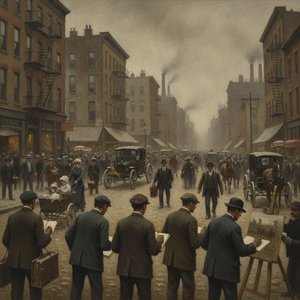
The Ashcan School: Capturing the Raw, Unfiltered Soul of Urban Life through American Realism
Discover the raw beauty of the Ashcan School. Explore how masters like Bellows and Henri captured the gritty, vibrant soul of early 20th-century New York through profound American Realism and evocative urban landscapes.
აღმოაჩინეთ ხელოვნების ნაწარმოებები თემების, სტილისა და მახასიათებლების მიხედვით დაჯგუფებული.


