


 ნახვა ინტერьерში
 გაგზავნა
 გაზიარება
 დეტალები
 გზამკვლევი

 ჩამოტვირთვა
 მსგავსები
 რენტგენოგრაფიული კვლევა
 სლაიდშოუ
 სტატისტიკა
Winter Afternoon


George Bellows’ "Winter Afternoon" captures a serene NYC landscape—a frozen river, snow-laden trees, and two figures enjoying the quiet beauty of winter. A masterpiece of realism.
 სრული ტექსტის ნახვა
ჯორჯ ბელოუსი (1882-1925) ამერიკელი რეალისტი მხატვარია, ცნობილი ნიუ-იორკის ქალაქური ცხოვრების გამოსახულებებით და მოკრივეების სცენებით. აღმოაჩინეთ მისი მკაცრი ფუნჯით შექმნილი ექსპრესიული ტილოები და ამერიკული მოდერნიზმის გავლენა.
გიკლე / ხელოვნების პრინტი
მუზეუმის დონის ჟიკლე ან ტილოზე ბეჭდვა სწრაფი წარმოებისა და დასრულების მოქნილი ვარიანტებით. ( შეიძინეთ ხელით შესრულებული ნახატი გადასვლა ციფრულ გამოსახულებაზე)




P118B ₾10

P118H ₾10

P118W ₾10

P438Z ₾10

P508JH ₾12

P508YH ₾12

P805H ₾10

P805Z ₾10

P919BZ ₾10

P919G ₾10

P919XJ ₾10

P959ZH ₾10

P968JZ ₾12

W106C ₾8

W218G ₾10

W218JH ₾8

W218Y ₾10

W307PJ ₾10

W316G ₾10

W316PJ ₾8

W316Y ₾10

W398PJ ₾8

W4111J ₾10

W500HY ₾15

W500JH ₾15

W692G ₾12

W849H ₾8

W940BG ₾15

W953PJ ₾8




სტანდარტული ზომა
ინდივიდუალური ზომა
CM
INCH
აირჩიეთ ჩვენს მიერ წინასწარ განსაზღვრული ზომებიდან, რომლებიც ნაწარმოების ორიგინალურ პროპორციებს შეესაბამება.
Loading sizes...

სიგანე
სიმაღლე
შეიყვანეთ თქვენთვის საჭირო სიგანე და სიმაღლე, რათა იგი მოერგოს თქვენს ჩარჩოს ან კედელს. ბეჭდვისას შესაძლებელია მხოლოდ მისი შემცირება და არა გაზრდა, ამიტომ სხვა ფორმის ზომის შემთხვევაში გამოსახულება ნაწილობრივ იკარგება. სანამ რაიმეს დაბეჭდავთ, ჩვენ გამოგიგზავნით ციფრულ მაკეტს დასდასტურებლად. ამ გვერდზე ნაჩვენები სურათი არ ასახავს რეალურ ჭრას — ამას მხოლოდ მაკეტი გვიჩვენებს.
მიწოდება მთელ მსოფლიოში () 2 კვირაში, სტანდარტული 4/5 კვირის ნაცვლად. (21 ოქტომბერი)

უფასო ექსპრეს მიწოდება მთელ მსოფლიოში

მაღალი ხარისხის ტილო

ტრანსპორტირების სრული დაზღვევა

საბაჟო გადასახადების დაბრუნების გარანტია

ფერების სრული შესაბამისობის გარანტია

დაბრუნების 100-დღიანი პერიოდი (მხოლოდ წარმოების დეფექტის შემთხვევაში)

100% თანხის სრული დაბრუნების გარანტია

ფასდაკლება დიდი რაოდენობით შეკვეთისას
 მინის ჩარჩოს არჩევანი ხელმისაწვდომია მხოლოდ 110 სმ-მდე ზომისთვის

Winter Afternoon
გიკლე / ხელოვნების პრინტი
რეპროდუქციის ზომა
-


ჯამური ღირებულება
₾ 180
Winter Afternoon: A Frozen Moment of American Realism
George Wesley Bellows’ “Winter Afternoon,” painted in 1909, isn't merely a depiction of a snowy landscape; it’s a carefully constructed tableau of quiet contemplation and subtle human connection. Housed within the Norton Museum of Art in West Palm Beach, this oil on canvas transports us to a serene winter scene—a frozen body of water reflecting the muted tones of a snow-laden sky and surrounding trees. Yet, beyond the picturesque beauty lies a deeper resonance, rooted in Bellows’ masterful command of realism and his keen observation of American life.
Bellows, a pivotal figure in the Ashcan School movement, rejected idealized romanticism in favor of portraying the gritty realities of urban America. His work often captured the energy and dynamism of New York City, but “Winter Afternoon” offers a respite from that frenetic pace, presenting instead a moment of stillness. The composition is deliberately restrained—a simple, almost austere arrangement—drawing our attention to the details: the delicate tracery of branches against the snow-covered sky, the subtle variations in texture created by Bellows’ brushstrokes, and the two figures positioned within the scene.
The Figures and Their Narrative
Crucially, “Winter Afternoon” isn't a solitary landscape; it features two individuals enjoying the winter day. While the exact identities of these figures remain enigmatic—a deliberate choice by Bellows, perhaps—their posture suggests a comfortable companionship, a shared appreciation for the beauty of the moment. They are positioned near the left side of the image, seemingly engaged in conversation or simply basking in the quietude of the scene. The placement invites us to imagine their story, adding an element of narrative depth to what might otherwise be a purely observational piece.
The presence of these figures elevates the painting beyond a simple landscape study. It speaks to the human need for connection and shared experience—a theme that resonates powerfully across time and cultures. Bellows’ ability to imbue a seemingly ordinary scene with such emotional weight is a testament to his artistic skill and sensitivity.
Technique and Style: A Masterclass in Realism
Bellows' technique in “Winter Afternoon” is characterized by a remarkable blend of observation and expressive brushwork. He meticulously rendered the textures of the snow, ice, and trees—the crispness of the snowflakes, the smoothness of the frozen water, the rough bark of the branches—creating a palpable sense of tactile reality. His use of color is equally deliberate, employing muted tones of gray, blue, and white to evoke the cold, stark beauty of winter.
However, Bellows doesn’t simply aim for photographic accuracy. He employs loose, gestural brushstrokes—particularly evident in the depiction of the sky and trees—to convey a sense of movement and atmosphere. These expressive marks add dynamism to the composition, preventing it from feeling static or lifeless. The interplay between meticulous detail and spontaneous brushwork is what defines Bellows’ distinctive style – a hallmark of his realism.
Historical Context and Legacy
"Winter Afternoon" was painted during a period of significant social and artistic change in America. The Ashcan School, to which Bellows belonged, challenged the prevailing academic traditions of art by depicting everyday life—often with unflinching honesty and a critical perspective. Bellows’ work reflected the growing urbanization of the United States and the increasing awareness of social inequalities.
Despite his early death in 1925, Bellows' legacy endures. His paintings continue to be celebrated for their raw emotional power, their masterful technique, and their insightful portrayal of American life. Reproductions of “Winter Afternoon,” available through platforms like TopImpressionists.com, offer a beautiful way to experience the enduring appeal of this iconic work of art.
კითხვები და პასუხები
რა არის ჯორჯ უესლი ბელოუსი-ის „Winter Afternoon“-ის საერთო განწყობა?
"Winter Afternoon"-ს აქვს Calm ატმოსფერო.
რა ატმოსფეროს ქმნის ჯორჯ უესლი ბელოუსი-ის „Winter Afternoon“ ინტერიერში?
თავისი Calm განწყობით, „Winter Afternoon“ რეკომენდებულია Living Room-ისთვის.
არის თუ არა "Winter Afternoon" საავტორო უფლებებისგან თავისუფალი?
ავტორული უფლებების შესახებ პასუხი ნამუშევრისთვის ჯორჯ უესლი ბელოუსი-ის „Winter Afternoon“: ნამუშევარი არის საჯარო საკუთრებაშია - მისი საავტორო უფლებები ამოწდა. ეს განსაზღვრავს, შესაძლებელია თუ არა გამოსახულების რეპროდუქციის თავისუფლად წარმოება.
მსგავსი ნამუშევრები


მხატვრის ბიოგრაფია
სიცოცხლის გზა და მხატვრული ჩამოყალიბება
ჯორჯ უესლი ბელოუსი, რომელიც XX საუკუნის დასაწყისში ამერიკული რეალიზმის სიმძლავრისა და განვითარების სიმბოლოდ იქცა, მნიშვნელოვანი ფიგურად წარმოჩნდა. 1882 წლის 12 ან 19 აგვისტოს ოჰაიოს შტატის ქალაქ კოლუმბუსში დაბადებულმა ბელოუსმა სპორტიდან მხატვრულ აღმავლობამდე მისული გზა თავისი პასიისა და შეუდარებელი ერთგულების შედეგია. ჯორჯმა ფორმალური განათლების მიღებამდე ხატვის განსაკუთრებული ნიჭი გამოავლინა, რ notebooks-ებში ჩანახატებით აავსო, რაც მომავალში მის გამჭვირვალე თვალსა და მზარდ უნარს მოწმობდა. მისი აღზრდა მხოლოდ ხელოვნებას არ შემოიფარგლებოდა; ის სპორტშიაც გამოირჩეოდა, ოჰაიოს სახელმწიფო უნივერსიტეტში ბეისბოლისა და კალათბურთის თამაშობდა – ეს ორმაგი ცხოვრება მნიშვნელოვნად паўძაბა მის მხატვრულ მსოფლმხედველობაზე, ნამუშევრებს კი დინამიკური მოძრაობისა და ფიზიკურობის განცდას მატებდა. სპორტულმა წარსულმა მას თვითდისციპლინა შესწავალა, ასევე ადამიანური ფორმის მოქმედებაში appreciation-ის გრძნობაც ჩამოაყალიბა, რაც მის ცნობილ ნახატებში მთავარი თემა გახდა. უნივერსიტეტი დატოვა დამთავრების წინ, ნიუ-იორკის ქალაქისკენ irresistible მიზიდულობით და მხატვრული განათლების იმედით.გზის ფორმირება: Ashcan School და მის ფარგლებს გარეთ
1904 წელს ნიუ-იორკში ჩასული ბელოუსი სწრაფად Robert Henri-ს მენტორი გახდა, რომელიც Ashcan School-ის ლიდერი იყო. ამ ჯგუფის მხატვრებმა – John Sloan, William Glackens და George Luks - შეგნებულად დაიხვევია აკადემიური კონვენციებისგან და გადაწყვიტეს ურბანული ცხოვრების მძიმე რეალობის ასახვა: ხალხმრავალი საცხოვრებელი სახლები, მო bustling ქუჩები და უმუშევარი ამერიკელების ყოველდღიური ბრძოლა. ბელოუსმა მთელი გულშფოთებით მიიღო ეს ეთოსი, თავდაპირველად Henri-ს loose brushwork-ს და სოციალური რეალიზმისადმი ერთგულებას ირქმევდა. თუმცა, მას არ ეყოფოდა მხოლოდ მასწავლებლის სტილის გამეორება; მას ჰქონდა ამბიცია საკუთარი განსხვავებული მხატვრული ხმა ჩამოაყალიბოს. 1906 წელს Edward Keefe-სთან ერთად დააფუძნა სტუდია, რაც ექსპერიმენტების მდიდარი პერიოდის დასაწყისი იყო. მის ადრეულ ნამუშევრებს, რომლებიც 1908 წელს გამოფენილი იყო, განსხვავებული რეაქციები მოჰყვა – ზოგიერთმა კრიტიკოსმა ისინი crude-ად მიიჩნია, სხვებმა კი audacious boldness და ინოვაციური სული აღნიშნეს. ბელოუსის თემატიკა ხშირად საკამათო იყო იმ დროს, რადგან ის “მიუღებელი” ხელოვნების prevailing notions-ს გამოწვევას ახდენდა. მან არ გაიქცა ქალაქის ცხოვრების ნაკლებად სასიამოვნო მხარეების ასახვიდან, ღარიბობის, შრომისა და დასვენების სცენებს unflinching honesty-ით გადმოგვცემდა.ცხოვრების არენა: ბრძოლა და ურბანული სანახავი
თუმცა ბელოუსის oeuvre-ში მრავალი თემა იყო – პორტრეტები, ლანდშაფტები, seascape-ები – ის ყველაზე მეტად ცნობილია boxing match-ების ძლიერი გამოსახულებებით. ეს მისთვის მხოლოდ სპორტული ღონისძიებები არ იყო; ისინი ადამიანური დრამის მიკროკოსმებს წარმოადგენდნენ, რომლებიც ბრძოლის, მდგრადობის და კონკურენციის მამოძრავებელი პირველყოფილი ინსტიქტების თემებს მოიცავდნენ. ის ხშირად smoky boxing club-ებში სტუმრობდა, ფაიტერების მოძრაობებს, მათი მზერის სიძლიერესა და მასას შესწავლიდა – ეს ნახატები, როგორიცაა *Both Members of This Club* (1909) და *Stag at Sharkey’s* (1909), მისი უნარის მაგალითია ამ ატმოსფეროს ასახვისა, dramatic lighting-ის გამოყენებით, დინამიკური კომპოზიციების შექმნით და palpable tension-ის გრძნობით. boxing scenes მხოლოდ სპორტის შესახებ არ იყო; ისინი ცხოვრების ბრძოლების მეტაფორები იყვნენ, რომლებიც იმ დროს ამერიკულ საზოგადოებაში გავრცელებულ სოციალურ Darwinism-ს ასახავდნენ. Boxing-ის გარდა, ბელოუსი სხვა ურბანული სანახავიდანაც იღებდა შთაგონებას – პარადები, ცირკი და ხალხმრავალი ქუჩები – რაც მას მოძრაობის, ენერგიისა და კოლექტიური გამოცდილების თემების შესასწავლის საშუალებას აძლევდა.განვითარებული სტილი და მუდმივი მემკვიდრეობა
როდესაც ბელოუსი როგორც მხატვარი გაიზარდა, მისმა სტილმა subtle მაგრამ მნიშვნელოვანი ევოლუცია განიცადა. რეალიზმისადმი ერთგულების შენარჩუნების მიუხედავად, მან დაიწყო ადრეული წლების loose brushwork-დან გადახვევა, უფრო stylized aesthetic-ის მიღება, რაც smooth curves-ით, monumental forms-ებით და გაძლიერებული დრამის გრძნობით ხასიათდებოდა. ეს ცვლილება უფრო მოგვიანე ნამუშევრებში ჩანს, როგორიცაა *Dempsey and Firpo* (1924), მონუმენტური ტილო, რომელიც legend-ის boxing match-ის კლიმაქსურ მომენტს breathtaking intensity-ით გადმოგვცემდა. მან ლითოგრაფიაც გამოიყენა, striking prints-ების სერია შექმნა, რაც მისი ხაზისა და ტონის mastery-ს მოწმობდა. მიუხედავად იმისა, რომ სიცოცხლის განმავლობაში მნიშვნელოვანი წარმატება მიაღწია – 1913 წელს National Academy of Design-ში არჩევა – ბელოუსი მხატვრული საზღვრების გაშლისკენ იყო მიძღვნილი და conventional norms-ს გამოწვევას ახდენდა. მისი ნაადრევი გარდაცვალება 1925 წელს, 42 წლის ასაკში, перспекტიული კარიერა შეწყვიტა, მაგრამ მისი მემკვიდრეობა როგორც ამერიკის ერთ-ერთი უმნიშვნელოვანესი რეალისტის მხატვრის რჩება. მან დატოვა ნამუშევრების body of work, რომელიც დღესაც resonance-ს ინარჩუნებს, გადმოგვცემს XX საუკუნის დასაწყისში ამერიკული ცხოვრების ძლიერ და unflinching portrait-ს – სამყაროს ენერგიით, კონფლიქტით და ადამიანობის მდგრადი სულით. მისი გავლენა ჩანს შემდგომ თაობებში მხატვრებს შორის, რომლებმაც modern urban experience-ის დინამიკისა და complexity-ს ასახვა ისურვეს. ჯორჯ ბელოუსი მხოლოდ ნახატებს არ ქმნიდა; ის ეპოქას აფიქსირებდა.ძირითადი ნამუშევრები & აღიარ

ჯორჯ უესლი ბელოუსი
1882 - 1925 , აშშ
მოკლე ფაქტები
- Artistic Movement Or Style: რეალიზმი, ეშკანი
- Artists Who Influenced This Artist: ['რობერტ ჰენრი']
- Date Of Birth: 1882
- Date Of Death: 1925
- Full Name: ჯორჯ უესლი ბელოუსი
- Nationality: ამერიკელი
- Notable Artworks (List Of Titles):
- Central Park
- The Germans Arrive
- Place Of Birth (City And Country): კოლუმბუსი, აშშ
მსგავსი სტატიები
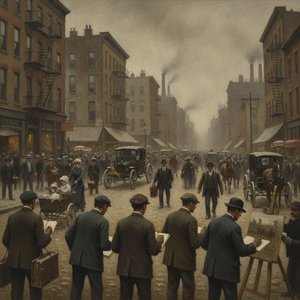
The Ashcan School: Capturing the Raw, Unfiltered Soul of Urban Life through American Realism
Discover the raw beauty of the Ashcan School. Explore how masters like Bellows and Henri captured the gritty, vibrant soul of early 20th-century New York through profound American Realism and evocative urban landscapes.

The Unvarnished Truth: A Cultural Journey Through the Soul of American Realism
Explore the profound beauty of American Realism. From the Ashcan School's urban grit to intimate portraits, discover how artists captured the authentic soul of a nation through unvarnished truth and masterful observation.
აღმოაჩინეთ ხელოვნების ნაწარმოებები თემების, სტილისა და მახასიათებლების მიხედვით დაჯგუფებული.
