

 ნახვა ინტერьерში
 გაგზავნა
 გაზიარება
 დეტალები
 გზამკვლევი

 ჩამოტვირთვა
 მსგავსები
 რენტგენოგრაფიული კვლევა
 სლაიდშოუ
 Q&A
Q&A სტატისტიკა
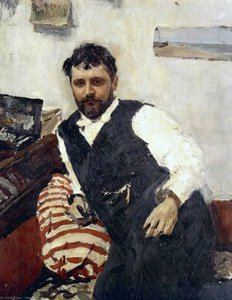
Diego Martelli


Giovanni Boldini's 'Portrait of Diego Martelli' (1865) captures a moment of quiet intimacy with dynamic brushwork and rich color, showcasing the artist’s signature style.
 სრული ტექსტის ნახვა
ჯოვანი ბოლდინი (1842-1931) იყო იტალიელი იმპრესიონისტი მხატვარი, რომელიც ცნობილია პარიზული საზოგადოების ელეგანტური პორტრეტებით და თავისუფალი, დინამიკური სტილით. აღმოაჩენით "სვიშისოსტარის" ხელოვნება!
გიკლე / ხელოვნების პრინტი
მუზეუმის დონის ჟიკლე ან ტილოზე ბეჭდვა სწრაფი წარმოებისა და დასრულების მოქნილი ვარიანტებით. ( შეიძინეთ ხელით შესრულებული ნახატი გადასვლა ციფრულ გამოსახულებაზე)




P118B ₾10

P118H ₾10

P118W ₾10

P438Z ₾10

P508JH ₾12

P508YH ₾12

P805H ₾10

P805Z ₾10

P919BZ ₾10

P919G ₾10

P919XJ ₾10

P959ZH ₾10

P968JZ ₾12

W106C ₾8

W218G ₾10

W218JH ₾8

W218Y ₾10

W307PJ ₾10

W316G ₾10

W316PJ ₾8

W316Y ₾10

W398PJ ₾8

W4111J ₾10

W500HY ₾15

W500JH ₾15

W692G ₾12

W849H ₾8

W940BG ₾15

W953PJ ₾8




სტანდარტული ზომა
ინდივიდუალური ზომა
CM
INCH
აირჩიეთ ჩვენს მიერ წინასწარ განსაზღვრული ზომებიდან, რომლებიც ნაწარმოების ორიგინალურ პროპორციებს შეესაბამება.
Loading sizes...

სიგანე
სიმაღლე
შეიყვანეთ თქვენთვის საჭირო სიგანე და სიმაღლე, რათა იგი მოერგოს თქვენს ჩარჩოს ან კედელს. ბეჭდვისას შესაძლებელია მხოლოდ მისი შემცირება და არა გაზრდა, ამიტომ სხვა ფორმის ზომის შემთხვევაში გამოსახულება ნაწილობრივ იკარგება. სანამ რაიმეს დაბეჭდავთ, ჩვენ გამოგიგზავნით ციფრულ მაკეტს დასდასტურებლად. ამ გვერდზე ნაჩვენები სურათი არ ასახავს რეალურ ჭრას — ამას მხოლოდ მაკეტი გვიჩვენებს.
მიწოდება მთელ მსოფლიოში () 2 კვირაში, სტანდარტული 4/5 კვირის ნაცვლად. (31 ოქტომბერი)

უფასო ექსპრეს მიწოდება მთელ მსოფლიოში

მაღალი ხარისხის ტილო

ტრანსპორტირების სრული დაზღვევა

საბაჟო გადასახადების დაბრუნების გარანტია

ფერების სრული შესაბამისობის გარანტია

დაბრუნების 100-დღიანი პერიოდი (მხოლოდ წარმოების დეფექტის შემთხვევაში)

100% თანხის სრული დაბრუნების გარანტია

ფასდაკლება დიდი რაოდენობით შეკვეთისას
 მინის ჩარჩოს არჩევანი ხელმისაწვდომია მხოლოდ 110 სმ-მდე ზომისთვის

Diego Martelli
გიკლე / ხელოვნების პრინტი
რეპროდუქციის ზომა
-


ჯამური ღირებულება
₾ 180
Giovanni Boldini’s “Portrait of Diego Martelli” – A Window into Belle Époque Parisian Life
Giovanni Boldini's "Portrait of Diego Martelli," painted circa 1865, isn’t merely a likeness; it’s a carefully constructed tableau vivant, a snapshot of a specific moment in time and a testament to the artist’s remarkable ability to capture not just appearance but also character and atmosphere. This painting, now housed within the Palazzo Pitti in Florence, offers a captivating glimpse into the vibrant social scene of late 19th-century Paris – a world of artistic ferment, intellectual discourse, and burgeoning modernity. Boldini, already establishing himself as a master of portraiture, skillfully employs a technique that blends elements of Realism with the subtle influences of the Macchiaioli movement, creating an image both grounded in observation and imbued with a dynamic energy.
The subject, Diego Martelli, an Italian art critic instrumental in championing Impressionism within Italy, is depicted seated on the floor, a posture remarkably unconventional for formal portraits of the era. This deliberate choice immediately establishes a sense of intimacy and informality, suggesting a relaxed conversation or perhaps a shared moment of contemplation. Martelli’s attire – a dark, simple suit and hat – contrasts subtly with the vibrant, almost luminous, cloth draped across his lap, hinting at a connection to the natural world and a rejection of rigid social conventions. Boldini's masterful use of light is crucial; it doesn’t simply illuminate the subject but sculpts their form, creating depth and volume within the relatively small canvas.
The Influence of Macchiaioli Realism
Boldini’s artistic journey was profoundly shaped by his encounter with the Macchiaioli – a group of Tuscan painters who prioritized capturing fleeting moments and atmospheric effects over meticulous detail. This influence is evident in “Portrait of Diego Martelli” through Boldini's loose brushwork, particularly noticeable in the rendering of the fabric and background. Rather than striving for photographic accuracy, he employs broken color and visible strokes to convey a sense of immediacy and spontaneity – a hallmark of the Macchiaioli’s approach. The muted palette, dominated by browns, grays, and ochres, further reinforces this connection to nature and the transient qualities of light.
Furthermore, Boldini's composition echoes the Macchiaioli’s penchant for depicting subjects within their natural surroundings. The glimpse of a window in the background suggests a domestic setting, grounding Martelli in a specific place and time. This subtle inclusion adds layers of meaning to the portrait, inviting viewers to imagine the context of the scene and the lives of those depicted.
Symbolism and Emotional Resonance
Beyond its technical brilliance, “Portrait of Diego Martelli” is rich in symbolic detail. The seated position itself can be interpreted as a gesture of humility or openness, suggesting that Martelli is willing to share his thoughts and ideas with the viewer. The red cloth draped across his lap – a splash of vibrant color against the muted background – could symbolize passion, creativity, or perhaps even the revolutionary spirit of Impressionism. The direct gaze of Martelli’s eyes draws the viewer into the portrait, creating a powerful connection between subject and observer.
Boldini masterfully captures not just a physical likeness but also an essence—a sense of intellectual curiosity, quiet contemplation, and perhaps even a touch of melancholy. The painting evokes a feeling of intimacy and invites us to step back in time and witness a pivotal moment in the history of art.
A Masterpiece of Belle Époque Portraiture
“Portrait of Diego Martelli” stands as a quintessential example of Giovanni Boldini’s signature style – a captivating blend of realism, dynamism, and psychological insight. It's a painting that rewards careful observation, revealing new details with each viewing. Boldini’s ability to capture the fleeting moments of human interaction and imbue his portraits with emotional resonance cemented his reputation as “the Master of Swish,” a title reflecting both his distinctive brushwork and his remarkable talent for portraying the allure and sophistication of Parisian society during the Belle Époque. Reproductions of this iconic work offer a beautiful opportunity to bring a piece of art history into your home, capturing the spirit of a bygone era.
კითხვები და პასუხები
რა განწყობას გამოხატავს ჯოვანი ბოლდინი-ის „Diego Martelli“ Realism-ის ფარგლებში?
Realism სტილის ფარგლებში, „Diego Martelli“ დაფიქსირებულია Nostalgic ტონით.
რა გრძნობასთან არის დაკავშირებული "Diego Martelli"?
"Diego Martelli" დაკავშირებულია Nostalgic განწყობასთან. ემოციური ტონი აღწერს იმ შთაბეჭდილებას, რომელსაც ეს ნამუშევარი ტოვებს.
რა ქვეყანას მიეკუთვნება Realism-ის ნამუშევარი „Diego Martelli“?
"Diego Martelli" თავის შემქმნელის სამშობლოს მეშვეობით აკავშირებს Realism სტილს იტალია-სთან.
მსგავსი ნამუშევრები




მხატვრის ბიოგრაფია
ჯოვანი ბოლდინის სიცოცხლე და ხელოვნება: ეპოქის ელეგანტურობისოსანი
ჯოვანი ბოლდინი, რომლის სახელიც ბელ ეპოკის პერიოდის ელეგანტურობასთან და მომხიბლავობასთან ასოცირდება, ი탈ელი მხატვარი იყო, რომელმაც პარიზულ საზოგადოებაში სახელოვანი პორტრეტისტის სახელი გაიმარჯვა. 1842 წლის 31 დეკემბერს ფერარაში დაბადებული ბოლდინის სამხატვრო მოგზაურობა მამის ხელმძღვანელობით დაიწყო, რომელიც რელიგიურ თემატიკაზე სპეციალიზირებულ მხატვარს წარმოადგენდა. ადრეულმა გამოცდილებამ მას ტექნიკის და კომპოზიციის საფუძველთა გაგება ჩ instilled, მაგრამ 1862 წელს ფლორენციაში გადასვლა ნამდვილად აანთեց მის შემოქმედებითი სულისკვეთება. იქ მან Macchiaioli-ს ჯგუფი შეხვდა - იტალიელი რეალისტური მხატვრების ჯგუფი, რომელმაც იმპრესიონიზმს წინასწარ უწყო სინათლის, ფერისა და სპონტანური შესრულების ხაზგავვით. ეს შეხვედრა გადამწყვეტი აღმოჩნდა, რადგან ბოლდინის ლანდშაფტებს ახალი სი vibrancy და ბუნებაზე მ responsiveness მიანიჭა. თუმცა, სწორედ საკუთარი სუბიექტების პორტრეტებში გამოსახულებამ მოახერხა ხსოვნის შენარჩუნება.ფლორენციიდან პარიზულ საზოგადოებამდე
ბოლდინის სამხატვრო გზამ თავდაპირველად ლონდონისკენ მიმართა, სადაც მან სწრაფად მოიპოვა აღიარება გამოჩენილი ფიგურების პორტრეტებისთვის, როგორიცაა ლედი ჰოლანდი და უესტმინსტერის ჰერცოგინია. ადრეულმა წარმატებამ საფუძველი ჩაუყარა 1872 წელს პარიზში გადასვლას - ქალაქს, რომელიც მის სახლად და მუზად იქცა. პარიზში ბოლდინი ჩაერთო სამხატვრო გარემოში, დამეგობრდა ედგარ დეგასთან და გაერკვია საფრანგეთის დედაქალაქის რთულ სოციალურ ლანდშაფტში. მან განავითარა გამორჩეული სტილი, რომელიც fluidity-ს, dynamism-ს და თეატრალური ელფერდის ხასიათდება. მისი ფუნჯების შეხებურობა არ იყო მხოლოდ აღწერითი; ეს ეცნობოდა მოძრაობას, პიროვნებას და საკუთარი სუბიექტების გარშემო ჰაერს. ამ უნიკალურმა მიდგომამ 1933 წელს “Swish-ისოსანი” მეტსახელი გამოიმუშავა, რაც მისი ნამუშევრების ელეგანტურ ენერგიას მოწმობს. ის გახდა პარიზული მაღალი საზოგადოების *პორტრეტისტი*, მარადიულად აცოცხლებდა მსახიობების, სოციალისტებისა და არისტოკრატიის მომხიბლავ ცხოვრებას.ტექნიკა და გავლენები
ბოლდინის ტექნიკა ისეთივე მომხიბლავი იყო, როგორც მისი გამოსახულებული პიროვნებები. მისი ტილოები ხშირად დიდი მასშტაბისა იყო, რაც საშუალებას აძლევდა მას დიდების და არსებობის გრძნობა გადაეცემა. მან გამოიყენა თავისუფალი, ექსპრესიული ფუნჯის შეხება, ფერების შრეებს აკუმულირებდა ტექსტურასა და სიღრმის შესაქმნელად. ეს მიდგომა, კომბინირებული დეტალებზე მისი მწვარე თვალის და გარდაუვალი გამოხატულებების აღსადგენად, შედეგად პორტრეტები წარმოიქმნა, რომლებიც განსაცვიფრებლად რეალისტური იყო და შეუდარებელი სტილის ხასიათდება. Macchiaioli-ს ჯგუფის სინათლისა და სპონტანურობის გავლენით, ბოლდინი ასევე იღებდა შთაგონებას მხატვრებისგან, როგორიცაა John Singer Sargent და Paul Helleu, რომელთა დინამიკური ფუნჯების შეხება რეზონირებდა მის სამხატვრო მგრძნობელობასთან. ის არ უბრალოდ იკოპირებდა მსგავსებას; ის შთაბეჭდილებებს ქმნიდა - ხასიათისა და სოციალური სტატუსის გამომსახურებებს. მის პორტრეტებს არ წარმოადგენდნენ მხოლოდ გამოსახულებები; ისინი განცხადებები იყო.მემკვიდრეობა და აღმოჩენა
სრული კარიერის განმავლობაში ბოლდინი ფართოდ გამოფენილი იყო, მათ შორის ვენეციის ბიენალეზე 1895, 1903, 1905 და 1912 წლებში. მან მიიღო Légion d'honneur ხელოვნების განვითარებაში მისი შემოწონებისთვის, რაც მის პოზიციას პარიზული სამხატვრო სამყაროს ერთ-ერთ ლიდერად ამაგრებდა. თუმცა, ცხოვრების ბოლოს ბოლდინის პოპულარობა დაეცა, რადგან სამხატვრო გემოვნებები შეიცვალა. მან გააგრძელა ხატვა, მაგრამ მისი ნამუშევრები გარკვეულწილად obscurity-ში ჩავარდა, სანამ ბოლო ათწლეულებმა აღმოჩენილი ინტერესი გამოიწვია. დაკარგული ნამუშევრების აღმოჩენა, როგორიცაა მარტე დე ფლორიანის მომხიბლავი პორტრეტი, რომელიც 2010 წელს პარიზულ ბინაში აღმოჩნდა, ხელახლა გააღვივა ინტერესი ბოლდინის ხელოვნების მიმართ და განახორციელა მნიშვნელოვანი ყურადღება ბელ ეპოკის ხელოვნებაში მისი მნიშვნელოვანი შეწონებისთვის. ამ ნახატს გარშემო არსებული ისტორია - დავიწყებული საგანძური, რომელიც ათწლეულების განმავლობაში seclusion-ში იყო დამალული - მხოლოდ მხატვარსა და მის სუბიექტებს გარშემო არსებულ mysticism-ს ამატებს.უკვდავი შთაბეჭდილება
ჯოვანი ბოლდინი 1931 წლის 11 იანვარს პარიზში გარდაიცვალა, დატოვა მემკვიდრეობა, როგორც მისი დროის ერთ-ერთი ყველაზე მომხიბლავი და ინოვაციური პორტრეტისტი. მისი ნამუშევრები აგრძელებს მხატვრებისა და ხელოვნების ენთუზიასტების შთაგონებას, გვაძლევს წარსულის ელეგანტურობის, სინატიფლისა და სამხატვრო ბრწყინვალების ჩახლართულობას. ის არ უბრალოდ დოკუმენტირებდა საზოგადოებას; ის მას აღნიშნავდა - აცოცხლებდა მის სილამაზეს, ენერგიასა და უკვდავ მომხიბლავობას ტილოზე. ბოლდინის პორტრეტები რჩება მისი უნარის, ხედვისა და ხატვის აქტის გარდაქმნის ძლიერი მოწმობად მომხიბლავი წარმოდგენაში.- ბოლდინის გავლენა თანამედროვე პორტრეტურაში შეიძლება იყოს შესამჩნევი.
- მისი ნამუშევრები წარმოდგენილია მსოფლიოს წამყვან მუზეუმებში.
- დაკარგული ნამუშევრების აღმოჩენა აგრძელ

ჯოვანი ბოლდინი
1842 - 1931 , იტალია
მოკლე ფაქტები
- Artistic Movement Or Style: იმპრესიონიზმი
- Artists Or Movements Influenced By This Artist: ['ჯონ სინგერ სარჯენტი']
- Artists Who Influenced This Artist: ['მაკკიოლები']
- Date Of Birth: 31 დეკემბერი 1842
- Date Of Death: 11 იანვარი 1931
- Full Name: ჯოვანი ბოლდინი
- Nationality: იტალიელი
- Notable Artworks (List Of Titles): ['გრაფინია დე რასტი']
- Place Of Birth (City And Country): ფერარა, იტალია
მსგავსი სტატიები

The Raw Truth: A Definitive Guide to the Power and Legacy of Social Realism Art
Explore the profound impact of Social Realism. Discover how masters like Courbet rejected idealism to capture the raw, socio-political truths of the working class through powerful, unvarnished art history and enduring visual critique.

The Unvarnished Truth: A Cultural Journey Through the Soul of American Realism
Explore the profound beauty of American Realism. From the Ashcan School's urban grit to intimate portraits, discover how artists captured the authentic soul of a nation through unvarnished truth and masterful observation.