

Shown: · With its frame:
 ნახვა ინტერьерში
 გაგზავნა
 გაზიარება
 დეტალები
 გზამკვლევი

 ჩამოტვირთვა
 მსგავსები
 რენტგენოგრაფიული კვლევა
 სლაიდშოუ
 Q&A
Q&A სტატისტიკა


₾ 700
ხელით შესრულებული ზეთის საღებავით რეპროდუქცია
ტილოზე შესრულებული ფერწერიანი ზეთប្រდათი, თქვენთვის სასურველი ზომისა და ჩარჩოსთვის, ჩვენი ხელოვანების მიერ შეკვეთის საფუძველზე დამზადებული. ( გადართვა ბეჭდვის რეჟიმზე გადასვლა ციფრულ გამოსახულებაზე)
Size
·სტანდარტული ზომა
ინდივიდუალური ზომა
CM
INCH
აირჩიეთ ჩვენს მიერ წინასწარ განსაზღვრული ზომებიდან, რომლებიც ნაწარმოების ორიგინალურ პროპორციებს შეესაბამება.
Loading sizes...

სიგანე
სიმაღლე
შეიყვანეთ თქვენთვის საჭირო სიგანე და სიმაღლე, რათა ნახატი მოერგოს თქვენს ჩარჩოს ან კედელს. ვინაიდან ეს ნამუშევარი ხელით არის შესრულებული, სხვა ფორმის ზომის შემთხვევაში, მხატვარმა შესაძლოა სურათის გარშემო ოდნავ მეტი დატოვოს ან შეამციროს — არჩევანი თქვენზეა. დაწყებამდე, დასამტკიცებლად, ჩვენ გამოგიგზავნით ციფრულ მაკეტს. ამ გვერდზე ნაჩვენები სურათი არ ასახავს რეალურ შედეგს — რეალური სახე მხოლოდ მაკეტზე ჩანს.
 გაეცანით მეტს
Finish
·
White ₾1

Blurside ₾1

Extended ₾1

P118B ₾10

P118H ₾10

P118W ₾10

P438Z ₾10

P508JH ₾12

P508YH ₾12

P805H ₾10

P805Z ₾10

P919BZ ₾10

P919G ₾10

P919XJ ₾10

P959ZH ₾10

P968JZ ₾12

W106C ₾8

W218G ₾10

W218JH ₾8

W218Y ₾10

W307PJ ₾10

W316G ₾10

W316PJ ₾8

W316Y ₾10

W398PJ ₾8

W4111J ₾10

W500HY ₾15

W500JH ₾15

W692G ₾12

W849H ₾8

W940BG ₾15

W953PJ ₾8

H24-GOLD ₾30

H24-SILVER ₾30

H36-GOLD ₾45

H36-SILVER ₾45
Shipped in a protective tube, ready for your own framer.
Above 105 cm the frame is shipped as a kit for a professional framer — read the details.
Extras
optionalWhat do the extras include?
Examples of what can be changed: Replace face with customer photo; Add pet (e.g., replace cat with dog); Include hidden message in background; Change background landscape or elements.
After order, TopImpressionists.com team will email client for instructions and provide a mockup preview
After order, TopImpressionists.com team will email client for instructions and provide a mockup preview
მიწოდება მსოფლიო მასშტაბით -ში 3/4 კვირაში, სტანდარტული 5 კვირის ნაცვლად. (1 ნოემბერი). ხარისხზე კომპრომისის გაკეთება არ მოხდება.
დამცავი ლაქი
სახელოვანი ფირფიტა
დაკვეთილი ბრინჯაოს ფირფიტის დეტალები
This elegant plaque features the artist's name and the title of the artwork, finely engraved for a timeless presentation.
It is made from bronze with a refined, elegant finish. The text is precisely laser-engraved for a sharp and permanent result. Measuring 9x2 cm, the plaque is compact yet easy to read. It's built to be durable and scratch-resistant, offering a professional, museum-quality look. Mounting is simple thanks to the included adhesive backing.
აკრილის გამჭვირვალე ფირფიტის დეტალები
The plaque includes essential engraved details such as the artist's name, the title of the artwork, the date it was created, the type of media used-like oil on canvas or watercolor-a brief description of the piece, and a QR code that links to the complete artwork information.
It is crafted from clear acrylic, offering a sleek, modern appearance. The text is UV-engraved in black to ensure strong visual contrast. With a size of 10x15 cm, it ensures optimal readability. It comes equipped with two metal hooks for secure wall mounting. The plaque is designed to be weather-resistant, making it suitable for various environments, and it includes interactive features that work seamlessly with smartphone scanning.
შავი აკრილის ფირფიტის დეტალები
This elegant plaque includes engraved information such as the artist's name, the title of the artwork, the date it was created, the type of media used (like oil on canvas or watercolor), a short description of the artwork, and a QR code for quick access to more information.
The plaque itself is made from refined black acrylic with a premium finish. The text is laser-engraved in white for high contrast and readability. Its size is 10x15 cm, designed to be easy to read. It comes with two metal hooks for professional mounting. The design is sleek and fits any interior style. It is also weather-resistant and durable, with built-in digital integration for mobile compatibility.
მინის ჩარჩოს არჩევანი ხელმისაწვდომია მხოლოდ 110 სმ-მდე ზომისთვის
 მინის ჩარჩოს არჩევანი ხელმისაწვდომია მხოლოდ 110 სმ-მდე ზომისთვის
- უფასო ექსპრეს მიწოდება მთელ მსოფლიოში
- მაღალი ხარისხის ტილო
- ტრანსპორტირების სრული დაზღვევა
- საბაჟო გადასახადების დაბრუნების გარანტია
- ფერების სრული შესაბამისობის გარანტია
- დაბრუნების 100-დღიანი პერიოდი (მხოლოდ წარმოების დეფექტის შემთხვევაში)
- 100% თანხის სრული დაბრუნების გარანტია
- ფასდაკლება დიდი რაოდენობით შეკვეთისას


კოლექციონირებადი ნივთის აღწერა
Experience the elegance of Rococo art! Giovanni Domenico Tiepolo's 'Minuet,' painted in 1756, captures a lively Venetian ballroom scene with vibrant colors and masterful composition.
მხატვრის ბიოგრაფია
აღმოაჩინეთ ჯოვანი დომენიკო ტიეპოლო, როკოკოს ოსტატი და ჯოვანი ბატისტას ვაჟი! დაათვალიერეთ მისი ვენეციური ფრესკები და მითოლოგიური ფერადა, რომლებიც ასხივებენ ელეგანტურობასა და ხელოვნებას.
About the painting
A Symphony of Grace: The Rococo Splendor of Tiepolo’s Minuet
In the delicate dance of light and shadow, Giovanni Domenico Tiepolo’s 1756 masterpiece, "Minuet," invites the viewer into a world where the boundaries between the earthly and the divine dissolve. As a quintessential emblem of the Rococo movement, this work captures the very essence of eighteenth-century aristocratic elegance—a period defined by a thirst for frivolity, idealized beauty, and theatrical grandeur. To gaze upon this canvas is to step into the opulent social spheres of the Habsburg court, where every gesture is choreographed with refinement and every hue whispers of luxury. The painting does not merely depict a dance; it orchestrates an immersive experience, pulling the observer into a rhythmic celebration of life itself.
The composition is a masterclass in the Rococo aesthetic, characterized by its rejection of Baroque solemnity in favor of playful asymmetry and a luminous, pastel-driven palette. Tiepolo employs a breathtaking array of delicate creams, blush pinks, and shimmering golds that seem to glow from within, mirroring the sumptuous silks and intricate ornamentation found in the grandest European interiors. Through the expert use of trompe l'oeil techniques, the artist subtly blurs the lines between the painted surface and architectural reality, creating an illusionistic depth that makes the grand classical structures feel as though they are expanding into the viewer's own space. The light does not simply illuminate the figures; it dances across them, lending a palpable sense of atmosphere and movement to the entire scene.
Mythological Echoes and Symbolic Grandeur
Beyond its surface-level charm, "Minuet" is deeply interwoven with the mythological narratives that provided the intellectual backbone of the era. At the heart of this graceful ballet stands a statue of Diana, the goddess of hunting and chastity. This inclusion serves as a profound symbol of virtue and nobility, acting as a silent, watchful guardian over the festivities. The dancers and musicians, arranged in a rhythmic semi-circle, are positioned within an architectural setting reminiscent of ancient Roman temples, a deliberate choice by Tiepolo to ground the ephemeral joy of the dance in the eternal ideals of classical harmony and proportion. This juxtaposition suggests that even the most fleeting moments of human pleasure can be imbued with divine significance.
For the discerning collector or interior designer, "Minuet" offers more than just visual beauty; it provides a profound emotional resonance. The painting captures a sense of exuberant optimism and the effortless poise of a bygone era. Whether placed in a sun-drenched gallery or as a focal point in a sophisticated living space, a high-quality reproduction of this work brings with it an air of historical prestige and timeless sophistication. It is a piece that invites conversation, evoking the spirit of an age where art was a celebration of light, movement, and the enduring pursuit of grace.
კითხვები და პასუხები
რა არის ჯოვანი დომენიკო ტიეპოლო-ის „Minuet“-ის საერთო განწყობა?
ჯოვანი დომენიკო ტიეპოლო-ის „Minuet“-ის განწყობა აღწერილია როგორც Elegant. ეს კლასიფიკაცია დაგეხმარებათ ნამუშევრის შესაბამის გარემოსთან დაკავშირებაში.
თარიღის გათვალისწინებით, ჯოვანი დომენიკო ტიეპოლო-ის შემოქმედების რომელ ეტაპს მიეკუთვნება „Minuet“?
"Minuet", რომელიც 1756-ში შეიქმნა, ჯოვანი დომენიკო ტიეპოლო-ის შემოქმედებითი კარიერის Mature Period პერიოდს განეკუთვნება."
რომელი მხატვარი და რომელი სტილი დგას „Minuet“-ის უკან?
"Minuet" შექმნილია ჯოვანი დომენიკო ტიეპოლო-ის მიერ Rococo Style სტილში. ავტორი და სტილი ნამუშევრის ტრადიციას განსაზღვრავს.
Quick facts and art quiz
About ჯოვანი დომენიკო ტიეპოლო
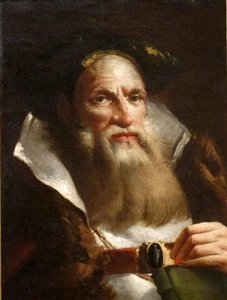
ჯოვანი დომენიკო ტიეპოლო
2007 - 1770, იტალია
მხატვრის ბიოგრაფია
ჯოვანი დომენიკო ტიえპოლო: როკოკოს ფრესკების ოსტატი
ჯოვანი დომენიკო ტიえპოლო (30 აგვისტო, 1727 – 3 მარტი, 1804) ვენეციის რესპუბლიკის გამორჩეული იტალიელი ფერთიশিল্পী და გრავერი იყო. ის როკოკოს სტილის ერთ-ერთ წამყვან ფიგურად ითვლება, რომელმაც მემკვიდრეობით მიიღო და გააფართოვა თავისი სახელovნებული მამის, ჯოვანი ბატისტა ტიえპოლოს შემოქმედებითი მემსხვერავლე. მისი კარიერა რამდენიმე ათწლეულს მოიცავდა და დატოვებდა მდიდარ შემოქმედებას, რომელიც ხასიათდება მკვეთრი ფერებით, დინამიკური კომპოზიციებითა და მითოლოგიური სცენების, პორტრეტებისა და ლანდშაფტების ელეგანტური აღწერით.
ადრეული ცხოვრება და სწავლება
მხატვრულ ოჯახში დაბადებული ჯოვანი დომენიკოს ადრეული წლები ხელოვნების სამყაროსთან ღრმად იყო გადაჯაჭვული. მისი მთავარი მენტორი მამამისი, ჯოვანი ბატისტა ტიえპოლო იყო — სახელovნებული ფერთიশিল্পী, რომელიც თავისი მონუმენტური ფრესკებით იყო ცნობილი. ჯოვანი დომენიკომ მამის მეთვალყურეობის ქვეშ მიიღო მკაცრი და საფუძვლიანი მომზადება, სადაც შეისწავლა ის ტექნიკური და სტილისტური ნიუანსები, რომლებმაც მოგვიანებით მისი საკუთარი შემოქმედებითი განვითარება განსაზღვრა. მან ასევე ისარგებლა იმ დროის სხვა გამოჩენილ ხელოვანებთან შეხებით, მათ შორის სებასტიანო ריჩისა და ფედერიკო ბენკოვიჩის შემოქმედებით, რამაც კიდევ უფრო გააფართოვა მისი მხატვრული ჰორიზონტები. ახალგაზრდა ასაკში ის ხშირად ეხმარებოდა მამას მასშტაბურ პროექტებში, რითაც ფრესკწერობის უძვირფასეულ პრაქტიკულ გამოცდილებას იძენდა.
მხატვრული კარიერა და სტილი
ჯოვანი დომენიკოს კარიერა მე-18 საუკუნის განმავლობაში ყვაოდა. მან დაიმკვიდრა თავი, როგორც დახელოვნებული ხელოვანი, რომელსაც შეეძლო როგორც დამოუკიდებელი ნამუშევრების შექმნა, ისე კოლაბორაციულ პროექტებში მონაწილეობა. მიუხედავად იმისა, რომ თავდაპირველად მჭიდროდ თანამშლელობდა მამასთან, მან თანდათან განავითარა საკუთარი, გამორჩეული სტილი, თუმცა შეინარჩუნა იმ როკოკოს ესთეტიკის ელემენტები, რომელიც იმ პერიოდში ვენეციის ხელოვნებაში იყო გაბატონებული. მისი შემოქმედებითი მემკვიდრეობა მოიცავდა ფრესკებს, ტილოსზე შესრულებულ ნახატებსა და ეტსინგებს.
- ფრესკები: ტიえპოლო განსაკუთრებით იყო ცნობილი თავისი ფრესკებით, რომლებითაც მთელ იტალიაში მრავალი ადგილი გაამጌვირა რთული და დეტალური სცენებით. აღსანიშნავი მაგალითებია ფრესკები ვენეციურ კანალზე მდებარე Ca' Dolfin-ში და ჯესუატის (Santa Maria delად Rosario) ეკლესიის ჭერი, რომელიც ასევე ვენეციაში მდებარეობს.
- ნახატები: ფრესკების გარდა, მან შექმნა ტილოსზე შესრულებული ნახატების მნიშვნელოვანი ნაწილი, რომლებიც ხშირად მითოლოგიურ თემებს ან პორტრეტებს ასახავდა. მათ შორისაა "პერ seas და ანდრომედა" (ნახეთ აქ), „ევროპას გაუპატიურება“ (ნახეთ აქ) და "მონაკ猟ე პირველად" (ნახეთ აქ).
- ეტსინგები: ტიえპოლო ასევე აჩვენებდა თავის ოსტატობას გრავირებაში, ქმნიდა დეტალურ და ექსპრესიულ პრინტებს, როგორიცაა "წმინდა ავგუსტინე, საფრანგეთის ლუი, იოანე ღვთისმეტყველი და მაგნუს" (ნახეთ აქ).
გავლენა და განვითარება
ჯოვანი დომენიკოს მხატვრული განვითარება ღრმად იყო მო pengaruhებული მამამისი, ჯოვანი ბატისტა ტიえპოლოს მიერ. მან მემკვიდრეობით მიიღო უფროსი ტიえპოლოს ოსტატობა ფერებში, კომპოზიციასა და ნარატიულ თხრობაში. თუმცა, ჯოვანი დომენიკოს სტილი ევოლუციას განიცდა და უფრო მეტი აქცენტი გააკეთა ჟანრულ სცენებსა და ყოველდღიური ცხოვრების აღწერაზე, რაც მას მამის უფრო მონუმენტური და კლასიკურად შთაგონებული ნამუშევრებისგან განასხვავებდა. მან ასევე გამოავლინა ინტერესი თეატრალობისა და მოძრაობის მიმართ, რაც აშკარაა ისეთ ნამუშევრებში, როგორიცაა "პულჩინელა" (ნახეთ აქ) და „ჰერკულესის აპოთეოზი“ (ნახეთ აქ).
ისტორიული მნიშვნელობა
ჯოვანი დომენიკო ტიえპოლომ გადამწყვეტი როლი ითამაშა ვენეციის როკოკოს ხელოვნების გაგრძელებასა და ევოლუციაში. მიუხედავად იმისა, რომ მისი სიცოცხლის მანძილზე მამამისის დიდებულების ჩრდილში იყო მყოფი, დღეს ის აღიარებულია მნიშვნელოვან ხელოვანად საკუთარი თავით. მისი ფრესკები და ნახატები ღირებულ ინფორმაციას გვაწვდის მე-18 საუკუნის ვენეციისა და მთლიად იტალიის მხატვრული გემოვნებისა და კულტურული ღირებულებების შესახებ. მისმა უნარმა, შეეხლა კლასიკური თემები თანამედროვე სენსიტიურობასთან, განამტკიცა მისი ადგილი როკოკოს მოძრაობაში და დატოვა ცოცხალი ხელოვნების მემკვიდრეობა, რომელიც დღესაც აღფრთოვანებას იწვევს.
Quick facts about ჯოვანი დომენიკო ტიეპოლო
- Artistic Movement Or Style: როკოკო
- Artists Who Influenced This Artist: ['ჯოვანი ბატისტა ტიეპოლო']
- Date Of Birth: 30 აგვისტო, 1727
- Date Of Death: 3 მარტი, 1804
- Full Name: ჯოვანი დომენიკო ტიეპოლო
- Nationality: იტალიელი
- Notable Artworks:
- პერ seas და ანდრომედა
- ევროპას გაუპატიურება
- მესადლე ირემთან
- წმინდა ავგუსტინე, ლუი IX საფრანგეთელი, იოანე ღვთისმეტყველი და მაგნიუს
- აპოლონი და დიანა
- ჰერკულესის აპოთეოზი
- Place Of Birth: ვენეცია, იტალია

ჯოვანი დომენიკო ტიეპოლო
Minuet
() ·
With its frame: · Hand-painted in oil on linen
Total