

 წინასწარი ნახვა
 გაგზავნა
 გაზიარება
 დეტალები
 გზამკვლევი

 ჩამოტვირთვა
 მსგავსები
 რენტგენოგრაფიული კვლევა
 სლაიდშოუ
 კითხვა-პასუხი
 სტატისტიკა
Donna che si lava

- 115.0 x 63.0 cm


A vibrant 1954 portrait by Giuseppe Ajmone captures a woman in a colorful bathroom setting with expressive pink and yellow tones, offering a unique opportunity to bring this mid-century Italian masterpiece into your home.
 გააგრძელეთ კითხვა
აღმოაჩინეთ ჯუზეპე აჯმონეს შთამბეჭდავი ნამუშევრები: პეიზაჟები და ნახევრად აბსტრაქტული ფიგურები, რომლებზეც გავლენა მოახდინეს ბონარმა და პიკასომ. შეისწავლეთ მისი იტალიური მემკვიდრეობა TopImpressionists-ზე.
ამ გვერდზე წარმოდგენილი ნამუშევარი დაცულია საავტორო უფლების შესახებ კანონმდებლობით, რაც იმას ნიშნავს, რომ ჩვენ არ გვაქვს მისი იდენტური რეპროდუქციის შექმნის ან გაყიდვის სამართლებრივი უფლება. აღნიშნული დაცვა უზრუნველყოფილია ისეთი საერთაშორისო შეთანხმებებით, როგორიცაა ბერნის კონვენცია და ეროვნული კანონმდებლობით, მათ შორის იმ კანონებით, რომლებიც დეტალურად არის გაწერილი აშშ-ის საავტორო უფლების შესახებ კანონი - თავი 17.
ეს მეთოდი სრულად შეესაბამება საავტორო უფლებების რეგულაციებს, რადგან ის არ გულისხმობს დაცული ნამუშევრის კოპირებას ან დუბლირებას. ამგვარად, ეს წარმოადგენს შემოქმედებით რეინტერპრეტაციას — ახალ ნახატს, რომელიც შთაგონებითაა განპირობებული ორიგინალით, თუმცა არ არის მის იდენტურ ასლს.
გიკლე / ხელოვნების პრინტი
მუზეუმის დონის ჟიკლე ან ტილოზე ბეჭდვა სწრაფი წარმოებისა და დასრულების მოქნილი ვარიანტებით. ( შეიძინეთ ხელით შესრულებული ნახატი გადართვა ციფრულ გამოსახულებაზე)




P118B ₾10

P118H ₾10

P118W ₾10

P438Z ₾10

P508JH ₾12

P508YH ₾12

P805H ₾10

P805Z ₾10

P919BZ ₾10

P919G ₾10

P919XJ ₾10

P959ZH ₾10

P968JZ ₾12

W106C ₾8

W218G ₾10

W218JH ₾8

W218Y ₾10

W307PJ ₾10

W316G ₾10

W316PJ ₾8

W316Y ₾10

W398PJ ₾8

W4111J ₾10

W500HY ₾15

W500JH ₾15

W692G ₾12

W849H ₾8

W940BG ₾15

W953PJ ₾8




სტანდარტული
სასურველი ზომა
CM
INCH
აირჩიეთ ჩვენს მიერ წინასწარ განსაზღვრული ზომებიდან, რომლებიც ნაწარმოების ორიგინალურ პროპორციებს შეესაბამება.
Loading sizes...

სიგანე
სიმაღლე
შეიყვანეთ თქვენთვის საჭირო სიგანე და სიმაღლე, რათა გამოსახულებამ თქვენს ჩარჩოს ან კედელს ზუსტად მოერგოს. ბეჭდვისას შესაძლებელია მხოლოდ მისი შემცირება და არა გაზრდა, ამიტომ სხვა ფორმის ზომის შემთხვევაში სურათი ნაწილობრივ იკარგება. სანამ რაიმეს დაბეჭდავთ, ჩვენ გამოგიგზავნით ციფრულ მაკეტს დასდასტურებლად. ამ გვერდზე ნაჩვენები სურათი არ ასახავს რეალურ ჭრას — ამას მხოლოდ მაკეტი გვიჩვენებს.
მიწოდება მთელ მსოფლიოში () 2 კვირაში, სტანდარტული 4/5 კვირის ნაცვლად. (6 ნოემბერი)

უფასო ექსპრეს მიწოდება მთელ მსოფლიოში

მაღალი ხარისხის ტილოს ქსოვილი

ტრანსპორტირების სრული დაზღვევა

საბაჟო გადასახადების დაბრუნების გარანტია

ფერების სრული შესაბამისობის გარანტია

დაბრუნების 100-დღიანი პოლიტიკა (მხოლოდ დეფექტის შემთხვევაში)

100% თანხის სრული დაბრუნების გარანტია

ფასდაკლება დიდი რაოდენობით შეკვეთისას
 მინის ჩარჩოს არჩევანი შესაძლებელია მხოლოდ 110 სმ-მდე ზომისთვის

Donna che si lava
გიკლე / ხელოვნების პრინტი
რეპროდუქციის ზომა
-


საბოლოო ღირებულება
₾ 182
An Intimate Encounter with Light and Form
In the quiet, private moments of domestic life, there exists a profound beauty that often escapes the hurried gaze of the world. Giuseppe Ajmone, a master of capturing these ephemeral instances, invites us into such a moment with his 1954 masterpiece, Donna che si lava (Woman Washing). The painting presents us with a figure seen from behind, her back turned to the viewer as she engages in a ritual of cleansing. This perspective creates an immediate sense of voyeuristic intimacy, yet it remains deeply respectful, drawing the observer into a private sanctuary rather than intruding upon it. The composition is a delicate dance of light and shadow, where the warmth of pinks and yellows breathes life into the skin, transforming a mundane bathroom setting into a stage of vibrant, chromatic expression.
The technique employed by Ajmone reflects his deep connection to the post-war Italian tradition, blending elements of semi-abstraction with a palpable sense of reality. Influenced by the luminous palettes of Pierre Bonnard and the structural boldness of Picasso, Ajmone utilizes color not merely as a descriptive tool but as an emotional language. The way the light dances across the woman's form suggests a fluid, almost rhythmic movement, where the boundaries between the subject and her environment begin to soften. Scattered throughout the scene, objects such as a delicate cup, a bottle, and various bowls are rendered with a painterly touch that emphasizes texture and light over rigid detail, contributing to a dynamic composition that feels both grounded and dreamlike.
A Legacy of Italian Modernism
To understand the depth of Donna che lava, one must look toward the rich historical tapestry of Ajmone’s career. Emerging from the prestigious Brera Academy under the tutelage of masters like Achille Funi and Carlo Carrà, Ajmone was a central figure in the mid-century Italian art scene. His participation in landmark exhibitions, such as the Manifesto del Realismo and the prestigious Venice Biennale, places this work within a period of intense artistic exploration following World War II. This era was defined by a search for a new visual language—one that could reconcile the weight of tradition with the burgeoning freedom of modern abstraction. In this painting, we see that reconciliation perfectly realized; it is a work that honors the human figure while embracing the expressive potential of color and light.
For the discerning collector or interior designer, this piece offers more than just visual appeal; it provides an emotional anchor for a sophisticated space. The warmth of the palette makes it an ideal centerpiece for rooms designed to evoke tranquility and refinement. Whether placed in a sun-drenched morning room or a moody, contemporary study, the painting’s ability to command attention through subtle nuance ensures it remains a conversation piece for years to come. Owning a reproduction of such a significant work allows one to bring a fragment of Italian modernism into the home, fostering an environment of cultured contemplation and timeless elegance.
კითხვები და პასუხები
რა ტექნიკითა და რა ზომისაა ორიგინალი ჯუზეპე აჯმონე-ის „Donna che si lava“?
"Donna che si lava" შესრულებულია Oil On Canvas ტექნიკით და მისი ორიგინალური ზომაა 115 x 63 cm.
რამდენი წლის იყო ჯუზეპე აჯმონე, როდესაც „Donna che si lava“ შეიქმნა?
ჯუზეპე აჯმონე-მა „Donna che si lava“ 31 წლის ასაკში შექმნა. ხელოვანი დაიბადა 1923 წელს, ნამუშევრის თარიღგადასახელება კი 1954-ია.
რა მასალისგან არის შექმნილი "Donna che si lava" და რა სტილშია შესრულებული?
წარმოებაში "Donna che si lava", Oil On Canvas ტექნიკა და Contemporary Realism სტილი ერთმანეთს ერწყმის.
დაკავშირებული ნამუშევრები


მხატვრის ბიოგრაფია
ადრეული ცხოვრება და განათლება
ჯუზეპე აჯმონე, იტალიელი სახელovნი ფატორი, 1923 წელს იტალიის ქალაქ კარპინიანო სეზიასprot დაჯდა. მისი შემოქმედებითი გზა 1941 წელს მილანში გაგრძელდა, სადაც ბრერის აკადემიაში სწავლა დაიწყო, აკილე ფუნისა და კარლო კარა მეთვალყურეობის ქვეშ.künstlerische Karriere
აჯმონეს შემოქმედებითი კარიერა გამორჩეული იყო მრავალფეროვან გამოფენებში მონაწილეობით, მათ შორის 1946 წელს გამართულ რეალიზმის მანისФеსტოში (რომელიც ასევე ცნობილია როგორც oltre guernica). ხელოვანმა დაიმსახურა ჯილდო ბელაჯიოში გამართულ ფერწერის პირველ ეროვნულ გამოფენაზე. 1950 წელს იგი მონაწილეობას მიიღო ვენეციის ბენალეში, 25-ე საერთაშორისო გამოფენაზე, რასაც მოჰყვა სენატორ ბორლეტის პრემია ახალგაზრდა იტალიელი ფატორისთვის 1ან 1951 წელს.საერთაშორისო გამოფენები და თანამშრომლობა
აჯმონეს ნამუშევრები მსოფლიოს მასშტაბით იყო წარდგენილი, მათ შორის:- სან-პაულოს ბენალე ბრაზილიაში (1951 და 1959)
- ტოკიოს საერთაშორისო ბენალე (1959)
- პიტსბურგის საერთაშორისო ხელოვნების მუზეუმი (1955 და 1958)
- კოპენჰაგენი, დორტმუნდი, ნიურნბერგი და ბუენოს-აირესი
გამორჩეული ნამუშევრები და სტილი
აჯმონეს ტილოებზე ხშირად ვხედავთ პეიზაჟებსა და ნახევრად აბსტრაქტულ ფიგურებს. მის სტილზე დიდ გავლენას მოახდინეს ისეთი გამორჩეული ოსტატები, როგორებიც იყვნენ ბონარი, პიკასსო, ბრაკი და ნიკოლა დე სტაელი. მიუხედავად ამისა, აჯმონეს შემოქმედებას ახასიათებდა სიმსუბუქე, მელანქოლია და ინტიმურობის განცდა.გვიანი წლები და მემკვიდრეობა
1982 წელს აჯმონე რომანიანო სეზიაში (ნოვარა) დასახლდა, სადაც დარჩა 2005 წლამდე სიკვდილამდე. მისი შემოქმედებითი მემკვიდრეობა დღესაც ც world-ში აღიარებულია სხვადასხვა გამოფენებისა და მისი ნამუშევრების კონსერვაციის მეშვეობით. ნახეთ ჯუზეპე აჯმონეს ნამუშევრები TopImpressionists-ზე:- ჯუზეპე აჯმონე | 10 ნამუშევარი
- ჯუზეპე აჯმონე: nudo alla finestra (ნოვეჩენტოს მუზეუმი, მილანი, იტალია)

ჯუზეპე აჯმონე
1923 - 2005 , იტალია
დაკავშირებული სტატიები

Angelo Chiacchio: A Mid-Century American Illustration Master & the Rise of Commercial Art
Explore the captivating world of Angelo Chiacchio, a master of mid-century American illustration. Discover his evolution, signature style, and lasting impact on commercial art & design. Learn about his legacy at the Museum of American Illustration.
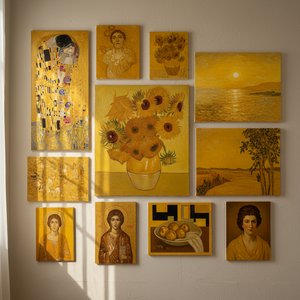
Golden Hues: Top 10 Paintings Dominated by Yellow Ochre |
Explore 10 iconic paintings bathed in golden yellow ochre! From Van Gogh's sunflowers to Monet’s haystacks, discover the stories behind these masterpieces. Find museum-quality art reproductions & elevate your home decor on .
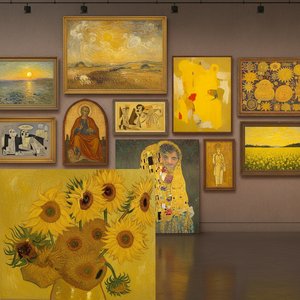
Golden Hues: 10 Masterpieces Dominated by Chrome Yellow | TopImpressionists
Immerse yourself in golden light! Explore 10 famous paintings dominated by 'Chrome Yellow', from Van Gogh’s Sunflowers to Monet's Haystacks. Discover the stories behind these iconic Impressionist & Post-Impressionist masterpieces and find museum-quality art reproductions at TopImpressionists.com.

The Golden Hue: Exploring Symbolism & Emotion in Yellow Art
Explore the rich symbolism & emotional power of yellow in art history! From Van Gogh to Kandinsky, discover how artists used this vibrant hue. Expert analysis & high-quality reproductions at TopImpressionists.

Blush & Brilliance: 10 Iconic Paintings Dominated by Light Pink Tones |
Explore 10 iconic paintings bathed in captivating light pink tones! From Monet's Impressionism to Renoir’s romance, discover the stories behind these blush-hued masterpieces. Find museum-quality art reproductions & decor inspiration at .