

Shown: · With its frame:
 ნახვა ინტერьерში
 გაგზავნა
 გაზიარება
 დეტალები
 გზამკვლევი

 ჩამოტვირთვა
 მსგავსები
 რენტგენოგრაფიული კვლევა
 სლაიდშოუ
 Q&A
Q&A სტატისტიკა

₾ 700
ხელით შესრულებული ზეთის საღებავით რეპროდუქცია
ტილოზე შესრულებული ფერწერიანი ზეთប្រდათი, თქვენთვის სასურველი ზომისა და ჩარჩოსთვის, ჩვენი ხელოვანების მიერ შეკვეთის საფუძველზე დამზადებული. ( გადართვა ბეჭდვის რეჟიმზე გადასვლა ციფრულ გამოსახულებაზე)
Size
·სტანდარტული ზომა
ინდივიდუალური ზომა
CM
INCH
აირჩიეთ ჩვენს მიერ წინასწარ განსაზღვრული ზომებიდან, რომლებიც ნაწარმოების ორიგინალურ პროპორციებს შეესაბამება.
Loading sizes...

სიგანე
სიმაღლე
შეიყვანეთ თქვენთვის საჭირო სიგანე და სიმაღლე, რათა ნახატი მოერგოს თქვენს ჩარჩოს ან კედელს. ვინაიდან ეს ნამუშევარი ხელით არის შესრულებული, სხვა ფორმის ზომის შემთხვევაში, მხატვარმა შესაძლოა სურათის გარშემო ოდნავ მეტი დატოვოს ან შეამციროს — არჩევანი თქვენზეა. დაწყებამდე, დასამტკიცებლად, ჩვენ გამოგიგზავნით ციფრულ მაკეტს. ამ გვერდზე ნაჩვენები სურათი არ ასახავს რეალურ შედეგს — რეალური სახე მხოლოდ მაკეტზე ჩანს.
 გაეცანით მეტს
Finish
·
White ₾1

Blurside ₾1

Extended ₾1

P118B ₾10

P118H ₾10

P118W ₾10

P438Z ₾10

P508JH ₾12

P508YH ₾12

P805H ₾10

P805Z ₾10

P919BZ ₾10

P919G ₾10

P919XJ ₾10

P959ZH ₾10

P968JZ ₾12

W106C ₾8

W218G ₾10

W218JH ₾8

W218Y ₾10

W307PJ ₾10

W316G ₾10

W316PJ ₾8

W316Y ₾10

W398PJ ₾8

W4111J ₾10

W500HY ₾15

W500JH ₾15

W692G ₾12

W849H ₾8

W940BG ₾15

W953PJ ₾8

H24-GOLD ₾30

H24-SILVER ₾30

H36-GOLD ₾45

H36-SILVER ₾45
Shipped in a protective tube, ready for your own framer.
Above 105 cm the frame is shipped as a kit for a professional framer — read the details.
Extras
optionalWhat do the extras include?
Examples of what can be changed: Replace face with customer photo; Add pet (e.g., replace cat with dog); Include hidden message in background; Change background landscape or elements.
After order, TopImpressionists.com team will email client for instructions and provide a mockup preview
After order, TopImpressionists.com team will email client for instructions and provide a mockup preview
მიწოდება მსოფლიო მასშტაბით -ში 3/4 კვირაში, სტანდარტული 5 კვირის ნაცვლად. (30 ოქტომბერი). ხარისხზე კომპრომისის გაკეთება არ მოხდება.
დამცავი ლაქი
სახელოვანი ფირფიტა
დაკვეთილი ბრინჯაოს ფირფიტის დეტალები
This elegant plaque features the artist's name and the title of the artwork, finely engraved for a timeless presentation.
It is made from bronze with a refined, elegant finish. The text is precisely laser-engraved for a sharp and permanent result. Measuring 9x2 cm, the plaque is compact yet easy to read. It's built to be durable and scratch-resistant, offering a professional, museum-quality look. Mounting is simple thanks to the included adhesive backing.
აკრილის გამჭვირვალე ფირფიტის დეტალები
The plaque includes essential engraved details such as the artist's name, the title of the artwork, the date it was created, the type of media used-like oil on canvas or watercolor-a brief description of the piece, and a QR code that links to the complete artwork information.
It is crafted from clear acrylic, offering a sleek, modern appearance. The text is UV-engraved in black to ensure strong visual contrast. With a size of 10x15 cm, it ensures optimal readability. It comes equipped with two metal hooks for secure wall mounting. The plaque is designed to be weather-resistant, making it suitable for various environments, and it includes interactive features that work seamlessly with smartphone scanning.
შავი აკრილის ფირფიტის დეტალები
This elegant plaque includes engraved information such as the artist's name, the title of the artwork, the date it was created, the type of media used (like oil on canvas or watercolor), a short description of the artwork, and a QR code for quick access to more information.
The plaque itself is made from refined black acrylic with a premium finish. The text is laser-engraved in white for high contrast and readability. Its size is 10x15 cm, designed to be easy to read. It comes with two metal hooks for professional mounting. The design is sleek and fits any interior style. It is also weather-resistant and durable, with built-in digital integration for mobile compatibility.
მინის ჩარჩოს არჩევანი ხელმისაწვდომია მხოლოდ 110 სმ-მდე ზომისთვის
 მინის ჩარჩოს არჩევანი ხელმისაწვდომია მხოლოდ 110 სმ-მდე ზომისთვის
- უფასო ექსპრეს მიწოდება მთელ მსოფლიოში
- მაღალი ხარისხის ტილო
- ტრანსპორტირების სრული დაზღვევა
- საბაჟო გადასახადების დაბრუნების გარანტია
- ფერების სრული შესაბამისობის გარანტია
- დაბრუნების 100-დღიანი პერიოდი (მხოლოდ წარმოების დეფექტის შემთხვევაში)
- 100% თანხის სრული დაბრუნების გარანტია
- ფასდაკლება დიდი რაოდენობით შეკვეთისას


კოლექციონირებადი ნივთის აღწერა
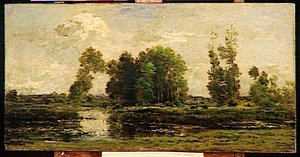
Gustave Moreau’s ‘Paysage’ captures a serene sunset landscape brimming with Symbolist beauty and evocative detail. This captivating painting from the 19th century invites you to discover its rich symbolism and own a piece of art history.
მხატვრის ბიოგრაფია
გუსტავ მორეუ არის ფრანგი მხატვარი და მნიშვნელოვანი ფიგურა სიმ볼ისტულ მცენებაობაში. მისი ნაწილი მღვადამშვიდ პერიოდში იყო და არ შეეძლო სხედამშვიდ მცენებაობაში მიღება და არ შეეძლო სხედამშვიდ მცენებაობაში მიღება და არ შეეძლო სხედამშვიდ მცენებაობაში მიღება და არ შეეძლო სხედამშვიდ მცენებაობაში მიღება და არ შეეძლო სხედამშვიდ მცენებაობაში მიღება და არ შეეძლო სხედამშვიდ მცენებაობაში მიღება და არ შეეძლო სხედ
About the painting
A Vision of Serenity: Exploring Gustave Moreau’s “Paysage”
Gustave Moreau's "Paysage" (Landscape) offers a profound glimpse into the heart of Symbolist art, a movement that sought to transcend mere representation and delve into the realms of emotion, myth, and the subconscious. Painted during his lifetime, this evocative scene—a field bathed in the warm hues of a setting sun—is not simply a depiction of nature; it’s a carefully constructed allegory, reflecting Moreau's fascination with ancient symbolism and the power of dreams. The painting immediately draws the viewer into a world of quiet contemplation, inviting us to share in the solitary figure’s appreciation of this fleeting moment.
The Symbolist Aesthetic: A Departure from Realism
- Historical Context: Moreau emerged during a period of significant artistic upheaval. The rigid conventions of academic realism and the burgeoning Impressionist movement were challenging established norms, paving the way for artists like Moreau to explore subjective experience and spiritual themes.
- Symbolism's Core Principles: Symbolist painters rejected naturalistic representation in favor of symbolic imagery designed to evoke emotional responses and tap into universal archetypes. They often drew inspiration from mythology, religion, literature, and the occult.
- Moreau’s Unique Vision: Moreau deliberately distanced himself from the objective observation championed by his contemporaries. Instead, he sought to create a world imbued with personal meaning, using color, form, and composition to convey complex psychological states.
Composition and Technique – A Masterful Blend
Moreau’s technique is characterized by meticulous detail and a rich, almost jewel-like palette. He employed oil paints with a deliberate slowness, building up layers of color to achieve the luminous effects characteristic of his work. The composition itself is carefully balanced, guiding the viewer's eye through the scene—from the foreground trees, rendered with remarkable precision, to the distant horizon line where the sky merges seamlessly with the landscape. Note the use of sfumato – a technique perfected by Leonardo da Vinci - to soften edges and create an atmospheric haze, enhancing the painting’s dreamlike quality.
Decoding the Symbolism: Mythic Echoes and Personal Resonance
"Paysage" is replete with symbolic elements. The solitary figure, a recurring motif in Moreau's work, represents the artist himself—a contemplative observer lost in thought. The trees, often associated with wisdom and spirituality, stand as silent witnesses to this moment of reflection. The warm colors of the sunset – reds, oranges, and golds – evoke feelings of tranquility, nostalgia, and perhaps even a hint of melancholy. Moreau frequently drew upon classical mythology, particularly themes of pastoral idylls and the contemplation of nature’s beauty, suggesting a longing for an idealized past or a connection to something beyond the mundane.
Emotional Impact and Artistic Legacy
Moreau's "Paysage" is more than just a beautiful landscape; it’s a powerful emotional statement. It invites us to pause, reflect, and contemplate our own place in the world. This painting exemplifies Moreau’s lasting contribution to Symbolist art – his ability to transform a simple scene into a profound meditation on human experience. A hand-painted reproduction of “Paysage” offers an unparalleled opportunity to bring this evocative artwork into your home or office, allowing you to appreciate its beauty and symbolism for years to come.
კითხვები და პასუხები
რამდენად მკვეთრია „Paysage“-ის ფერები?
გუსტავ მორეუ-ის „Paysage“ ფერები გამოირჩევა Subtle Color გაჯერებულობით და Balanced ინტენსივობით.
სად იმყოფება "Paysage" გუსტავ მორეუ-ის შემოქმედებისათვის დამახასიათებელ თემებსა და სტილში?
"Paysage" წარმოადგენს გუსტავ მორეუ-ის Symbolist Painting პერიოდის ნამუშევარს, რომლის დაფიქსირებული თემები მოიცავს mythological symbolism, religious themes, french symbolist, moreau’s vision, dreamlike landscapes, personal myth, exploring inner psychological states, key symbolist landscape painting-ს."
რა ფსევდონიმებით ან ალტერნატიული სახელებით არის ცნობილი გუსტავ მორეუ?
გუსტავ მორეუ ასევე ცნობილია შემდეგი ალტერნატიული სახელებით: გუსტავ მორეუ სენსიორი, მორეუ გუსტავ მორᅦუ.
Quick facts and art quiz
About გუსტავ მორეუ

გუსტავ მორეუ
1826 - 1898, საფრანგეთი
მხატვრის ბიოგრაფია
Gustave Moreau (1826 - 1898): A Dream Weaver of Symbolism
Gustave Moreau, a name synonymous with the ethereal beauty and enigmatic depths of Symbolist painting, emerged from 19th-century Paris as a singular artistic voice. Born in 1826 into a bourgeois family—his father an architect and archivist—Moreau’s early life was steeped in intellectual curiosity and aesthetic sensibility. From a young age, he displayed a remarkable gift for drawing, nurtured through traditional academic training at the École des Beaux-Arts under figures like François-Édouard Picot. However, Moreau's artistic path would diverge sharply from the prevailing Realist and Impressionist currents of his time. He wasn’t interested in capturing fleeting moments or objective reality; instead, he sought to unlock the hidden realms of myth, religion, and the human psyche through a deeply personal and symbolic visual language. His journey was one of inward exploration, translating subjective emotions and spiritual yearnings onto canvas with an obsessive attention to detail and a vibrant, often opulent palette.Early Influences and Artistic Training
Moreau’s artistic development wasn't born in a vacuum. While rejecting the dominant trends of his era, he drew inspiration from diverse sources. The dramatic use of color and exotic subject matter found in the works of Eugène Delacroix ignited a passion for narrative painting imbued with emotional intensity—a fascination that would define much of his oeuvre. He particularly admired Michelangelo’s monumental sculptures and Leonardo da Vinci's masterful anatomical drawings, recognizing their profound impact on artistic technique and psychological insight. Yet, Moreau wasn’t merely imitating these masters; he was synthesizing their influences into something entirely new. His formative years at Collège Rollin instilled in him a rigorous intellectual discipline—a cornerstone of his artistic approach—and subsequent training at the École des Beaux-Arts solidified his mastery of classical painting principles. Notably, he befriended Theodore Chassériau, who shared his admiration for Delacroix and served as a crucial mentor during Moreau’s early career. This relationship fostered a collaborative spirit that would propel both artists toward groundbreaking innovations in artistic expression.The Italian Journey: Rediscovering Antiquity
A pivotal moment in Moreau’s artistic evolution arrived with his travels to Italy between 1857 and 1859—a pilgrimage he undertook with unwavering determination. Driven by a desire to reinvigorate the history painting tradition, Moreau immersed himself in the art of antiquity and the Renaissance, meticulously copying Old Master paintings as a means of absorbing their stylistic nuances and mastering their techniques. He visited Rome extensively, studying the frescoes of Michelangelo and Raphael—artists whose monumental achievements profoundly influenced his artistic vision. The grandeur of Roman ruins served as constant reminder of the enduring power of classical ideals—a fascination that would permeate his subsequent works. This immersive experience fundamentally reshaped Moreau’s aesthetic sensibilities, equipping him with a wealth of visual references and inspiring him to forge an entirely original artistic style.Symbolist Vision: Myth, Religion, and Psychological Depth
Moreau's artistic breakthrough occurred in 1864 with *Oedipus and the Sphinx*, a painting that signaled the commencement of his mature period and established his reputation as a pioneer of Symbolism—a movement he championed alongside Theodore Chassériau. Departing decisively from Realist conventions, Moreau embraced a radically subjective approach to artistic creation—one rooted in the conviction that art should transcend mere representation and engage directly with the human psyche. He eschewed objective observation in favor of imaginative exploration—translating inner emotions and spiritual yearnings into visual symbols—often employing opulent color palettes and intricate textural details to evoke an atmosphere of otherworldly beauty. His canvases depict scenes from mythic narratives—such as Oedipus confronting the Sphinx—and biblical tales—like Samson and Delilah—not as literal recreations of historical events, but as vehicles for conveying profound psychological truths. Moreau’s technique was characterized by painstaking layering of paint—creating surfaces that shimmer with iridescent hues—and a meticulous attention to anatomical accuracy—reflecting his admiration for Leonardo da Vinci's anatomical studies.Legacy and Influence: Shaping the Future of Art
Though initially met with skepticism from mainstream artistic circles, Moreau achieved considerable acclaim during the Symbolist movement of the 1890s—solidifying his position as one of the foremost painters of his time. Unlike many contemporaries who pursued fame and fortune, Moreau remained largely secluded from public life—preferring to devote himself entirely to artistic pursuits within the confines of his studio—where he nurtured a singular vision of art’s role in human experience. Despite facing considerable challenges during his lifetime—including financial difficulties and critical disapproval—Moreau exerted an indelible influence on subsequent generations of artists—inspiring them to embrace imagination, symbolism, and individual expression. His unwavering commitment to artistic integrity—coupled with his pioneering exploration of psychological depth—continues to resonate with audiences today—affirming Moreau’s enduring legacy as a visionary artist who fundamentally reshaped the landscape of modern art. He established the Musée Gustave Moreau in Paris—a testament to his life's work—where visitors can contemplate the captivating beauty and enigmatic complexity of his paintings—forever preserving his artistic vision for posterity.Quick facts about გუსტავ მორეუ
- Artistic Movement Or Style: სიმბოლიზმი
- Artists Who Influenced This Artist:
- ხუგო დელაკსოჲ
- მიქელანჯელო ბრანჩელი
- ლევონარדו დ ვინჩი
- Date Of Birth: 6 აპრილს 1826 წელი
- Date Of Death: 18 აპრილს 1898 წელი
- Full Name: Gustave Moreau
- Nationality: ფრანგილია
- Notable Artworks:
- სალომე ჰეროდის წინ მოდის და ტრიალინება
- იოზეფ და სემელე
- მორფეისი
- პარიზი და დესდემონა
- Place Of Birth: პარისი საფრანგეთი




აღმოაჩინეთ ხელოვნების ნაწარმოებები თემების, სტილისა და მახასიათებლების მიხედვით დაჯგუფებული.


გუსტავ მორეუ
Paysage
() ·
With its frame: · Hand-painted in oil on linen
Total