

 ნახვა ინტერьерში
 გაგზავნა
 გაზიარება
 დეტალები
 გზამკვლევი

 ჩამოტვირთვა
 მსგავსები
 რენტგენოგრაფიული კვლევა
 სლაიდშოუ
 კითხვა-პასუხი
 სტატისტიკა
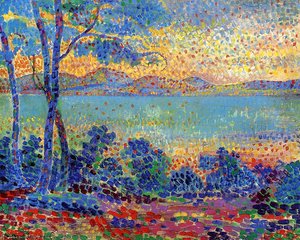
The Shipwreck


Experience 'The Shipwreck' by Henri Edmond Cross! This dramatic Neo-Impressionist painting captures a chaotic maritime scene with vibrant colors and loose brushstrokes. A captivating masterpiece.
 სრული ტექსტის ნახვა
ფრანგი ნეოიმპრესიონისტი მხატვარი, რომელიც ცნობილია ატმოსფერული пейзаჟებით და ფერების გამოразითულად გამოყენებით. მისი შემოქმედებამ გავლენა მოახდინა ფოვიზმზე და თანამედროვე ხელოვნებაზე.
გიკლე / ხელოვნების პრინტი
მუზეუმის დონის ჟიკლე ან ტილოზე ბეჭდვა სწრაფი წარმოებისა და დასრულების მოქნილი ვარიანტებით. ( შეიძინეთ ხელით შესრულებული ნახატი გადასვლა ციფრულ გამოსახულებაზე)




P118B ₾10

P118H ₾10

P118W ₾10

P438Z ₾10

P508JH ₾12

P508YH ₾12

P805H ₾10

P805Z ₾10

P919BZ ₾10

P919G ₾10

P919XJ ₾10

P959ZH ₾10

P968JZ ₾12

W106C ₾8

W218G ₾10

W218JH ₾8

W218Y ₾10

W307PJ ₾10

W316G ₾10

W316PJ ₾8

W316Y ₾10

W398PJ ₾8

W4111J ₾10

W500HY ₾15

W500JH ₾15

W692G ₾12

W849H ₾8

W940BG ₾15

W953PJ ₾8




სტანდარტული ზომა
ინდივიდუალური ზომა
CM
INCH
აირჩიეთ ჩვენს მიერ წინასწარ განსაზღვრული ზომებიდან, რომლებიც ნაწარმოების ორიგინალურ პროპორციებს შეესაბამება.
Loading sizes...

სიგანე
სიმაღლე
შეიყვანეთ თქვენთვის საჭირო სიგანე და სიმაღლე, რათა იგი მოერგოს თქვენს ჩარჩოს ან კედელს. ბეჭდვისას შესაძლებელია მხოლოდ მისი შემცირება და არა გაზრდა, ამიტომ სხვა ფორმის ზომის შემთხვევაში გამოსახულება ნაწილობრივ იკარგება. სანამ რაიმეს დაბეჭდავთ, ჩვენ გამოგიგზავნით ციფრულ მაკეტს დასდასტურებლად. ამ გვერდზე ნაჩვენები სურათი არ ასახავს რეალურ ჭრას — ამას მხოლოდ მაკეტი გვიჩვენებს.
მიწოდება მთელ მსოფლიოში () 2 კვირაში, სტანდარტული 4/5 კვირის ნაცვლად. (6 ნოემბერი)

უფასო ექსპრეს მიწოდება მთელ მსოფლიოში

მაღალი ხარისხის ტილო

ტრანსპორტირების სრული დაზღვევა

საბაჟო გადასახადების დაბრუნების გარანტია

ფერების სრული შესაბამისობის გარანტია

დაბრუნების 100-დღიანი პერიოდი (მხოლოდ წარმოების დეფექტის შემთხვევაში)

100% თანხის სრული დაბრუნების გარანტია

ფასდაკლება დიდი რაოდენობით შეკვეთისას
 მინის ჩარჩოს არჩევანი ხელმისაწვდომია მხოლოდ 110 სმ-მდე ზომისთვის

The Shipwreck
გიკლე / ხელოვნების პრინტი
რეპროდუქციის ზომა
-


ჯამური ღირებულება
₾ 182
The Shipwreck – A Study in Ruin and Resilience
Henri Edmond Cross’s “The Shipwreck,” painted in 1906, isn't merely a depiction of maritime disaster; it’s a profound meditation on the collision between human ambition and the relentless power of nature. This oil-on-canvas masterpiece, currently residing within the hallowed halls of the Musée d’Orsay in Paris, captures a scene of dramatic chaos – a shattered sailboat violently confronting a tempestuous sea – yet beneath the surface turmoil lies an undeniable sense of beauty and a poignant exploration of vulnerability. Cross, a pivotal figure in the Neo-Impressionist movement, masterfully employed the principles of Pointillism, meticulously layering tiny dots of color to create luminous effects and evoke a palpable atmosphere.
The painting’s genesis is deeply intertwined with Cross's personal life and artistic evolution. Following his relocation to southern France in 1891, seeking respite from illness, he began to experiment with the Pointillist technique, initially influenced by Paul Signac. However, unlike Signac’s often precise and geometrically structured compositions, Cross infused his work with a distinctly emotive quality. He wasn't simply replicating visual reality; he was translating feeling into color and light. The turbulent sky, rendered in swirling blues and greens, isn’t merely atmospheric; it embodies the raw emotion of impending doom. Similarly, the fractured hull of the vessel, partially submerged beneath the frothing waves, speaks to a profound sense of loss and destruction.
The Language of Color and Light – Pointillist Technique
Cross's mastery lies in his skillful manipulation of color theory within the Pointillist framework. He didn’t blend colors on the palette; instead, he applied them directly to the canvas in discrete dots, allowing the viewer’s eye to optically mix them. This technique creates an extraordinary vibrancy and luminosity, particularly noticeable in the reflections shimmering off the water's surface and the billowing sails of the doomed vessel. The artist strategically employed complementary color pairings – blues against oranges, greens against reds – to heighten visual impact and create a dynamic tension within the composition. The use of broken color is not just a technical exercise; it’s a deliberate choice that contributes significantly to the painting's emotional resonance.
Furthermore, Cross’s brushwork, though adhering to the Pointillist principles, possesses an expressive quality rarely associated with the movement. The dots aren’t uniformly applied; they vary in size and density, creating subtle shifts in tone and texture. This deliberate irregularity adds a layer of spontaneity and immediacy to the work, preventing it from feeling overly calculated or sterile. It's as if the artist is channeling his own turbulent emotions onto the canvas, mirroring the chaos of the depicted scene.
Symbolism and Emotional Resonance
Beyond its technical brilliance, “The Shipwreck” resonates deeply on an emotional level. The image evokes a sense of vulnerability in the face of overwhelming forces – a potent metaphor for the human condition. The shattered vessel represents not just a physical loss but also the fragility of ambition, dreams, and even life itself. The storm raging around it symbolizes the unpredictable nature of fate and the inevitability of destruction.
However, amidst this depiction of ruin, there’s an underlying current of resilience. The sails, though torn and battered, still billow with a defiant energy, suggesting a refusal to surrender completely. The light breaking through the clouds hints at the possibility of hope, even in the darkest of circumstances. Cross masterfully balances despair and optimism, creating a work that is both hauntingly beautiful and profoundly moving.
A Legacy of Impressionistic Innovation
“The Shipwreck” stands as a testament to Henri Edmond Cross’s innovative spirit and his pivotal role in shaping the trajectory of modern art. His pioneering use of Pointillism, combined with his expressive color palette and evocative brushwork, profoundly influenced subsequent generations of artists, including Matisse and later Fauvist painters. It's a painting that continues to captivate viewers with its dramatic intensity, technical sophistication, and enduring emotional power – a timeless reminder of the beauty and tragedy inherent in the human experience.
კითხვები და პასუხები
როგორ შეიძლება ანრი ედმონდ კროსი-ის „The Shipwreck“ გამოყენებული იქნას სახლის დეკორში?
"The Shipwreck" რეკომენდებულია Statement-ისთვის, ხოლო საუკეთესო სივრცე არის Living Room."
რა არის ანრი ედმონდ კროსი-ის „The Shipwreck“-ის ფეროვანი იდენტობა?
ანრი ედმონდ კროსი-ის „The Shipwreck“-ის ფეროვანი იდენტობა: Neutrals პალიტრა, რომელსაც დომინირებს Clay (#b07442).
რა თემატიკასა და ატმოსფეროს აერთიანებს ანრი ედმონდ კროსი-ის „The Shipwreck“?
"The Shipwreck" ასახავს shipwreck, sea, storm, boats, coastline, ruin, landscape, rescue-ს, ხოლო მისი განწყობა არის Dramatic.
მსგავსი ნამუშევრები




მხატვრის ბიოგრაფია
სიცოცხლის გზა და განვითარება
ანრი ედმონდ კროსი, დაბადებული ანრი-ედმონდ-ჟოზეფ დელაკრუას სახელით 1856 წელს საფრანგეთის ჩრდილოეთ ქალაქ დუეში, იყო მხატვარი, რომლის ცხოვრება და შემოქმედება განუყოფლად კავშირში იყო სინათლის, ფერისა და ჰარმონიული არსებობის ძიებასთან. მისი ისტორია არის სამხატვრო ევოლუციის ამბავი, რომელიც განპირობებულია როგორც პირადი გარემოცნობით, ასევე ავანგარდული იდეალების გაცხოველებული მიღებით. თავისი ადრეული წლები კროსმა ლილში გაატარა, სადაც მისმა გამოჩენილმა ნიჭმა აღიარება მოიპოვა დოქტორ ოგიუსტ სუანსისგან, პატრონმა, რომელმაც მნიშვნელოვანი ფინანსური მხარდაჭერა გაუწია კაროლუს-დურანთან გაკვეთილებისთვის. ამ საფუძველმა მას კლასიკური ტექნიკისადმი პატივისცემა ჩ instilled, რაც მოგვიანებით ბრწყინვალედ იქნა შეცვლილი, როდესაც მან რევოლუციული ნეოიმპრესიონიზმის სამყაროში გადადგა. ჯერ კიდევ ადრეულ ეტაპზე საკუთარი სამხატვრო იდენტობის ჩამოყალიბების სურვილმა მას “კროსი” აიძულა, როგორც სახელი, და საბოლოოდ 1886 წელს მთლიანად გადავიდა "ანრი-ედმონდ კროსზე", რაც მან ცნობილ ევჟენ დელაკრუასა და თანამედროვე მხატვარს, იგივე გვარით, თავიდან აიცილა. ეს ნაბიჯი სიმბოლურად გამოხატავდა უფრო დიდ მისწრაფებას: უნიკალური სამხატვრო ხმის განსაზღვრა სწრაფად ცვალებად ხელოვნების სამყაროში.რეალიზმიდან სტრადიანტულ დივიზიონიზმამდე
კროსის პირველი სამხატვრო ექსპლორაციები რეალისტური ტრადიციისკენ იყო მიმართული, რაც პორტრეტებსა და ნატიურმოთქმაში გამოივლინდა, რომლებმაც ტექნიკური უნარი აჩვენეს, მაგრამ გამორჩეული სინათლე არ ჰქონდათ. თუმცა, 1880-იანი წლების პარიზული ხელოვნების სცენა ახალი იდეებით იყო გაჟღენთილი და კროსმა თავისი ყურადღება რევოლუციური ნეოიმპრესიონიზმის პრინციპებზე გადაიტანა - მოძრაობა, რომელსაც ჟორჟ სიურა და პოლ სინიაკი ხელმძღვანელობდნენ. ეს შეხვედრა გარდამტეხი აღმოჩნდა. ფერის თეორიისადმი მეცნიერული მიდგომა, მცირე, გამორჩეული ფუნჯების ზუსტი გამოყენება (ან "წერილები"), რომელიც ოპტიკური შერევისთვის იყო განკუთვნილი, ღრმად რეზონირებდა მის სამხატვრო გრძნობულობასთან. ამავდროულად, ხშირმა რევმატული ტკივილმა მას მოიძალა თავი სამხრეთ საფრანგეთის თბილ კლიმატში, რაც 1883 წელს დაიწყო და საბოლოოდ დასახლდა Saint-Clair-ში 1891 წელს. ამ რეგიონის სტრადიანტული სინათლე და ცოცხალი ლანდშაფტი მის სამხატვრო ხედვის განუყოფელ ნაწილად იქცა. მან არ უბრალოდ გაიმეორა სიურას პუნქტილიზმი; პირიქით, მან ის ვითარდება, უფრო დიდ, მოზაიკის მსგავს ფუნჯებს ამჯობინებდა, რაც განათებულ ფერს ინარჩუნებდა და უფრო მეტ გამომსახველ თავისუფლებას უზრუნველყოფდა. ეს "მეორე თაობის" ნეოიმპრესიონიზმი ხასიათდებოდა მისი смелый chromatic intensity და დინამიური კომპოზიციით - სტილი, რომელიც მის ხელმოწერად იქცა.ანარქისტული იდეალები და უტოპიური ხედვები
ტექნიკური ინოვაციის გარდა, კროსის ნამუშევრებზე ღრმად მოქმედებდა ძლიერი სოციალური და პოლიტიკური იდეალიზმი - კონკრეტულად, ანარქისტული რწმენები. ეს შეხედულება არ იყო პირდაპირი პროპაგანდა; უფრო მეტიც, ის მის იდილიურ სასოფლო სცენებში გამოივლინდა, რაც ადამიანისა და ბუნების ჰარმონიულ თანარსებობას წარმოადგენდა, როგორც მოდერნული ურბანული ცხოვრების აღქმული კორუფციისა და განმარტოებულობის ალტერნატივა. მისი ნახატები მხოლოდ ესთეტიკური ვარჯიშები არ იყო, ისინი ვიზუალური განცხადებები იყო უფრო სამართლიანი და მშვიდი სამყაროსთვის. ამ იდეოლოგიის გავლენა რბილად არის ჩაწერილი მის კომპოზიციებში, რაც მათ უტოპიური ოცნების სურნელით აავსებს. *Before the Storm* და *The Farm, Evening* მხოლოდ ბუნების წარმოდგენა არ არის; ისინი სამართლიანი საზოგადოების ალეგორიებია - ცოცხალი ფერები და დინამიური ფუნჯები ენერგიასა და ოპტიმიზმს აღძრავენ, რაც გარდაქმნასა და განახლებას సూგავს. მან შეძლო იმ სამყაროს დაფიქსირება, სადაც ადამიანობა თავის გარემოსთან ჰარმონიაში ცხოვრობდა, ინდუსტრიალიზაციის შეზღუდვებისგან და სოციალური hierarchy-დან თავისუფალი.მემკვიდრეობა და გავლენა თანამედროვე ხელოვნებაზე
ანრი ედმონდ კროსის სამხატვრო მოგზაურობა მნიშვნელოვანი ნაწარმოებების დიდი კოლექციით დამთავრდა, რომელმაც ღრმად იმოქმედა თანამედროვე ხელოვნების მიმდინარეობაზე. მისი პირველი ინდივიდუალური გამოფენა Galerie Druet-ში 1905 წელს, ხოლო შემდეგ რეტროსპექტივა Félix Fénéon-ის ორგანიზებით Galerie Bernheim-Jeune-ში 1908 წელს, მის რეპუტაციას ნეოიმპრესიონიზმის ერთ-ერთ წამყვან ფიგურად დაადასტურა. თუმცა, მისი გავლენა ამ მოძრაობის მიღმაც გავრცელდა. არა ადგილობრივი ფერის смелый გამოყენებამ - ფერების გამოყენებამ არა მათი ბუნებრივი გარეგნობის შესაბამისად, არამედ გამომსახველ ეფექტისთვის - და ფორმების შეცვლის სურვილმა გამოიწვია Fauvism-ის რადიკალური ექსპერიმენტები. მხატვრებმა, როგორიცაა ანრი მატისი და ანდრე დერენი ღრმად იყვნენ შთაბეჭდილებული კროსის ნამუშევრებით, აღიარებდნენ მას ტრადიციული შეზღუდვებისგან გათავისუფლებას და გზას უშვებდა უფრო მეტ სამხატვრო თავისუფლებას. მან აჩვენა, რომ ფერს არ შეუძლია მხოლოდ რეალობის წარმოდგენა, არამედ ემოციების გამოწვევაც და სუფთა ვიზუალური გამოცდილების შექმნაც. ის გარდაიცვალა კიბოთი Saint-Clair-ში 1910 წელს, რაც მემკვიდრეობას ტოვებს, რომელიც დღესაც
ანრი ედმონდ კროსი
1856 - 1910 , საფრანგეთი
მოკლე ფაქტები
- Artistic Movement Or Style: ნეოიმპრესიონიზმი
- Artists Or Movements Influenced By This Artist:
- ანრი მატისი
- ფოვიზმი
- Artists Who Influenced This Artist:
- ჟორჟ სეურა
- პოლ სიньяკი
- Date Of Birth: 1856 წელი
- Date Of Death: 1910 წელი
- Full Name: ანრი ედმონდ კროსი
- Nationality: ფრანგი
- Notable Artworks (List Of Titles):
- Before the Storm
- The Washerwoman
- Place Of Birth (City And Country): დუე, საფრანგეთი
მსგავსი სტატიები

The Science of Light: Decoding the Optical Precision of Neo-Impressionism
Explore the scientific brilliance of Neo-Impressionism. Discover how masters like Georges Seurat revolutionized art through optical mixing, color theory, and the precision of Pointillism to capture the true essence of light.

Impressionism's Masterpieces: 10 Paintings That Defined a Movement | TopImpressionists
Journey through Impressionism's heart with 10 iconic paintings by Monet, Renoir & Degas. Explore light, color & the stories behind these masterpieces. Find museum-quality art reproductions and elevate your home decor on TopImpressionists.com.

ანრი მატისის 25 შედევრი: ფერების სიმფონია თქვენს სახლში | TopImpressionists.com
გაიცანით ანრი მატისის 25 შედევრი! ფოვიზმის ბრწყინვალება, ფერადი პორტრეტები და უნიკალური სტილი. ხელოვნების ისტორია TopImpressionists.com-ზე - მაღალი ხარისხის რეპროდუქციები თქვენი სახლისთვის. აღმოაჩინეთ მთელი კოლექცია ონლაინ!

ტოპ 10 შედევრი, რომელმაც განსაზღვრა "კლასიციზმი" ხელოვნებაში
აღმოფრთოვანდით იმპრესიონიზმის ტოპ 10 შედევრით! მონე, რენუარი და სხვა მხატვრების გამორჩეული ნაწარმოებები. ისწავლეთ მათი ისტორია და უნიკალური სტილი. TopImpressionists.com-ზე იხილეთ საგანგებო ხელოვნების რეპროდუქციები და შექმენით თქვენი ოცნების ინტერიერი!

Henri Edmond Cross: A Pioneer of Neo-Impressionism & the Divisionist Aesthetic
Explore the life & art of Henri Edmond Cross, a pivotal Neo-Impressionist painter. Discover his innovative divisionist technique, political affiliations, and lasting influence on modern art movements like Fauvism. Learn about key works & legacy.
აღმოაჩინეთ ხელოვნების ნაწარმოებები თემების, სტილისა და მახასიათებლების მიხედვით დაჯგუფებული.

