


 ნახვა ინტერьерში
 გაგზავნა
 გაზიარება
 დეტალები
 გზამკვლევი

 ჩამოტვირთვა
 მსგავსები
 რენტგენოგრაფიული კვლევა
 სლაიდშოუ
 სტატისტიკა
Notre Dame


Inspired by Pablo Picasso, Matisse’s work continues to influence artists today, emphasizing color and form as central elements of artistic expression.
 სრული ტექსტის ნახვა
"მენდიმატ მატის დაფნის უნიკალური სტილი და ფანტაზიური ხంగుები მიმდინარე სხეპურში და ტრადიციულ ხელოვნებაში შეცინა და შეაფერხა ფანტაზიას და შეცინა ფანტაზიას და შეაფერხა ფანტაზიას და შეაფერხა ფანტაზიას და შეაფერხა ფანტაზიას და შეაფერხა ფანტაზიას და შეაფერხა ფანტაზიას და შეაფერხა ფანტაზიას და შეაფერხა ფანტაზიას და შეაფერხა ფანტაზიას და შეაფერხა ფანტაზიას და შეაფერხა ფანტაზიას და შეაფერხა ფანტაზიას და შ
გიკლე / ხელოვნების პრინტი
მუზეუმის დონის ჟიკლე ან ტილოზე ბეჭდვა სწრაფი წარმოებისა და დასრულების მოქნილი ვარიანტებით. ( შეიძინეთ ხელით შესრულებული ნახატი გადასვლა ციფრულ გამოსახულებაზე)




P118B ₾10

P118H ₾10

P118W ₾10

P438Z ₾10

P508JH ₾12

P508YH ₾12

P805H ₾10

P805Z ₾10

P919BZ ₾10

P919G ₾10

P919XJ ₾10

P959ZH ₾10

P968JZ ₾12

W106C ₾8

W218G ₾10

W218JH ₾8

W218Y ₾10

W307PJ ₾10

W316G ₾10

W316PJ ₾8

W316Y ₾10

W398PJ ₾8

W4111J ₾10

W500HY ₾15

W500JH ₾15

W692G ₾12

W849H ₾8

W940BG ₾15

W953PJ ₾8




სტანდარტული ზომა
ინდივიდუალური ზომა
CM
INCH
აირჩიეთ ჩვენს მიერ წინასწარ განსაზღვრული ზომებიდან, რომლებიც ნაწარმოების ორიგინალურ პროპორციებს შეესაბამება.
Loading sizes...

სიგანე
სიმაღლე
შეიყვანეთ თქვენთვის საჭირო სიგანე და სიმაღლე, რათა იგი მოერგოს თქვენს ჩარჩოს ან კედელს. ბეჭდვისას შესაძლებელია მხოლოდ მისი შემცირება და არა გაზრდა, ამიტომ სხვა ფორმის ზომის შემთხვევაში გამოსახულება ნაწილობრივ იკარგება. სანამ რაიმეს დაბეჭდავთ, ჩვენ გამოგიგზავნით ციფრულ მაკეტს დასდასტურებლად. ამ გვერდზე ნაჩვენები სურათი არ ასახავს რეალურ ჭრას — ამას მხოლოდ მაკეტი გვიჩვენებს.
მიწოდება მთელ მსოფლიოში () 2 კვირაში, სტანდარტული 4/5 კვირის ნაცვლად. (22 ოქტომბერი)

უფასო ექსპრეს მიწოდება მთელ მსოფლიოში

მაღალი ხარისხის ტილო

ტრანსპორტირების სრული დაზღვევა

საბაჟო გადასახადების დაბრუნების გარანტია

ფერების სრული შესაბამისობის გარანტია

დაბრუნების 100-დღიანი პერიოდი (მხოლოდ წარმოების დეფექტის შემთხვევაში)

100% თანხის სრული დაბრუნების გარანტია

ფასდაკლება დიდი რაოდენობით შეკვეთისას
 მინის ჩარჩოს არჩევანი ხელმისაწვდომია მხოლოდ 110 სმ-მდე ზომისთვის

Notre Dame
გიკლე / ხელოვნების პრინტი
რეპროდუქციის ზომა
-


ჯამური ღირებულება
₾ 180
A Symphony of Color Against Parisian Stone
In the heart of Paris, where history meets the pulse of modern life, Henri Matisse’s 1914 masterpiece, Notre Dame, stands as a breathtaking testament to the power of expressive color. This work is far more than a mere architectural study; it is an embodiment of Fauvist fervor distilled onto paper. Through his masterful use of pastel, Matisse captures the iconic cathedral not through rigid, academic precision, but through a vibrant, rhythmic energy that mirrors the very soul of the city. The composition invites the viewer to step into a world where the boundaries between stone and spirit blur, offering a window into a Paris that feels both timeless and urgently alive.
The technique employed in this piece reveals Matisse’s profound command over his medium. Utilizing pastel crayons—a choice favored for their immediate luminosity and tactile richness—the artist achieved a remarkable textural depth. Rather than relying on traditional shading or the heavy shadows of classical realism, he utilized bold, sweeping strokes to create an impressionistic effect. This approach prioritizes feeling over precise observation, allowing the viewer to experience the atmosphere of the cityscape. The cathedral itself emerges from a sea of muted tones, its silhouette punctuated by the lively movement of the streets below, where pedestrians and vehicles drift through a landscape rendered with spontaneous, brilliant light.
The Spirit of Fauvism and Historical Resonance
To understand Notre Dame, one must look to the era of its creation. Painted on the precipice of World War I, the work reflects a period of intense intellectual and artistic upheaval. Matisse, alongside contemporaries like Picasso, was actively dismantling the constraints of Victorian sentimentality and academic naturalism. This piece belongs to his experimental period, where he embraced a radical simplification of form. The cathedral is not just a landmark; it is a symbol of resilience and faith, standing firm amidst a changing world. By eschewing realistic representation in favor of subjective experience, Matisse captures the tension and the beauty of an era on the brink of transformation.
The symbolism within the work is deeply tied to Matisse’s philosophical devotion to color. The strategic use of bold reds and yellows does more than decorate the canvas; these hues convey a sense of joy, vitality, and an unshakeable belief in art's ability to inspire contemplation. For the collector or interior designer, this painting offers a profound emotional resonance. It brings a sense of sophisticated energy to any space, acting as a focal point that celebrates both the grandeur of historical architecture and the liberating power of human emotion. Owning a reproduction of this work is an invitation to surround oneself with the enduring light of the Fauvist revolution.
კითხვები და პასუხები
საიდან მოდიან ანრი მათისი-ის „Notre Dame“-ის სტუმრები?
არსებობს სტატისტიკა გვერდი ნამუშევრისთვის „Notre Dame“. მასში ასახულია ამ ნამუშევრისა და ხელოვანის სხვა ნამუშევრების ყოველთვიური ნახვები, ქვეყნებისა და ენების მიხედვით.
ცნობილია თუ არა სხვა სახელებით „Notre Dame“-ის ავტორი, ანრი მათისი?
Notre Dame-ის ავტორის, ანრი მათისი, სხვა 알려ებული სახელები მოიცავს: ენრი მათისი, ჰენრი მათისი, ანრი ემილ ბენუა მათისი.
რა ემოციას გადმოგვცემს ანრი მათისი-ის „Notre Dame“?
ანრი მათისი-ის „Notre Dame“-ისათვის დაფიქსირებული ემოციური ტონი არის Energetic. იგი აჯამებს იმ განწყობას, რომელსაც ეს ნამუშევარი გამოხატავს.


მხატვრის ბიოგრაფია
ზღვის ფერებით ნათლილი: ჰენრი მათისეს სამყარო
ჰენრი ემილ ბენუა მათისი, დაიბადა 1869 წლის 31 დეკემბერს, საფრანგეთის ჩრდილოეთში მდებარე პატარა ქალაქ ლე კატო-კამბრესისში. მისი ბავშვობა გაიცვალა ბოჰენ-ენ-ვერმანდუასში, სადაც მისი მშობლები მარცვლოვანი პროდუქტის ვაჭრები იყვნენ. თუმცა, ჰენრი მათისი თავდაპირველად იურიდიულს აკეთებდა და არ ჰქონდა განზრახული, გახდეს მხატვარი, მაგრამ ცხოვრების ბრწყინვალე ტალღებმა მას სხვა გზაზე მიიყვანა. 1889 წელს, მუცლის შარდის შეშუპების გამო გამოწვეული ავადმყოფობის შემდეგ, მას უწესრიგო დრო ჰქონდა ხელთ და სწორედ მაშინ აღმოაჩინა ფერებით სავსე სამყარო. დედამისმა შესთავაზა საღებავები და მათისემ აღმოაჩენა, რომ ეს არ იყო მხოლოდ გასართობი – ეს იყო გამოცხადება, რომელიც მას სამუდაგოდ მიაბიჯებდა ხელოვნების სამეფოში. პარიზში იურიდიული განათლების მისაღებამდე, მათისი სწავლობდა სენტ-კვენტინის საშუალო పాఠლაში, ხოლო მოგვიანებით – ჟულიანის აკადემიაში და ბელაუ-არტების ეროვნულ škole-ში, სადაც უილიამ-ადოლფ ბუგრო და გუსტავ მორე იყვნენ მისი მასწავლებლები. ადრეული ნაშრომები ასახავდა კლასიკურ ტრადიციებს, მაგრამ მათისს ჯერ არ ჰქონდა საკუთარი, გამომისიებელი ხმა.ფაუვიზმის გაბნევა და ბედადობა
1896 წელს, ავსტრალიელი მხატვრის ჯონ რასელთან ერთად ბელ-ილისკენ მოგზაურობამ ჰენრი მათისეს ცხოვრებაში გადამწყვეტი როლი ითამაშა. რასელმა მას გააცნო იმპრესიონიზმის სამყარო და, რაც უფრო მნიშვნელოვანი იყო, ვინსენტ ვან გოგის ემოციური სიმძლავეებით სავსე ტილოები. ვან გოგის ფერების გამომხატველი გამოყენებამ გაანგარიშა მათისესამდე ამ დროისთვის შეკრული პალიტრა და უბიძგა უფრო смелым, სუბიექტურ მიდგომაზე გადასვლა. მან დაიწყო ყოველდღიური ფერების εγκαტეება და ტონალური გამების გამოყენება, რაც 1905 წელს ფაუვიზმის გაჩენამდე მიგვიყვანა – მოძრაობა, რომელშიც მათისი ლიდერის 역할을 ასრულებდა. "ველური звеრი" - ასეთი სახელი ეწოდა ამ სტილს კრიტიკოსებმა, მას შემდეგ რაც მათი ნამუშევრები შოკისმომგვრელია ფერების ინტენსიურობითა და ბუნათაგან განსხვავებული წარმოსადგენლობით. მათისი, ანდრე დერეინის და მორიც დე ვლამინკის გვერდით, ხაზგასმით აღნიშნავდა ფერის მნიშვნელობას გამოხატვის ინსტრუმენტად, ფორმების უმარტივებას კი – მისი გავლენის გასაძლიერებლელ საშუალებად. "ზარაფხანის ნათარგმნი" (1905) ტილო ამ სტილის შესანიშნავ მაგალითად გვევლება - წითელი, 녹색 და ყვითელი ფერის აფეთქება, რომელიც ტრადიციულ პერსპექტივასა და რეალისტურ აღქმას უარყოფს.გადაწყვეტა და დეკორატიული ჰარმონია
ფაუვიზმის პირველადი იმპულსის შემდეგ, მათისეს სტილი უფრო ნուրაზი დახვეწილ ფორმას მიიღებს. ფერს არ უარის ევლობოდა, მაგრამ მისი ნამუშევრები უფრო დეკორატიული ხასიათით გამოირჩევდა, რაც ფორმების გაფანტებასა და რთულ 패턴ს აძლიერებდა. ის თემებს შეეცადა, რომლებიც დასვენებას, ოჯახურ ცხოვრებასა და ადამიანის ფიგურას ასახავდნენ ნაზად განწყობილ სივრცეებში, კომპოზიციებს ქმნიდა, რომელიც ჰარმონიულს და ემოციურად რეზონანსს იწვევდა. საფრანგეთის სამხრეთში, ნიცაში გადასახლება კიდევ უფრო გააძლიერა ეს ცვლილება, მისი ნამუშევრები სინაზესა და კლასიკურ ბალანსს უმატებდა. მასული ტილოების გარდა, მათისი სხვადასხვა მედიუმშიც ექსპერიმენტებს ატარებდა, მათ შორის კერამიკაში და ტექსტილში, რაც მის ხელოვნებას კიდევ უფრო 확장ობდა. ის არ უბრალოდ სცენას აღწერდა; ის სამყაროს ქმნიდა, რომელიც კონკრეტულ ემოციურ რეაქციას იწვევდა.სწოლო წლები: შეზღუდვების გზით ინოვაცია
გადასახედი ჯანმრთელობის გამო მათისეს ტრადიციული ფერწერა შეუძლებელი გახდა, რის შედეგადაც მან ხელოვნების ახალი, გამორჩეული ეტაპი გაიარა – ქაღალდისგან ნაკერი კოლაჟები (*découpages*). დაახლოებით 1947 წლიდან, ეს ნამუშევრები აუცილებლობის შედეგი იყო. ინვალიდთა მოძრაობის შეზღუდვების გამო, მას ფიზიკურად შეუძლებოდა ფერწერა, მაგრამ ქაღალს მაინც უმკლავებდა. პრაქტიკული გადაწყვეტა ხელოვნების ახალ ტექნიკად გარდაიქმნა. ის დიდ ფურცლებს ნათელ ფერებში აღებდა, შემდეგ კი მათ ფორმებად კრეფდა – ორგანულ ფორმებს, ფოთლებს, ფიგურებს და განთავსებდა ტილოებზე, კომპოზიციებს ქმნიდა, რომლებიც დინამიკასა და მოჩვენებითი სიმარტივით გამოირჩევოდა. ეს *découpages* არ იყო მხოლოდ ფერწერის შემცვლელი; ეს იყო ფერის, ფორმის და კომპოზიციის შესახებ აზროვნების ახალი გზა. მან განაგრძო მისი მთელი ცხოვრების განმავლობაში ფერებით დაკავებული ექსპერიმენტები, რაც ხელოვნების უმაღლეს დონეზე ადაპტაციისა და განვითარების უნარს აჩვენებდა.უაღრესი მნიშვნელობა: მათისეს გავლენა თანამედროვე ხელოვნებაზე
ჰენრი მათისი 1954 წლის ნოემბერში ნიცაში გარდაიცვალა, მას შემდეგ რაც მისმა ნამუშევართა კოლექციონერებმა მთელ მსოფლიოში აღიარეს მისი მნიშვნელობა. მისი გავლენა ხელოვნების სამყაროზე უნაკლეგია; მან გაანგარიშა წარმოსადგენლობის ტრადიციული კონცეფციები, ხაზგასმით აღნიშნა ფერის გამოხატვითი ძალა და მომავალი თაობების მხატვრებისთვის გზა გაუხსნა. პაბლო פיקאסოსთან ერთად, როგორც თანამედროვე ხელოვნების ერთ-ერთი ყველაზე მნიშვნელოვანი ფიგურა, მათისმა არსებითად განსაზღვრა მოდერნიზმი. მისი მემკვიდრეობა მის ნამუშევრებზეც მეტს მოიცავს – ის არის სილამძესთან, ჰარმონიასთან და ფერის გარდამორთქმულ პოტენციალთან დაკავშირებული ფილოსოფია. ის
ანრი მათისი
1869 - 1954 , საფრანგო
მოკლე ფაქტები
- Artistic Movement Or Style: ფავიზმი, მოდაერნიზმი
- Artists Or Movements Influenced By This Artist:
- პაბლო პიკასო
- მოდერნიზმი
- Artists Who Influenced This Artist:
- ვინსენტ ვან გოგი
- შარლანდენი
- Date Of Birth: 1869 წლის 31 დეკემბერი
- Date Of Death: 1954 წლის 3 ნოემბერი
- Full Name: ენრი მატისი
- Nationality: ფრანგი
- Notable Artworks:
- The Gourds
- Laurette in a White Turban
- Place Of Birth: ლეკატო-კამბრეზი, საფრანგეთი
მსგავსი სტატიები

ანრი მატისის 25 შედევრი: ფერების სიმფონია თქვენს სახლში | TopImpressionists.com
გაიცანით ანრი მატისის 25 შედევრი! ფოვიზმის ბრწყინვალება, ფერადი პორტრეტები და უნიკალური სტილი. ხელოვნების ისტორია TopImpressionists.com-ზე - მაღალი ხარისხის რეპროდუქციები თქვენი სახლისთვის. აღმოაჩინეთ მთელი კოლექცია ონლაინ!
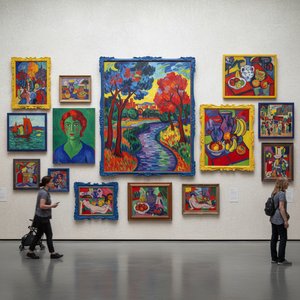
ფავიზმის 10 შედევრი: ხელოვნების ისტორიას განმსაზღვავი ნამუშევრები
აღმოფრთოვანდით ფავიზმის 10 გამორჩეული შედევრით! Henri Matisse, André Derain და სხვა მხატვრების ნამუშევრები. შეიგრძენ ექსპრესიულ ფერებსა და უნიკალურ სტილს. იხილეთ საუკეთესო ტილოები TopImpressionists.com-ზე!

Fauvism's Boldest Visions: 10 Masterpieces That Revolutionized Modern Art | TopImpressionists
Explore 10 Fauvist masterpieces by Matisse, Derain & Vlaminck that ignited Modern Art! Discover bold colors, expressionist landscapes & the history of this revolutionary movement. Find museum-quality prints at TopImpressionists.com.

The Wild Beast Within: Exploring Fauvism's Revolutionary Use of Color and Form
Explore the revolutionary Fauvism movement & Henri Matisse's bold use of color! Discover key characteristics, iconic artworks, and its lasting impact on modern art history with TopImpressionists.
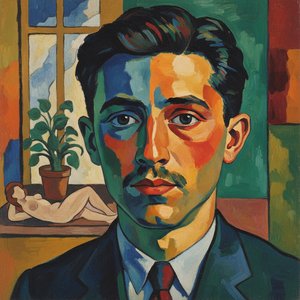
Henri Matisse: A Revolutionary Use of Color and Form in Modern Art
Explore the revolutionary art of Henri Matisse! Discover his bold use of color, Fauvist origins, and lasting impact on modern painting. A comprehensive guide for art enthusiasts.
აღმოაჩინეთ ხელოვნების ნაწარმოებები თემების, სტილისა და მახასიათებლების მიხედვით დაჯგუფებული.


