ნახვა ინტერьерში
 გაგზავნა
 გაზიარება
 დეტალები
 გზამკვლევი

 ჩამოტვირთვა
 მსგავსები
 რენტგენოგრაფიული კვლევა
 სლაიდშოუ
 სტატისტიკა
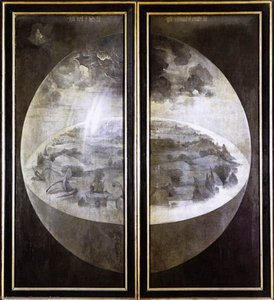
ჰაჲვայն ტრიპტიხი
 ზეთი პანელზე
- Northern Renaissance
 1504
1504- რენესანსი
 100.0 x 100.0 cm
ჰაჲვայն ტრიპტიხი ჰიერონიმუს ბოსხის ნათურალური რენესანსის ძეგლი და სัญลักษณ์ებით მჭიდროდამკავშირებული ლანდშაფტის პორტრეტი და შემოქმედება კათოლიკური მორალური კონცეფციის გამოსახულებაზე მიზნად ისახავს და ბოსხის უნიკალურ სტილს წარმოადგენს.
 სრული ტექსტის ნახვა
ჰიერონიმაუს ბოში (დაახლ. 1450-1516) - ჰოლანდიელი რენესანსის მხატვარი, რომელმაც შექმნა განსხვავებული სტილის ნაწარმოებები სიმბოლიზმითა და ფანტაზიით. აღმოაჩინეთ მისი გამორჩეული ტილოები, როგორცაა "მიწიერი სიამოვნების ბაღი" და სხვა შედევრები!
გიკლე / ხელოვნების პრინტი
მუზეუმის დონის ჟიკლე ან ტილოზე ბეჭდვა სწრაფი წარმოებისა და დასრულების მოქნილი ვარიანტებით. ( შეიძინეთ ხელით შესრულებული ნახატი გადასვლა ციფრულ გამოსახულებაზე)




P118B ₾10

P118H ₾10

P118W ₾10

P438Z ₾10

P508JH ₾12

P508YH ₾12

P805H ₾10

P805Z ₾10

P919BZ ₾10

P919G ₾10

P919XJ ₾10

P959ZH ₾10

P968JZ ₾12

W106C ₾8

W218G ₾10

W218JH ₾8

W218Y ₾10

W307PJ ₾10

W316G ₾10

W316PJ ₾8

W316Y ₾10

W398PJ ₾8

W4111J ₾10

W500HY ₾15

W500JH ₾15

W692G ₾12

W849H ₾8

W940BG ₾15

W953PJ ₾8




სტანდარტული ზომა
ინდივიდუალური ზომა
CM
INCH
აირჩიეთ ჩვენს მიერ წინასწარ განსაზღვრული ზომებიდან, რომლებიც ნაწარმოების ორიგინალურ პროპორციებს შეესაბამება.
Loading sizes...

სიგანე
სიმაღლე
შეიყვანეთ თქვენთვის საჭირო სიგანე და სიმაღლე, რათა იგი მოერგოს თქვენს ჩარჩოს ან კედელს. ბეჭდვისას შესაძლებელია მხოლოდ მისი შემცირება და არა გაზრდა, ამიტომ სხვა ფორმის ზომის შემთხვევაში გამოსახულება ნაწილობრივ იკარგება. სანამ რაიმეს დაბეჭდავთ, ჩვენ გამოგიგზავნით ციფრულ მაკეტს დასდასტურებლად. ამ გვერდზე ნაჩვენები სურათი არ ასახავს რეალურ ჭრას — ამას მხოლოდ მაკეტი გვიჩვენებს.
მიწოდება მთელ მსოფლიოში () 2 კვირაში, სტანდარტული 4/5 კვირის ნაცვლად. (23 ოქტომბერი)

უფასო ექსპრეს მიწოდება მთელ მსოფლიოში

მაღალი ხარისხის ტილო

ტრანსპორტირების სრული დაზღვევა

საბაჟო გადასახადების დაბრუნების გარანტია

ფერების სრული შესაბამისობის გარანტია

დაბრუნების 100-დღიანი პერიოდი (მხოლოდ წარმოების დეფექტის შემთხვევაში)

100% თანხის სრული დაბრუნების გარანტია

ფასდაკლება დიდი რაოდენობით შეკვეთისას
 მინის ჩარჩოს არჩევანი ხელმისაწვდომია მხოლოდ 110 სმ-მდე ზომისთვის

ჰაჲვայն ტრიპტიხი
გიკლე / ხელოვნების პრინტი
რეპროდუქციის ზომა
-


ჯამური ღირებულება
₾ 180
ჰაჲვայն ტრიპტიხი: ჩრდილოეთ რენესანსის შედევრი
მიმოხილვა
იერონიმ ბოსხის „ჰაჲვայն ტრიპტიხი“ მომხიბვლელი შედევრია, რომელიც ხელოვანის უნიკალურ სტილსა და ღრმა სიმბოლიზმს წარმოგვიდგენს. დაახლოებით 1504 წელს შექმნილი ეს ტრიპტიხი ჩრდილოეთ რენესანსის ხელოვნების გასაოცარი ნიმუშია, რომელიც ცნობილია თავისი რთული დეტალებით, მდიდარი ფერებითა და კომპლექსური თხრობით.კომპოზიცია და სტილი
ტრიპტიხი სამ პანელს შედგება, რომელთაგან თითოეული განსხვავებულ, თუმცა ერთმანეთთან გადაჯაჭვულ ისტორიას ჰყვება. მარცხენა პანელი ასახავს მშვიდ ლანდშაფტს სხვადასხვა აქტივობით დაკავებული ფიგურებით, რაც შესაძლოა სამოთეს ან ბიბლიურ თხრობას წარმოადგენდეს. ცენტრალური პანელი სავსეა ქაოსითა და კონფლიქტით, რომლის ეპიცენტრშიც არის დიდი კლდოვანი ფორმაცია, გარშემორტყმული ტანჯვისგან შეწუხებული ფიგურებით. მარჯვენა პანელი კი ნგრევასა და ძალადობას ასახავს, რაც ცოდვის შედეგებს ან აპოკალიფსს სიმბოლიზირებს. ბოსხის მიერ ხაზების, ფორმებისა და ტექსტურების გამოყენება ქმნის დინამიკურ კომპოზიციას, რომელიც მაყურებლის თვალს თითოეულ სცენაში წარმართავს. ფიგურების დეტალური აღწერა და მათი გამომეტყველება სცენებს ემოციურ სიღრმეს მატებს, რაც ამ ტრიპტიხს ხელოვნების მდიდარ და რთულ ნამუშევრად აქცევს.ტექნიკა და მასალები
„ჰაჲვայն ტრიპტიხი“ შესრულებულია ხის პანელებზე ტემპერა ან ზეთოვანი საღებავებით, რაც დამახასიათებელი იყო იმ პერიოდისთვის. ბოსხის ტექნიკა მოიცავს ფაქსოვან ფუნჯის დარტყმებს, ფენობრივ მუშაობას და დეტალებზე მეტსახესი ყურადღებას. პერსპექტივისა და განათების გამოყენება მიუთითებს მაღალ ოსტატობაზე, რაც სცენების სიღრმესა და რეალიზმს ამძაფრებს.ისტორიული კონტექსტი
იერონიმ ბოსხი, რომელიც დაახლოებით 1450 წელს ნიდერლანდებში, ’ს-ჰერტოგენბოსხში დაიბადა, იყო გამოჩენილი ჰოლანდიელი ფატორი, რომელიც ცნობილი იყო რელიგიური თემების სურეალისტური და წარმოსახვითი გადმოცემით. ბიოგრაფიული ინფორმაციის ნაკლებობის მიუხედავად, ბოსხის ხელოვნებას ღრმა გავლენა მოახდინა ჩრდილოეთ ევროპულ ხელოვნებაზე, განსაკუთრებით მე-16 საუკუნეში. „ჰაჲვայն ტრიპტიხი“ მიჰყვება მსგავს ნარატივს ბოსხის სხვა ნამუშევრებს, მაგალითად, „სოფლის სიამოვნებების ბაღს“. იგი იმ ექვსი ნახატის ნაწილი იყო, რომელიც ესპანეთის მეფემ ფილიპ II-მ 1570 წელს შეიძინა და მოგვიანებით მადრიდში, პრადოს მუზეუმში ხელახლა გაერთიანდა, სადაც ის დღესაც ინახება.სიმბოლიზმი და ემოციური ზეგავლენა
„ჰაჲვայն ტრიპტიხი“ სიმბოლიზმით არის მდიდარი, სადაც თითოეული პანელი ღრმა გზავნილს ატარებს. მარცხენა პანელის მშვიდი ატმოსფერო ჰარმონიას ან რელიგიურ თემებს წარმოადგენს, მაშინ როცა ცენტრალური პანელის ქაოსი ადამიანურ ბრძოლასა და ცოდვას განასახიერებს. მარჯვენა პანელის ნგრევა კი ცოდვის შედეგების ან აპოკალიფსის გამაფრთხილებლად გვემსახურება. ტრიპტიხის ემოციური ზეგავლენა ძლიერია, ის იწვევს სხვადასხვა გრძნობას სიმშვიდიდან ქაოსამდე. კონტრასტი მშვიდ მარცხენა პანელს, ქაოსურ ცენტრალურ პანელსა და დამანგრეველ მარჯვენა პანელს შორის ქმნის ნარატიულ ნაკადს, რომელიც მაყურებელს მრავალ დონეზე მოჰხიბლავს.რატომ უნდა აირჩიოთ რეპროდუქცია?
ხელოვნების მოყვარულთათვის, კოლექციონერებისა და ინტერიერის დიზაინერებისთვის, რომლებიც სურთ თავიანთ სივრცეში ისტორიული დიდებულების შემოტანა, „ჰაჲვայն ტრიპტიხის“ მაღალი ხარისხის რეპროდუქცია შესანიშნავი არჩევანია. ეს შედევრი არა მხოლოდ ამარილს ნებისმიერი ოთახის ესთეტიკურ მიმზიდველობას, არამედ წარმოადგენს საუბრის საგვერტლად გამოსადეგ ნივთს, რომელიც ინტერესსა და აღფრთოვანებას იწვევს. TopImpressionists.com-ზე ჩვენ გთავაზობთ ტილოზე შესრულებულ ხელით ნათესავ რეპროდუქციებს, რაც უზრუნველყოფს თითოეული დეტალისა და ფერის ერთგულად აღდგენას. შემოიტანეთ იერონიმ ბოსხის ხელოვნების მარადიული სილამაზე თქვენს სახლში ან ოფისში ჩვენი პრემიუმ კლასის რეპროდუქციებით.კითხვები და პასუხები
რა გამოყენება და სივრცეა რეკომენდებული იერონიმ ბოსხ-ის „ჰაჲვայն ტრიპტიხი“-ისთვის?
იერონიმ ბოსხ-ის „ჰაჲვայն ტრიპტიხი“-ისთვის რეკომენდებულია (დიალოგი) გამოყენება და (მისაღები ოთახი) სივრცე.
არის თუ არა "ჰაჲვայն ტრიპტიხი" ცნობილი Northern Renaissance მიმდევრობის ნამუშევარი?
იერონიმ ბოსხ-ის „ჰაჲვայն ტრიპტიხი“ შეფასებულია როგორც საკულტო და მიეკუთვნება Northern Renaissance სტილის მიმდევრობას.
რა ფერთა ჰარმონიას ასطრეკებს იერონიმ ბოსხ-ის „ჰაჲვայն ტრიპტიხი“?
იერონიმ ბოსხ-ის „ჰაჲვայն ტრიპტიხი“ წარმოადგენს ფერების ძლიერი ერთიანობა ფერთელას ჰარმონიას.
მხატვრის ბიოგრაფია
Hieronymus Bosch – The Visionary Painter of Hell
Hieronymus Bosch remains one of art history’s most perplexing figures, a painter whose unsettling visions and profound moral allegories continue to captivate audiences centuries after his death in 1516. Born around 1450 in ’s-Hertogenbosch, Netherlands—then part of Brabant—Bosch emerged from a family steeped in artistic tradition, inheriting the skills and techniques of generations past. Yet, he swiftly distinguished himself from his predecessors, forging an utterly original style that would forever alter the landscape of Netherlandish painting. Biographical details are frustratingly sparse; records offer tantalizing glimpses but leave much to speculation, contributing to the artist’s enduring aura of mystery.- Early Life and Training: Little is known about Bosch's formative years beyond his birthplace and familial connections. He married Aleyt Goyaerts van den Meerveen sometime before 1481, securing a degree of financial stability through her family’s holdings. However, scholarly research has yielded scant information regarding his personal life or formative influences.
- The Style of Bosch: Bosch's artistic style is instantly recognizable—a masterful blend of meticulous detail and hallucinatory imagery. He primarily employed oil on oak panels, achieving luminous colors and intricate textures with remarkable precision. Unlike many of his contemporaries who adhered to established conventions, Bosch deliberately pushed boundaries, experimenting with innovative techniques and challenging conventional aesthetic standards.
- Notable Works: Bosch’s oeuvre comprises approximately 25 paintings—a remarkably small number considering the artist's impact on subsequent generations of painters. Among his most celebrated masterpieces are *The Garden of Earthly Delights*, a monumental triptych depicting paradise, earthly desire, and hell; *The Last Judgement*, a dramatic portrayal of divine judgment; *Epiphany*, showcasing Bosch’s masterful use of oil paint and complex symbolism; and *The Ascension of the Blessed*, an ethereal depiction of heavenly ascension.
Symbolism and Moral Allegory: Decoding Bosch's Vision
Bosch’s paintings are not merely representations of visual reality; they are elaborate allegorical narratives designed to convey profound moral and theological messages. He employed a rich tapestry of symbols—grotesque creatures, fantastical animals, hybrid beings—to explore themes of sin, redemption, and the human condition. These images were deliberately unsettling, confronting viewers with disturbing depictions of earthly corruption and highlighting the inescapable consequences of immoral behavior. Bosch’s genius lay in his ability to transform familiar religious concepts into startling visual metaphors, prompting contemplation and challenging accepted dogma.- The Influence of Medieval Folklore: Scholars suggest that Bosch drew inspiration from medieval folklore—particularly tales of demons and saints—incorporating these narratives into his artistic vision. These stories served as a springboard for exploring anxieties about heresy and social upheaval, reflecting the turbulent intellectual climate of his time.
- Psychological Depth: Some historians contend that Bosch possessed remarkable insight into human psychology, anticipating concepts explored by Carl Jung—namely, the exploration of the unconscious mind. His paintings delve into realms beyond rational thought, confronting viewers with disturbing visions and prompting introspection about morality and spirituality.
Legacy and Influence on Subsequent Artists
Bosch’s impact on subsequent artists is undeniable. Pieter Bruegel the Elder directly adopted Bosch's stylistic conventions—particularly his penchant for depicting grotesque figures and moral allegories—establishing himself as a prominent heir to Bosch’s artistic legacy. Surrealist painters like Salvador Dalí and Max Ernst openly acknowledged their debt to Bosch’s dreamlike imagery and exploration of the subconscious, recognizing him as the progenitor of modern art.Conclusion: An Artist Ahead of His Time
Hieronymus Bosch remains an artist whose singular vision continues to inspire awe and provoke debate. He stands apart from his contemporaries—particularly Jan van Eyck—whose technique prioritized meticulous realism, favoring instead a style characterized by energetic brushwork and imaginative embellishment. Bosch’s enduring fascination stems from his ability to capture the anxieties of his era—fear of heresy, social unrest—while simultaneously elevating artistic expression beyond mere imitation. He died in 1516, leaving behind a body of work that transcends time, securing his place as one of art history's most unforgettable voices and cementing his status as the “first Surrealist.”
იერონიმ ბოსხ
1450 - 1516 , ნიდერლანდები
მოკლე ფაქტები
- Artistic Movement Or Style: Сюрреализм и Символизм
- Artists Who Influenced This Artist: ['Питер Брюгель Старший']
- Date Of Birth: c. 1450
- Date Of Death: 1516
- Full Name: Hieronymus Bosch
- Nationality: Нидерландцы
- Notable Artworks:
- Сад земных наслаждений
- Троица Последнего Суда
- Place Of Birth: Den Bosch, Нидерланды
მსგავსი სტატიები

Whispers of the Soul: Discovering the Sacred Beauty and Intricate Devotion of Early Medieval Art
Embark on a soulful journey through Early Medieval art. Explore the sacred beauty of illuminated manuscripts, Byzantine gold leaf, and the profound spiritual symbolism that shaped history. Discover the timeless devotion captured in every intricate detail.

Divine Light & Golden Splendor: A Journey Through the Sacred Grandeur of High Medieval Art
Embark on a soulful journey through High Medieval art. Explore the divine light of Gothic cathedrals, Byzantine splendor, and sacred masterpieces that shaped Western history with our expert-led cultural reflections.
აღმოაჩინეთ ხელოვნების ნაწარმოებები თემების, სტილისა და მახასიათებლების მიხედვით დაჯგუფებული.