ნახვა ინტერьерში
 გაგზავნა
 გაზიარება
 დეტალები
 გზამკვლევი

 ჩამოტვირთვა
 მსგავსები
 რენტგენოგრაფიული კვლევა
 სლაიდშოუ
 სტატისტიკა
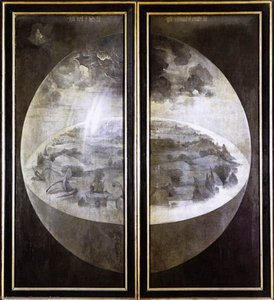
Hermit Saints Triptych (right panel)
 Acrylic On Canvas
- WallArt
- Late Medieval
 1505
1505 86.0 x 29.0 cm
 Palazzo Ducale
 სრული ტექსტის ნახვა
ჰიერონიმაუს ბოში (დაახლ. 1450-1516) - ჰოლანდიელი რენესანსის მხატვარი, რომელმაც შექმნა განსხვავებული სტილის ნაწარმოებები სიმბოლიზმითა და ფანტაზიით. აღმოაჩინეთ მისი გამორჩეული ტილოები, როგორცაა "მიწიერი სიამოვნების ბაღი" და სხვა შედევრები!
ხელით შესრულებული ზეთის საღებავით რეპროდუქცია
ტილოზე შესრულებული ფერწერიანი ზეთប្រდათი, თქვენთვის სასურველი ზომისა და ჩარჩოსთვის, ჩვენი ხელოვანების მიერ შეკვეთის საფუძველზე დამზადებული. ( გადართვა ბეჭდვის რეჟიმზე გადასვლა ციფრულ გამოსახულებაზე)




P118B ₾10

P118H ₾10

P118W ₾10

P438Z ₾10

P508JH ₾12

P508YH ₾12

P805H ₾10

P805Z ₾10

P919BZ ₾10

P919G ₾10

P919XJ ₾10

P959ZH ₾10

P968JZ ₾12

W106C ₾8

W218G ₾10

W218JH ₾8

W218Y ₾10

W307PJ ₾10

W316G ₾10

W316PJ ₾8

W316Y ₾10

W398PJ ₾8

W4111J ₾10

W500HY ₾15

W500JH ₾15

W692G ₾12

W849H ₾8

W940BG ₾15

W953PJ ₾8




სტანდარტული ზომა
ინდივიდუალური ზომა
CM
INCH
აირჩიეთ ჩვენს მიერ წინასწარ განსაზღვრული ზომებიდან, რომლებიც ნაწარმოების ორიგინალურ პროპორციებს შეესაბამება.
Loading sizes...

სიგანე
სიმაღლე
შეიყვანეთ თქვენთვის საჭირო სიგანე და სიმაღლე, რათა ნახატი მოერგოს თქვენს ჩარჩოს ან კედელს. ვინაიდან ეს ნამუშევარი ხელით არის შესრულებული, სხვა ფორმის ზომის შემთხვევაში, მხატვარმა შესაძლოა სურათის გარშემო ოდნავ მეტი დატოვოს ან შეამციროს — არჩევანი თქვენზეა. დაწყებამდე, დასამტკიცებლად, ჩვენ გამოგიგზავნით ციფრულ მაკეტს. ამ გვერდზე ნაჩვენები სურათი არ ასახავს რეალურ შედეგს — რეალური სახე მხოლოდ მაკეტზე ჩანს.
რა შეიძლება შეიცვალოს: სახის ჩანაცვლება მომხმარებლის ფოტოთი; შინაური ცხოველის დამატება (მაგ., კატის ჩანაცვლება ძაღლით); ფონზე ფარული შეტყობინების დამატება; ფონის პეიზაჟის ან ელემენტების შეცვლა.
შეკვეთის შემდეგ, TopImpressionists.com გუნდი დაგიკავშირდებათ ელექტრონული ფოსტით ინსტრუქციებისთვის და გამოგიგზავნით წინასწარ ნახაზს (mockup).
შეკვეთის შემდეგ, TopImpressionists.com გუნდი დაგიკავშირდებათ ელექტრონული ფოსტით ინსტრუქციებისთვის და გამოგიგზავნით წინასწარ ნახაზს (mockup).
მიწოდება მსოფლიო მასშტაბით -ში 3/4 კვირაში, სტანდარტული 5 კვირის ნაცვლად. (22 ოქტომბერი). ხარისხზე კომპრომისის გაკეთება არ მოხდება.

უფასო ექსპრეს მიწოდება მთელ მსოფლიოში

მაღალი ხარისხის ტილო

ტრანსპორტირების სრული დაზღვევა

საბაჟო გადასახადების დაბრუნების გარანტია

ფერების სრული შესაბამისობის გარანტია

დაბრუნების 100-დღიანი პერიოდი (მხოლოდ წარმოების დეფექტის შემთხვევაში)

100% თანხის სრული დაბრუნების გარანტია

ფასდაკლება დიდი რაოდენობით შეკვეთისას
 მინის ჩარჩოს არჩევანი ხელმისაწვდომია მხოლოდ 110 სმ-მდე ზომისთვის

Hermit Saints Triptych (right panel)
რეპროდუქციის ტექნიკა
რეპროდუქციის ზომა
-


ჯამური ღირებულება
₾ 703
A Vision of Wilderness Faith: Exploring Bosch’s Hermit Saints Triptych (Right Panel)
The Right Panel of Hieronymus Bosch's monumental *Hermit Saints Triptych*, completed around 1505, stands as a haunting testament to the anxieties and spiritual complexities of Renaissance Europe. More than just a depiction of biblical figures—Saint Jerome and Saint Augustine—Bosch’s masterful rendering captures a profound psychological landscape that continues to fascinate scholars and inspire artists today. This section delves into the painting's captivating narrative and artistic brilliance.The Scene: A Precarious Encounter
Painted in oil on panel, the triptych presents a dramatic tableau set within a claustrophobic cave illuminated by an unsettling greenish glow. At its center stands Saint Jerome, depicted with unwavering resolve as he confronts a grotesque creature—likely representing demonic influence—that attempts to intimidate him. Beside him is Augustine, equally steadfast, gazing intently at the same monstrous apparition. The positioning of these saints isn’t merely formal; it underscores their struggle against temptation and evil, mirroring the internal battles faced by individuals grappling with faith during this turbulent period. Bosch meticulously portrays the scene with unsettling realism, capturing not just physical details but also palpable tension.Bosch's Technique: Anatomical Precision Meets Surreal Horror
Bosch’s unparalleled skill lies in his ability to fuse anatomical accuracy—a hallmark of Netherlandish painting—with elements of fantastical horror and symbolic imagery characteristic of his distinctive style. The artist employs a glazing technique, layering thin washes of pigment over thicker underpaintings to achieve remarkable luminosity and depth. Notice the subtle gradations of color that define Augustine’s robe and Jerome’s face, demonstrating Bosch's meticulous attention to detail. However, this technical mastery serves a larger purpose: it amplifies the unsettling atmosphere of the cave and underscores the grotesque nature of the demonic presence. The artist utilizes chiaroscuro—the dramatic interplay of light and shadow—to heighten the sense of drama and emphasize the psychological torment experienced by the saints.Historical Context: Fear, Faith, and the Shadow of Darkness
Bosch’s *Hermit Saints Triptych* emerged during a time marked by significant religious upheaval. The Protestant Reformation was gaining momentum across Europe, challenging papal authority and sparking intense debates about theological doctrines. Simultaneously, anxieties surrounding demonic influence persisted—fueled by folklore and popular piety—reflecting a broader cultural preoccupation with evil and salvation. Bosch’s depiction of the cave and its monstrous inhabitant speaks directly to these concerns, portraying humanity's vulnerability before divine judgment and highlighting the pervasive threat of temptation. The painting serves as a powerful visual commentary on the spiritual struggles of the era.Symbolism: Decoding the Monstrous Gestures
The creature confronting Saint Jerome and Augustine is laden with symbolic significance. Scholars interpret it as representing sin, corruption, and the devil’s relentless assault on human virtue. Its grotesque features—twisted limbs, gaping maw, and piercing eyes—are deliberately designed to evoke horror and provoke contemplation. The cave itself symbolizes purgatory or hell—a place of torment and purification—where souls confront their failings before ascending to heaven. Bosch's masterful use of symbolism elevates the painting beyond mere representation, inviting viewers to engage in a deeper exploration of moral and spiritual themes.Emotional Impact: A Portrait of Inner Conflict
Ultimately, Bosch’s *Hermit Saints Triptych* transcends its formal elements to convey a profound emotional resonance. The painting captures the essence of existential anxiety—the awareness of mortality and the confrontation with evil—themes that resonate powerfully across centuries. It compels us to contemplate the fragility of human faith in the face of overwhelming darkness, prompting reflection on our own spiritual journeys. This reproduction offers an opportunity to experience the unsettling beauty and enduring intellectual significance of one of Bosch’s most iconic works.კითხვები და პასუხები
შესაძლებელია "Hermit Saints Triptych (right panel)" უფრო დეტალურად შევისწოვო?
იერონიმ ბოსხ-ის „Hermit Saints Triptych (right panel)“-ის რენტგენოგრაფია გვერდი წარმოადგენს ინტერაქტიულ გამსინჯებელს, რომელიც საშუალებას გაძლევთ გადაიკვლიოთ ნამუშევრის თერთმეტი ოპტიკური ფენა, მათ შორის რენტგენოსებრი ხედიც.
რა არის „Hermit Saints Triptych (right panel)“-ის ფორმატი და ზომა?
იერონიმ ბოსხ-ის „Hermit Saints Triptych (right panel)“ წარმოადგენს 86 x 29 cm ზომის Tall ფორმატის ნამუშევარს.
როგორ შეიძლება იერონიმ ბოსხ-ის „Hermit Saints Triptych (right panel)“ გამოყენებული იქნას სახლის დეკორში?
იერონიმ ბოსხ-ის „Hermit Saints Triptych (right panel)“ რეკომენდებულია Accent-ისთვის, იდეალურ შემთხვევაში კი Living Room-ში დასამონტაჟებლად. გამოყენების დანიშნულება და სივრცე ერთობლივად განსაზღვრავს, თუ სად მოუხდება რეკრედუქცია საუკეთესოდ განთავსებას.
მხატვრის ბიოგრაფია
Hieronymus Bosch – The Visionary Painter of Hell
Hieronymus Bosch remains one of art history’s most perplexing figures, a painter whose unsettling visions and profound moral allegories continue to captivate audiences centuries after his death in 1516. Born around 1450 in ’s-Hertogenbosch, Netherlands—then part of Brabant—Bosch emerged from a family steeped in artistic tradition, inheriting the skills and techniques of generations past. Yet, he swiftly distinguished himself from his predecessors, forging an utterly original style that would forever alter the landscape of Netherlandish painting. Biographical details are frustratingly sparse; records offer tantalizing glimpses but leave much to speculation, contributing to the artist’s enduring aura of mystery.- Early Life and Training: Little is known about Bosch's formative years beyond his birthplace and familial connections. He married Aleyt Goyaerts van den Meerveen sometime before 1481, securing a degree of financial stability through her family’s holdings. However, scholarly research has yielded scant information regarding his personal life or formative influences.
- The Style of Bosch: Bosch's artistic style is instantly recognizable—a masterful blend of meticulous detail and hallucinatory imagery. He primarily employed oil on oak panels, achieving luminous colors and intricate textures with remarkable precision. Unlike many of his contemporaries who adhered to established conventions, Bosch deliberately pushed boundaries, experimenting with innovative techniques and challenging conventional aesthetic standards.
- Notable Works: Bosch’s oeuvre comprises approximately 25 paintings—a remarkably small number considering the artist's impact on subsequent generations of painters. Among his most celebrated masterpieces are *The Garden of Earthly Delights*, a monumental triptych depicting paradise, earthly desire, and hell; *The Last Judgement*, a dramatic portrayal of divine judgment; *Epiphany*, showcasing Bosch’s masterful use of oil paint and complex symbolism; and *The Ascension of the Blessed*, an ethereal depiction of heavenly ascension.
Symbolism and Moral Allegory: Decoding Bosch's Vision
Bosch’s paintings are not merely representations of visual reality; they are elaborate allegorical narratives designed to convey profound moral and theological messages. He employed a rich tapestry of symbols—grotesque creatures, fantastical animals, hybrid beings—to explore themes of sin, redemption, and the human condition. These images were deliberately unsettling, confronting viewers with disturbing depictions of earthly corruption and highlighting the inescapable consequences of immoral behavior. Bosch’s genius lay in his ability to transform familiar religious concepts into startling visual metaphors, prompting contemplation and challenging accepted dogma.- The Influence of Medieval Folklore: Scholars suggest that Bosch drew inspiration from medieval folklore—particularly tales of demons and saints—incorporating these narratives into his artistic vision. These stories served as a springboard for exploring anxieties about heresy and social upheaval, reflecting the turbulent intellectual climate of his time.
- Psychological Depth: Some historians contend that Bosch possessed remarkable insight into human psychology, anticipating concepts explored by Carl Jung—namely, the exploration of the unconscious mind. His paintings delve into realms beyond rational thought, confronting viewers with disturbing visions and prompting introspection about morality and spirituality.
Legacy and Influence on Subsequent Artists
Bosch’s impact on subsequent artists is undeniable. Pieter Bruegel the Elder directly adopted Bosch's stylistic conventions—particularly his penchant for depicting grotesque figures and moral allegories—establishing himself as a prominent heir to Bosch’s artistic legacy. Surrealist painters like Salvador Dalí and Max Ernst openly acknowledged their debt to Bosch’s dreamlike imagery and exploration of the subconscious, recognizing him as the progenitor of modern art.Conclusion: An Artist Ahead of His Time
Hieronymus Bosch remains an artist whose singular vision continues to inspire awe and provoke debate. He stands apart from his contemporaries—particularly Jan van Eyck—whose technique prioritized meticulous realism, favoring instead a style characterized by energetic brushwork and imaginative embellishment. Bosch’s enduring fascination stems from his ability to capture the anxieties of his era—fear of heresy, social unrest—while simultaneously elevating artistic expression beyond mere imitation. He died in 1516, leaving behind a body of work that transcends time, securing his place as one of art history's most unforgettable voices and cementing his status as the “first Surrealist.”
იერონიმ ბოსხ
1450 - 1516 , ნიდერლანდები
მოკლე ფაქტები
- Artistic Movement Or Style: Сюрреализм и Символизм
- Artists Who Influenced This Artist: ['Питер Брюгель Старший']
- Date Of Birth: c. 1450
- Date Of Death: 1516
- Full Name: Hieronymus Bosch
- Nationality: Нидерландцы
- Notable Artworks:
- Сад земных наслаждений
- Троица Последнего Суда
- Place Of Birth: Den Bosch, Нидерланды
მსგავსი სტატიები

Mastering Light & Shadow: A Journey Through the Dutch Golden Age's Luminous Legacy
Embark on a cultural journey through the Dutch Golden Age. Explore the masterful interplay of light and shadow in 17th-century masterpieces, from Rembrandt to Vermeer, and discover how this era of profound realism continues to inspire fine art collectors today.

Golden Light & Dutch Skies: The Timeless Magic of Dutch Golden Age Landscapes
Discover the breathtaking beauty of Dutch Golden Age landscapes. Explore the mastery of light, chiaroscuro, and 17th-century realism through an expert art history lens, celebrating the enduring legacy of the Dutch Masters for discerning collectors and art lovers.
აღმოაჩინეთ ხელოვნების ნაწარმოებები თემების, სტილისა და მახასიათებლების მიხედვით დაჯგუფებული.