ნახვა ინტერьерში
 გაგზავნა
 გაზიარება
 დეტალები
 გზამკვლევი

 ჩამოტვირთვა
 მსგავსები
 რენტგენოგრაფიული კვლევა
 სლაიდშოუ
 სტატისტიკა
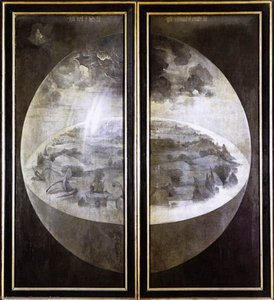
მიწიერი სიხარულის ბაღი


ჰიერონიмуს ბოსხის "მიწიერი სიხარულის ბაღი" - რენესანსის საიდუმო შედევრი! აღმოაჩინეთ მისი სიმბოლიზმი, ფანტასტიკური არსებები და მორალური გაფრთხილებები. ერთ-ერთი ყველაზე გამორჩეული ნაწარმოების ისტორია.
 სრული ტექსტის ნახვა
ჰიერონიმაუს ბოში (დაახლ. 1450-1516) - ჰოლანდიელი რენესანსის მხატვარი, რომელმაც შექმნა განსხვავებული სტილის ნაწარმოებები სიმბოლიზმითა და ფანტაზიით. აღმოაჩინეთ მისი გამორჩეული ტილოები, როგორცაა "მიწიერი სიამოვნების ბაღი" და სხვა შედევრები!
გიკლე / ხელოვნების პრინტი
მუზეუმის დონის ჟიკლე ან ტილოზე ბეჭდვა სწრაფი წარმოებისა და დასრულების მოქნილი ვარიანტებით. ( შეიძინეთ ხელით შესრულებული ნახატი გადასვლა ციფრულ გამოსახულებაზე)




P118B ₾10

P118H ₾10

P118W ₾10

P438Z ₾10

P508JH ₾12

P508YH ₾12

P805H ₾10

P805Z ₾10

P919BZ ₾10

P919G ₾10

P919XJ ₾10

P959ZH ₾10

P968JZ ₾12

W106C ₾8

W218G ₾10

W218JH ₾8

W218Y ₾10

W307PJ ₾10

W316G ₾10

W316PJ ₾8

W316Y ₾10

W398PJ ₾8

W4111J ₾10

W500HY ₾15

W500JH ₾15

W692G ₾12

W849H ₾8

W940BG ₾15

W953PJ ₾8




სტანდარტული ზომა
ინდივიდუალური ზომა
CM
INCH
აირჩიეთ ჩვენს მიერ წინასწარ განსაზღვრული ზომებიდან, რომლებიც ნაწარმოების ორიგინალურ პროპორციებს შეესაბამება.
Loading sizes...

სიგანე
სიმაღლე
შეიყვანეთ თქვენთვის საჭირო სიგანე და სიმაღლე, რათა იგი მოერგოს თქვენს ჩარჩოს ან კედელს. ბეჭდვისას შესაძლებელია მხოლოდ მისი შემცირება და არა გაზრდა, ამიტომ სხვა ფორმის ზომის შემთხვევაში გამოსახულება ნაწილობრივ იკარგება. სანამ რაიმეს დაბეჭდავთ, ჩვენ გამოგიგზავნით ციფრულ მაკეტს დასდასტურებლად. ამ გვერდზე ნაჩვენები სურათი არ ასახავს რეალურ ჭრას — ამას მხოლოდ მაკეტი გვიჩვენებს.
მიწოდება მთელ მსოფლიოში () 2 კვირაში, სტანდარტული 4/5 კვირის ნაცვლად. (27 ოქტომბერი)

უფასო ექსპრეს მიწოდება მთელ მსოფლიოში

მაღალი ხარისხის ტილო

ტრანსპორტირების სრული დაზღვევა

საბაჟო გადასახადების დაბრუნების გარანტია

ფერების სრული შესაბამისობის გარანტია

დაბრუნების 100-დღიანი პერიოდი (მხოლოდ წარმოების დეფექტის შემთხვევაში)

100% თანხის სრული დაბრუნების გარანტია

ფასდაკლება დიდი რაოდენობით შეკვეთისას
 მინის ჩარჩოს არჩევანი ხელმისაწვდომია მხოლოდ 110 სმ-მდე ზომისთვის

მიწიერი სიხარულის ბაღი
გიკლე / ხელოვნების პრინტი
რეპროდუქციის ზომა
-


ჯამური ღირებულება
₾ 180
ჰიერონიმაუს ბოსხის "მიწიერი ფუფუნების ბაღი": ცოდვისა და სასწაულის სიმფონია
ჰიერონიმაუს ბოსხის "მიწიერი ფუფუნების ბაღი" – ეს არის რენესანსის პერიოდის ერთ-ერთი ყველაზე გამორჩეული და საიდუმლოებით სავსე ნაწარმოები. 1490-დან 1510 წლამდე შექმნილი, ეს მონუმენტური ტრიპტიქი წარმოადგენს ვიზუალურ მოთხრობას ადამიანის გზაზე, უწყლობოდან ცოდნამდე, ტკáníბამდე და საბოლოო სასჯელამდე. ეს არის არა მხოლოდ ნახატი, არამედ ღრმა მედიტაცია მორალზე, სურვილზე და მიწიერი სიამოვნებების შედეგებზე.
სიმბოლური ლანდშაფტის დეკოდირება
ნაწარმოები ტრიპტიქის ფორმატშია შესრულებული – სამი პანელი, რომელიც მთლიანობაში უნდა განიხილებოდეს. მარცხენა პანელი წარმოადგენს ეზენს, пышный рай, რომელიც фантастических существებით არის სავსე და სადაც ღმერთი ევას ადამს παρουσιάζει. ეს იდილიური სცენა მკვეთრად კონტრასტს ქმნის ცენტრალურ პანელთან – "მიწიერი ფუფუნების ბაღი", რომელიც უზარმაზარია და სავსეა голонаки фигурами, რომლებიც наслаждаются чувственными удовольствиями странных растений и животных შორის. ეს არ არის მხოლოდ სიხარულის აღნიშვნა; ეს არის ადამიანის გამოსწევა ტკáníბის გავლენის ქვეშ. მარჯვენა პანელი ჩა plunging into a terrifying vision of Hell, populated by grotesque demons torturing sinners – a stark warning against the path chosen in the central scene. ყველა ელემენტი, უცნაური ცხოველები დანარჩენი არქიტექტურული ნაწილებისგან, სიმბოლურად არის გათავსებული, რაც бесчисленные интерпретации и дебаты приглашает. ხილი представляет запрещенные желания, музыкальные инструменты символизируют похоть, а сам ландшафт воплощает как привлекательность, так и опасность.
ტექნიკის 혁명
ბოსხის ტექნიკური ნიჭიერება გამორჩეულია მისი тщательной детализацией и инновационным использованием масляных красок. მან გამოიყენა glazing техника – тонкие, прозрачные слои цвета – чтобы создать светящиеся эффекты и сложные текстуры. ეს მეთოდი საშუალებას აძლევს ფერს проникнуть нескольких слоев, что приводит к богатой глубине и яркости, которая продолжает восхищать зрителей сегодня. კანკვების, ქსოვილების, წყლის და სხვა სამყაროს ობიექტების рендерингის სიზუსტე აღ remarkable, contributing to the painting’s almost hallucinatory quality.
ისტორიული კონტექსტი და მნიშვნელობა
"მიწიერი ფუფუნების ბაღი" შეიქმნა პერიოდში, როდესაც რელიგიური სენტიმენტალიზმი, фольклор и растущее чувство социальной тревоги были глубоко укоренены в обществе. ბოსხის ნაწარმოები отражает эти настроения, представляя собой сложное исследование человеческой природы, морали и последствий греха. მისი უნიკალური სტილი, რომელიც объединяет реализм с сюрреализмом и включает элементы средневековой символики, делает его одним из самых загадочных и влиятельных художников в истории искусства. "მიწიერი ფუფუნების ბაღი" დღესდღეობით Музео дель Прадо-ში ინახება და წარმოადგენს ხელოვნების ერთ-ერთ უმნიშვნელოვანეს шедевр.
კითხვები და პასუხები
რა ეპოქას მიეკუთვნება "მიწიერი სიხარულის ბაღი"?
იერონიმ ბოსხ-ის „მიწიერი სიხარულის ბაღი“ მიეკუთვნება რენესანსი პერიოდს. ეს ეპოქა ნამუშევარს ისტორიულ კონტექსტს სძენს.
შესაძლებელა ვნახო იერონიმ ბოსხ-ის „მიწიერი სიხარულის ბაღი“-ის რენტგენული გამოსახულება?
იერონიმ ბოსხ-ის „მიწიერი სიხარულის ბაღი“-ის რენტგენოგრაფია გვერდი წარმოადგენს ინტერაქტიულ გამსინჯებელს, რომელიც საშუალებას გაძლევთ გადაიკვლიოთ ნამუშევრის თერთმეტი ოპტიკური ფენა, მათ შორის რენტგენოსებრი ხედიც.
როგორ უკავშირდება „მიწიერი სიხარულის ბაღი“-ის სტილი მისი ავტორის ეპოქას?
"მიწიერი სიხარულის ბაღი" მიეკუთვნება Northern Renaissance სტილს, მისი ავტორი კი რენესანსი ეპოქაში მოღვაწეობდა.
მხატვრის ბიოგრაფია
Hieronymus Bosch – The Visionary Painter of Hell
Hieronymus Bosch remains one of art history’s most perplexing figures, a painter whose unsettling visions and profound moral allegories continue to captivate audiences centuries after his death in 1516. Born around 1450 in ’s-Hertogenbosch, Netherlands—then part of Brabant—Bosch emerged from a family steeped in artistic tradition, inheriting the skills and techniques of generations past. Yet, he swiftly distinguished himself from his predecessors, forging an utterly original style that would forever alter the landscape of Netherlandish painting. Biographical details are frustratingly sparse; records offer tantalizing glimpses but leave much to speculation, contributing to the artist’s enduring aura of mystery.- Early Life and Training: Little is known about Bosch's formative years beyond his birthplace and familial connections. He married Aleyt Goyaerts van den Meerveen sometime before 1481, securing a degree of financial stability through her family’s holdings. However, scholarly research has yielded scant information regarding his personal life or formative influences.
- The Style of Bosch: Bosch's artistic style is instantly recognizable—a masterful blend of meticulous detail and hallucinatory imagery. He primarily employed oil on oak panels, achieving luminous colors and intricate textures with remarkable precision. Unlike many of his contemporaries who adhered to established conventions, Bosch deliberately pushed boundaries, experimenting with innovative techniques and challenging conventional aesthetic standards.
- Notable Works: Bosch’s oeuvre comprises approximately 25 paintings—a remarkably small number considering the artist's impact on subsequent generations of painters. Among his most celebrated masterpieces are *The Garden of Earthly Delights*, a monumental triptych depicting paradise, earthly desire, and hell; *The Last Judgement*, a dramatic portrayal of divine judgment; *Epiphany*, showcasing Bosch’s masterful use of oil paint and complex symbolism; and *The Ascension of the Blessed*, an ethereal depiction of heavenly ascension.
Symbolism and Moral Allegory: Decoding Bosch's Vision
Bosch’s paintings are not merely representations of visual reality; they are elaborate allegorical narratives designed to convey profound moral and theological messages. He employed a rich tapestry of symbols—grotesque creatures, fantastical animals, hybrid beings—to explore themes of sin, redemption, and the human condition. These images were deliberately unsettling, confronting viewers with disturbing depictions of earthly corruption and highlighting the inescapable consequences of immoral behavior. Bosch’s genius lay in his ability to transform familiar religious concepts into startling visual metaphors, prompting contemplation and challenging accepted dogma.- The Influence of Medieval Folklore: Scholars suggest that Bosch drew inspiration from medieval folklore—particularly tales of demons and saints—incorporating these narratives into his artistic vision. These stories served as a springboard for exploring anxieties about heresy and social upheaval, reflecting the turbulent intellectual climate of his time.
- Psychological Depth: Some historians contend that Bosch possessed remarkable insight into human psychology, anticipating concepts explored by Carl Jung—namely, the exploration of the unconscious mind. His paintings delve into realms beyond rational thought, confronting viewers with disturbing visions and prompting introspection about morality and spirituality.
Legacy and Influence on Subsequent Artists
Bosch’s impact on subsequent artists is undeniable. Pieter Bruegel the Elder directly adopted Bosch's stylistic conventions—particularly his penchant for depicting grotesque figures and moral allegories—establishing himself as a prominent heir to Bosch’s artistic legacy. Surrealist painters like Salvador Dalí and Max Ernst openly acknowledged their debt to Bosch’s dreamlike imagery and exploration of the subconscious, recognizing him as the progenitor of modern art.Conclusion: An Artist Ahead of His Time
Hieronymus Bosch remains an artist whose singular vision continues to inspire awe and provoke debate. He stands apart from his contemporaries—particularly Jan van Eyck—whose technique prioritized meticulous realism, favoring instead a style characterized by energetic brushwork and imaginative embellishment. Bosch’s enduring fascination stems from his ability to capture the anxieties of his era—fear of heresy, social unrest—while simultaneously elevating artistic expression beyond mere imitation. He died in 1516, leaving behind a body of work that transcends time, securing his place as one of art history's most unforgettable voices and cementing his status as the “first Surrealist.”
იერონიმ ბოსხ
1450 - 1516 , ნიდერლანდები
მოკლე ფაქტები
- Artistic Movement Or Style: Сюрреализм и Символизм
- Artists Who Influenced This Artist: ['Питер Брюгель Старший']
- Date Of Birth: c. 1450
- Date Of Death: 1516
- Full Name: Hieronymus Bosch
- Nationality: Нидерландцы
- Notable Artworks:
- Сад земных наслаждений
- Троица Последнего Суда
- Place Of Birth: Den Bosch, Нидерланды
მსგავსი სტატიები

10 Breathtaking Masterpieces That Redefine the Landscape Genre
Journey through history with 10 iconic landscape paintings that capture the soul of nature. From Impressionist light to dramatic vistas, explore the stories behind these timeless masterpieces and find museum-quality reproductions for your decor. Discover all masterpieces on TopImpressionists.com

10 Iconic Masterpieces That Defined Romantic Landscape Painting
Experience the sublime power of Romantic landscape painting. From Caspar David Friedrich to J.M.W. Turner, explore 10 iconic masterpieces and their stories. Find museum-quality art reproductions for your decor at TopImpressionists.com. Discover all masterpieces on TopImpressionists.com

10 Masterpiece Landscape Paintings That Will Transform Your Perspective
Journey through history with 10 iconic landscape paintings. From Impressionist light to Romantic vistas, discover the stories behind these timeless masterpieces. Find museum-quality art reproductions and decor inspiration at TopImpressionists.com. Explore the full collection online.

10 Breathtaking Masterpieces That Capture the Beauty of Rural Landscapes
Journey through 10 iconic rural landscape paintings that capture the soul of the countryside. From Impressionist light to rustic oil masterpieces, explore the stories behind these timeless works and find museum-quality reproductions for your decor. Discover all masterpieces on TopImpressionists.com
აღმოაჩინეთ ხელოვნების ნაწარმოებები თემების, სტილისა და მახასიათებლების მიხედვით დაჯგუფებული.