

Shown: · With its frame:
 ნახვა ინტერьерში
 გაგზავნა
 გაზიარება
 დეტალები
 გზამკვლევი

 ჩამოტვირთვა
 მსგავსები
 რენტგენოგრაფიული კვლევა
 სლაიდშოუ
 Q&A
Q&A სტატისტიკა


₾ 700
ხელით შესრულებული ზეთის საღებავით რეპროდუქცია
ტილოზე შესრულებული ფერწერიანი ზეთប្រდათი, თქვენთვის სასურველი ზომისა და ჩარჩოსთვის, ჩვენი ხელოვანების მიერ შეკვეთის საფუძველზე დამზადებული. ( გადართვა ბეჭდვის რეჟიმზე გადასვლა ციფრულ გამოსახულებაზე)
Size
·სტანდარტული ზომა
ინდივიდუალური ზომა
CM
INCH
აირჩიეთ ჩვენს მიერ წინასწარ განსაზღვრული ზომებიდან, რომლებიც ნაწარმოების ორიგინალურ პროპორციებს შეესაბამება.
Loading sizes...

სიგანე
სიმაღლე
შეიყვანეთ თქვენთვის საჭირო სიგანე და სიმაღლე, რათა ნახატი მოერგოს თქვენს ჩარჩოს ან კედელს. ვინაიდან ეს ნამუშევარი ხელით არის შესრულებული, სხვა ფორმის ზომის შემთხვევაში, მხატვარმა შესაძლოა სურათის გარშემო ოდნავ მეტი დატოვოს ან შეამციროს — არჩევანი თქვენზეა. დაწყებამდე, დასამტკიცებლად, ჩვენ გამოგიგზავნით ციფრულ მაკეტს. ამ გვერდზე ნაჩვენები სურათი არ ასახავს რეალურ შედეგს — რეალური სახე მხოლოდ მაკეტზე ჩანს.
 გაეცანით მეტს
Finish
·
White ₾1

Blurside ₾1

Extended ₾1

P118B ₾10

P118H ₾10

P118W ₾10

P438Z ₾10

P508JH ₾12

P508YH ₾12

P805H ₾10

P805Z ₾10

P919BZ ₾10

P919G ₾10

P919XJ ₾10

P959ZH ₾10

P968JZ ₾12

W106C ₾8

W218G ₾10

W218JH ₾8

W218Y ₾10

W307PJ ₾10

W316G ₾10

W316PJ ₾8

W316Y ₾10

W398PJ ₾8

W4111J ₾10

W500HY ₾15

W500JH ₾15

W692G ₾12

W849H ₾8

W940BG ₾15

W953PJ ₾8

H24-GOLD ₾30

H24-SILVER ₾30

H36-GOLD ₾45

H36-SILVER ₾45
Shipped in a protective tube, ready for your own framer.
Above 105 cm the frame is shipped as a kit for a professional framer — read the details.
Extras
optionalWhat do the extras include?
Examples of what can be changed: Replace face with customer photo; Add pet (e.g., replace cat with dog); Include hidden message in background; Change background landscape or elements.
After order, TopImpressionists.com team will email client for instructions and provide a mockup preview
After order, TopImpressionists.com team will email client for instructions and provide a mockup preview
მიწოდება მსოფლიო მასშტაბით -ში 3/4 კვირაში, სტანდარტული 5 კვირის ნაცვლად. (31 ოქტომბერი). ხარისხზე კომპრომისის გაკეთება არ მოხდება.
დამცავი ლაქი
სახელოვანი ფირფიტა
დაკვეთილი ბრინჯაოს ფირფიტის დეტალები
This elegant plaque features the artist's name and the title of the artwork, finely engraved for a timeless presentation.
It is made from bronze with a refined, elegant finish. The text is precisely laser-engraved for a sharp and permanent result. Measuring 9x2 cm, the plaque is compact yet easy to read. It's built to be durable and scratch-resistant, offering a professional, museum-quality look. Mounting is simple thanks to the included adhesive backing.
აკრილის გამჭვირვალე ფირფიტის დეტალები
The plaque includes essential engraved details such as the artist's name, the title of the artwork, the date it was created, the type of media used-like oil on canvas or watercolor-a brief description of the piece, and a QR code that links to the complete artwork information.
It is crafted from clear acrylic, offering a sleek, modern appearance. The text is UV-engraved in black to ensure strong visual contrast. With a size of 10x15 cm, it ensures optimal readability. It comes equipped with two metal hooks for secure wall mounting. The plaque is designed to be weather-resistant, making it suitable for various environments, and it includes interactive features that work seamlessly with smartphone scanning.
შავი აკრილის ფირფიტის დეტალები
This elegant plaque includes engraved information such as the artist's name, the title of the artwork, the date it was created, the type of media used (like oil on canvas or watercolor), a short description of the artwork, and a QR code for quick access to more information.
The plaque itself is made from refined black acrylic with a premium finish. The text is laser-engraved in white for high contrast and readability. Its size is 10x15 cm, designed to be easy to read. It comes with two metal hooks for professional mounting. The design is sleek and fits any interior style. It is also weather-resistant and durable, with built-in digital integration for mobile compatibility.
მინის ჩარჩოს არჩევანი ხელმისაწვდომია მხოლოდ 110 სმ-მდე ზომისთვის
 მინის ჩარჩოს არჩევანი ხელმისაწვდომია მხოლოდ 110 სმ-მდე ზომისთვის
- უფასო ექსპრეს მიწოდება მთელ მსოფლიოში
- მაღალი ხარისხის ტილო
- ტრანსპორტირების სრული დაზღვევა
- საბაჟო გადასახადების დაბრუნების გარანტია
- ფერების სრული შესაბამისობის გარანტია
- დაბრუნების 100-დღიანი პერიოდი (მხოლოდ წარმოების დეფექტის შემთხვევაში)
- 100% თანხის სრული დაბრუნების გარანტია
- ფასდაკლება დიდი რაოდენობით შეკვეთისას


კოლექციონირებადი ნივთის აღწერა
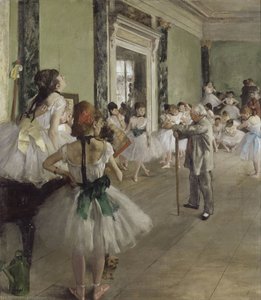
Experience Edgar Degas's 'Dance Class'! This iconic 1871 painting captures ballet rehearsals with stunning detail & movement. Part of the Met’s collection, it showcases Degas’s unique artistic vision.
მხატვრის ბიოგრაფია
პარიზი საქართველო ჰილერ-გერმან-ედგარ დეგა Hilaire-Germain-Edgar Degas, degas ფრანგი მხატვარი ედგარ დეგა ცნობილია თავისი ბალეტის მოცემულებით, პარიზული სცენების გამოსახებთი და ინოვაციური ტექნიკით. ის არის იმპრესიონისტული ხელოვნების მნიშვნელოვანი წარმომადგენელი. იმპრესიონიზმი, რეალიზმი პიკასო ინგრეს 1834 1917 Hilaire-Germain-Edgar De Gas ფრანგი Dancer and Tambourine კუბიზმი 2 ედგარ დეგ
About the painting
The Captivating World of “Dance Class”
Edgar Degas’s Dance Class, a remarkable oil painting created in 1871 and now residing within the hallowed halls of the Metropolitan Museum of Art, is far more than just a depiction of ballerinas practicing. It's a meticulously observed snapshot of a vibrant microcosm – a ballet studio brimming with youthful energy, quiet anticipation, and the subtle tensions inherent in the pursuit of artistic perfection. Degas, a master of capturing fleeting moments and unconventional subjects, doesn’t offer a grand spectacle; instead, he presents an intimate scene, inviting us to observe the dedication, discipline, and unspoken camaraderie of these young dancers preparing for their performances.
The painting immediately draws the eye with its dynamic composition. Degas eschews traditional, formal arrangements in favor of a horizontal format that emphasizes the space itself – a modestly sized room bathed in diffused light. The arrangement of the dancers is deliberately asymmetrical, creating a sense of movement and suggesting an ongoing process rather than a static pose. Notice how some figures are clustered together, engaged in conversation or instruction, while others stand alone, lost in their own thoughts or focused intently on perfecting a particular step. This deliberate imbalance contributes to the painting’s overall feeling of realism and immediacy.
A Masterclass in Impressionistic Technique
Degas's signature style is powerfully evident in Dance Class. He employs a broken brushstroke technique, applying paint in short, visible dashes that capture the texture of the dancers’ costumes, the worn floorboards, and the subtle play of light and shadow. The color palette is restrained yet remarkably evocative – muted blues, browns, and greys dominate, punctuated by flashes of scarlet in the jackets and emerald green in the ribbons. This deliberate use of color not only reflects the atmosphere of the studio but also subtly emphasizes the dancers’ attire, highlighting their elegance and grace.
Furthermore, Degas's mastery of perspective is remarkable. He skillfully uses atmospheric perspective – a technique where objects appear less distinct and more bluish in the distance – to create a sense of depth within the relatively shallow space. The figures in the background are rendered with softer edges and paler colors, subtly receding into the distance while those closer to the viewer retain greater detail and vibrancy. This careful attention to detail demonstrates Degas’s commitment to accurately portraying his subject matter.
The Ballet Class: A Reflection of Parisian Society
Dance Class offers a fascinating glimpse into the social context of 19th-century Paris, specifically the burgeoning world of ballet. The presence of the piano player, a common fixture in ballet studios at the time, underscores the importance of music in shaping the dancers’ movements and expressions. The watchful instructor, positioned centrally within the composition, represents the rigorous training and discipline required to succeed in this demanding profession. The inclusion of the “stage mothers” observing from the background hints at the social pressures and expectations surrounding ballet performance.
Beyond its depiction of a specific scene, Dance Class speaks to Degas’s broader fascination with movement, beauty, and the human condition. He wasn't simply painting dancers; he was capturing their essence – their grace, their dedication, and their vulnerability. The painting resonates with an emotional depth that transcends mere representation, inviting viewers to contemplate the challenges and rewards of pursuing artistic excellence. It is a testament to Degas’s ability to transform everyday moments into works of enduring beauty and significance.
A Legacy of Impressionism
As part of the Metropolitan Museum of Art's esteemed collection, Dance Class continues to inspire art lovers worldwide. Degas’s innovative approach to subject matter, his masterful technique, and his profound understanding of human emotion have cemented his place as one of the most influential artists of the Impressionist movement. For those seeking a captivating work of art that embodies both technical brilliance and emotional resonance, Dance Class is an unparalleled masterpiece.
კითხვები და პასუხები
რომელი მუზეუმი ინახავს ორიგინალ "Dance Class"-ს?
ჰაილერ გერმெய்ნ ეդგარ დეგასი-ის „Dance Class“ წარმოდგენილია Metropolitan Museum of Art, ნიუ-იორკი, ამერიკის შეერთებული შტატები-ში. მუზეუმის აღწერილობა ეხება ორიგინალ ნამუშევარს და არა რეპროდუქციებს.
როდის და რა მასალებით არის შექმნილი "Dance Class"?
"Dance Class" შეიქმნა 1871 წელს, Oil On Canvas-ით.
თარიღის გათვალისწინებით, ჰაილერ გერმெய்ნ ეդგარ დეგასი-ის შემოქმედების რომელ ეტაპს მიეკუთვნება „Dance Class“?
მისი 1871 წლის თარიღიდან გამომდინარე, „Dance Class“ ეკუთვნის ჰაილერ გერმெய்ნ ეդგარ დეგასი-ის Mature Period-ს.
Quick facts and art quiz
About ჰაილერ გერმெய்ნ ეդგარ დეგასი

ჰაილერ გერმெய்ნ ეդგარ დეგასი
1834 - 1917, საფრანგეთი
მხატვრის ბიოგრაფია
A Life Immersed in Movement
Edgar Degas, born Hilaire-Germain-Edgar De Gas on July 19, 1834, in Paris, France, stands as a figure of remarkable contradictions within the annals of art history. While often categorized alongside Impressionists—Monet, Renoir, and others who irrevocably transformed painting at the cusp of the late nineteenth century—Degas vehemently resisted this designation, asserting instead that he identified as a realist. This unwavering commitment stemmed from his meticulous observation of the world around him and an uncompromising dedication to portraying it with unflinching honesty. His formative years were comfortably bourgeois; his father served as a banker, and his mother descended from Creole lineage in New Orleans—a heritage that afforded him access to education and artistic training, though he frequently chafed against academic constraints. He commenced his formal schooling at the Lycée Louis-le-Grand but discovered his true vocation when he began copying works within the Louvre, honing his skills and igniting a lifelong passion for classical art. However, Degas’s artistic trajectory wasn't one of rigid adherence to tradition; it was characterized by constant questioning and reassessment of artistic norms—a trait that would define his entire career. He possessed an independent spirit that distinguished him from many of his contemporaries and cemented his place as a pioneer of modern art.Early Life and Artistic Foundations
Degas’s upbringing instilled in him a profound appreciation for intellectual pursuits alongside familial stability. His father's profession provided financial security, allowing him to pursue artistic endeavors without undue worry—a circumstance that contrasted sharply with the aspirations of many aspiring artists at the time. He received an exceptional education, focusing on drawing and sculpture, disciplines that would prove instrumental in shaping his distinctive style. Notably, he diligently studied the works of Jean-Auguste-Dominique Ingres, whose meticulous draftsmanship and emphasis on idealized form profoundly influenced Degas’s artistic sensibilities. This early exposure to classical art served as a bedrock upon which he built his own innovative approach—a synthesis of tradition and experimentation that would become his hallmark. The Louvre became his classroom, where he absorbed the techniques and aesthetics of masters past, preparing himself for the challenges of forging his own path in the burgeoning artistic landscape.Beyond Impressionism: A Singular Artistic Vision
Despite aligning with Impressionists like Monet and Renoir—artists who championed capturing fleeting moments of light and color outdoors—Degas stubbornly resisted categorization within this movement. He prioritized working independently in his studio, constructing scenes from observation and memory rather than relying on plein air techniques. This deliberate choice reflected a fundamental divergence from prevailing artistic trends and underscored his unwavering belief in the primacy of personal vision. His subject matter deliberately eschewed historical or mythological narratives favored by academic painters; instead, he found inspiration in the everyday realities of Parisian life—the bustling marketplaces, the lively cafes, and most notably, the world of ballet. He wasn’t merely interested in depicting beautiful dancers; he sought to capture the grueling physicality and psychological complexities inherent in their profession—a task that demanded painstaking attention to detail and a willingness to confront uncomfortable truths about human experience.The Ballet Class: A Masterpiece of Observation
Perhaps Degas's most iconic achievement resides in his series of paintings depicting ballet classes—works that exemplify his unparalleled mastery of draftsmanship and his ability to convey movement with breathtaking precision. Unlike Impressionists who attempted to capture the ephemeral effects of light, Degas meticulously documented the physical exertion and emotional intensity of dancers preparing for performances. His compositions are unconventional, cropping figures in unexpected ways and utilizing asymmetrical arrangements that create a palpable sense of dynamism—a technique that distinguishes him from his peers and elevates his art beyond mere visual representation. He captured not just what was seen but also what was felt—the strain on muscles, the concentration on faces, and the subtle gestures of movement that communicated both discipline and passion. The resulting images are imbued with a remarkable immediacy and authenticity, reflecting Degas’s unwavering commitment to portraying reality without embellishment or sentimentality.Legacy and Influence
Edgar Degas died September 27, 1917, in Paris—leaving behind an oeuvre that continues to resonate powerfully within the artistic canon. His pioneering approach to composition, his exceptional draftsmanship, and his unflinching portrayal of modern life profoundly impacted subsequent generations of artists—most notably Pablo Picasso and Henri Matisse. He challenged academic conventions and championed a new aesthetic sensibility characterized by spontaneity and psychological depth—a legacy that persists today as museums worldwide showcase his paintings, sculptures, prints, and drawings. Degas’s influence extends far beyond the immediate stylistic innovations he engendered; he fundamentally altered perceptions of artistic expression and solidified his position as one of the most influential figures in twentieth-century art. He remains a testament to the transformative power of observation and the enduring beauty of uncompromising artistic integrity.Quick facts about ჰაილერ გერმெய்ნ ეդგარ დეგასი
- Artistic Movement Or Style: იმპრესიონიზმი და რეალიზმი
- Artists Or Movements Influenced By This Artist: ['პიკასო და ჰენრი მატის პს']
- Artists Who Influenced This Artist:
- ჟან-შუสตე დონ ჟო დი ინგრეს
- გუსტავ კურბეტი
- Date Of Birth: 1834 წელი
- Date Of Death: 1917 წელი
- Full Name: Hilaire-Germain-Edgar De Gas
- Nationality: ფრანგილია
- Notable Artworks:
- მსხვილობრინდა მუსხვი და ტამბურინა
- ბალეტი სცენის დებაჲ
- დეგასი მწვანე კორკეტითი
- მფ რაჩქსე სხეპები და სძრაჩქე მძრაველები
- Place Of Birth: პარისი საფრანგეთი
მსგავსი ნამუშევრები


აღმოაჩინეთ ხელოვნების ნაწარმოებები თემების, სტილისა და მახასიათებლების მიხედვით დაჯგუფებული.


ჰაილერ გერმெய்ნ ეդგარ დეგასი
Dance Class
() ·
With its frame: · Hand-painted in oil on linen
Total