


 ნახვა ინტერьерში
 გაგზავნა
 გაზიარება
 დეტალები
 გზამკვლევი

 ჩამოტვირთვა
 მსგავსები
 რენტგენოგრაფიული კვლევა
 სლაიდშოუ
 სტატისტიკა
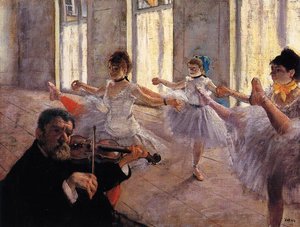
The Dance Class


Experience the intimate movement of Edgar Degas's Impressionist masterpiece The Dance Class, a captivating glimpse into a 19th-century ballet studio that invites you to bring this timeless elegance into your own collection.
 სრული ტექსტის ნახვა
პარიზი
საქართველო
ჰილერ-გერმან-ედგარ დეგა
Hilaire-Germain-Edgar Degas, degas
ფრანგი მხატვარი ედგარ დეგა ცნობილია თავისი ბალეტის მოცემულებით, პარიზული სცენების გამოსახებთი და ინოვაციური ტექნიკით. ის არის იმპრესიონისტული ხელოვნების მნიშვნელოვანი წარმომადგენელი.
იმპრესიონიზმი, რეალიზმი
პიკასო
ინგრეს
1834
1917
Hilaire-Germain-Edgar De Gas
ფრანგი
Dancer and Tambourine
კუბიზმი
2
ედგარ დეგ
Get a print-ready file that goes far beyond the web preview. Every digital image we sell comes from a high-resolution master in our stock database — usually 5,000 to 15,000 pixels wide — so you can print large, crop tightly, or reproduce fine detail with confidence.
No file leaves our studio untouched. A digital expert checks the colors against the original painting and corrects them if needed, then improves clarity and detail with professional retouching tools — always staying faithful to the artist's brushwork and style. The result is an image that looks like the painting, not like a filtered scan.
You approve before you're done: our expert sends the image by e-mail within 72 hours for your review. Not satisfied? Ask for improvements or corrections, or request a refund if the quality falls short.
This is the quality relied on by publishers, design studios, galleries and print shops.
ციფრული გამოსახულება
ჩამოტვირთეთ მაღალი გარჩევადობის ფაილი პირადი გამოყენებისთვის, დასაბეჭდად და შემოქმედებითი პროექტებისთვის. ( გადართვა ბეჭდვის რეჟიმზე შეიძინეთ ხელით შესრულებული ნახატი)
ყოველ ციფრულ გამოსახულების შეკვეთაში შედის
გარანტირებული პროფესიონალური ციფრული მიწოდება
როდესაც ირჩევთ TopImpressionists.com-ს, თქვენ მხოლოდ სურათს კი არ იღებთ, არამედ იღებთ პროფესიონალურად დამუშავებულ ციფრულ ნამუშევარს, რომელიც შექმნილია უზადო სიზუსტით და დაცულია კმაყოფილების გარანტიით. თქვენს შეკვეთას ავტომატურად მოჰყვება შემდეგი:

სწრაფი ელექტრონული მიწოდება
თქვენს მაღალი რეზოლუციის ციფრულ გამოსახულებას შეკვეთის დაწყებიდან 72 საათში ელექტრონული ფოსტით მიიღებთ — ის მზად იქნება დაუყოვნებლივი გამოყენებისთვის.

ხელოვნური ინტელექტით გაუმჯობესებული ციფრული ფაილი
თქვენი ხელოვნების ნიმუშები პროფესიონალურად არის ოპტიმიზებული მოწინავე AI ინსტრუმენტებისა და მექანიკური რედაქტირების მეშვეობით, რაც უზრუნველყოფს მაქსიმალურ დეტალიზაციას, სიცხადესა და ფერების სიზუსტეს.

ციფრული გამოსახულებების უფასო სამუდამო ხელახალი მიღება
ფაილი შემთხვევით წაიშალა ან დაკარგეთ? ნუបედავთ — ჩვენ მას ნებისმიერ დროს, უფასოდ ხელახლა გამოგეგზავნით.

იმპორტის გადასახადების გარეშე — ყოველთვის
ჭიდად ისიამოვნეთ თქვენი ნამუშევრით მყისიერად, საბაჟო გადასახადის, მოსაკრებლის ან მიწოდების ხარჯის გარეშე - ციფრული ჩამტვირთვისას ყოველთვის საგადასახადო თავისუფლებაა.

ფერების სიზუსტის გარანტია
პროფესიონალური ინსტრუმენტებისა და ფერების მართვის სისტემის გამოყენებით, ჩვენ უზრუნველყოფთ, რომ თქვენი ციფრული გამოსახულება მაქსიმალურად ზუსტად ასახავდეს ორიგინალურ ფერებს.

კმაყოფილების 100-დღიანი გარანტია
თუ თქვენ არ დაკმაყოფილებული ხართ თქვენი ციფრული გამოსახულებით, ჩვენ შევიტანთ მასში ცვლილებებს ან დაგიბრუნებთ 100% თანხას 100 დღის განმავლობაში — ყოველგვარი კითხვის დასმევის გარეშე.

100% თანხის დაბრუნების გარანტია
არ არის კმაყოფილი? მიიღეთ თანხის სრული დაბრუნება ციფრული ფაილის მიღებიდან 100 დღის განმავლობაში — ყოველგვარი დამატებითი კითხვების გარეშე.

ფასდაკლება დიდი რაოდენობით შეკვეთაზე
შეიძინეთ 3 გამოსახულება და მიიღეთ 10% ფასდაკლება - შეიძინეთ 5 და მიიღეთ 15% ფასდაკლება - შეიძინეთ 10+-ზე და მიიღეთ 20% ფასდაკლება. იდეალურია კრეატიული პროექტებისთვის, გალერეებისა და სააგენტოებისთვის.
A Glimpse into the Soul of the Studio
To step into Edgar Degas’s “The Dance Class” is to transcend the boundaries of time and enter a sanctuary of disciplined grace. Painted around 1873, this masterpiece does not merely present a scene of balletic rehearsal; it offers an intimate, almost voyeuristic window into the quiet intensity of the dance studio. Unlike the grand, staged spectacles often associated with the opera, Degas directs our gaze toward the unvarnished reality of practice. Here, we witness the subtle tension of a muscle stretching, the focused exhaustion of a young dancer, and the rhythmic, everyday motions that define the life of a performer. It is a profound distillation of movement, where the stillness of a captured moment meets the breathless energy of impending motion.
The composition is a masterclass in unconventional perspective, reflecting Degas’s fascination with the spontaneous snapshots of modern life. Eschewing the rigid symmetry of traditional academic painting, he employs an asymmetrical arrangement that places the dancers slightly off-center, creating a sense of dynamic imbalance. The viewer feels less like a spectator in a theater and more like an unobserved guest standing in the corner of the room. Through the clever use of diagonal lines—formed by the receding floorboards—and a doorway that draws the eye deeper into the background, Degas creates a sprawling, immersive space. This architectural depth allows the figures to overlap and recede, mimicking the natural, cluttered flow of a working studio.
The Harmony of Light and Texture
Degas’s technical prowess is most evident in his ability to marry Impressionistic light with Realist precision. The color palette is remarkably restrained, a sophisticated blend of muted whites, warm beiges, and pale greens, punctuated by the delicate, fleeting touches of rose pink and canary yellow found in the dancers' tutus. This tonal subtlety avoids jarring contrasts, instead fostering a sense of atmospheric harmony that feels soft and natural. The lighting appears to filter through unseen windows, casting gentle shadows that define the volume of the figures and lend a three-dimensional weight to their forms.
Beyond color, the tactile quality of the work invites a sensory response. Through visible, purposeful brushstrokes, Degas captures the contrasting textures of the studio environment: the airy, fragile lightness of the tulle fabric against the solid, weathered grain of the wooden floor. This interplay of textures enhances the painting's realism, making the scene feel tangible and alive. For the collector or interior designer, this piece offers a unique versatility; its muted tones allow it to integrate seamlessly into a variety of sophisticated decor styles, from classical elegance to modern minimalism, while its rich texture provides a focal point of profound character.
An Enduring Legacy of Emotion and Observation
At its heart, “The Dance Class” is an exploration of the human condition through the lens of artistic pursuit. While Degas famously resisted the "Impressionist" label, preferring to identify as a Realist, this work embodies the best of both worlds. It captures the fleeting, ephemeral light of a moment while remaining anchored in the gritty, honest truth of daily labor. There is a palpable sense of nostalgia within the frame—a quiet observation of a bygone era of Parisian culture—yet the emotional resonance remains strikingly modern. The painting evokes feelings of intimacy, discipline, and the solitary struggle for perfection.
For those seeking to adorn their spaces with art that inspires contemplation, this reproduction serves as more than just decoration. It is an invitation to appreciate the beauty found in the mundane and the extraordinary strength required for grace. Whether placed in a sunlit gallery or a quiet study, Degas’s vision continues to captivate, offering a timeless window into the rhythmic heart of the dance.
კითხვები და პასუხები
რა თემატიკასა და ატმოსფეროს აერთიანებს ჰაილერ გერმெய்ნ ეդგარ დეგასი-ის „The Dance Class“?
"The Dance Class" ასახავს ballet class, dance studio, movement, observation, light, texture, realism-ს, ხოლო მისი განწყობა არის Calm.
სად შემიძლია ჰაილერ გერმெய்ნ ეդგარ დეგასი-ის „The Dance Class“-ის გადმოწერა?
გადმოწერილად ხელმისაწვდომია „The Dance Class“: ნამუშევრის ჩამოტვირთვა გვერდი გთავაზობთ მაღალი გარჩევადობის ციფრული გამოსახულების ჩამოტვირთვა.
რა ემოციური ტონალობა აქვს ჰაილერ გერმெய்ნ ეդგარ დეგასი-ის „The Dance Class“-ს?
"The Dance Class" დაკავშირებულია Reflective განწყობასთან. ემოციური ტონი აღწერს იმ შთაბეჭდილებას, რომელსაც ეს ნამუშევარი ტოვებს.
მსგავსი ნამუშევრები




მხატვრის ბიოგრაფია
A Life Immersed in Movement
Edgar Degas, born Hilaire-Germain-Edgar De Gas on July 19, 1834, in Paris, France, stands as a figure of remarkable contradictions within the annals of art history. While often categorized alongside Impressionists—Monet, Renoir, and others who irrevocably transformed painting at the cusp of the late nineteenth century—Degas vehemently resisted this designation, asserting instead that he identified as a realist. This unwavering commitment stemmed from his meticulous observation of the world around him and an uncompromising dedication to portraying it with unflinching honesty. His formative years were comfortably bourgeois; his father served as a banker, and his mother descended from Creole lineage in New Orleans—a heritage that afforded him access to education and artistic training, though he frequently chafed against academic constraints. He commenced his formal schooling at the Lycée Louis-le-Grand but discovered his true vocation when he began copying works within the Louvre, honing his skills and igniting a lifelong passion for classical art. However, Degas’s artistic trajectory wasn't one of rigid adherence to tradition; it was characterized by constant questioning and reassessment of artistic norms—a trait that would define his entire career. He possessed an independent spirit that distinguished him from many of his contemporaries and cemented his place as a pioneer of modern art.Early Life and Artistic Foundations
Degas’s upbringing instilled in him a profound appreciation for intellectual pursuits alongside familial stability. His father's profession provided financial security, allowing him to pursue artistic endeavors without undue worry—a circumstance that contrasted sharply with the aspirations of many aspiring artists at the time. He received an exceptional education, focusing on drawing and sculpture, disciplines that would prove instrumental in shaping his distinctive style. Notably, he diligently studied the works of Jean-Auguste-Dominique Ingres, whose meticulous draftsmanship and emphasis on idealized form profoundly influenced Degas’s artistic sensibilities. This early exposure to classical art served as a bedrock upon which he built his own innovative approach—a synthesis of tradition and experimentation that would become his hallmark. The Louvre became his classroom, where he absorbed the techniques and aesthetics of masters past, preparing himself for the challenges of forging his own path in the burgeoning artistic landscape.Beyond Impressionism: A Singular Artistic Vision
Despite aligning with Impressionists like Monet and Renoir—artists who championed capturing fleeting moments of light and color outdoors—Degas stubbornly resisted categorization within this movement. He prioritized working independently in his studio, constructing scenes from observation and memory rather than relying on plein air techniques. This deliberate choice reflected a fundamental divergence from prevailing artistic trends and underscored his unwavering belief in the primacy of personal vision. His subject matter deliberately eschewed historical or mythological narratives favored by academic painters; instead, he found inspiration in the everyday realities of Parisian life—the bustling marketplaces, the lively cafes, and most notably, the world of ballet. He wasn’t merely interested in depicting beautiful dancers; he sought to capture the grueling physicality and psychological complexities inherent in their profession—a task that demanded painstaking attention to detail and a willingness to confront uncomfortable truths about human experience.The Ballet Class: A Masterpiece of Observation
Perhaps Degas's most iconic achievement resides in his series of paintings depicting ballet classes—works that exemplify his unparalleled mastery of draftsmanship and his ability to convey movement with breathtaking precision. Unlike Impressionists who attempted to capture the ephemeral effects of light, Degas meticulously documented the physical exertion and emotional intensity of dancers preparing for performances. His compositions are unconventional, cropping figures in unexpected ways and utilizing asymmetrical arrangements that create a palpable sense of dynamism—a technique that distinguishes him from his peers and elevates his art beyond mere visual representation. He captured not just what was seen but also what was felt—the strain on muscles, the concentration on faces, and the subtle gestures of movement that communicated both discipline and passion. The resulting images are imbued with a remarkable immediacy and authenticity, reflecting Degas’s unwavering commitment to portraying reality without embellishment or sentimentality.Legacy and Influence
Edgar Degas died September 27, 1917, in Paris—leaving behind an oeuvre that continues to resonate powerfully within the artistic canon. His pioneering approach to composition, his exceptional draftsmanship, and his unflinching portrayal of modern life profoundly impacted subsequent generations of artists—most notably Pablo Picasso and Henri Matisse. He challenged academic conventions and championed a new aesthetic sensibility characterized by spontaneity and psychological depth—a legacy that persists today as museums worldwide showcase his paintings, sculptures, prints, and drawings. Degas’s influence extends far beyond the immediate stylistic innovations he engendered; he fundamentally altered perceptions of artistic expression and solidified his position as one of the most influential figures in twentieth-century art. He remains a testament to the transformative power of observation and the enduring beauty of uncompromising artistic integrity.
ჰაილერ გერმெய்ნ ეդგარ დეგასი
1834 - 1917 , საფრანგეთი
მოკლე მიმოხილვა
- Artistic Movement Or Style: იმპრესიონიზმი და რეალიზმი
- Artists Or Movements Influenced By This Artist: ['პიკასო და ჰენრი მატის პს']
- Artists Who Influenced This Artist:
- ჟან-შუสตე დონ ჟო დი ინგრეს
- გუსტავ კურბეტი
- Date Of Birth: 1834 წელი
- Date Of Death: 1917 წელი
- Full Name: Hilaire-Germain-Edgar De Gas
- Nationality: ფრანგილია
- Notable Artworks:
- მსხვილობრინდა მუსხვი და ტამბურინა
- ბალეტი სცენის დებაჲ
- დეგასი მწვანე კორკეტითი
- მფ რაჩქსე სხეპები და სძრაჩქე მძრაველები
- Place Of Birth: პარისი საფრანგეთი