


 ნახვა ინტერьерში
 გაგზავნა
 გაზიარება
 დეტალები
 გზამკვლევი

 ჩამოტვირთვა
 მსგავსები
 რენტგენოგრაფიული კვლევა
 სლაიდშოუ
 სტატისტიკა
Haystacking
 Oil On Panel
- WallArt
- Russian Landscape painters
 1900
1900- 19th Century
 58.0 x 89.0 cm
 Третьяковская Галерея
Experience Levitan's Impressionistic Haystacking (1900), a serene Russian landscape capturing rural life's poignant beauty; discover this masterpiece today.
 სრული ტექსტის ნახვა
აღმოაჩინეთ ისააკ ლიევიტანის (1860-1900) გამაოგნებელი რუსული ლანდშაფტები და "მood landscape" სტილის ნაწარმოებები. იხილეთ შედევრები, როგორიცაა " შემოდგომის დღე" და "ზამთრის დემონსტრაცია", რომლებიც ასახავს რუსეთის სულისკვეთებას.
ხელით შესრულებული ზეთის საღებავით რეპროდუქცია
ტილოზე შესრულებული ფერწერიანი ზეთប្រდათი, თქვენთვის სასურველი ზომისა და ჩარჩოსთვის, ჩვენი ხელოვანების მიერ შეკვეთის საფუძველზე დამზადებული. ( გადართვა ბეჭდვის რეჟიმზე გადასვლა ციფრულ გამოსახულებაზე)




P118B ₾10

P118H ₾10

P118W ₾10

P438Z ₾10

P508JH ₾12

P508YH ₾12

P805H ₾10

P805Z ₾10

P919BZ ₾10

P919G ₾10

P919XJ ₾10

P959ZH ₾10

P968JZ ₾12

W106C ₾8

W218G ₾10

W218JH ₾8

W218Y ₾10

W307PJ ₾10

W316G ₾10

W316PJ ₾8

W316Y ₾10

W398PJ ₾8

W4111J ₾10

W500HY ₾15

W500JH ₾15

W692G ₾12

W849H ₾8

W940BG ₾15

W953PJ ₾8




სტანდარტული ზომა
ინდივიდუალური ზომა
CM
INCH
აირჩიეთ ჩვენს მიერ წინასწარ განსაზღვრული ზომებიდან, რომლებიც ნაწარმოების ორიგინალურ პროპორციებს შეესაბამება.
Loading sizes...

სიგანე
სიმაღლე
თქვენ შეგიძლიათ მიუთითოთ თქვენთვის სასურველი ზომები კონკრეტული ჩარჩოს ან სივრცის შესაბამისად. თუ თქვენ მიერ არჩეული ზომა არ შეესაბამება ორიგინალი გამოსახულების პროპორციებს, ჩვენ ან შევაჭრებთ ნაწარმოებს, ან ტილოზე დავამატებთ ხელით მოხატულ ელემენტებს. წარმოების დაწყებამდე, დასამტკიცებლად გამოგეგზავნებათ ციფრული მაკეტი.
გთხოვთ, გაითვალისწინოთ, რომ ეკრანზე ნაჩვენები წინასწარი შეხედულება არ ასახავს რეალურ შეჭრას ან გაფართოებას. საბოლოო კომპოზიციას ზუსტად მხოლოდ მაკეტი წარმოაჩენს.
მიუხედავად იმისა, რომ შესაძლებელია ინდივიდუალური ზომების შერჩევა, ორიგინალური პროპორციების შენარჩუნებისათვის გირჩევთ, გამოიყენოთ წინასწარ განსაზღვრული სიის ზომები.
რა შეიძლება შეიცვალოს: სახის ჩანაცვლება მომხმარებლის ფოტოთი; შინაური ცხოველის დამატება (მაგ., კატის ჩანაცვლება ძაღლით); ფონზე ფარული შეტყობინების დამატება; ფონის პეიზაჟის ან ელემენტების შეცვლა.
შეკვეთის შემდეგ, TopImpressionists.com გუნდი დაგიკავშირდებათ ელექტრონული ფოსტით ინსტრუქციებისთვის და გამოგიგზავნით წინასწარ ნახაზს (mockup).
შეკვეთის შემდეგ, TopImpressionists.com გუნდი დაგიკავშირდებათ ელექტრონული ფოსტით ინსტრუქციებისთვის და გამოგიგზავნით წინასწარ ნახაზს (mockup).
მიწოდება მსოფლიო მასშტაბით -ში 3/4 კვირაში, სტანდარტული 5 კვირის ნაცვლად. (7 ოქტომბერი). ხარისხზე კომპრომისის გაკეთება არ მოხდება.

უფასო ექსპრეს მიწოდება მთელ მსოფლიოში

მაღალი ხარისხის ტილო

ტრანსპორტირების სრული დაზღვევა

საბაჟო გადასახადების დაბრუნების გარანტია

ფერების სრული შესაბამისობის გარანტია

დაბრუნების 100-დღიანი პერიოდი (მხოლოდ წარმოების დეფექტის შემთხვევაში)

100% თანხის სრული დაბრუნების გარანტია

ფასდაკლება დიდი რაოდენობით შეკვეთისას
 მინის ჩარჩოს არჩევანი ხელმისაწვდომია მხოლოდ 110 სმ-მდე ზომისთვის

Haystacking
რეპროდუქციის ტექნიკა
რეპროდუქციის ზომა
-


ჯამური ღირებულება
₾ 702
A Symphony of Rural Tranquility
In the vast tapestry of Russian landscape painting, few works capture the ephemeral intersection of human toil and natural majesty as poignantly as Isaak Ilyich Levitan’s “Haystacking.” Painted in 1900, this oil on panel masterpiece serves as a profound meditation on the rhythms of rural existence. The scene unfolds across a sun-drenched field, where golden haystacks punctuate the landscape like silent monuments to the harvest. Yet, beneath this surface of pastoral peace, there is an unmistakable tension; a brooding, heavy sky hangs pregnant with the promise of impending rain, casting a soft, diffused light that blankets the earth. This interplay between the warmth of the sunlit grain and the cool, atmospheric weight of the clouds creates a visual dialogue that is both breathtaking and deeply moving.
As one gazes upon the canvas, the eye is drawn to the figures scattered throughout the meadow—men and women united in the collective endeavor of stacking the harvest. Their presence is not merely decorative but essential, embodying the resilience and communal spirit of the countryside. Levitan does not present them as isolated subjects, but as integral components of the landscape itself, their labor mirroring the seasonal cycles of the earth. For the collector or interior designer, this piece offers more than just a beautiful image; it provides a window into a vanished way of life, where the boundaries between human activity and the natural world were seamlessly intertwined.
Impressionistic Mastery and Emotional Resonance
Technically, “Haystacking” is a triumph of Impressionistic resonance. Levitan, a master of what is often termed the "mood landscape," eschews rigid, photographic precision in favor of capturing the fleeting essence of a moment. His brushwork is loose and expressive, allowing light to dance across the blades of grass and through the heavy atmosphere. By skillfully blending a palette dominated by vibrant yellows and somber blues, he evokes a sensory experience that transcends sight; one can almost feel the humidity in the air and the dry texture of the hay. This masterful manipulation of color is central to the painting's emotional depth, oscillating between the tranquil warmth of the sun and an underlying sense of melancholy.
This duality—the coexistence of peace and unrest—is what makes Levitan’s work so enduringly captivating. The painting does not merely depict a field; it translates a feeling. It speaks to the transient nature of beauty and the quiet strength found in persistence. For those seeking to adorn a space with art that inspires contemplation, “Haystacking” offers a sophisticated emotional anchor. Its ability to evoke both serenity and a reflective, soulful nostalgia makes it an exquisite choice for high-end interiors, providing a focal point that invites viewers to pause, breathe, and reconnect with the profound beauty of the natural world.
კითხვები და პასუხები
რა ეროვნული წარმომავლობა დგას „Haystacking“-ის Russian Landscape painters-ის მიღმა?
"Haystacking" შექმნილია ისააკ ილიხ ლევიტანი-ის მიერ, რომელიც დაბადებულია ლი თ ჰ უ ნ ი ა-ში და მოძრავი არის Russian Landscape painters სტილის წარმომადგენელი. ხელოვანის წარმოშობა ამ ნამუშევარს აკავშირებს Russian Landscape painters მიმდინარეობასთან, რომელსაც ლი თ ჰ უ ნ ი ა-ის ხელოვანები ასრულებენ.
ვინ არის „Haystacking“-ის ავტორი?
„Haystacking“ მიკუთვნებულია ისააკ ილიხ ლევიტანი-ს.
რა წელს შეიქმნა ისააკ ილიხ ლევიტანი-ის „Haystacking“?
ისააკ ილიხ ლევიტანი-ის „Haystacking“ შექმნის თარიღია 1900.
როგორ შემიძლია ისააკ ილიხ ლევიტანი-ის „Haystacking“-ის ციფრული ფაილის მიღება?
ისააკ ილიხ ლევიტანი-ის „Haystacking“-ის ციფრული ფაილის მისაღებად, შეუკვეთეთ მაღალი გარჩევადობის ციფრული გამოსახულების ჩამოტვირთვა გვერდზე ეს გვერდი.
რა ასაკში შექმნა ისააკ ილიხ ლევიტანი-მა „Haystacking“?
როდესაც 1900 წელს შექმნა „Haystacking“, ისააკ ილიხ ლევიტანი, რომელიც 1860-ში დაიბადა, 40 წლის იყო.
ისააკ ილიხ ლევიტანი-ის „Haystacking“ ღია ფერების ნამუშევარია თუ მუქი?
ისააკ ილიხ ლევიტანი-ის „Haystacking“-ის სიკაშკაშე დაფიქსირებულია როგორც bright, ხოლო მისი განათების დონე შეადგენს Gentle Luminance-ს.
სად შემიძლება ისააკ ილიხ ლევიტანი-ის „Haystacking“-ის პრინტის შეძენა?
"Haystacking" ხელოვნების ნიმუში ხელმისაწვდომია როგორც ხელოვნების მაღალი ხარისხის ბეჭდური ბამბის ტილოს ან საარქივო ტილოს ქაღალდის ბაზაზე. შეკვეთა შეგიძლიათ თქვენთვის სასურველი ზომით, ეს გვერდი გვერდზე.
მსგავსი ნამუშევრები


მხატვრის ბიოგრაფია
A Symphony of the Russian Soul: The Life and Art of Isaak Ilyich Levitan
Isaak Ilyich Levitan, a name synonymous with the evocative power of Russian landscape painting, was more than just a chronicler of nature; he was a poet of the land, a translator of its moods into visual form. Born in 1860 in Kibarty (present-day Lithuania) to a Jewish family who later settled in Moscow, Levitan’s life was marked by both profound hardship and an unwavering dedication to his art. The early loss of his mother and father instilled within him a sensitivity that would permeate his canvases with a melancholic beauty—a beauty born from sorrow but illuminated by an enduring love for the Russian wilderness. He entered the Moscow School of Painting, Sculpture and Architecture in 1873, where he came under the tutelage of Alexei Savrasov, whose influence would prove pivotal in shaping Levitan’s artistic vision. It was Savrasov who nurtured his student's innate ability to capture not merely the appearance of nature, but its very essence—its atmosphere, its emotional resonance.The Birth of a ‘Mood Landscape’
Levitan swiftly distinguished himself as an artist capable of conveying profound emotion through landscape. He wasn’t interested in topographical accuracy for its own sake; rather, he sought to imbue his paintings with a sense of *mood*, a feeling that resonated deep within the viewer's soul. This approach earned him the title of pioneer of the “mood landscape,” a genre that moved beyond simple representation to explore the spiritual connection between humanity and nature. His palette was often subdued, favoring naturalistic colors and poetic elements over vibrant displays—colors chosen with meticulous care to convey precisely the emotional tenor he wished to evoke. He masterfully employed light and shadow, creating atmospheric effects that evoked feelings of tranquility, solitude, or even quiet despair. Consider *Autumn Day. Sokolniki* (1879), painted when he was just nineteen years old; the canvas breathes with a palpable stillness, punctuated by shafts of golden sunlight filtering through the foliage—a masterful depiction of autumnal melancholy. The painting’s muted tones and delicate rendering of light capture not only the visual spectacle but also the intangible feeling of wistful remembrance—a testament to Levitan's unparalleled skill in translating emotion into form.Influences and Artistic Kinships
While deeply indebted to Savrasov’s guidance, Levitan was receptive to other artistic currents. He collaborated with fellow artists like Konstantin Korovin, Mikhail Nesterov, and Nikolai Chekhov—the brother of the renowned playwright Anton Chekhov, who became a lifelong friend. This circle fostered an environment of creative exchange and mutual support; they debated ideas, critiqued each other’s work, and shared a profound appreciation for the beauty of Russian culture. Notably, Levitan's artistic sensibilities aligned closely with those of Nikolai Chekhov—a kindred spirit who explored themes of human suffering and spiritual yearning in his plays—and their friendship deepened over time. This connection is palpable in works like *The Vladimirka Road* (1892), where the artist’s gaze seems to penetrate the veil of silence, conveying a sense of profound contemplation and melancholy. He found inspiration not only in the visual world but also in music and literature—sources that informed his artistic vision and enriched his understanding of human experience.Major Achievements and Legacy
In 1897, Levitan achieved a significant milestone when he was elected to the Imperial Academy of Arts—a recognition of his growing stature within the Russian art world and a testament to his unwavering commitment to his craft. This honor solidified his position as one of Russia’s foremost landscape painters and signaled the culmination of decades of artistic exploration and refinement. Subsequently, he became head of the landscape studio at Moscow School of Painting, Sculpture and Architecture in 1898—a role he embraced with passion and dedication, nurturing the talent of aspiring artists and shaping the future direction of Russian landscape painting. His influence extended far beyond his students; Levitan’s work profoundly impacted the artistic sensibilities of an entire generation, establishing him as a cornerstone of the Peredvizhniki movement—a group of realist painters who championed the depiction of rural life and celebrated the spiritual beauty of the Russian countryside. Isaak Ilyich Levitan's paintings remain a timeless embodiment of Russian soul—a poignant reminder that true art transcends mere representation, capturing instead the essence of human emotion and forging an enduring connection between humanity and nature. His legacy continues to inspire artists today, ensuring that his vision of the “mood landscape” – a genre characterized by its ability to convey profound feeling through atmospheric observation – will endure for generations to come.Final Resting Place
Levitan’s untimely death in 1900 at the age of forty left an indelible mark on the Russian art world—a loss felt keenly by his colleagues and admirers alike. His remains were interred with honor in Novodevichy Cemetery alongside Anton Chekhov—a symbolic union reflecting their shared artistic kinship and unwavering devotion to exploring themes of human suffering and spiritual contemplation. This poignant memorial serves as a testament to Levitan’s enduring contribution to Russian art history and underscores the profound resonance of his canvases—images that continue to captivate audiences with their melancholic beauty and their ability to evoke feelings of solitude, longing, and quiet reverence.
ისააკ ილიხ ლევიტანი
1860 - 1900 , ლი თ ჰ უ ნ ი ა
მოკლე ფაქტები
- Artistic Movement Or Style: Моодовый пейзаж
- Artists Or Movements Influenced By This Artist: ['Русские пейзажисты']
- Artists Who Influenced This Artist:
- Алексей Саввасов
- Василий Перьев
- Василий Поленов
- Date Of Birth: August 30, 1860
- Full Name: Isaak Ilyich Levitan
- Nationality: Русский
- Notable Artworks:
- Осенний день. Сокольники
- Владимирское шоссе
- Вечная тишина
- Весенний половодье
- Мрачный день
- Вечерняя колокольница
- Place Of Birth: Kibarty, Lithuania
მსგავსი სტატიები

The Timeless Beauty of Oil on Panel: Capturing Light and Texture through the Impressionist Lens
Discover the exquisite depth of oil on panel. Explore how Impressionist masters captured light and texture through tactile brushwork, and learn how to bring these museum-quality, hand-painted masterpieces into your home with expert curation.

Capturing the Light of Amsterdam: A Journey Through Impressionist Masterpieces of the Dutch Canals
Embark on a visual journey through the luminous Amsterdam canals. Discover how Impressionist masters captured the fleeting light of the Dutch landscape through evocative brushwork and color. Explore the timeless beauty of these masterpieces for your private art collection.

The Soul of Impressionism: Why Oil on Canvas Captures Eternal Light and Timeless Emotion
Discover the enchanting alchemy of Impressionism. Explore how the mastery of oil on canvas, through glazing and impasto, captures eternal light and emotion. Perfect for lovers of Monet and Van Gogh seeking the profound depth of hand-painted fine art.
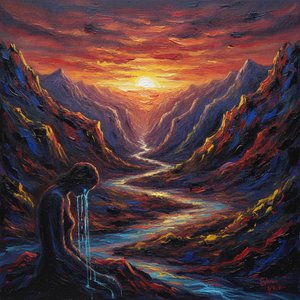
Capturing Emotion: A Journey Through the Soul of Expressionist Landscapes
Explore the profound emotional depth of Expressionist landscapes. Discover how Post-Impressionist masters moved beyond light to capture the soul through vibrant color and form. A curated journey for true art lovers seeking the beauty of expressive mastery.

Chasing Light: The Soulful Beauty and Eternal Legacy of Impressionist Landscapes
Discover the soulful beauty of Impressionist landscapes. Explore the mastery of Claude Monet and the revolution of light through expert art history insights and premium, hand-painted oil reproductions designed for discerning collectors.
აღმოაჩინეთ ხელოვნების ნაწარმოებები თემების, სტილისა და მახასიათებლების მიხედვით დაჯგუფებული.
