


 ნახვა ინტერьерში
 გაგზავნა
 გაზიარება
 დეტალები
 გზამკვლევი

 ჩამოტვირთვა
 მსგავსები
 რენტგენოგრაფიული კვლევა
 სლაიდშოუ
 სტატისტიკა
Untitled (960)

Discover Isabel Bishop's 'Untitled (960),' a captivating portrait of intimacy and rest. Explore urban realism & tender moments in this unique painting.
 სრული ტექსტის ნახვა
Isabel Bishop (1902-1988): American realist painter of NYC's Union Square & modern women. A Fourteenth Street School artist capturing urban 'unfixity'.
ხელით შესრულებული ზეთის საღებავით რეპროდუქცია
ტილოზე შესრულებული ფერწერიანი ზეთប្រდათი, თქვენთვის სასურველი ზომისა და ჩარჩოსთვის, ჩვენი ხელოვანების მიერ შეკვეთის საფუძველზე დამზადებული. ( გადართვა ბეჭდვის რეჟიმზე გადასვლა ციფრულ გამოსახულებაზე)




































სტანდარტული ზომა
ინდივიდუალური ზომა
CM
INCH
აირჩიეთ ჩვენს მიერ წინასწარ განსაზღვრული ზომებიდან, რომლებიც ნაწარმოების ორიგინალურ პროპორციებს შეესაბამება.
Loading sizes...

სიგანე
სიმაღლე
თქვენ შეგიძლიათ მიუთითოთ თქვენთვის სასურველი ზომები კონკრეტული ჩარჩოს ან სივრცის შესაბამისად. თუ თქვენ მიერ არჩეული ზომა არ შეესაბამება ორიგინალი გამოსახულების პროპორციებს, ჩვენ ან შევაჭრებთ ნაწარმოებს, ან ტილოზე დავამატებთ ხელით მოხატულ ელემენტებს. წარმოების დაწყებამდე, დასამტკიცებლად გამოგეგზავნებათ ციფრული მაკეტი.
გთხოვთ, გაითვალისწინოთ, რომ ეკრანზე ნაჩვენები წინასწარი შეხედულება არ ასახავს რეალურ შეჭრას ან გაფართოებას. საბოლოო კომპოზიციას ზუსტად მხოლოდ მაკეტი წარმოაჩენს.
მიუხედავად იმისა, რომ შესაძლებელია ინდივიდუალური ზომების შერჩევა, ორიგინალური პროპორციების შენარჩუნებისათვის გირჩევთ, გამოიყენოთ წინასწარ განსაზღვრული სიის ზომები.
რა შეიძლება შეიცვალოს: სახის ჩანაცვლება მომხმარებლის ფოტოთი; შინაური ცხოველის დამატება (მაგ., კატის ჩანაცვლება ძაღლით); ფონზე ფარული შეტყობინების დამატება; ფონის პეიზაჟის ან ელემენტების შეცვლა.
შეკვეთის შემდეგ, TopImpressionists.com გუნდი დაგიკავშირდებათ ელექტრონული ფოსტით ინსტრუქციებისთვის და გამოგიგზავნით წინასწარ ნახაზს (mockup).
შეკვეთის შემდეგ, TopImpressionists.com გუნდი დაგიკავშირდებათ ელექტრონული ფოსტით ინსტრუქციებისთვის და გამოგიგზავნით წინასწარ ნახაზს (mockup).
მიწოდება მსოფლიო მასშტაბით -ში 3/4 კვირაში, სტანდარტული 5 კვირის ნაცვლად. (26 სექტემბერი). ხარისხზე კომპრომისის გაკეთება არ მოხდება.

უფასო ექსპრეს მიწოდება მთელ მსოფლიოში

მაღალი ხარისხის ტილო

ტრანსპორტირების სრული დაზღვევა

საბაჟო გადასახადების დაბრუნების გარანტია

ფერების სრული შესაბამისობის გარანტია

დაბრუნების 100-დღიანი პერიოდი (მხოლოდ წარმოების დეფექტის შემთხვევაში)

100% თანხის სრული დაბრუნების გარანტია

ფასდაკლება დიდი რაოდენობით შეკვეთისას
 მინის ჩარჩოს არჩევანი ხელმისაწვდომია მხოლოდ 110 სმ-მდე ზომისთვის

Untitled (960)
რეპროდუქციის ტექნიკა
რეპროდუქციის ზომა
-


ჯამური ღირებულება
$ 269
Untitled (960) by Isabel Bishop: A Glimpse of Intimate Urban Life
“Untitled (960)” is a captivating work by American realist painter Isabel Bishop, offering a quiet and tender portrayal of domestic intimacy within an urban setting. The painting depicts two figures – a man and a woman – seemingly asleep or resting together, creating a scene imbued with warmth and tranquility. This piece exemplifies Bishop’s signature style: capturing fleeting moments of everyday life with remarkable sensitivity and observation.
The Scene and Artistic Technique
The composition centers on the couple lying close to one another, their heads gently touching. The man is positioned on the left, while the woman rests on the right, suggesting a shared moment of peace and connection. Their relaxed postures and closed eyes convey a sense of deep comfort and trust. The background features a soft, yellowish hue that bathes the scene in a gentle light, enhancing the feeling of warmth and intimacy. Details like the man’s white shirt and the woman's blue dress add subtle visual interest without distracting from the central subject. Notably, two books are present – one near the center-left and another towards the right – hinting at shared intellectual pursuits or perhaps a moment of reading before sleep overtook them.
Isabel Bishop: The Fourteenth Street School Artist
Isabel Bishop (1902-1988) was a prominent figure in the American realist art scene, particularly associated with the Fourteenth Street School. This group of artists, active primarily in New York City during the early to mid-20th century, sought to depict urban life with honesty and objectivity. Bishop’s work stands out for its focus on capturing candid moments of everyday people—often women—in public spaces like Union Square. Her artistic training was extensive, having studied at the Art Students League under influential artists such as Guy Pène du Bois and Kenneth Hayes Miller. From Miller, she adopted techniques rooted in Baroque Flemish painting, evident in her attention to detail and use of light.
Realism and Urban Unfixity
Bishop’s artistic philosophy revolved around capturing what she termed “urban unfixity”—the fleeting, ever-changing nature of city life. She wasn't interested in grand narratives or heroic subjects; instead, she focused on the quiet moments that defined daily existence. "Untitled (960)" perfectly embodies this approach, presenting a seemingly ordinary scene—a couple resting together—and elevating it to something profound through Bishop’s keen observation and sensitive portrayal. The painting avoids sentimentality, offering a realistic depiction of intimacy without resorting to cliché.
Symbolism and Emotional Impact
While seemingly straightforward, "Untitled (960)" carries subtle symbolic weight. The books suggest intellectual companionship and shared interests, while the intimate pose speaks to trust and affection. The warm color palette contributes to a feeling of serenity and contentment. Ultimately, the painting evokes a sense of quiet joy and peaceful connection—a reminder of the beauty found in simple moments of human intimacy within the bustling backdrop of urban life.
მხატვრის ბიოგრაფია
Isabel Bishop: A Life in Urban Realism
Early Life and Education
- Born: 1902, Cincinnati, Ohio.
- Isabel Bishop came from a background of intellectual privilege; her parents descended from established East Coast mercantile families. Her father was a scholar of Greek and Latin, while her mother pursued writing and early women’s suffrage activism.
- The family relocated to Detroit, where Bishop began formal art training at age 12 with life drawing classes at the John Wicker Art School.
- She initially moved to New York City at 16 to study illustration at the New York School of Applied Design for Women, but quickly transitioned to painting.
- Bishop attended the Art Students League from 1920-1924, studying with influential artists like Guy Pène du Bois and Kenneth Hayes Miller. From Miller, she adopted techniques rooted in Baroque Flemish painting.
- She also studied with Max Weber and Robert Henri, absorbing elements of early modernism. Time spent painting in Woodstock, New York during the 1920s further shaped her artistic development.
Artistic Development and Style
- Throughout the 1920s and 30s, Bishop developed a distinctive realist style focused on depicting women in their everyday lives within the bustling streets of Manhattan.
- Her work was deeply influenced by Old Masters, particularly Peter Paul Rubens and other Dutch and Flemish painters discovered during European travels. This influence is evident in her sensitive modeling of form and atmospheric density.
- Bishop’s style is characterized by a focus on capturing “unfixity”—the sense of movement, mobility, and fleeting moments within the urban landscape.
- She explored the interaction between form and ground, creating compositions that convey a dynamic energy. Her paintings often possess what has been described as "a submarine pearliness and density of atmosphere."
Themes and Subject Matter
- Urban Life: Bishop’s primary subject matter was the vibrant life of New York City, particularly around Union Square.
- Women in Modernity: She is celebrated for her sensitive and insightful portrayals of American women navigating modern urban existence. Her work often depicts their interactions and experiences within public spaces.
- Portraits & Nudes: Bishop created both individual portraits, emphasizing the subject’s expression, and solitary nude studies.
- Multiple-Figure Compositions: She pioneered compositions featuring two or more women engaged in everyday activities.
Career and Recognition
- Bishop began exhibiting frequently in the midtown galleries of New York City in 1932, establishing a consistent presence throughout her career.
- She maintained a loft studio near Union Square at 9 West Fourteenth Street from 1934 until 1984, despite residing in Riverdale with her husband, Dr. Harold G. Wolff (a neurologist), whom she married in 1934.
- Bishop was included in the first three Whitney Biennials (1932, 1934, and 1936) and participated in ten subsequent annual exhibitions at the Whitney Museum of American Art.
- She taught at the Art Students League from 1936 to 1937.
- In 1940, she was elected an associate member of the National Academy of Design and became a full member in 1941.
- Bishop created a post office mural, Great Men Came from the Hills, for New Lexington, Ohio, in 1938 through the Section of Painting and Sculpture.
Legacy and Historical Significance
- Isabel Bishop is a significant figure within the Fourteenth Street School, a loosely affiliated group of artists working around Union Square, including Reginald Marsh and the Soyer brothers.
- Her work contributes to discussions surrounding feminism and the representation of the “new woman” emerging in urban landscapes during the 20th century.
- In the mid-1940s, she illustrated a new edition of Jane Austen’s Pride and Prejudice, with her original drawings now held at the Pierpont Morgan Library.
- Bishop's paintings offer valuable insights into American social life during the 1930s-1970s, capturing the energy and complexities of a rapidly changing urban environment.

Isabel Bishop
1902 - 1988
მოკლე ფაქტები
- Birth Date: 1902
- Birth Place: Cincinnati, Ohio
- Death Date: 1988
- Influenced By: Guy Pène du Bois, Kenneth Hayes Miller, Peter Paul Rubens, Dutch and Flemish painters
- Movement: Fourteenth Street School, American Realism
- Name: Isabel Bishop
- Nationality: American
- Notable Works: Paintings of Union Square scenes, depictions of women in urban settings
მსგავსი სტატიები
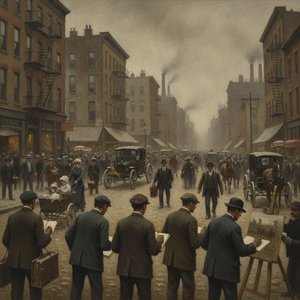
The Ashcan School: Capturing the Raw, Unfiltered Soul of Urban Life through American Realism
Discover the raw beauty of the Ashcan School. Explore how masters like Bellows and Henri captured the gritty, vibrant soul of early 20th-century New York through profound American Realism and evocative urban landscapes.

The Raw Truth: A Definitive Guide to the Power and Legacy of Social Realism Art
Explore the profound impact of Social Realism. Discover how masters like Courbet rejected idealism to capture the raw, socio-political truths of the working class through powerful, unvarnished art history and enduring visual critique.

The Unvarnished Truth: A Cultural Journey Through the Soul of American Realism
Explore the profound beauty of American Realism. From the Ashcan School's urban grit to intimate portraits, discover how artists captured the authentic soul of a nation through unvarnished truth and masterful observation.