

Shown: · With its frame:
 ნახვა ინტერьерში
 გაგზავნა
 გაზიარება
 დეტალები
 გზამკვლევი

 ჩამოტვირთვა
 მსგავსები
 რენტგენოგრაფიული კვლევა
 სლაიდშოუ
 Q&A
Q&A სტატისტიკა
₾ 700
ხელით შესრულებული ზეთის საღებავით რეპროდუქცია
ტილოზე შესრულებული ფერწერიანი ზეთប្រდათი, თქვენთვის სასურველი ზომისა და ჩარჩოსთვის, ჩვენი ხელოვანების მიერ შეკვეთის საფუძველზე დამზადებული. ( გადართვა ბეჭდვის რეჟიმზე გადასვლა ციფრულ გამოსახულებაზე)
Size
·სტანდარტული ზომა
ინდივიდუალური ზომა
CM
INCH
აირჩიეთ ჩვენს მიერ წინასწარ განსაზღვრული ზომებიდან, რომლებიც ნაწარმოების ორიგინალურ პროპორციებს შეესაბამება.
Loading sizes...

სიგანე
სიმაღლე
შეიყვანეთ თქვენთვის საჭირო სიგანე და სიმაღლე, რათა ნახატი მოერგოს თქვენს ჩარჩოს ან კედელს. ვინაიდან ეს ნამუშევარი ხელით არის შესრულებული, სხვა ფორმის ზომის შემთხვევაში, მხატვარმა შესაძლოა სურათის გარშემო ოდნავ მეტი დატოვოს ან შეამციროს — არჩევანი თქვენზეა. დაწყებამდე, დასამტკიცებლად, ჩვენ გამოგიგზავნით ციფრულ მაკეტს. ამ გვერდზე ნაჩვენები სურათი არ ასახავს რეალურ შედეგს — რეალური სახე მხოლოდ მაკეტზე ჩანს.
 გაეცანით მეტს
Finish
·
White ₾1

Blurside ₾1

Extended ₾1

P118B ₾10

P118H ₾10

P118W ₾10

P438Z ₾10

P508JH ₾12

P508YH ₾12

P805H ₾10

P805Z ₾10

P919BZ ₾10

P919G ₾10

P919XJ ₾10

P959ZH ₾10

P968JZ ₾12

W106C ₾8

W218G ₾10

W218JH ₾8

W218Y ₾10

W307PJ ₾10

W316G ₾10

W316PJ ₾8

W316Y ₾10

W398PJ ₾8

W4111J ₾10

W500HY ₾15

W500JH ₾15

W692G ₾12

W849H ₾8

W940BG ₾15

W953PJ ₾8

H24-GOLD ₾30

H24-SILVER ₾30

H36-GOLD ₾45

H36-SILVER ₾45
Shipped in a protective tube, ready for your own framer.
Above 105 cm the frame is shipped as a kit for a professional framer — read the details.
Extras
optionalWhat do the extras include?
Examples of what can be changed: Replace face with customer photo; Add pet (e.g., replace cat with dog); Include hidden message in background; Change background landscape or elements.
After order, TopImpressionists.com team will email client for instructions and provide a mockup preview
After order, TopImpressionists.com team will email client for instructions and provide a mockup preview
მიწოდება მსოფლიო მასშტაბით -ში 3/4 კვირაში, სტანდარტული 5 კვირის ნაცვლად. (29 ოქტომბერი). ხარისხზე კომპრომისის გაკეთება არ მოხდება.
დამცავი ლაქი
სახელოვანი ფირფიტა
დაკვეთილი ბრინჯაოს ფირფიტის დეტალები
This elegant plaque features the artist's name and the title of the artwork, finely engraved for a timeless presentation.
It is made from bronze with a refined, elegant finish. The text is precisely laser-engraved for a sharp and permanent result. Measuring 9x2 cm, the plaque is compact yet easy to read. It's built to be durable and scratch-resistant, offering a professional, museum-quality look. Mounting is simple thanks to the included adhesive backing.
აკრილის გამჭვირვალე ფირფიტის დეტალები
The plaque includes essential engraved details such as the artist's name, the title of the artwork, the date it was created, the type of media used-like oil on canvas or watercolor-a brief description of the piece, and a QR code that links to the complete artwork information.
It is crafted from clear acrylic, offering a sleek, modern appearance. The text is UV-engraved in black to ensure strong visual contrast. With a size of 10x15 cm, it ensures optimal readability. It comes equipped with two metal hooks for secure wall mounting. The plaque is designed to be weather-resistant, making it suitable for various environments, and it includes interactive features that work seamlessly with smartphone scanning.
შავი აკრილის ფირფიტის დეტალები
This elegant plaque includes engraved information such as the artist's name, the title of the artwork, the date it was created, the type of media used (like oil on canvas or watercolor), a short description of the artwork, and a QR code for quick access to more information.
The plaque itself is made from refined black acrylic with a premium finish. The text is laser-engraved in white for high contrast and readability. Its size is 10x15 cm, designed to be easy to read. It comes with two metal hooks for professional mounting. The design is sleek and fits any interior style. It is also weather-resistant and durable, with built-in digital integration for mobile compatibility.
მინის ჩარჩოს არჩევანი ხელმისაწვდომია მხოლოდ 110 სმ-მდე ზომისთვის
 მინის ჩარჩოს არჩევანი ხელმისაწვდომია მხოლოდ 110 სმ-მდე ზომისთვის
- უფასო ექსპრეს მიწოდება მთელ მსოფლიოში
- მაღალი ხარისხის ტილო
- ტრანსპორტირების სრული დაზღვევა
- საბაჟო გადასახადების დაბრუნების გარანტია
- ფერების სრული შესაბამისობის გარანტია
- დაბრუნების 100-დღიანი პერიოდი (მხოლოდ წარმოების დეფექტის შემთხვევაში)
- 100% თანხის სრული დაბრუნების გარანტია
- ფასდაკლება დიდი რაოდენობით შეკვეთისას


კოლექციონირებადი ნივთის აღწერა
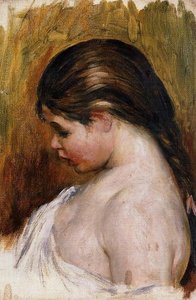
Discover "Reading Girl" by Izsák Perlmutter – a captivating Hungarian Impressionist painting of domestic life. Explore this timeless artwork & more at our gallery!
მხატვრის ბიოგრაფია
Explore Izsák Perlmutter’s captivating Hungarian paintings! Capturing rural life & portraits, his works showcase Impressionistic style & themes of daily existence.
About the painting
Quick facts and art quiz
About Izsak Perlmutter

Izsak Perlmutter
1886 - 1932
მხატვრის ბიოგრაფია
The Luminous Legacy of Izsák Perlmutter
In the vibrant tapestry of late nineteenth-century European art, few threads capture the ephemeral beauty of the Hungarian landscape as poignantly as the works of Izsák Perlmutter. Born in Pest in 1866, Perlmutter emerged from a period of profound cultural transformation in Bohemia and Hungary. While his name may not have commanded the widespread fame it deserved during his lifetime, his artistic vision—a delicate marriage of disciplined academic training and the spontaneous spirit of Impressionism—has undergone a significant revival among modern scholars. His oeuvre serves as a nostalgic window into a bygone era, reflecting the quiet dignity of rural life and the shifting light of the Danube basin through a lens of profound emotional depth.
Perlmutter’s journey toward his signature style began with a rigorous foundation at the Kunstakademie Düsseldorf. Under the mentorship of masters such as Wilhelm Leibl and Anton Melchers, he mastered the complexities of German academic painting. This period of his life was defined by an intense study of tonal gradation and the meticulous observation of the natural world. The influence of Leibl, in particular, instilled in Perlmutter a respect for the subtle interplay of light and shadow, providing him with the technical vocabulary necessary to later deconstruct form in favor of atmosphere. This duality—the tension between academic precision and experimental freedom—became the hallmark of his mature period.
A Mastery of Light and Atmosphere
As Perlmutter’s career progressed, he found himself increasingly drawn to the revolutionary currents of Impressionism. His travels through Europe, most notably his time spent absorbing the artistic energies of France, allowed him to move beyond the rigid boundaries of his early training. Inspired by the light-drenched scenes of Montmartre and Argenteuil, he began to prioritize the impression of a moment over its literal depiction. His canvases transitioned into shimmering washes of color, where the edges of objects softened into the surrounding air, creating a sense of movement and breath.
His technique was uniquely characterized by several key elements:
- Loose Brushwork: A rejection of fine detail in favor of energetic, visible strokes that convey texture and vitality.
- Glazing Techniques: The masterful application of thin, transparent layers of paint to achieve a luminous, ethereal glow.
- Atmospheric Perspective: Using color temperature and clarity to create depth, making the Hungarian countryside appear as though it were shrouded in a soft, morning mist.
Themes of Rural Life and Domesticity
The heart of Perlmutter’s work lies in his profound connection to the Hungarian landscape and its people. He possessed a rare ability to elevate the mundane into the monumental. Whether depicting the rhythmic labor of a Harvest or the serene, flowing waters of the Danube, his subjects are imbued with a sense of timelessness. His landscapes often feature rolling hills dotted with wildflowers and tranquil canals that reflect the ever-changing hues of the sky, capturing the very essence of the Hungarian countryside.
Beyond the vast horizons, Perlmutter also turned his gaze inward toward the intimacy of domestic life. In works such as Reading Girl, he captures quiet, contemplative moments of human existence, treating the interior world with the same reverence as the natural one. Through these varied themes—from the grand scale of river commerce in Ships On The Danube At The Pillar Of The Chain Bridge to the solitary peace of a domestic scene—Perlmutter created a cohesive visual language that celebrates the beauty found in both the expansive and the intimate. His historical significance remains rooted in this ability to bridge the gap between the structured traditions of the past and the emotive, light-focused innovations of the modern age.
Quick facts about Izsak Perlmutter
- Full Name: Izsák Perlmutter
- Nationality: Hungarian
- Date Of Birth: 1886
- Date Of Death: 1932
- Place Of Birth: Pest, Hungary
- Notable Artworks: ['Ships On The Danube']
- Artistic Movement Or Style: Impressionism
მსგავსი ნამუშევრები




Izsak Perlmutter
Reading Girl
() ·
With its frame: · Hand-painted in oil on linen
Total