

Shown: · With its frame:
 ნახვა ინტერьерში
 გაგზავნა
 გაზიარება
 დეტალები
 გზამკვლევი

 ჩამოტვირთვა
 მსგავსები
 რენტგენოგრაფიული კვლევა
 სლაიდშოუ
 Q&A
Q&A სტატისტიკა
 ზეთი ტილოზე
- კედლის ხელოვნება
- Baroque
 1566
1566- რენესანსი
 285.0 x 400.0 cm
 скуола гранде ди сан рокко
₾ 895
ხელით შესრულებული ზეთის საღებავით რეპროდუქცია
ტილოზე შესრულებული ფერწერიანი ზეთប្រდათი, თქვენთვის სასურველი ზომისა და ჩარჩოსთვის, ჩვენი ხელოვანების მიერ შეკვეთის საფუძველზე დამზადებული. ( გადართვა ბეჭდვის რეჟიმზე გადასვლა ციფრულ გამოსახულებაზე)
Size
·სტანდარტული ზომა
ინდივიდუალური ზომა
CM
INCH
აირჩიეთ ჩვენს მიერ წინასწარ განსაზღვრული ზომებიდან, რომლებიც ნაწარმოების ორიგინალურ პროპორციებს შეესაბამება.
Loading sizes...

სიგანე
სიმაღლე
შეიყვანეთ თქვენთვის საჭირო სიგანე და სიმაღლე, რათა ნახატი მოერგოს თქვენს ჩარჩოს ან კედელს. ვინაიდან ეს ნამუშევარი ხელით არის შესრულებული, სხვა ფორმის ზომის შემთხვევაში, მხატვარმა შესაძლოა სურათის გარშემო ოდნავ მეტი დატოვოს ან შეამციროს — არჩევანი თქვენზეა. დაწყებამდე, დასამტკიცებლად, ჩვენ გამოგიგზავნით ციფრულ მაკეტს. ამ გვერდზე ნაჩვენები სურათი არ ასახავს რეალურ შედეგს — რეალური სახე მხოლოდ მაკეტზე ჩანს.
 გაეცანით მეტს
Finish
·
White ₾1

Blurside ₾1

Extended ₾1

P118B ₾10

P118H ₾10

P118W ₾10

P438Z ₾10

P508JH ₾12

P508YH ₾12

P805H ₾10

P805Z ₾10

P919BZ ₾10

P919G ₾10

P919XJ ₾10

P959ZH ₾10

P968JZ ₾12

W106C ₾8

W218G ₾10

W218JH ₾8

W218Y ₾10

W307PJ ₾10

W316G ₾10

W316PJ ₾8

W316Y ₾10

W398PJ ₾8

W4111J ₾10

W500HY ₾15

W500JH ₾15

W692G ₾12

W849H ₾8

W940BG ₾15

W953PJ ₾8

H24-GOLD ₾30

H24-SILVER ₾30

H36-GOLD ₾45

H36-SILVER ₾45
Shipped in a protective tube, ready for your own framer.
Above 105 cm the frame is shipped as a kit for a professional framer — read the details.
Extras
optionalWhat do the extras include?
Examples of what can be changed: Replace face with customer photo; Add pet (e.g., replace cat with dog); Include hidden message in background; Change background landscape or elements.
After order, TopImpressionists.com team will email client for instructions and provide a mockup preview
After order, TopImpressionists.com team will email client for instructions and provide a mockup preview
მიწოდება მსოფლიო მასშტაბით -ში 3/4 კვირაში, სტანდარტული 5 კვირის ნაცვლად. (31 ოქტომბერი). ხარისხზე კომპრომისის გაკეთება არ მოხდება.
დამცავი ლაქი
სახელოვანი ფირფიტა
დაკვეთილი ბრინჯაოს ფირფიტის დეტალები
This elegant plaque features the artist's name and the title of the artwork, finely engraved for a timeless presentation.
It is made from bronze with a refined, elegant finish. The text is precisely laser-engraved for a sharp and permanent result. Measuring 9x2 cm, the plaque is compact yet easy to read. It's built to be durable and scratch-resistant, offering a professional, museum-quality look. Mounting is simple thanks to the included adhesive backing.
აკრილის გამჭვირვალე ფირფიტის დეტალები
The plaque includes essential engraved details such as the artist's name, the title of the artwork, the date it was created, the type of media used-like oil on canvas or watercolor-a brief description of the piece, and a QR code that links to the complete artwork information.
It is crafted from clear acrylic, offering a sleek, modern appearance. The text is UV-engraved in black to ensure strong visual contrast. With a size of 10x15 cm, it ensures optimal readability. It comes equipped with two metal hooks for secure wall mounting. The plaque is designed to be weather-resistant, making it suitable for various environments, and it includes interactive features that work seamlessly with smartphone scanning.
შავი აკრილის ფირფიტის დეტალები
This elegant plaque includes engraved information such as the artist's name, the title of the artwork, the date it was created, the type of media used (like oil on canvas or watercolor), a short description of the artwork, and a QR code for quick access to more information.
The plaque itself is made from refined black acrylic with a premium finish. The text is laser-engraved in white for high contrast and readability. Its size is 10x15 cm, designed to be easy to read. It comes with two metal hooks for professional mounting. The design is sleek and fits any interior style. It is also weather-resistant and durable, with built-in digital integration for mobile compatibility.
მინის ჩარჩოს არჩევანი ხელმისაწვდომია მხოლოდ 110 სმ-მდე ზომისთვის
 მინის ჩარჩოს არჩევანი ხელმისაწვდომია მხოლოდ 110 სმ-მდე ზომისთვის
- უფასო ექსპრეს მიწოდება მთელ მსოფლიოში
- მაღალი ხარისხის ტილო
- ტრანსპორტირების სრული დაზღვევა
- საბაჟო გადასახადების დაბრუნების გარანტია
- ფერების სრული შესაბამისობის გარანტია
- დაბრუნების 100-დღიანი პერიოდი (მხოლოდ წარმოების დეფექტის შემთხვევაში)
- 100% თანხის სრული დაბრუნების გარანტია
- ფასდაკლება დიდი რაოდენობით შეკვეთისას


კოლექციონირებადი ნივთის აღწერა
Tintoretto-ს "ეკჩევொმ" - რენესანსული ნამუშევარი, სულის ტრაბান্ট და სასწაულებრივი დეტალები. შეექ hãy შემოიყავით ამ ვენეციელ მხატვარისა და 16 საუკუნეების ნამუშევარს! აღმოაჩინეთ თქვენი საკუთარი ნ précieრ.
მხატვრის ბიოგრაფია
ვენეციის რენესანსის გენიოსი, ჯაკოპო ტინტორეტო! აღმოაჩინეთ მისი დრამატული კომპოზიციები, ინოვაციური სტილი და შთამბეჭდავი ნაშრომები, როგორებიცაა "წარმატება". ერთ-ერთი უდიდესი ვენეციელი მხატვარი!
About the painting
"Ecce Homo": Tintoretto’s Unflinching Portrait of Sorrow
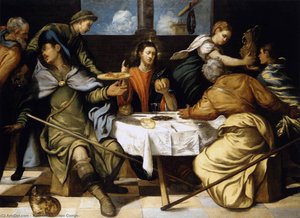
The year is 1566. Venice, a city pulsating with artistic fervor and the echoes of empire, witnesses the completion of Jacopo Tintoretto’s monumental “Ecce Homo.” This isn't merely a depiction of a biblical scene; it’s a visceral plunge into the heart of human suffering, a testament to injustice rendered in oil on canvas. Measuring an imposing 285 by 400 centimeters, the painting commands attention, drawing the viewer into a world of profound grief and unsettling contemplation. Tintoretto, already known as “Il Furioso” for his dynamic style, pushes the boundaries of Venetian Renaissance art, foreshadowing the dramatic intensity that would define the Baroque era.
A Composition of Chaos and Control
At its core, "Ecce Homo" presents a pivotal moment from the Passion of Christ – Pontius Pilate offering Jesus to the jeering crowd. Tintoretto masterfully avoids a literal representation, instead constructing a scene brimming with controlled chaos. The pyramidal composition, anchored by Christ’s body in the center, directs the eye upwards, emphasizing his vulnerability against the swirling mass of onlookers. Notice how the figures aren't static; they surge forward, reacting to the spectacle, creating a sense of overwhelming urgency. The artist’s brushwork is anything but delicate – bold, decisive strokes define every form, conveying movement and emotion with remarkable power. The layering of architectural elements—fragments of buildings, arches—adds depth and complexity, while the flattened perspective, characteristic of Renaissance painting, subtly enhances the dramatic effect.
Color as a Weapon: Light and Shadow
Tintoretto’s genius lies not just in his composition but also in his masterful manipulation of color and light. The palette is dominated by rich, warm tones – deep reds, browns, and golds—evoking both the brutality of Christ's suffering and the solemnity of the occasion. These fiery hues are juxtaposed with cooler blues and whites, strategically used to highlight key figures and create a sense of spatial depth. The dramatic use of chiaroscuro – the stark contrast between light and shadow – is particularly striking. It sculpts Christ’s form, accentuating his physical agony while simultaneously imbuing him with an almost ethereal quality. The impasto technique, visible in areas like clothing and skin, adds a tactile richness to the painting, inviting closer inspection.
Symbolism Woven into the Narrative
"Ecce Homo" is laden with symbolic meaning beyond its immediate narrative. The draped cloth covering Christ’s body—a gesture of both purity and vulnerability—is profoundly moving. It speaks to the inherent tragedy of his fate, highlighting his innocence in the face of overwhelming condemnation. The expressions on the faces of the onlookers – a mixture of scorn, disbelief, and perhaps even a flicker of doubt – underscore the human element of this divine drama. The painting isn’t simply about Christ's suffering; it’s about humanity’s capacity for cruelty and indifference. It prompts us to confront uncomfortable truths about power, justice, and faith.
A Legacy of Dramatic Vision
Tintoretto’s “Ecce Homo” stands as a cornerstone of Venetian Renaissance art, profoundly influencing generations of artists. His innovative techniques—dynamic composition, dramatic lighting, and bold color usage—laid the groundwork for the Baroque style. Reproductions of this masterpiece can bring a touch of Venetian grandeur to any setting, offering a powerful statement piece for grand spaces like libraries or dining rooms. Its emotional intensity makes it an ideal addition to interior design projects seeking to evoke a sense of drama and contemplation. The painting’s enduring appeal lies in its ability to connect us with the timeless themes of suffering, redemption, and the human condition.
კითხვები და პასუხები
აჩვენებს თუ არა "ეკჩევொმ" მკვეთრ სინათლისა და სიბნელის კონტრასტს?
ჯაკოპო ტინტორეტო-ის „ეკჩევொმ“-ის კონტრასტის დონე არის განცხადება.
როგორ ერთიანდება მოძრაობა და ეპოქა ჯაკოპო ტინტორეტო-ის „ეკჩევொმ“-ში?
ჯაკოპო ტინტორეტო-ის „ეკჩევொმ“-ში Baroque სტილით შეხვედრა ხდება რენესანსი ეპოქასთან.
ჯაკოპო ტინტორეტო-ის „ეკჩევொმ“ ღია ფერების ნამუშევარია თუ მუქი?
ჯაკოპო ტინტორეტო-ის „ეკჩევொმ“-ისთვის დაფიქსირებული მნიშვნელობებია: ღრმა ჩრდილი სიკაშკაშე, მუქი განათება.
Quick facts and art quiz
About ჯაკოპო ტინტორეტო

ჯაკოპო ტინტორეტო
1518 - 1594, იტალია
მხატვრის ბიოგრაფია
Jacopo Tintoretto: ვენეციის დრამის და ნათლის მხატვარი
ვენეციის ოქროს ხანის ერთ-ერთი ყველაზე მნიშვნელოვანი ფიგურა, Jacopo Tintoretto (1518-1594) იყო გამორჩეული მხატვარი, რომელმაც რენესანსისა და ბაროკოს საუკუნეთაშორისო ხიდი გა构. მისი სახელი, "Tintoretto" - "პატარა ფერმკეცი", მამის პროფესიას უკავშირდება, თუმცა ეს სახელი ვერ ასახავს მის უზადისებრივ ხელოვნებას. სხვა ბევრ მოქცეულ მხატვრს, ვისაც ხელობის საფუძველი მასწავლებლთან სწავლაში ჰქონდა, Tintoretto-მ თავი თვითონ ააშენა, შეუდარებელი მნათობელი და ინოვატორი იყო. თუმცა ცნობილია, რომ მან მოკლე დროით ტიციანის სტუდიას ესტუმრა, რომელიც ვენეციის ფერწერის უმაღლესი მასტერად ითვლებოდა, ამ გამოცდილებამ უფრო კონფლიქტის გზაზე წააგო. ტიციანის შესაძლო უკმაყოფილება ახალგაზრდა Jacopo-ს მიმართ, რომელიც მისი ნიჭით აღფრთოვანებული იყო, Tintoretto-მ დამოუკიდებელი გზა აირჩია - გულაციური ექსპერიმენტებისკენ, სადაც უნიკალური დინამიკური სტილი გამოაცხადა.
Tintoretto-მ საკუთარი თავი ანატომიის შესწავლისთვის მიუძღვნა, ხშირად ცხედრების განიერებას უწევდა, და თავისი ხელობაზე ზრუნვას არ იშურებდა, კლასიკური ქანდაკებებსა და სხვა მოქცეული მხატვრების ნაწარმოებებს კოპირებით. ეს ერთგულება საფუძველი გახადა მისთვის იმ კარიერისთვის, რომელმაც ვენეციური ფერწერა სრულებით შეცვალა. მისი ადრეული ნაშრომები უკვე მიანიშნებდა ტრადიციული ვენეციური კანონებისგან გასვლისკენ. ტიციანის გავლენას ფერებში აღიარებდა, თუმცა Tintoretto მიმართავს მიქელანჯელოს ძლიერ ფიგურებსა და დრამატულ კომპოზიციებს. ამ ორივე ელემენტის სინთეზირება მისმა უნიკალურმა სტილმა განათხოვნა, რომელსაც ხასიათდებოდა წაგრძელებული ფორმები, მოქცეული დრაპერიები და პერსპექტივის ინოვაციური გამოყენებით, რომელიც ხშირად ქმნიდა მომატებულ სიღრმის გრძნობასა და მოძრაობას.
"Il Furioso": ფიროსის სახელი
Tintoretto-ს მხატვრული განვითარება თითქმის ცხ的热热情ით იყო ნიშანი, რაც მას "Il Furioso" - "გაბრაზებული" ტიტულს დაიმსახურა. ეს ტიტული მხოლოდ მისი სამუშაოების ტემპის აღწერილობა არ იყო, არამედ მისი ტილოებში არსებული ინტენსივობისა და ემოციური მუხტის გამომხატველიც. მისი ადრეული ნაშრომები უკვე მიანიშნებდა ტრადიციულ ვენეციურ კონვენციებისგან განსხვავებაზე. Tintoretto-მ, ფერებში ტიციანის გავლენას აღიარებდა, მაგრამ მიქელანჯელოს ძლიერ ფიგურებსა და დრამატულ კომპოზიციებს უპირისპირდა. ამ ორივე ელემენტის სინთეზირება მისმა უნიკალურმა სტილმა განათხოვნა, რომელსაც ხასიათდებოდა წაგრძელებული ფორმები, მოქცეული დრაპერიები და პერსპექტივის ინოვაციური გამოყენებით, რომელიც ხშირად ქმნიდა მომატებულ სიღრმის გრძნობასა და მოძრაობას. მან თავი აარიდებს მისი თანამედროვენების მიერ დაფასებული ფრთხილ მზარცს, ნაცვლად ამისა ირჩევდა სწრაფ, თითქმის ესკიზურ ბრთაყვნელს, რომელიც უახლოვებასა და პირველყოფილი ემოციას აჩქარებდა. ეს ტექნიკა, მისი გამაოგნებელი სინამდების და ნათვლის მასშტაბური მანიპულირების წყობით, შეუდარებელი დრამის და ფსიქოლოგიური ინტენსივობის სცენებს ქმნის. ის 단순하게 γεγονობებს არ აღწერდა; ის მათი ემოციურ არსს გადასაზარებდა.
San Rocco: უდიდესი მიღწევა
Tintoretto-ს პროდიქტიული სამუშაოები ათწლეულებს მოიცავს, რელიგიურ თხრობებს, ისტორიულ ალეგორიებსა და პორტრეტებს. თუმცა, მისი ყველაზე მნიშვნელოვანი მიღწევა Scuola Grande di San Rocco-სთვის შექმნილი ტილოების ციკლში მდებარეობს, ვენეციური კონფრატერნული საზოგადოება რომელიც წმინდა როქს ეძღარება. ხუთ ათეულ წლის განმავლობაში, Tintoretto-მ Scuola-ს დარბაზები 60-ზე მეტი ტილოებით მოამ adornა, მას რწმენასა და ადამიანურ გამოცდილებასთან დაკავშირებული ვიზუალური 증거ად გარდაქმნა. "The Last Supper"-ის მსგავსი ნაშრომები, რომელიც მისი ცხოვრების ბოლოს დასრულდა, აჩვენებს პერსპექტივასთან და კომპოზიციასთან დაკავშრებით მისი მუდმივ ექსპერიმენტს. ტრადიციულ պատკერილებთან საწინააღმდეგოდ, Tintoretto სცენას დრამატულად განათებულ, არქიტექტონულად 불안정한 სივრცეში ათავსებს, რომელიც ქრისტიანის უკანასკნელი δείπνου მოძმეთა ემოციურ ტკივილს ხაზს უსვამს. სხვა მნიშვნელოვანი ნაშრომებია "The Miracle of St Mark Freeing the Slave", დინამიკური კომპოზიციის და წინასწარ შეფარდების შესანიშნავი გამოჩენა, და ვენეციურ ეკლესიებსა და სასახლეებში მისი ტილოები, რომლებიც მას მასშტაბის და საყვარელ მოთხრობის მხატვრულობას აჩვენებენ. ეს მონუმენტური პროექტები Tintoretto-ს რეპუტაციას ერთ-ერთ ყველაზე მნიშვნელოვან ვენეციურ მხატვრად განამტკიცეს.
ისტორიული მნიშვნელობა და მემკვიდრეობა
Jacopo Tintoretto 1594 წელს ვენეციაში გარდაიცვალა, მას შემდეგ რაც უკან ტოვებს დიდ და გავლენიან ნაშრომებს. მან რენესანსსა და ბაროკოს პერიოდს შორის ხიდი გა构, წინასწარ განსაზღვრა ბოლოში მახეობრივი სტილის ინოვაციები. მისი დრამატული კომპოზიციები, გამოხატვითი ბრთაყვნელები და ნათვლისა და ჩრდილის ინოვაციური გამოყენება βαθιά επηρέασε მხატვრებს, როგორიცაა კარაਵਾჯო, რემბრანდი და დელაკროაში. ის 단순하게 მხატვარი არ იყო; ის ვიზუალური მოთხრობელია, რომელმაც შეი öğrendნა როგორ გამოიყენოს ხელოვნების ძალა ემოციას აღძეროს და შთაინთქმევა. ტიციანთან და पाओლო ვერონესთან ერთად, როგორც 16-ე საუკუნის ვენეციური სამების ერთ-ერთი წევრი, Tintoretto-მ მნიშვნელოვანი როლი ითამაშა ვენეციის ოქროს ხანის მხატვ
Quick facts about ჯაკოპო ტინტორეტო
- Artistic Movement Or Style: რენესანსი, მანერიზმი
- Artists Or Movements Influenced By This Artist:
- კარავაჯო
- ბაროკოს დიდოსტატები
- Artists Who Influenced This Artist:
- ტიციანი
- მიქელანჯელო
- Date Of Birth: 1518 წლის ბოლო září ან ადრეული ოქტომბერი
- Date Of Death: 1594 წლის 31 მაისი
- Full Name: ჯაკოპო ტინტორეტო
- Nationality: იტალიელი
- Notable Artworks:
- წმინდა მარკოსი
- ბოლო საქმეება
- ქალწულის აღსრულება
- Place Of Birth: ვენეცია, იტალია
აღმოაჩინეთ ხელოვნების ნაწარმოებები თემების, სტილისა და მახასიათებლების მიხედვით დაჯგუფებული.




ჯაკოპო ტინტორეტო
ეკჩევொმ
() ·
With its frame: · Hand-painted in oil on linen
Total