

 ნახვა ინტერьерში
 გაგზავნა
 გაზიარება
 დეტალები
 გზამკვლევი

 ჩამოტვირთვა
 მსგავსები
 რენტგენოგრაფიული კვლევა
 სლაიდშოუ
 Q&A
Q&A სტატისტიკა
Christ on the Cross

- 276.0 x 188.0 cm


 სრული ტექსტის ნახვა
ქართველი მხატვარი და ნეო კლასიკური სტილის გამორჩეული წარმომადგენელი იყო საფრანგეთის რევოლუციისა და ნაპოლეონის ეპოქაში. მისი ყველაზე ცნობილი படைப்புகள்ა არ არის „მშვიდობის სა sworeთქმელი“ და „მარი დე მატის სიკვდილი“, რომელთა სტილმაც და ტექსტმაც შეძლო საფრანგეთის ისტორიული მნიშვნელობას და პოპულარობას გააძლიეროს და მომავალ თა générationsს მიაწოდოს.
გიკლე / ხელოვნების პრინტი
მუზეუმის დონის ჟიკლე ან ტილოზე ბეჭდვა სწრაფი წარმოებისა და დასრულების მოქნილი ვარიანტებით. ( შეიძინეთ ხელით შესრულებული ნახატი გადასვლა ციფრულ გამოსახულებაზე)




P118B ₾10

P118H ₾10

P118W ₾10

P438Z ₾10

P508JH ₾12

P508YH ₾12

P805H ₾10

P805Z ₾10

P919BZ ₾10

P919G ₾10

P919XJ ₾10

P959ZH ₾10

P968JZ ₾12

W106C ₾8

W218G ₾10

W218JH ₾8

W218Y ₾10

W307PJ ₾10

W316G ₾10

W316PJ ₾8

W316Y ₾10

W398PJ ₾8

W4111J ₾10

W500HY ₾15

W500JH ₾15

W692G ₾12

W849H ₾8

W940BG ₾15

W953PJ ₾8




სტანდარტული ზომა
ინდივიდუალური ზომა
CM
INCH
აირჩიეთ ჩვენს მიერ წინასწარ განსაზღვრული ზომებიდან, რომლებიც ნაწარმოების ორიგინალურ პროპორციებს შეესაბამება.
Loading sizes...

სიგანე
სიმაღლე
შეიყვანეთ თქვენთვის საჭირო სიგანე და სიმაღლე, რათა იგი მოერგოს თქვენს ჩარჩოს ან კედელს. ბეჭდვისას შესაძლებელია მხოლოდ მისი შემცირება და არა გაზრდა, ამიტომ სხვა ფორმის ზომის შემთხვევაში გამოსახულება ნაწილობრივ იკარგება. სანამ რაიმეს დაბეჭდავთ, ჩვენ გამოგიგზავნით ციფრულ მაკეტს დასდასტურებლად. ამ გვერდზე ნაჩვენები სურათი არ ასახავს რეალურ ჭრას — ამას მხოლოდ მაკეტი გვიჩვენებს.
მიწოდება მთელ მსოფლიოში () 2 კვირაში, სტანდარტული 4/5 კვირის ნაცვლად. (31 ოქტომბერი)

უფასო ექსპრეს მიწოდება მთელ მსოფლიოში

მაღალი ხარისხის ტილო

ტრანსპორტირების სრული დაზღვევა

საბაჟო გადასახადების დაბრუნების გარანტია

ფერების სრული შესაბამისობის გარანტია

დაბრუნების 100-დღიანი პერიოდი (მხოლოდ წარმოების დეფექტის შემთხვევაში)

100% თანხის სრული დაბრუნების გარანტია

ფასდაკლება დიდი რაოდენობით შეკვეთისას
 მინის ჩარჩოს არჩევანი ხელმისაწვდომია მხოლოდ 110 სმ-მდე ზომისთვის

Christ on the Cross
გიკლე / ხელოვნების პრინტი
რეპროდუქციის ზომა
-


ჯამური ღირებულება
₾ 180
A Monumental Testament to Faith: Jacques-Louis David’s “Christ on the Cross”
The painting "Christ on the Cross," executed by Jacques-Louis David in 1782, stands as a cornerstone of Neoclassical art and a profound meditation on Christian iconography. More than just a depiction of suffering, it embodies the intellectual fervor and moral aspirations that characterized France during the twilight years of the Bourbon monarchy – a period grappling with burgeoning Enlightenment ideals while clinging to traditions rooted in centuries of religious devotion. David’s masterful rendering captures not merely physical pain but also an overwhelming spiritual anguish, reflecting the anxieties and uncertainties simmering beneath the surface of aristocratic society.The Style and Technique: Classical Precision Meets Emotional Depth
David's approach to painting distinguishes itself from the ornate excesses of Rococo through its unwavering commitment to classical principles. Influenced heavily by Michelangelo’s Pietà and Roman sculpture, he meticulously studied anatomical accuracy and idealized form—elements considered paramount in conveying moral virtue and intellectual seriousness. The canvas employs a pyramidal composition, mirroring architectural grandeur and reinforcing Christ's central position as the focal point of divine grace. David utilized oil paints on canvas with painstaking detail, layering glazes to achieve luminous skin tones and capturing subtle nuances of expression. This technique prioritizes clarity and restraint, eschewing frivolous ornamentation for an austere beauty that speaks directly to the viewer’s intellect and conscience.Historical Context: A Nation Seeking Redemption
Painted just before the eruption of the French Revolution, “Christ on the Cross” reflects a palpable yearning for moral reform within the aristocracy. The Bourbon monarchy was facing increasing pressure from Enlightenment thinkers who questioned papal authority and championed reason over dogma—a clash that threatened to destabilize the established order. David’s artwork served as a visual manifesto for these sentiments, presenting Christ as an embodiment of compassion, humility, and sacrifice – virtues deemed essential for rebuilding a fractured nation. The painting's solemn grandeur resonated powerfully with audiences eager for symbols of stability and moral fortitude amidst growing social unrest.Symbolism: Layers of Meaning Beyond the Visible
The iconography within “Christ on the Cross” is rich in symbolic significance. Christ’s outstretched arms represent universal suffering and divine compassion, mirroring the biblical narrative of atonement. The wounds on his body symbolize spiritual purification and foreshadow the resurrection—a cornerstone of Christian faith. The figures flanking Christ – believed to be Saint Mary Magdalene and Nicodemus – embody unwavering devotion and contemplation. Even the bird perched atop the cross is interpreted as representing hope and divine providence, reminding viewers that suffering ultimately leads to salvation.Emotional Impact: A Portrait of Spiritual Suffering
David’s depiction transcends mere visual representation; it strives to evoke profound emotional response. The artist skillfully conveys Christ's agony through subtle gestures and facial expressions—a gaze filled with sorrow and vulnerability—capturing the essence of human experience confronted by divine majesty. The painting compels viewers to contemplate themes of sacrifice, compassion, and redemption, prompting introspection on matters of faith and morality. It remains a testament to David’s ability to transform artistic skill into a vehicle for conveying enduring spiritual truths – an achievement that secures its place as one of the most iconic images of Christian iconography.კითხვები და პასუხები
Ժაკ-ლუი დავიდ-ის შემოქმედების რომელ პერიოდს მიეკუთვნება „Christ on the Cross“?
"Christ on the Cross" ეკუთვნის Ժაკ-ლუი დავიდ-ის შემოქმედებითი კარიერის Mature Period პერიოდს. ეს კლასიფიკაცია ნამუშევარს ხელოვანის შემოქმედებითი განვითარების ეტაპთან აკავშირებს.
როგორ არის აგებული Ժაკ-ლუი დავიდ-ის „Christ on the Cross“-ის ფეროვანი კომპოზიცია?
Ժაკ-ლუი დავიდ-ის „Christ on the Cross“-ის ფერების ანალიზი ასახავს Serene კონტრასტს და Softly Mixed Palette ჰარმონიას.
სად შემიძლება "Christ on the Cross"-ის შესახებ სახელმძღვანელოს პოვნა?
გზამკვლევი „Christ on the Cross“-ისთვის არის ნამუშევრის გზამკვლევი გვერდი - დასაბეჭდი ფაქტების ფურცელი, რომელიც წარმოაჩენს ნამუშევარს თავისი აღწერილობით, ავტორობის მითითებითა და იდენტიფიკაციის ცხრილით (ავტორი, თარიღები, ტექნიკა, ორიგინალის ზომა, კოლექცია).
მხატვრის ბიოგრაფია
Jacques-Louis David: რევოლუციის ხატოვანი მხედარი
ჟაკ-ლუი დავიდი (1748-1825) ფრანგი ζωγράა, რომელსაც საფრანგეთის ისტორიაში განსაკუთრებული ადგილი უკავია. იგი არა მარტო გამოჩენილი მხატვარი იყო, არამედ ეპოქის ანარეკლი – რევოლუციის, იმპერატორის ხელისუფლების და შემდგომი აღმავლობის მოწმე და მონაწილე. მისი ნაწარმოებები დღემდე შთრაგანიერებს მაყურებლებს თავიანთი სიმძლავრითა და ისტორიული მნიშვნელობით.
დავიდი დაიბადა პარიზში, ხელოვანი ოჯახში. ადრეულმა სიკვდილმა მამა მოაცილა მას, რის შედეგადაც დედამისი ბიძების ზრუნვის სა care 맡ოდა. სწორედ მათ უზრუნველყვეს მისი მხატვრული განათლება, რომელიც ფრანსუა ბუშესთან დაიწყო, თუმცა მალევე გადაინتقلდა ჟოზეფ-მარტენ ვიანის სახელოსნოში, სადაც გაიცნო კლასიციზმის პრინციპები და ისტორიული ჟანრის მნიშვნელობა. რომაში მოგზაურობამ, რომელიც პრიზ დე რომის წყალობით გახდა შესაძლებელი, მას უნიკალური შანსი მისცა იხილა ანტიკური ხელოვნების შედევრები და გაღრმავებულიყო კლასიკურ ტრადიციებში.
კლასიციზმის აღმასვლა და "ორატიების ფსალმუნი"
დავიდის შემოქმედებაში მნიშვნელოვანი გარდაქმნა მოხდა, როდესაც მან უარი განაცხადა როკოკოს ზედმეტი მორთულության და მსუბუქ თემებზე. იგი მიმართა ანტიკური ხელოვნების სიმკვეთრას, წესრიგსა და სულიერ მნიშვნელობას. მისი გამარჯვება მოვიდა "ორატიების ფსალმუნით" (1784), რომელმაც საზოგადოებაში შთბერვა გამოიწვია. ეს ტილო არა მხოლოდ მხატვრული ნაწარმოები იყო, არამედ პატრიოტობისა და თავდადების სიმბოლოდაც იქცა. მისი მკაფიო კომპოზიცია, დრამატიული განათება და ზუსტი ხაზები რევოლუციური იყო იმ დროს არსებულ ხელოვნებაში.
რევოლუციის ეპოქა: ხელოვნება პოლიტიკის მომსახურებაში
ფრანგული რევოლუციის მოძრაობისას დავიდი აქტიურად ჩართულა საქმეებში, მხარს უჭერდა რესპუბლიკურ იდეალებს და ხელოვნებას ხმარავდა საზოგადოებრივი აზროვნების ფორმირებისთვის. მან შექმნა ცნობილი ტილო "მარატის სიკვდილი" (1793), რომელიც რევოლუციონერთა შორის მártir-ის სახედ აღიქვა. ეს ნაწარმოები, თავისი სიმშვიდითა და ემოციური ძალით, დღემდე შთაინთ压ებს მაყურებლებს. რევოლუციის დროს მან მნიშვნელოვანი პოლიტიკური თანამდებობებიც კი დაიკავა, თუმცა რობესპიერისDownfall-ის შემდეგ მას გატანა სასიادیო.
ნაპოლეონის ეპოქა: იმპერიული დიდება ტილოებზე
დავიდი შეგნებულად მოერგო დროის ცვალებებს დაaligned himself with Napoleon Bonaparte-ს. მან შექმნა მრავალი ტილო, რომელიც აღწერდა ნაპოლეონის გამარჯვებებსა და დიდებას. "ალპებზე გადამკვეთი ნაპოლეონი" (1801-1805) მისი ყველაზე ცნობილი ნაწარმოებრიდან ერთია – მასტერული პროპაგანდისტური ტილო, რომელიც ნაპოლეონს გმირობითი და თითქმის მითოლოგიური ფიგურად წარმოგვიდგენს. "ნაპოლეონის კორონაცია" (1807) კიდევ ერთი მნიშვნელოვანი ტილოა, რომელიც იმპერიული ცერემონიალის ოპulentsა და დიდებულებას ასახავს.
მემკვიდრეობა და გავლენა
ბურბონების აღდგენის შემდეგ, დავიდი იძულებული გახდა ემიგრაციაში წასულიყო ბრიუსელში. თუმცა, მისი გავლენა საფრანგეთის ხელოვნებაზე არ შეწყვიტა. მან არაერთმა მოწაფემ გაზარდა, მათ შორის ჟან-ოგიუสต์-დომინიკ ინგრმა, რომელიც კლასიციზმის ერთ-ერთი უმნიშვნელოვანესი მხატვარი გახდა. დავიდის ძირითადი მიღწევრები: კლასიციზმის დამკვეთრება საფრანგეთის მხატვრობაში, რევოლუციის და ნაპოლეონის ეპოქის მნიშვნელოვანი მოაჯარეების შექმნა, თაობისთვის ხელოვნებაში გავლენის მოწାଇšana. მისი მემკვიდრეობა დღემდე გრძელდება, მისი ტილოები შთრაგანიერებენ და აფასებენ მსოფლიოს მასშტაბით.
- მნიშვნელოვანი მიღწევა: კლასიციზმის დამკვეთრება ფრანგულ მხატვრობაში.
- ისტორიული მნიშვნელობა: რევოლუციის და ნაპოლეონის ეპოქის სიმბოლოების შექმნა ტილოებზე.
- გავლენა: თაობისთვის ხელოვნებაში გავლენის მოწାଇšana.

Ժაკ-ლუი დავიდ
1748 - 1800 , საფრანგეთი
მოკლე ფაქტები
- Artistic Movement Or Style: ნეოკლასიციზმი
- Artists Or Movements Influenced By This Artist:
- ჟან-ოგიუსტ დომინიკ ინგრესი
- ენრი მათისი
- პაბლო პიკასო
- Artists Who Influenced This Artist: ['Ժოზეფ-მარი ვიენი']
- Date Of Birth: 1748 წლის 30 აგვისტო
- Date Of Death: 1825 წლის 29 დეკემბერი
- Full Name: ჟაკ-ლუი დავიდი
- Nationality: ფრანგი
- Notable Artworks:
- ჰორაციების ფსკერა
- მარატის სიკვდილი
- ალპებზე ნაპოლეონი
- Place Of Birth: პარიზი, საფრანგეთი
მსგავსი სტატიები

Jacques-Louis David: Neoclassical Ideals & Revolutionary Witness
Explore the life & art of Jacques-Louis David, leading Neoclassical painter of the French Revolution. Discover iconic works like 'The Death of Marat' and his lasting impact on art history. Expert analysis & high-quality reproductions at TopImpressionists.

The Dramatic Flourish: Exploring the Baroque Movement's Enduring Legacy in Art History
Explore the dramatic world of Baroque art! Discover iconic artists like Caravaggio & Rubens, defining techniques, and its lasting impact on art history. Expert insights for collectors & enthusiasts at TopImpressionists.

ბարოკოს ეტალონები: 10 შედევრი, რომელმაც განსაზღვრა ეს სტილი | TopImpressionists
აღმოფრთოვანდით ბაროკოს ეპოქის 10 უმშვენიერეს შედევრთან! კარავაჯო, რემბრანდტი და ვერმეერი – გი tanıtեք ამ დიდებულ ხელოვანებს. იხილეთ მათი საუკეთესო ნაშრომები და შექმენით თქვენი სახლისთვის უნიკალური დეკორი TopImpressionists-თან!
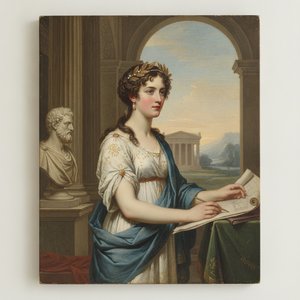
The Revival of Antiquity: Exploring Ideals of Beauty & Power in Neoclassical Portraiture
Explore the captivating world of Neoclassical portraiture! Discover the power & ideals behind masterpieces by David, Girodet & more. Expert analysis, custom reproductions & art appraisal at TopImpressionists.

ბაროკოს დრამა: ოპულენტურობის და ემოციების შემოტანა თანამედროვე ინტერიერებში
აღმოაჩინეთ ბაროკოს ხელოვნების ოპულენტურობა TopImpressionists-ში! რეკონსტრუქციები, პორტრეტები და ინდივიდუალური შეკვეთები. პროფესიონალური კონსულტაცია თქვენი სახლისთვის.
აღმოაჩინეთ ხელოვნების ნაწარმოებები თემების, სტილისა და მახასიათებლების მიხედვით დაჯგუფებული.


