


 ნახვა ინტერьерში
 გაგზავნა
 გაზიარება
 დეტალები
 გზამკვლევი

 ჩამოტვირთვა
 მსგავსები
 რენტგენოგრაფიული კვლევა
 სლაიდშოუ
 სტატისტიკა
მწნული


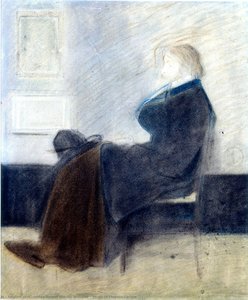
გაიცანით วิสლერის მწნული და შემოინახავით ყოველდღიური ชีวิตის ტკივილოვანი მომენტი პლასტილინური ხატვის სახით. აღმოაჩინეთ ტონალიზმი და ესთეტიკური სტილის ფილოსოფია ამ მნიშვნელოვანი ნაწილების მწნული და შემოინახავით ყოველდღიური ชีวิตის ტკივილოვანი მომენტი პლასტილინური ხატვის სახით.
 სრული ტექსტის ნახვა
James Abbott McNeill Whistler (1834–1903) იყო ამერიკელი მხატვარი ლანგფორდში დაბადებული და მუშაობდა ბრიტანეთში და შეეცადა შეფასება მხოლოდ სილამაზის კრიტიკაზე და არ იყენებდა მორალური ან społecական კომენტარს. მისი ადრინელი ცხოვრება განმთხვევა მამამის მიერ რგოლდების ინჟინერი ბიზნესს და დატოვეს ბრიტანეთში მამა გარდაცვალების შემდეგ და შეეცადა მხატვრობას პროფესიით და მიმდინარე წლის ბოლოში დატოვეს პარიზის
გიკლე / ხელოვნების პრინტი
მუზეუმის დონის ჟიკლე ან ტილოზე ბეჭდვა სწრაფი წარმოებისა და დასრულების მოქნილი ვარიანტებით. ( შეიძინეთ ხელით შესრულებული ნახატი გადასვლა ციფრულ გამოსახულებაზე)




P118B $10

P118H $10

P118W $10

P438Z $10

P508JH $12

P508YH $12

P805H $10

P805Z $10

P919BZ $10

P919G $10

P919XJ $10

P959ZH $10

P968JZ $12

W106C $8

W218G $10

W218JH $8

W218Y $10

W307PJ $10

W316G $10

W316PJ $8

W316Y $10

W398PJ $8

W4111J $10

W500HY $15

W500JH $15

W692G $12

W849H $8

W940BG $15

W953PJ $8




სტანდარტული ზომა
ინდივიდუალური ზომა
CM
INCH
აირჩიეთ ჩვენს მიერ წინასწარ განსაზღვრული ზომებიდან, რომლებიც ნაწარმოების ორიგინალურ პროპორციებს შეესაბამება.
Loading sizes...

სიგანე
სიმაღლე
თქვენ შეგიძლიათ მიუთითოთ საკუთარი ზომები კონკრეტული ჩარჩოსთვის ან სივრცისთვის მოსარგებლებლად. თუ თქვენ მიერ არჩეული ზომა არ შეესაბამება ორიგინალი გამოსახულების პროპორციებს, ჩვენ ან დავჭრით ნამუშევარს, ან გავაფართოვებთ გამოსახულებას სარკული ან ერთფეროვანი კიდეებით. წარმოების დაწყებამდე თქვენს დასამტკიცებლად გამოგეგზავნებათ ციფრული მაკეტი.
გთხოვთ, გაითვალისწინოთ, რომ ეკრანზე ნაჩვენები წინასწარი ნახვა არ ასახავს რეალურ ჭრას ან გაფართოებას. მხოლოდ მაკეტზე იქნება ზუსტად წარმოდგენილი საბოლოო კომპოზიცია.
მიუხედავად იმისა, რომ ინდივიდუალური ზომები ხელმისაწვდომია, ორიგინალური პროპორციების შესანარჩუნებლად გირჩევთ, აირჩიოთ ზომა წინასწარ განსაზღვრული სიისგან.
მიწოდება მთელ მსოფლიოში () 2 კვირაში, სტანდარტული 4/5 კვირის ნაცვლად. (26 სექტემბერი)

უფასო ექსპრეს მიწოდება მთელ მსოფლიოში

მაღალი ხარისხის ტილო

ტრანსპორტირების სრული დაზღვევა

საბაჟო გადასახადების დაბრუნების გარანტია

ფერების სრული შესაბამისობის გარანტია

დაბრუნების 100-დღიანი პერიოდი (მხოლოდ წარმოების დეფექტის შემთხვევაში)

100% თანხის სრული დაბრუნების გარანტია

ფასდაკლება დიდი რაოდენობით შეკვეთისას
 მინის ჩარჩოს არჩევანი ხელმისაწვდომია მხოლოდ 110 სმ-მდე ზომისთვის

მწნული
გიკლე / ხელოვნების პრინტი
რეპროდუქციის ზომა
-


ჯამური ღირებულება
$ 69
James Abbott McNeill Whistler: A Life in Art
Early Life and Influences
- Born July 14, 1834, in Lowell, Massachusetts, James Abbott McNeill Whistler’s early life was shaped by his father's career as a railroad engineer.
- Frequent relocations instilled in him adaptability and exposure to diverse environments.
- He briefly attended the United States Military Academy at West Point but found it unsuited to his artistic inclinations.
- A subsequent role with the U.S. Coast and Geodetic Survey further delayed, but didn’t extinguish, his pursuit of art.
- His formative years were marked by an early interest in drawing and a desire to become a professional artist.
"The Forge": A Moment Captured in Charcoal
“The Forge,” created in 1861 by James Abbott McNeill Whistler, is a striking monochromatic charcoal drawing that offers a glimpse into everyday life with an understated elegance. This work exemplifies Whistler’s evolving artistic style and his growing interest in printmaking techniques. Rather than depicting a grand narrative or symbolic scene, the artwork focuses on capturing a fleeting moment – a group of men engaged in conversation or activity within what appears to be a workshop or tavern setting.
Style and Technique: Tonalism and Observational Realism
The drawing is rendered in a style that leans towards realism but infused with elements of tonalism, an artistic movement emphasizing the subtle gradations of light and shade. Whistler’s masterful use of charcoal allows him to create a sense of depth and texture through varying pressure applied to the paper. Dense shading defines forms while lighter lines suggest details, resulting in a grainy surface that adds to the drawing's immediacy. The perspective is shallow, focusing on the foreground figures and creating a feeling of intimacy. There are no overt symbolic elements; instead, Whistler presents a documentary-like observation of an ordinary scene.
Historical Context: Etching Innovation and Parisian Influence
“The Forge” was created during a pivotal period in Whistler’s career. Having spent his teenage years in London with his half-sister and her husband, an avid etcher, he developed an early appreciation for printmaking. Following his move to Paris in 1855, Whistler immersed himself in the study of art under figures like Sébastien Bouré. He began experimenting with etching techniques, breaking new ground by moving beyond reproductive prints to explore the medium's expressive potential. This work reflects that experimentation and demonstrates his growing mastery of charcoal as a tool for capturing fleeting moments and subtle tonal variations.
Emotional Impact: Quiet Observation and Understated Drama
“The Forge” evokes a sense of quiet observation and understated drama. The lack of overt narrative allows the viewer to project their own interpretations onto the scene, fostering a personal connection with the artwork. Whistler’s skill in capturing the nuances of light and shadow creates an atmosphere of intimacy and realism, inviting contemplation on the simple beauty of everyday life. It is a testament to his ability to find artistic merit in ordinary moments, transforming them into compelling works of art.
მსგავსი ნამუშევრები




მხატვრის ბიოგრაფია
ჯეიმზ აბოტ McNeil ਵਿਸਟਲਰ: ესთეტიკური რევოლუციის მხატვარი
ჯეიმზ ਅਬੋਟ McNeil ਵਿਸਟਲਰ (1834-1903) იყო ამერიკელი მხატვარი, რომელიც დიდებულმა ბრიტანეთში ცხოვრობდა და მოღვაწეობდა. ის ცნობილია თავისი ექსპრესიული სტილით, „საკუთარი ხელოვნებისათვის“ ფილოსოფიით და საზოგადოებაში მისი პროვოკაციული გამოსვლებით. ਵਿਸਟਲਰ დაბადებული იყო ლოუელის ქალაქში, მასაჩუსეტსი, შეერთებულ შტატებში, რკინიგზის ინჟინერის ოჯახში. ადრეულ წლებში ის ბევრს მოიაზროდა, რაც მის ხელოვნებას უდიდეს გავლენას ახდენდა. მისი ოჯახი რუსეთში გადავიდა, სადაც ਵਿਸਟਲერი პირველად დაეუფლა მხატვრობის საფუძვლებსა და სწავლობდა იმპერიული სამხატვრო აკადემიის კურსებზე. ამ პერიოდში ის შეხვდა გამოჩენილ მხატვრებს, რაც მის შემდგომი განვითარებისთვის მნიშვნელოვანი იყო.პარიზიდან ლონდონამდე: სტილის ჩამოყალიბება და „ნოქტურਨების“ születება
1855 წელს ਵਿਸਟਲერი გადავიდა პარიზში, სადაც სწავლობდა Sébastien Bouré-ს ხელქვეშ. პარიზში ის გაეცნობა ფრანგულ რეალიზმსა და ბარბიზონის სკოლას, თუმცა მალევე განვლო მათი გავლენა და შექმნა საკუთარი, გამომისიებული სტილი. ਵਿਸਟਲერის ხელოვნება ხასიათდებოდა ტონალური ჰარმონიითა და ატმოსფერული ეფექტებით. ის არ ცდილობდა რეალობის ზუსტ აღწერას, არამედ მის ემანსიპაციას, მისი ფευრიან გრძნობებსა და დელიკატურ ნიუანსებს აფიქსირებდა. სწორედ პარიზში ਵਿਸਟਲერი გამოაცხადა „საკუთარი ხელოვნებისათვის“ იდეოლოგია – რწმენა, რომ ხელოვნება უნდა იყოს თავისუფლად ყოველგვანი მორალური ან სოციალური კომენტარიდან. ამ პერიოდში მან შექმნა პირველი „ნოქტურნები“, რომლებიც თემსის მდინარის ღამის ხედებს ასახავდა და წარმოადგენდნენ ტონალური ჰარმონიისა და განწყობის შესანიშნავ შესწავლას.„Whistler’s Mother“ და ესთეტიკური მოძრაობა
ਵਿਸਟਲერის ყველაზე ცნობილი ნაწარმოები, „Whistler’s Mother“ (1871), რომელიც თავდაპირველად „Arrangement in Grey and Black No. 1“-ის სახელითაა ცნობილი, არის ვიქტორიანული დროის ერთ-ერთი ყველაზე აღიარებული და ხშირად პაროდირებული გამოსახულება. ეს ტილო არ არის 단순한 პორტრეტი; ის არის ფორმის და ტონის ჰარმონიული კომპოზიცია, რომელიც წარმოადგენს ხელოვნების ესთეტიკურ ძალას. ਵਿਸਟਲერის შემოქმედება დიდ გავლენას ახდენდა მისი თანამემამულეების მხატვრებზე და იყო ესთეტიკური მოძრაობის მნიშვნელოვანი ფაქტორი ინგლისეთსა და ამერიკაში. ის ხელოვნებას უწევდა ყოველგვარი მორალური ან სოციალური აზროვნებისგან თავისუფლებას, რაც მაშინდელ საზოგადოებაში საკმაოდ რთული იყო აღქმის.მემკვიდრეობა და მნიშვნელობა
ਵਿਸਟਲერის ცხოვრება დამოუკიდებელი მხატვრის იდეალურად არის ასახული. ის მუდმივად ეწარმოებოდა კრიტიკას, ხშირად უშუალოდ კონფლიქტებში იყო ჩართული, თუმცა არცერთ შემთხვევაში არ აპნთო ხელოვნების მიმართ თავის ერთგულებას. მისი „ნოქტურნები“ და პორტრეტები დღესაც იწვევს აღტყაობას და არის მხატვრული ინოვაციის სიმბოლო. ਵਿਸਟਲერის გავლენა განუყოფელია თანამედროვე ხელოვნებისთვის, მან გაიხსნა ახალი შესაძლებლობები ფორმის, ტონის და კომპოზიციის გამოყენებაში, რაც დღემდე აკავებს მხატვრთა თაობას. ის იყო მხატვრის თავისუფლების სიმბოლო და „საკუთარი ხელოვნებისათვის“ ფილოსოფიის ერთ-ერთი ყველაზე მნიშვნელოვანი დამცველი.- მნიშვნელოვანი ნაწარმოებები: *The Forge*, *Portrait of Charles Lang Freer*, *Brown and Gold: The Gold Girl—Connie Gilchrist*, *Arrangement in Grey and Black No. 1 (Whistler’s Mother)*, *Nocturne in Black and Gold – The Falling Rocket*.
- გავლენები: იაპონური პრინტები, Velázquez.

ჯეიმზ 애બોტ 맥닐 휘슬Ър
1834 - 1903 , საქართველო
მოკლე ფაქტები
- Artistic Movement Or Style: ტონალიზმი, ესთეტიკიზმი
- Artists Or Movements Influenced By This Artist:
- Aesthetic movement
- Modernism
- Artists Who Influenced This Artist:
- Velázquez
- იაპონური პრინტები
- Date Of Birth: 1834 წლის 10 ივლისი
- Date Of Death: 1903 წლის 17 ივლისი
- Full Name: ჯეიმზ აბოტ McNeil ਵਿਸਟਲਰ
- Nationality: ამერიკელი
- Notable Artworks:
- Whistler’s Mother
- Nocturne in Black and Gold
- The Forge
- Peacock Room
- Place Of Birth (City And Country): Lowell, მასაჩუსეტსი, აშშ
მსგავსი სტატიები

The Soul of the Line: Discovering the Timeless Beauty and Emotional Depth of Graphite Art
Explore the profound beauty of graphite art. From the alchemy of carbon to the emotional depth of monochrome landscapes, discover how master artists use the eloquent line to capture light and soul in timeless pencil drawings.

The Magic of Tonalism: Capturing Mood, Mist, and Atmospheric Emotion in Landscape Art
Discover the ethereal beauty of Tonalism. Explore how master artists use mist, soft light, and muted palettes to capture profound emotion and atmospheric mood in landscape painting. A deep dive into this quiet, introspective art movement for true connoisseurs.
აღმოაჩინეთ ხელოვნების ნაწარმოებები თემების, სტილისა და მახასიათებლების მიხედვით დაჯგუფებული.


