


 ნახვა ინტერьерში
 გაგზავნა
 გაზიარება
 დეტალები
 გზამკვლევი

 ჩამოტვირთვა
 მსგავსები
 რენტგენოგრაფიული კვლევა
 სლაიდშოუ
 სტატისტიკა
Venice

Discover James Holland’s ‘Venice’ watercolor – a serene canal scene with Venetian architecture & a framed painting. Explore this romantic Impressionistic artwork.
A master of Romantic landscapes and Venice scenes. Discover the exquisite watercolours and oils of James Holland today.
 სრული ტექსტის ნახვა
შეიძინეთ მაღალი რეზოლუციის, გაუმჯობესებული ციფრული გამოსახულება, რომელიც ხარისხით ბევრად აღემატება ონლაინ წინასწარ ნახვას.
თითოეულ ფაილს ჩვენი შიდა სპეციალისტები საგულდაგულოდ ამზადებენ თანამედროვე ინსტრუმენტებისა და პროფესიონალური რეტუშირების გამოყენებით. ჩვენ უზრუნველყოფთ, რომ თითოეულ გამოსახულებას ჰქონდეს გამორჩეული სიცხადე, ფერების ზუსტი გადაცემა და დეტალიზაცია.
დასრულებული ფაილი ელექტრონული ფოსტით 72 საათში გიგზავნით; იგი ოპტიმიზებულია პროფესიონალური, რედაქციული და პოლიგრაფიული გამოყენებისთვის. ეს არის ისეთივე ხარისხი, რომელსაც წამყვანი დიზაინ-სტუდიები, გამომცემლობები და გალერეები ენდობიან.
ციფრული გამოსახულება
ჩამოტვირთეთ მაღალი გარჩევადობის ფაილი პირადი გამოყენებისთვის, დასაბეჭდად და შემოქმედებითი პროექტებისთვის. ( გადართვა ბეჭდვის რეჟიმზე შეიძინეთ ხელით შესრულებული ნახატი)
ყოველ ციფრულ გამოსახულების შეკვეთაში შედის
გარანტირებული პროფესიონალური ციფრული მიწოდება
როდესაც ირჩევთ TopImpressionists.com-ს, თქვენ მხოლოდ სურათს კი არ იღებთ, არამედ იღებთ პროფესიონალურად დამუშავებულ ციფრულ ნამუშევარს, რომელიც შექმნილია უზადო სიზუსტით და დაცულია კმაყოფილების გარანტიით. თქვენს შეკვეთას ავტომატურად მოჰყვება შემდეგი:

სწრაფი ელექტრონული მიწოდება
თქვენს მაღალი რეზოლუციის ციფრულ გამოსახულებას შეკვეთის დაწყებიდან 72 საათში ელექტრონული ფოსტით მიიღებთ — ის მზად იქნება დაუყოვნებლივი გამოყენებისთვის.

ხელოვნური ინტელექტით გაუმჯობესებული ციფრული ფაილი
თქვენი ხელოვნების ნიმუშები პროფესიონალურად არის ოპტიმიზებული მოწინავე AI ინსტრუმენტებისა და მექანიკური რედაქტირების მეშვეობით, რაც უზრუნველყოფს მაქსიმალურ დეტალიზაციას, სიცხადესა და ფერების სიზუსტეს.

ციფრული გამოსახულებების უფასო სამუდამო ხელახალი მიღება
ფაილი შემთხვევით წაიშალა ან დაკარგეთ? ნუបედავთ — ჩვენ მას ნებისმიერ დროს, უფასოდ ხელახლა გამოგეგზავნით.

იმპორტის გადასახადების გარეშე — ყოველთვის
ჭიდად ისიამოვნეთ თქვენი ნამუშევრით მყისიერად, საბაჟო გადასახადის, მოსაკრებლის ან მიწოდების ხარჯის გარეშე - ციფრული ჩამტვირთვისას ყოველთვის საგადასახადო თავისუფლებაა.

ფერების სიზუსტის გარანტია
პროფესიონალური ინსტრუმენტებისა და ფერების მართვის სისტემის გამოყენებით, ჩვენ უზრუნველყოფთ, რომ თქვენი ციფრული გამოსახულება მაქსიმალურად ზუსტად ასახავდეს ორიგინალურ ფერებს.

კმაყოფილების 100-დღიანი გარანტია
თუ თქვენ არ დაკმაყოფილებული ხართ თქვენი ციფრული გამოსახულებით, ჩვენ შევიტანთ მასში ცვლილებებს ან დაგიბრუნებთ 100% თანხას 100 დღის განმავლობაში — ყოველგვარი კითხვის დასმევის გარეშე.

100% თანხის დაბრუნების გარანტია
არ არის კმაყოფილი? მიიღეთ თანხის სრული დაბრუნება ციფრული ფაილის მიღებიდან 100 დღის განმავლობაში — ყოველგვარი დამატებითი კითხვების გარეშე.

ფასდაკლება დიდი რაოდენობით შეკვეთაზე
შეიძინეთ 3 გამოსახულება და მიიღეთ 10% ფასდაკლება - შეიძინეთ 5 და მიიღეთ 15% ფასდაკლება - შეიძინეთ 10+-ზე და მიიღეთ 20% ფასდაკლება. იდეალურია კრეატიული პროექტებისთვის, გალერეებისა და სააგენტოებისთვის.
მსგავსი ნამუშევრები
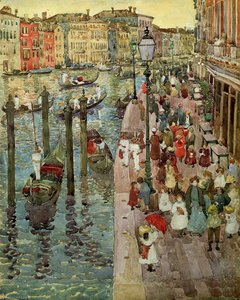


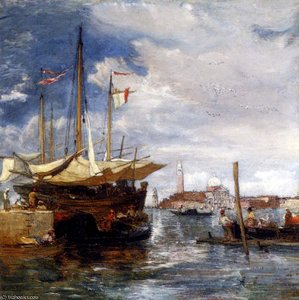


მხატვრის ბიოგრაფია
The Potter's Precision
To understand the technical rigor of James Holland, one must look past the finished landscapes and toward the industrial grit of his beginnings in Burslem, Staffordshire. He did not emerge from a vacuum of pure theory; he was trained by the repetitive, exacting demands of the Davenport Pottery works. From age twelve, his hands were occupied with painting flowers onto porcelain and pottery. This early apprenticeship instilled a specific discipline regarding color and fine detail that remained present even when he transitioned to much larger canvases. He moved to London in 1819, carrying this decorative precision into a new arena of landscape and marine subjects.
His development was marked by a shift from the small-scale botanical accuracy required for ceramics to the broader atmospheric needs of topographical painting. While he continued to work as a pottery painter to sustain himself, his focus expanded toward architecture and natural history. By 1824, his first exhibition at the Royal Academy signaled that his skills were no longer confined to the surface of a teacup. He was a versatile practitioner, equally capable in oils and watercolours, a fact reflected in his prolific exhibition record across various prestigious societies.
Continental Sightings and Technical Shifts
Holland’s reputation was built on his ability to document the European landscape with structural integrity. His travels were not mere sightseeing; they were systematic studies of light and architecture. Between the 1830s and 1850s, he moved through France, Portugal, Switzerland, Austria, and the Netherlands. These excursions provided the raw material for his most recognized works. In France, specifically during visits to Rouen, he focused on architectural studies that demanded a sharp eye for form. His time in Portugal resulted in published works like The Tourist in Portugal, proving his utility as both an artist and a visual chronicler of the era.
His style underwent a visible transformation over the decades. The early watercolours, heavily influenced by the approach of Richard Parkes Bonington, possessed a certain delicate clarity. However, as time progressed, his technique became looser. He began to utilize bodycolour more extensively, moving away from purely transparent washes toward a more substantial, textured application. This shift allowed him to capture the heavier atmosphere of marine scenes and the complex light of Italian vistas with greater weight.
The Venetian Record
Venice remains the most significant anchor in his body of work. It was not a single visit but a recurring obsession that defined much of his later career. He returned to the city multiple times, notably in 1836, 1857, and throughout the mid-century, finding in its canals a subject that demanded both architectural precision and an understanding of light refraction. His depictions of the Grand Canal and Saint Mark's Basin demonstrate a mastery of the Venetian atmosphere, capturing the movement of gondolas and the play of sun on water without descending into mere sentimentality.
His professional standing was solidified through his involvement with major institutions:
- Royal Watercolour Society: He served as an associate in 1835 and achieved full membership by 1857 or 1858.
- Society of British Artists: He joined this group in 1843, remaining a member until 1848.
- Royal Academy: He exhibited thirty-two works here between 1824 and 1865.
- British Institution: His contributions reached ninety-one pieces at this venue.
Ultimately, Holland’s significance lies in his ability to bridge the gap between the meticulous decorative arts of the Potteries and the expansive, atmospheric demands of Victorian landscape painting. He was a colourist of high caliber, producing works that, while sometimes overlooked during his lifetime, gained substantial value as collectors sought the specific clarity he brought to continental views.

James Holland
1799 - 1870
მოკლე მიმოხილვა
- Artistic Movement Or Style: Romantic Landscape Painting
- Artists Who Influenced This Artist: ['Richard Parkes Bonington']
- Full Name: James Holland
- Nationality: English
- Notable Artworks:
- The Grand Canal, Venice
- Greenwich Hospital as it was in 1837
- Venetian Capriccio
- The Colonnade of Queen Mary Court
- Place Of Birth: Burslem, United Kingdom
- Date Of Birth: 1799
- Date Of Death: 1870