

 ნახვა ინტერьерში
 გაგზავნა
 გაზიარება
 დეტალები
 გზამკვლევი

 ჩამოტვირთვა
 მსგავსები
 რენტგენოგრაფიული კვლევა
 სლაიდშოუ
 Q&A
Q&A სტატისტიკა
Cat and Lobster

- 397.0 x 275.0 cm


A bold and charming white cat holds a lobster in its jaws in this vibrant folk-inspired masterpiece by Jamini Nath Roy from 1900, inviting you to explore the essence of Indian modern art for your collection.
 სრული ტექსტის ნახვა
აღმოაჩინეთ Jamini Roy (1887-1972), ინდური მოდერნიზმის საკვანძო ფატორი. შეისწავლეთ მისი თამამი, ფოლკლორული სტილი, მკვეთრი ფერები და სოფლის ცხოვრების, მითოლოგიისა და პორტრეტების თემები. ინდური ხელოვნების ფორმირების მთავარი ფიგურა.
ამ გვერდზე წარმოდგენილი ნამუშევარი დაცულია საავტორო უფლების შესახებ კანონმდებლობით, რაც იმას ნიშნავს, რომ ჩვენ არ გვაქვს მისი იდენტური რეპროდუქციის შექმნის ან გაყიდვის სამართლებრივი უფლება. აღნიშნული დაცვა უზრუნველყოფილია ისეთი საერთაშორისო შეთანხმებებით, როგორიცაა ბერნის კონვენცია და ეროვნული კანონმდებლობით, მათ შორის იმ კანონებით, რომლებიც დეტალურად არის გაწერილი აშშ-ის საავტორო უფლების შესახებ კანონი - თავი 17.
ეს მეთოდი სრულად შეესაბამება საავტორო უფლებების რეგულაციებს, რადგან ის არ გულისხმობს დაცული ნამუშევრის კოპირებას ან დუბლირებას. ამგვარად, ეს წარმოადგენს შემოქმედებით რეინტერპრეტაციას — ახალ ნახატს, რომელიც შთაგონებითაა განპირობებული ორიგინალით, თუმცა არ არის მის იდენტურ ასლს.
გიკლე / ხელოვნების პრინტი
მუზეუმის დონის ჟიკლე ან ტილოზე ბეჭდვა სწრაფი წარმოებისა და დასრულების მოქნილი ვარიანტებით. ( შეიძინეთ ხელით შესრულებული ნახატი გადასვლა ციფრულ გამოსახულებაზე)




P118B ₾10

P118H ₾10

P118W ₾10

P438Z ₾10

P508JH ₾12

P508YH ₾12

P805H ₾10

P805Z ₾10

P919BZ ₾10

P919G ₾10

P919XJ ₾10

P959ZH ₾10

P968JZ ₾12

W106C ₾8

W218G ₾10

W218JH ₾8

W218Y ₾10

W307PJ ₾10

W316G ₾10

W316PJ ₾8

W316Y ₾10

W398PJ ₾8

W4111J ₾10

W500HY ₾15

W500JH ₾15

W692G ₾12

W849H ₾8

W940BG ₾15

W953PJ ₾8




სტანდარტული ზომა
ინდივიდუალური ზომა
CM
INCH
აირჩიეთ ჩვენს მიერ წინასწარ განსაზღვრული ზომებიდან, რომლებიც ნაწარმოების ორიგინალურ პროპორციებს შეესაბამება.
Loading sizes...

სიგანე
სიმაღლე
შეიყვანეთ თქვენთვის საჭირო სიგანე და სიმაღლე, რათა იგი მოერგოს თქვენს ჩარჩოს ან კედელს. ბეჭდვისას შესაძლებელია მხოლოდ მისი შემცირება და არა გაზრდა, ამიტომ სხვა ფორმის ზომის შემთხვევაში გამოსახულება ნაწილობრივ იკარგება. სანამ რაიმეს დაბეჭდავთ, ჩვენ გამოგიგზავნით ციფრულ მაკეტს დასდასტურებლად. ამ გვერდზე ნაჩვენები სურათი არ ასახავს რეალურ ჭრას — ამას მხოლოდ მაკეტი გვიჩვენებს.
მიწოდება მთელ მსოფლიოში () 2 კვირაში, სტანდარტული 4/5 კვირის ნაცვლად. (1 ნოემბერი)

უფასო ექსპრეს მიწოდება მთელ მსოფლიოში

მაღალი ხარისხის ტილო

ტრანსპორტირების სრული დაზღვევა

საბაჟო გადასახადების დაბრუნების გარანტია

ფერების სრული შესაბამისობის გარანტია

დაბრუნების 100-დღიანი პერიოდი (მხოლოდ წარმოების დეფექტის შემთხვევაში)

100% თანხის სრული დაბრუნების გარანტია

ფასდაკლება დიდი რაოდენობით შეკვეთისას
 მინის ჩარჩოს არჩევანი ხელმისაწვდომია მხოლოდ 110 სმ-მდე ზომისთვის

Cat and Lobster
გიკლე / ხელოვნების პრინტი
რეპროდუქციის ზომა
-


ჯამური ღირებულება
₾ 180
A Vision of Folk Modernism
In the captivating realm of Indian modernism, few works resonate with as much playful charm and cultural defiance as Jamini Nath Roy’s Cat and Lobster. This masterpiece serves as a profound testament to an artist who dared to turn his back on the polished traditions of European Academic Realism to embrace the raw, rhythmic soul of Bengal. The painting presents a striking, stylized feline, rendered with bold, and sweeping lines that eschew naturalistic detail in favor of a universal essence. As the cat holds its prize—a vibrant lobster—within its jaws, the viewer is transported into a world where simplicity is not merely a technique, but a powerful statement of identity. The composition, characterized by its flat planes and energetic contours, captures a moment of pure, unadulterated glee, making it an irresistible centerpiece for any collection that values character and narrative depth.
The stylistic lineage of this work is deeply rooted in the Kalighat patua tradition, a folk art form that inspired Roy to strip away the unnecessary and focus on the fundamental geometry of life. By drawing inspiration from the terracotta reliefs of ancient Bengal temples and the rhythmic patterns of village scrolls, Roy achieved a visual language that feels both ancient and strikingly contemporary. The technique, executed in tempera on canvas, allows for a saturated, matte finish that emphasizes the bold color palette. The stark contrast between the white form of the cat and its deep blue background creates a luminous effect, ensuring that the subject commands attention from across a room. For the discerning interior designer, this piece offers a sophisticated way to introduce a sense of movement and cultural heritage into a modern space.
The Spirit of Rebellion and Identity
Beyond its aesthetic brilliance, Cat and Lobster carries a weight of historical significance that elevates it from a charming animal study to a symbol of decolonization. Created during an era when Indian artists were navigating the complexities of colonial influence, Roy’s evolution represents one of the most profound transformations in twentieth-century art. Initially trained in the sophisticated traditions of the Bengal School under Abanindranath Tagore, Roy eventually underwent a radical aesthetic rebellion. He turned his gaze away from Western conventions, finding a deeper truth in the local craftsmanship of his homeland. This departure was not merely a stylistic choice but a spiritual homecoming, as he sought to reclaim the artistic identity of his nation through the celebration of the common man and the village life that forms the heartbeat of Indian culture.
To gaze upon this masterpiece is to witness a masterful command over simplicity and rhythm. The cat is devoid of all traces of naturalism; instead, it is painted in a bold, charming way, portraying an energetic creature that holds its lobster with great glee. This deliberate rejection of three-dimensional shading in favor of flat, impactful shapes allows the emotional resonance of the piece to shine through. For collectors and enthusiasts, owning a reproduction of such a work means bringing into one's home a fragment of a larger movement—a movement that sought to find beauty in the essential and strength in the ancestral.
კითხვები და პასუხები
სად შემიძლია ჯამინი ნათ როი-ის „Cat and Lobster“-ის გადმოწერა?
გადმოწერილად ხელმისაწვდომია „Cat and Lobster“: ნამუშევრის ჩამოტვირთვა გვერდი გთავაზობთ მაღალი გარჩევადობის ციფრული გამოსახულების ჩამოტვირთვა.
რა წელს და რომელ სტილის ფარგლებში შეიქმნა "Cat and Lobster"?
ჯამინი ნათ როი-ის „Cat and Lobster“ დათარიღებულია 1900 წლით და მიეკუთვნება Indian Modernism-ს.
ჯამინი ნათ როი-ის შემოქმედებითი განვითარების რომელ ეტაპს წარმოადგენს „Cat and Lobster“?
ჯამინი ნათ როი-ის შემოქმედების პერიოდში, „Cat and Lobster“ მიეკუთვნება Mature Period-ს. ეს ფაზა გვეხმარება მისი შედარება ხელოვანის სხვა ნამუშევრებთან.
მხატვრის ბიოგრაფია
ჯამინი როი იყო აღიარებული ინდური ფერწერი, რომელიც დაიბადა 1887 წლის 11 აპრილს, ბელიატორში, დასავლეთ ბენგალიაში. იგი ინდური თანამედროვე ხელოვნების ერთ-ერთ უმნიშვნელოვანეს ფიგურად მიიჩნევა. როის შემოქმედებითი სტილი გამოირჩეოდა სიმარტივით, ელეგანტურობითა და ინდური ფოლკლორული ხელოვნების ღრმა კავშირით.
ადრეული ცხოვრება და სწავლება
როი საშუალოდ შემოღწეილ მიწისმালিকთა ოჯახში დაიბადა. იგი გაიზარდა საშუალო ფენის, ხელოვნებისადმი љуბად აღსავსე გარემოში, რამაც დიდი გავლენა მოახდინა მის მომავალ გადაწყვეტილებებზე. 16 წლის ასაკში ის კოლკატაში გადავიდა, რათა სწავლა დაეწყო სახელმწიფო სამხატვრო კოლეტიში, სადაც მისი მასწავლებელი იყო აბანინდრნათ ტაგორი, გამორჩეული ინდელი მხატვარი და განმმადიდებელი.ხელოვნებრივი სტილი და გავლენები
როის შემოქმედებაზე დიდ გავლენას მოახდინა კალიღატის ფერწერამ, რომელიც ინდური ფოლკლორული ხელოვნების ერთგვარი სტილია. მას ასევე შთაგონებას აძლევდა ევროპული მოდერნიზმი, თუმცა საბოლოოდ მან უარი თქვა დასავლურ ტრადიციებზე, რათა საკუთარ კულტურულ მემკვიდრეობაზე გამეკლდა ფოკუსირება. როის ტილოები ხასიათდება სიმარტივით, სიტესტური სიღრმითა და მკვეთრი ფერების გამოყენებით. მისი გამორჩეული ნამუშევრები მოიცავს:- ახალგაზრდა გოგონას პორტრეტი, რომელიც წარმოაჩენს ინდური ფოლკლორული ხელოვნების არსის გადმოცემის მის უნარს,
- ფრანსუაზას ბასტა, ტილო, რომელიც დემონსტრირებს მის ოსტატობას პორტრეტულ ჟანრში,
- მხატვარი და მისი მოდელი, ნამუშევარი, რომელიც ხაზს უსვამს მის ინტერესს მხატვარსა და სუბიექტს შორის არსებული ურთიერთობის კვლევისადმი.
ჯილდოები და აღიარება
1954 წელს როის მიჭედეს პადმა ბჰუშანი, რაც ინდოეთის ერთ-ერთი უhighest სამოქალაქო აღიარებაა. იგი ასევე იყო ლალიტ კალა აკადემიის წევრი, ინდოეთის პრესტიჟული სახელოვნებო ინსტიტუტის წევრი.მემკვიდრეობა და გავლენა
როის წვლილი ინდურ თანამედროვე ხელოვნებაში შეუფასებელია. მისმა ერთგულებამ ინდური ფოლთლორული ტრადიციების შენარჩუნებისადმი მხატვრების თაობები შთააგონა. დღეს მისი ნამუშევრები წარმოდგენილია მსოფლიოს სხვადასხვა მუზეუმებსა და კერძო კოლექციებში, მათ შორის კორეის ეროვნულ მუზეუმში და სახელმწიფო სამხატვრო კოლეჯში. ჯამინი როის ცხოვრებისა და შემოქმედების შესახებ დამატებითი ინფორმაციისთვის ეწვიეთ TopImpressionists.com-ს ან ვიკიპედიას. მისი ტილოები კვლავაც შთაგონების წყაროა ხელოვნების მოყვარულთა და მეცნიერთაათვის, რაც უნიკალურ შესაძლებლობას გვაძლევს, თვალი შევავლოთ ინდური თანამედროვე ხელოვნების სამყაროს.
ჯამინი ნათ როი
1887 - 1972 , ინდოეთი
მოკლე ფაქტები
- Artistic Movement Or Style: ბენგალური ფოლკლორი
- Artists Or Movements Influenced By This Artist: ['კალიღატის ფერწერა']
- Artists Who Influenced This Artist: ['აბანინდრნათ ტაგორი']
- Date Of Birth: 11 აპრილი, 1887
- Date Of Death: 1972
- Full Name: ჯამინი როი
- Nationality: ინდური
- Notable Artworks:
- ახალგაზრდა გოგონას პორტრეტი
- Françoise-ის ბასტე
- მხატვარი და მისი მოდელი
- Place Of Birth: ბელაიტორე, ინდეთი
მსგავსი სტატიები
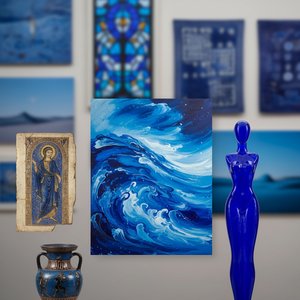
The Allure of Azure: Exploring the Symbolic & Aesthetic Depths of Blue in Art History
Explore the rich history of blue in art! Discover its symbolism, from ancient pigments to modern masterpieces by Kandinsky & Seurat. Uncover the psychological impact and cultural meanings behind this captivating hue.

როი ლიხტენშტაინის 25 გამორჩეული ნაწარმოები | სახატავი ხელოვნება TopImpressionists-ზე
გაიცანით როი ლიხტენშტაინის 25 გამორჩეული ნაწარმოები! პოპ-არტის ხელოვნება, კომიკსების სტილი და უნიკალური ფერები TopImpressionists-ზე. ნახატები იყიდეთ მუზეუმის ხარისხით და შექმნით განსაცვიფრებელი ინტერიერი. აღმოაჩინეთ მეტი TopImpressionists.com-ზე!

White on Canvas: 10 Masterpieces & Timeless Elegance for Your Home Decor
Explore 10 iconic white paintings by Monet, Whistler & Rothko! Discover the stories behind these serene masterpieces and their impact on art history. Find museum-quality reproductions for your home decor at .

Bold Strokes & Powerful Visions: 10 Artworks That Command Attention | TopImpressionists
Experience art's raw power! Explore 10 iconic paintings – Van Gogh, Kahlo & more – that define 'bold'. Discover the stories behind these expressive masterpieces and find museum-quality reproductions for your home at TopImpressionists.com.

Slate Blue Masterpieces: 10 Iconic Paintings & Timeless Home Decor Ideas
Immerse yourself in the captivating world of slate blue! Explore 10 iconic paintings by Monet, Van Gogh & Renoir. Discover their stories, techniques & find museum-quality art reproductions for your home at .