

 წინასწარი ნახვა
 გაგზავნა
 გაზიარება
 დეტალები
 გზამკვლევი

 ჩამოტვირთვა
 მსგავსები
 რენტგენოგრაფიული კვლევა
 სლაიდშოუ
 სტატისტიკა
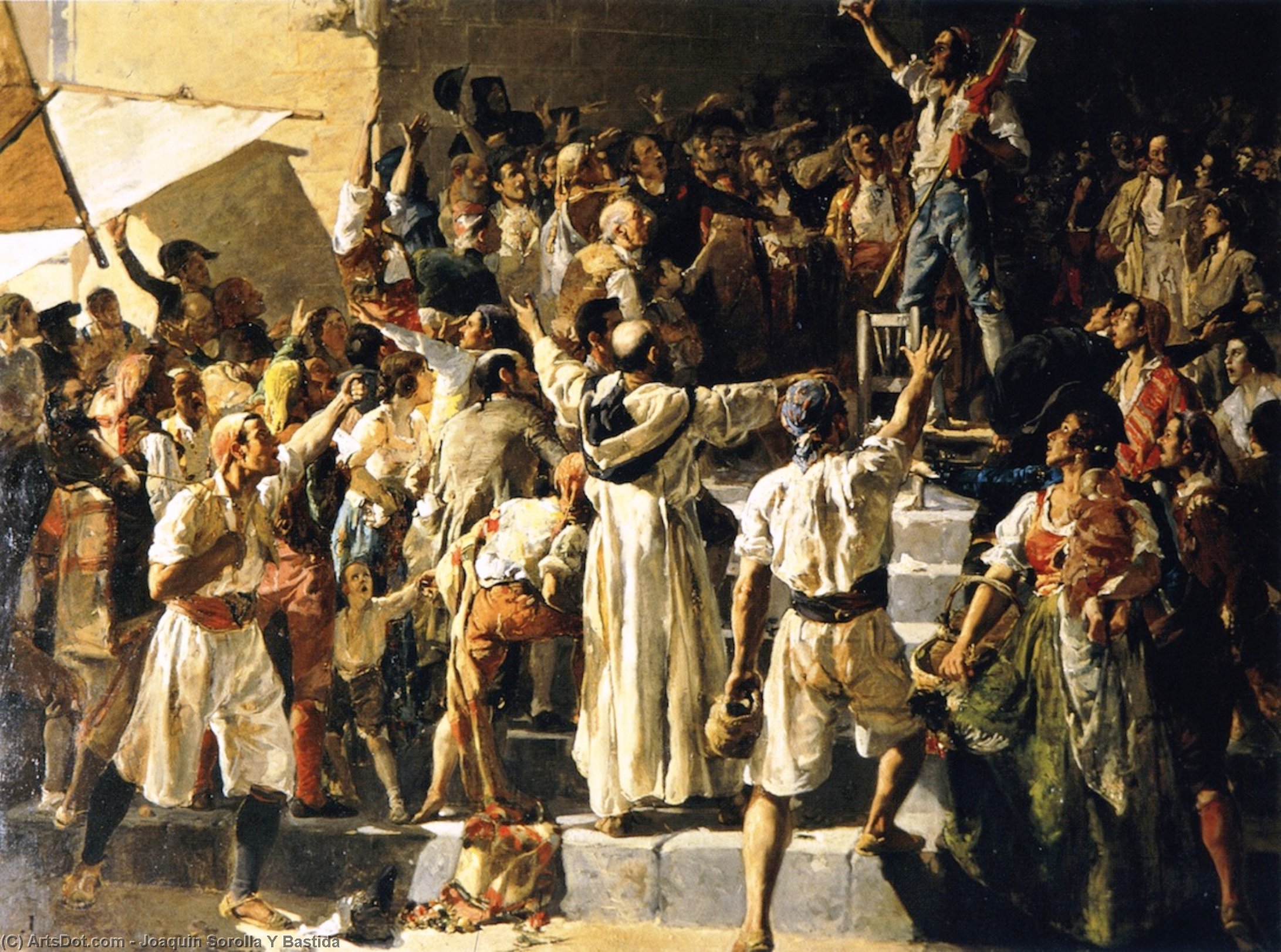
The Cry of El Palleter
 Oil On Canvas
- WallArt
- Impressionism
 1884
1884- 19th Century
 154.0 x 205.0 cm
 Palau de la Generalitat
Experience the brilliance of Joaquín Sorolla’s ‘The Cry of El Palleter,’ a captivating depiction of Valencian life bathed in golden sunlight. Explore this iconic masterpiece and discover its artistic significance at TopImpressionists.com.
 გადასართად დაწვრილებით ნახეთ
Joaquin Sorolla: ესპანელი მხატვარი სూర్্যালმფრთხილებლად და მჭიდველად შეწყვეტილი ფერებით! აღმოაჩინეთ მისი ნათელ სურათები და სანახაური სცენები კლიმატის სულის ტონიანი სიცოცხლის გადმოტანისთვის. გაიგება თქვენთვის დღესვე!
ხელით ნაკვეთი ზეთის ტილოს რეპროდუქცია
ტილოზე შესრულებული ფერწერიანი ზეთប្រდათი, თქვენთვის სასურველი ზომისა და ჩარჩოსთვის, ჩვენი ხელოვანების მიერ შეკვეთის საფუძველზე დამზადებული. ( გადართვა ბეჭდზე გადასვლა ციფრულ გამოსახულებაზე)




P118B $10

P118H $10

P118W $10

P438Z $10

P508JH $12

P508YH $12

P805H $10

P805Z $10

P919BZ $10

P919G $10

P919XJ $10

P959ZH $10

P968JZ $12

W106C $8

W218G $10

W218JH $8

W218Y $10

W307PJ $10

W316G $10

W316PJ $8

W316Y $10

W398PJ $8

W4111J $10

W500HY $15

W500JH $15

W692G $12

W849H $8

W940BG $15

W953PJ $8




სტანდარტული
სასურველი ზომის
CM
INCH
აირჩიეთ ჩვენს მიერ წინასწარ განსაზღვრული ზომებიდან, რომლებიც ნაწარმოების ორიგინალურ პროპორციებს შეესაბამება.
Loading sizes...

სიგანე
სიმაღლე
თქვენ შეგიძლიათ მიუთითოთ თქვენთვის სასურველი ზომები კონკრეტული ჩარჩოს ან სივრცის შესაბამისად. თუ თქვენ მიერ არჩეული ზომა არ შეესაბამება ორიგინალი გამოსახულების პროპორციებს, ჩვენ ან შევაჭრებთ ნაწარმოებს, ან ტილოზე დავამატებთ ხელით მოხატულ ელემენტებს. წარმოების დაწყებამდე, დამტკიცებისთვის გამოგეგზავნებათ ციფრული მაკეტი.
გთხოვთ, გაითვალისწინოთ, რომ ეკრანზე ნაჩვენები წინასწარი შეხედულება არ ასახავს რეალურ შეჭრას ან გაფართოებას. საბოლოო კომპოზიციას ზუსტად მხოლოდ მაკეტი წარმოაჩენს.
მიუხედავად იმისა, რომ შესაძლებელია ინდივიდუალური ზომების შერჩევა, ორიგინალური პროპორციების შენარჩუნებისათვის გირჩევთ, გამოიყენოთ წინასწარ განსაზღვრული სიის ზომები.
რა შეიძლება შეიცვალოს: სახის ჩანაცვლება მომხმარებლის ფოტოთი; შინაური ცხოველის დამატება (მაგ., კატის ჩანაცვლება ძაღლით); ფონზე ფარული შეტყობინების დამატება; ფონის პეიზაჟის ან ელემენტების შეცვლა.
შეკვეთის შემდეგ, TopImpressionists.com გუნდი დაგიკავშირდებათ ელექტრონული ფოსტით ინსტრუქციებისთვის და გამოგიგზავნით წინასწარ ნახაზს (mockup).
შეკვეთის შემდეგ, TopImpressionists.com გუნდი დაგიკავშირდებათ ელექტრონული ფოსტით ინსტრუქციებისთვის და გამოგიგზავნით წინასწარ ნახაზს (mockup).
მიწოდება მსოფლიო მასშტაბით -ში 3/4 კვირაში, სტანდარტული 5 კვირის ნაცვლად. (23 სექტემბერი). ხარისხზე კომპრომისის გაკეთება არ მოხდება.

უფასო ექსპრეს მიწოდება მთელ მსოფლიოში

საბამად მაღალი ხარისხის ტილო

სრული ტრანსპორტირების დაზღვევა

საბაჟო გადასახადების დაბრუნების გარანტია

ფერების სრული შესაბამისობის გარანტია

დაბრუნების 100-დღიანი პოლიტიკა (მხოლოდ დეფექტის შემთხვევაში)

100% თანხის დაბრუნების გარანტია

ფასდაკლება დიდი რაოდენობით შეკვეთისას
 მინის ჩარჩოს არჩევანი ხელმისაწვდომია მხოლოდ 110 სმ-ზე ნაკლები ზომისთვის

The Cry of El Palleter
რეკლამაციის ტექნიკა
რეკლამაციის ზომა
-


საბოლოო ფასი
$ 269
A Symphony of Light and Human Emotion
To step into the world of Joaquín Sorolla y Bastida is to surrender oneself to the radiant warmth of the Mediterranean sun. In his 1884 masterpiece, "The Cry of El Palleter," we are not merely observers of a historical moment, but participants in a visceral, breathing event. This large-scale oil on canvas serves as a profound testament to Sorolla’s early brilliance, capturing a bustling seaside gathering on Valencia's Playa de El Palleter with an immediacy that feels almost cinematic. The painting vibrates with the energy of a crowd caught in a singular, dramatic instant—a moment where hands are raised in gestures of collective concern, anticipation, or perhaps a shared call to action. Through his masterful command of light, Sorolla transforms a social gathering into a psychological landscape, inviting the viewer to feel the salt spray on their skin and the palpable tension in the air.
The composition is a masterclass in dynamic arrangement, designed to guide the eye through a complex tapestry of human interaction. Sorolla meticulously layers his figures, placing certain individuals prominently in the foreground to establish an intimate connection with the viewer, while others recede into the distance, creating a profound sense of depth and movement. This deliberate structuring does more than just create a realistic scene; it mirrors the rhythmic pulse of Valencian life during the Belle Épectoque. The diverse crowd, composed of at least fourteen distinct figures, creates a mosaic of humanity that reflects the social fabric of Spain at the turn of the century. For the discerning collector or interior designer, this piece offers a commanding presence, acting as a focal point that brings both narrative depth and a sense of historical grandeur to any sophisticated space.
Technique and the Impressionistic Spirit
While Sorolla would later become world-renowned as the "Master of Light" for his sun-drenched plein air landscapes, "The Cry of El Palleter" reveals a foundational strength in social and historical themes. Here, we see the seeds of his impressionistic brilliance—a technique characterized by an unwavering devotion to capturing fleeting sensations. His brushwork, though controlled enough to render the textures of clothing and the architecture of the background building, possesses a dexterous fluidity that breathes life into the scene. The interplay of light and shadow is not merely decorative; it is the very engine of the painting's emotional impact. Sorolla uses light to sculpt the figures, highlighting the tension in a raised arm or the contemplative gaze of a bystander, ensuring that the atmosphere remains as luminous as it is dramatic.
For those seeking to adorn a home or gallery with a high-quality reproduction, this artwork offers an unparalleled opportunity to integrate a piece of Spanish soul into a modern environment. The painting’s ability to balance monumental scale with intimate emotional resonance makes it a versatile choice for grand halls or curated study areas. It is more than a depiction of a historical event; it is an evocative snapshot of a culture caught in a moment of transition, embodying the optimism and experimental spirit of its era. Owning a tribute to this work means bringing into one's surroundings not just a beautiful image, but a window into the luminous, sun-soaked heart of Valencia.
დაკავშირებული ნამუშევრები




მხატვრის ბიოგრაფია
Joaquín Sorolla y Bastida – A Life Bathed in Light
Joaquín Sorolla y Bastida, a name synonymous with the radiant light and vibrant energy of Spain, was more than just a painter; he was a chronicler of his nation’s soul. Born in Valencia in 1863, Sorolla's early life was marked by tragedy. Orphaned at the tender age of two following a cholera epidemic that claimed both parents, young Joaquín and his sister were raised by their maternal aunt and uncle. This early experience with loss perhaps instilled within him a profound appreciation for the fleeting beauty of life – a sentiment that would permeate his art. Though hardship shadowed his beginnings, it did not dim the spark of artistic talent that quickly became apparent. He received initial instruction in Valencia, demonstrating an aptitude that led to studies under established artists like Cayetano Capuz and José Benlliure, eventually culminating in a four-year grant to study in Rome. It was there, amidst the classical grandeur of Italy, that Sorolla began to forge his unique artistic path, absorbing influences while simultaneously developing a style distinctly his own.Early Life and Artistic Beginnings
Joaquín Sorolla’s formative years were shaped by profound loss and circumstance. Born into a modest Valencian family, he endured the devastating impact of cholera when both his parents succumbed to illness at just two years old. His sister, Concha, survived, but their upbringing was overseen by their maternal aunt and uncle—a poignant reminder of resilience amidst adversity. Recognizing Sorolla’s exceptional talent from a young age, he commenced formal artistic training in Valencia, honing his skills under the tutelage of prominent Valencian painters. This early exposure to art instilled within him an unwavering dedication to capturing beauty and emotion on canvas. At eighteen, he embarked on a journey to Madrid, immersing himself in the artistic milieu of the capital city and studying masterworks at the Museo del Prado—a formative experience that cemented his admiration for Velázquez’s masterful technique and compositional vision.Rome: Classical Influences and Artistic Transformation
Sorolla's pursuit of artistic excellence led him to Rome in 1885, where he secured a prestigious residency funded by Valencia’s Royal Academy of Fine Arts. Amidst the architectural splendor of the Eternal City—a crucible of artistic innovation—he absorbed influences from luminist painters like Francesco Hayez and Giuseppe Mengoni, establishing himself as an artist with a distinctive style. He continued his studies under José Benlliure and Emilio Sala, delving deeper into the intricacies of painting technique and exploring diverse artistic themes. Notably, Sorolla’s fascination with Velázquez profoundly impacted his approach to portraiture—a stylistic hallmark that would characterize much of his oeuvre.The Valencian Coast: Luminism Embodied
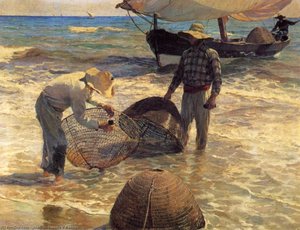
Sorolla's artistic vision found its most compelling expression in his depictions of the Valencian coast – a landscape he passionately embraced and relentlessly pursued through *plein air* painting. He became renowned for capturing the ethereal quality of Mediterranean sunlight, transforming ordinary scenes into canvases brimming with luminosity and vibrancy. His paintings—such as Bathing Time and The Return from Fishing—are characterized by loose brushstrokes, vibrant colors, and a masterful rendering of light reflecting off water surfaces—techniques that exemplify the principles of Luminism. Sorolla’s ability to convey emotion through visual imagery solidified his reputation as one of Spain's foremost artists.Major Achievements and Legacy
Sorolla achieved international acclaim throughout his career, participating in numerous exhibitions across Europe and America and garnering commissions for portraits of prominent figures—including King Alfonso XIII and Winston Churchill. His monumental mural cycle commissioned by the Hispanic Society of America—Vision of Spain—became a testament to his artistic ambition and technical prowess. Sorolla’s influence extended far beyond his lifetime, inspiring generations of artists who sought to emulate his distinctive style and embrace his unwavering commitment to capturing the beauty of light and color. Today, Sorolla's paintings reside in prestigious museums worldwide—a lasting legacy that ensures his art continues to captivate audiences and illuminate our understanding of Spanish artistic heritage. His enduring contribution to Luminism remains unparalleled, securing his place as a pivotal figure in the history of Impressionist painting.
იოაკიმ სოროლა ი ბასტიდა
1863 - 1923 , ესპანეთი
მოკლე ინფორმაცია
- Artistic Movement Or Style: ლუმინიზმი და იმპრესიონიზმი
- Artists Who Influenced This Artist:
- ფრანსისკო პრადილა
- ჟულე ბასტიენ ლეპაژ
- Date Of Birth: 27 თებერვალი 1863 წელი
- Date Of Death: 10 აგვისტო 1923 წელი
- Full Name: Joaquín Sorolla y Bastida
- Nationality: ესპანელი
- Notable Artworks:
- Իტალიელი გოგონა მცენარეებით
- მზის სხეულის ბანაობა
- მშვიდობიანი მემკ ინებარი
- სათავაზო სოროლა და ბასტიდა
- ბავშვები ზღვის გასართან
- ფრთხილების დგება
- Place Of Birth: ვალენსიის ქალაქი და ესპანეთი
დაკავშირებული სტატიები

იმპრესიონიზმის 10 შედევრი: ხელოვნების ისტორიის გამორჩეული ნაწარმოებები TopImpressionists-ზე
გაიცანით იმპრესიონიზმის 10 გამორჩეული შედევრი მონეს, რენუარის და სხვა დიდოსების ნახატებით. TopImpressionists-ზე შეგიძლიათ შეიძინოთ ხარისხიანი რეპროდუქციები და შექმნათ თქვენი სახლისთვის განსაცვიფრებელი ინტერიერი. აღმოაჩინეთ მთელი კოლექცია ონლაინ!

Capturing Sunlight: The Radiant Magic and Impressionist Brilliance of Joaquín Sorolla's Masterpieces
Embark on a visual journey through the radiant sunlight of Joaquín Sorolla's masterpieces. Discover the brilliance of Spanish Impressionism and learn how to bring this luminous legacy into your home with museum-quality, hand-painted oil reproductions from TopImpressionists.
Joaquín Sorolla: Capturing Spanish Light & Life – A Legacy of Impressionism
Explore the luminous world of Joaquín Sorolla, Spanish master of Impressionism. Discover his life, techniques & legacy – a guide for art collectors and enthusiasts. Invest in timeless beauty.

Manuel Benedito Vives: A Study of Light, Color & Emotional Resonance in Contemporary Spanish Painting
Explore the captivating world of Manuel Benedito Vives, a celebrated Spanish painter influenced by Sorolla. Discover his masterful portraits, luminous landscapes & enduring legacy – a favorite of the Spanish Royal Family. Art collectors will appreciate this in-depth study.

Impressionism's Masterpieces: 10 Paintings That Defined a Movement | TopImpressionists
Journey through Impressionism's heart with 10 iconic paintings by Monet, Renoir & Degas. Explore light, color & the stories behind these masterpieces. Find museum-quality art reproductions and elevate your home decor on TopImpressionists.com.
აღმოაჩინეთ ხელოვნების ნაწარმოებები თემების, სტილისა და მახასიათებლების მიხედვით დაჯგუფებული.


