


 წინასწარი ნახვა
 გაგზავნა
 გაზიარება
 დეტალები
 გზამკვლევი

 ჩამოტვირთვა
 მსგავსები
 რენტგენოგრაფიული კვლევა
 სლაიდშოუ
 სტატისტიკა
Renganeschi's Saturday Night


Experience John Sloan's 'Renganeschi’s Saturday Night,' a vibrant NYC scene capturing lively social life. Explore the Ashcan School artist's masterful realism and urban storytelling in this iconic 1912 painting.
 გადასართად დაწვრილებით ნახეთ
აღმოაჩინეთ ჯონ ფრენჩ სლოუნი (1871-1951), რომელიც „ნაცრისფერ სკოლის“ წარმომადგენელია და ამერიკული რეალიზმის მნიშვნელოვანი ფიგურა. შესანიშნავი ნამუშევრები ნიუ-იორკის ქალაქური ცხოვრების ასახვა, სოციალური თემები და უნიკალური მხატვრული სტილი.
ხელით ნაკვეთი ზეთის ტილოს რეპროდუქცია
ტილოზე შესრულებული ფერწერიანი ზეთប្រდათი, თქვენთვის სასურველი ზომისა და ჩარჩოსთვის, ჩვენი ხელოვანების მიერ შეკვეთის საფუძველზე დამზადებული. ( გადართვა ბეჭდზე გადასვლა ციფრულ გამოსახულებაზე)




P118B $10

P118H $10

P118W $10

P438Z $10

P508JH $12

P508YH $12

P805H $10

P805Z $10

P919BZ $10

P919G $10

P919XJ $10

P959ZH $10

P968JZ $12

W106C $8

W218G $10

W218JH $8

W218Y $10

W307PJ $10

W316G $10

W316PJ $8

W316Y $10

W398PJ $8

W4111J $10

W500HY $15

W500JH $15

W692G $12

W849H $8

W940BG $15

W953PJ $8




სტანდარტული
სასურველი ზომის
CM
INCH
აირჩიეთ ჩვენს მიერ წინასწარ განსაზღვრული ზომებიდან, რომლებიც ნაწარმოების ორიგინალურ პროპორციებს შეესაბამება.
Loading sizes...

სიგანე
სიმაღლე
თქვენ შეგიძლიათ მიუთითოთ თქვენთვის სასურველი ზომები კონკრეტული ჩარჩოს ან სივრცის შესაბამისად. თუ თქვენ მიერ არჩეული ზომა არ შეესაბამება ორიგინალი გამოსახულების პროპორციებს, ჩვენ ან შევაჭრებთ ნაწარმოებს, ან ტილოზე დავამატებთ ხელით მოხატულ ელემენტებს. წარმოების დაწყებამდე, დამტკიცებისთვის გამოგეგზავნებათ ციფრული მაკეტი.
გთხოვთ, გაითვალისწინოთ, რომ ეკრანზე ნაჩვენები წინასწარი შეხედულება არ ასახავს რეალურ შეჭრას ან გაფართოებას. საბოლოო კომპოზიციას ზუსტად მხოლოდ მაკეტი წარმოაჩენს.
მიუხედავად იმისა, რომ შესაძლებელია ინდივიდუალური ზომების შერჩევა, ორიგინალური პროპორციების შენარჩუნებისათვის გირჩევთ, გამოიყენოთ წინასწარ განსაზღვრული სიის ზომები.
რა შეიძლება შეიცვალოს: სახის ჩანაცვლება მომხმარებლის ფოტოთი; შინაური ცხოველის დამატება (მაგ., კატის ჩანაცვლება ძაღლით); ფონზე ფარული შეტყობინების დამატება; ფონის პეიზაჟის ან ელემენტების შეცვლა.
შეკვეთის შემდეგ, TopImpressionists.com გუნდი დაგიკავშირდებათ ელექტრონული ფოსტით ინსტრუქციებისთვის და გამოგიგზავნით წინასწარ ნახაზს (mockup).
შეკვეთის შემდეგ, TopImpressionists.com გუნდი დაგიკავშირდებათ ელექტრონული ფოსტით ინსტრუქციებისთვის და გამოგიგზავნით წინასწარ ნახაზს (mockup).
მიწოდება მსოფლიო მასშტაბით -ში 3/4 კვირაში, სტანდარტული 5 კვირის ნაცვლად. (23 სექტემბერი). ხარისხზე კომპრომისის გაკეთება არ მოხდება.

უფასო ექსპრეს მიწოდება მთელ მსოფლიოში

საბამად მაღალი ხარისხის ტილო

სრული ტრანსპორტირების დაზღვევა

საბაჟო გადასახადების დაბრუნების გარანტია

ფერების სრული შესაბამისობის გარანტია

დაბრუნების 100-დღიანი პოლიტიკა (მხოლოდ დეფექტის შემთხვევაში)

100% თანხის დაბრუნების გარანტია

ფასდაკლება დიდი რაოდენობით შეკვეთისას
 მინის ჩარჩოს არჩევანი ხელმისაწვდომია მხოლოდ 110 სმ-ზე ნაკლები ზომისთვის

Renganeschi's Saturday Night
რეკლამაციის ტექნიკა
რეკლამაციის ზომა
-


საბოლოო ფასი
$ 269
The Scene Unfolds: A Snapshot of Chelsea's Vibrant Heart
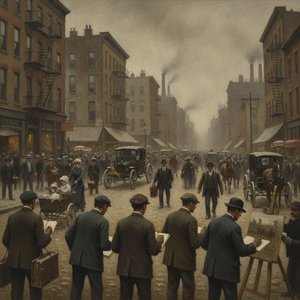
John French Sloan’s “Renganeschi’s Saturday Night,” painted in 1912, isn’t merely a depiction of a restaurant scene; it’s a meticulously crafted slice of life captured within the bustling heart of New York City. The painting transports us to Renganeschi's, a popular Italian eatery nestled in Chelsea – a neighborhood then brimming with artists, writers, and the burgeoning energy of a rapidly changing metropolis. Sloan masterfully avoids romanticizing this urban landscape; instead, he presents it with an honest, almost gritty realism that reflects the everyday experiences of its inhabitants. The composition is deliberately crowded, a deliberate visual representation of the lively atmosphere – tables packed close together, conversations overlapping, and a general sense of contained excitement.
The focal point is undoubtedly the central table, where three women are engaged in animated conversation. They’re not posed heroically or idealized; their postures are relaxed, even slightly languid, suggesting a comfortable familiarity and a shared enjoyment of the evening. Notice the details: one woman leans back with her legs casually draped over the chair, another playfully adjusts her pinky finger – gestures that subtly challenge Victorian conventions of decorum and hint at a newfound freedom for women in public spaces. The inclusion of men at other tables further emphasizes this shift, suggesting a loosening of social constraints.
A Masterclass in Ashcan Realism: Sloan’s Technique
Sloan's style firmly places “Renganeschi’s Saturday Night” within the Ashcan School movement. This group of artists rejected the idealized subjects and polished techniques favored by academic art, instead choosing to depict the realities of urban life – often focusing on working-class communities and everyday scenes. Sloan’s brushwork is loose and expressive, capturing the fleeting moments and vibrant energy of the scene with remarkable immediacy. He employs a technique known as “broken color,” applying thin layers of paint in short, irregular strokes, allowing the underlying colors to peek through—a method that creates a sense of movement and depth.
The use of light is particularly noteworthy. Sloan doesn’t rely on dramatic contrasts; instead, he employs a diffused, almost hazy illumination, typical of city life at night. This subtle lighting contributes to the painting's overall mood—a feeling of warmth, conviviality, and understated drama. The artist’s attention to detail extends beyond the figures themselves; observe the carefully rendered glassware, the patterned tablecloths, and the glimpses of other patrons in the background – all contributing to a richly textured and believable environment.
Symbolism and Social Commentary: A Glimpse into the Era
Beyond its immediate depiction of a restaurant scene, “Renganeschi’s Saturday Night” carries significant social commentary. The painting reflects the changing role of women in early 20th-century America—a period marked by increasing opportunities for education and employment, as well as evolving social norms. The women's relaxed behavior at the table represents a subtle rebellion against traditional expectations of female propriety. Furthermore, Sloan’s choice to portray this scene within a working-class establishment highlights the growing accessibility of leisure activities for all segments of society.
The inclusion of Renganeschi’s itself is also significant. The restaurant was known for its lively atmosphere and diverse clientele, attracting artists, writers, and laborers alike. Sloan's decision to depict this particular establishment suggests a deliberate engagement with the social fabric of Chelsea—a neighborhood that served as a vital hub for artistic innovation during this period. The painting serves as a poignant reminder of a time when New York City was undergoing rapid transformation, and its diverse communities were shaping the city’s cultural identity.
A Timeless Reflection: The Enduring Appeal
“Renganeschi’s Saturday Night” remains a captivating work of art due to its ability to transport us back in time—to a vibrant, bustling New York City and a moment of social change. Sloan's masterful technique, combined with his insightful portrayal of everyday life, creates an image that is both visually arresting and emotionally resonant. It’s a testament to the power of art to capture not just a scene, but also the spirit of an era—a timeless reflection on urban life, social dynamics, and the enduring human desire for connection and enjoyment.
მხატვრის ბიოგრაფია
ადრეული ცხოვრება და სამხატვრო გამოღვიძება
ჯონ ფრენჩ სლოუნი, დაიბადა 1871 წლის 2 აგვისტოს პენსილვანიის შტატის ქალაქ ლოკ ჰევენში. მისი ბავშვობა მძიმეორობით იყო აღმნიშვნელი და ღრმად განსაზღვრა მისმა სამხატვრო ხედვამ. ოჯახში საჭიროება იყო მხარდაჭერის გაწევა; მამის ფსიქიკურმა პრობლემებმა აიძულა ახალგაზრდა ჯონი პასუხისმგებლობა საკუთარი ასაკისთვის ზედმეტი მოვალეობების შესრულებაზე. ეს ადრეული გამოცდილება, რომელიც ხშირად იგნორირებოდა დამყარებული სამხატვრო წრეებში, მის შემოქმედებაში განსაზღვრაველ მახასიათებლად იქცა. ოჯახთან ერთად გადავიდა ფილადელფიაში, სადაც თავისი უნარები თავდაპირველად არა ფორმალური აკადემიური სწავლის გზით, არამედ პორტერისა და კოუატესის წიგნის მაღაზიაში ასისტენტ-კასირად მუშაობით გააუმჯობესა. ეს გარემო მასზე დამამყარებელი აღმოჩნდა; მან შეძლო დურერის და რემბრანდტის ნაწარმოებების შესწავლა, რაც ხატვისა და ჭრილობის ტექნიკაზე სიყვარულს უწყობდა ხელს. სწორედ აქ, დაბეჭდილი გამოსახულებების კომერციულ გარემოში, სლოუნმა საკუთარი ხელოვნება შექმნა, ჩუმად განვითარებული სტილით, რომელიც დაკვირვებაზე და ზუსტ დეტალებზე იყო დამყარებული. მისი ადრეული ნამუშევრები პრივილეგიაზე ან თავისუფლებზე კი არა, აუცილებლობაზე და გარშემო სამყაროსადმი მწვარე თვალის მიდრეკილობაზე იყო დაფუძნებული – საფუძველი, რომელზეც მან შესანიშნავი კარიერა ააშენა.ეშკანის სკოლა და ურბანული რეალიზმი
სლოუნის ტრაექტორიამ მკვეთრი გარდაქმნა განიცადა რობერტ ჰენრისთან შეხვედრის შემდეგ, რომელიც ხასიათოვანი მხატვარი იყო, რომელმაც სამხატვრო დამოუკიდებლობა და ყოველდღიური ცხოვრების გამოსახვა დაიცვა. ამ კავშირმა სლოუნი იმის გულში შეიყვანა, რაც ეშკანის სკოლად გახდა – მხატვართა ჯგუფი, რომელიც მე-19 საუკუნის ბოლო ნიუ-იორკის ქალაქის მძიმე რეალობის აღმნიშვნელობას ემსგავსებოდა. უილიამ გლაკენსთან, ჯორჯ ლუქსთან, ევერეტ შინთან და სხვებთან ერთად, სლოუნმა უარყო იმპერფექტი ლანდშაფტები და პორტრეტები, რომელსაც ბევრი თანამედროვე ამჯობინებდა. მის ნაცვლად მათ ყურადღება ქალაქის ღარიბ რაიონების ხალხმრავალი ქუჩებსა და ცოცხალ სოციალურ ცხოვრებაზე გადაიტანეს. მისი ნამუშევრები გახდა ამ ხშირად გაგულებული სამყაროს ვიზუალური ქრონიკა – მოიცვა სცენები მაკსორლის ბარიდან ქალების თმის საშრობი სახურავებზე. სლოუნმა არა მხოლოდ დოკუმენტირება მოახდინა; მან ამ სცენებს თანაგრძნობისა და ღირსების გრძნეულით აღავსო, რითაც ჩვეულებრივი ადამიანების ცხოვრებას ტილაზე აიყვანა. მას ჰქონდა უნიკალური უნარი რაიონის ცხოვრების *ესენცია* შეძლო, ნატიფი ჟესტები და გარდამავალი მომენტები გამოეყო, რომლებიც ადგილის ხასიათს და მის მაცხოვრებლებს წარმოადგენდნენ. რეალიზმისადმი ეს ერთგულება მხოლოდ ესთეტიკური არ იყო; ის ასევე მისი სოციალისტური შეხედულებებით იყო განპირობებული, თუმცა მან ყოველთვის ხელოვნებასა და თავის პოლიტიკურ შემოქმედებას შორის განსხვავება დაიცვა.სტილი და გავლენები
სლოუნის სამხატვრო სტილისთვის დამახასიათებელია გამორჩეული გავლენების შერწყმა. რეალიზმზე დაფუძნებული მიუხედავად, მისი ნამუშევრები სტილისტური ნიუანსისგან არ იყო მოკლებული. მან გამოიყენა მუქი, მდიდრული ფერები – ხშირად სინათლეებსა და ჩრდილს შორის კონტრასტის ხაზგავსავდა – დრამის გრძნობის შესაქმნელად. მისი კომპოზიციები ყურადღებით იყო აშენებული, ხშირად ძლიერი დიაგონალების გამოყენებით, რათა მაყურებლის თვალი სცენაზე მიეპყრო. ჭრილობის გავლენა ჩანს მის ზუსტ ხაზებში და დეტალებზე ყურადღებასობაში, თუნდაც მისი ნახატებში. ჰენრის გარდა, სლოუნმა შთაგონება ევროპელ მასტერებსაც მიიღო, მაგალითად ედგარ დეგასა და ონორე დომიესგან, რომელთა უნარსაც მოძრაობის აღსაჩინებლად და სოციალური კომენტარისთვის თაყვანი სცემდნენ. თუმცა მან თავისი ამერიკული ხმა შექმნა, რომელიც ნიუ-იორკის ქალაქის ენერგიასა და დინამიკას ასახავდა. მისი ნამუშევრები დიდი მოთხრობების ან ისტორიულ მოვლენების შესახებ არ იყო; ისინი მცირე მომენტებზე, ყოველდღიურ გამოცდილებაზე იყო დაფუძნებული, რომელიც ურბანული ცხოვრების ქსოვილს წარმოადგენდა. მან სილამაზე ჩვეულებრივ სცენებში იპოვა, ჩვეულებრივი მომენტები მართლმედიდებელი ხელოვნებად გარდაქმნა. მაგალითად, *ნავის გასული ტალღა* გამოხატავს მის უნარს ემოციური სიღრმის და სიმბოლური მნიშვნელობის სცენაში ჩასმაში.მემკვიდრეობა და ხანგრძლივი გავლენა
ჯონ ფრენჩ სლოუნის მემკვიდრეობა ეშკანის სკოლაში მისი წვლილის მიღმაც ვრცელდება. ის იყო პროლფიკი მხატვარი, რომელმაც სხვადასხვა საშუალებებში იმუშავა – ხატვა, ჭრილობა, ლითოგრაფია, ნახატი – და მუდმივად იკვლევდა ურბანული ცხოვრების, სოციალური სამართლიანობისა და ადამიანური კავშირის თემებს. ამერიკის მუშაკი კლასის რეალობის გამოსახვის ერთგულებამ მომავალი თაობების მხატვრებმა გზა გაუხსნეს, რომლებმაც კონვენციული სამხატვრო ნორმების გამოწვევა და სოციალურ საკითხებზე აქტიური ჩართულობა მოისურვეს. ის ერთგული მასწავლებელი იყო, თავისი ცოდნა და სიყვარული უამრავ სტუდენტს გაუზიარა მთელი კარიერის განმავლობაში. მიუხედავად იმისა, რომ სამხატვრო გემოვნება ვითარდებოდა, სლოუნი თავის ხედვას მართალი დარჩა, აგრძელებდა ნამუშევრების შექმნას, რომლებიც მის ღრმ კავშირს ნიუ-იორკის ქალაქთან და მის ხალხთან ასახავდნენ. მისი ნამუშევრ
ჯონ ფრენჩ სლოუნი
1871 - 1951 , ამერიკის შეერთებული შტატები
მოკლე ინფორმაცია
- Artistic Movement Or Style: ეშკანის სკოლა, რეალიზმი
- Artists Or Movements Influenced By This Artist: ['შემდგომი თაობები']
- Artists Who Influenced This Artist: ['რობერტ ჰენრი']
- Date Of Birth: 2 აგვისტო, 1871
- Date Of Death: 7 სექტემბერი, 1951
- Full Name: ჯონ ფრენჩ სლოუნი
- Nationality: ამერიკელი
- Notable Artworks (List Of Titles):
- A mechanical Baa-Baa!
- Fall of the Greenwich Village Bastille
- Chinese Restaurant
- Place Of Birth (City And Country): ლოკ ჰევენი, ამერიკის შეერთებული შტატები
დაკავშირებული სტატიები

Celestial Dreams: Capturing the Cosmic Magic and Emotional Depth of Impressionist Nightscapes
Explore the ethereal beauty of Impressionist nightscapes. From Van Gogh's swirling stars to luminous river scenes, discover how masters captured cosmic magic through light and emotion. Perfect for art lovers seeking deep cultural connection and timeless inspiration.
The Ashcan School: Capturing the Raw, Unfiltered Soul of Urban Life through American Realism
Discover the raw beauty of the Ashcan School. Explore how masters like Bellows and Henri captured the gritty, vibrant soul of early 20th-century New York through profound American Realism and evocative urban landscapes.