


 ნახვა ინტერьерში
 გაგზავნა
 გაზიარება
 დეტალები
 გზამკვლევი

 ჩამოტვირთვა
 მსგავსები
 რენტგენოგრაფიული კვლევა
 სლაიდშოუ
 სტატისტიკა
Head of a Negro


John Singleton Copley's 'Head of a Negro' (1777) is a striking portrait showcasing realism and dignity. Explore this Detroit Institute of Arts masterpiece.
 სრული ტექსტის ნახვა
გაიცანით ჯონ სინგლეტონი კოპლეის ნაწალი ხელოვნების ისტორია თქვენს სახლში! კოპლეის პოზიტიური სურათები და დეტალურად გადამუშავებული ბრიტანელი მხატვარი პოლ სეზანი მატისი და პიკასოს ნახატების ისტორია. ხელოვნების ბეჭვრები TopImpressionists.com-ზე - სახლის დეკორისთვის და ინტერიერის გასაფართალებლად. აღმოაჩინეთ მთელი კოლექცია ონლაინ!
გიკლე / ხელოვნების პრინტი
მუზეუმის დონის ჟიკლე ან ტილოზე ბეჭდვა სწრაფი წარმოებისა და დასრულების მოქნილი ვარიანტებით. ( შეიძინეთ ხელით შესრულებული ნახატი გადასვლა ციფრულ გამოსახულებაზე)




































სტანდარტული ზომა
ინდივიდუალური ზომა
CM
INCH
აირჩიეთ ჩვენს მიერ წინასწარ განსაზღვრული ზომებიდან, რომლებიც ნაწარმოების ორიგინალურ პროპორციებს შეესაბამება.
Loading sizes...

სიგანე
სიმაღლე
შეიყვანეთ თქვენთვის საჭირო სიგანე და სიმაღლე, რათა იგი მოერგოს თქვენს ჩარჩოს ან კედელს. ბეჭდვისას შესაძლებელია მხოლოდ მისი შემცირება და არა გაზრდა, ამიტომ სხვა ფორმის ზომის შემთხვევაში გამოსახულება ნაწილობრივ იკარგება. სანამ რაიმეს დაბეჭდავთ, ჩვენ გამოგიგზავნით ციფრულ მაკეტს დასდასტურებლად. ამ გვერდზე ნაჩვენები სურათი არ ასახავს რეალურ ჭრას — ამას მხოლოდ მაკეტი გვიჩვენებს.
მიწოდება მთელ მსოფლიოში () 2 კვირაში, სტანდარტული 4/5 კვირის ნაცვლად. (27 ოქტომბერი)

უფასო ექსპრეს მიწოდება მთელ მსოფლიოში

მაღალი ხარისხის ტილო

ტრანსპორტირების სრული დაზღვევა

საბაჟო გადასახადების დაბრუნების გარანტია

ფერების სრული შესაბამისობის გარანტია

დაბრუნების 100-დღიანი პერიოდი (მხოლოდ წარმოების დეფექტის შემთხვევაში)

100% თანხის სრული დაბრუნების გარანტია

ფასდაკლება დიდი რაოდენობით შეკვეთისას
 მინის ჩარჩოს არჩევანი ხელმისაწვდომია მხოლოდ 110 სმ-მდე ზომისთვის

Head of a Negro
გიკლე / ხელოვნების პრინტი
რეპროდუქციის ზომა
-


ჯამური ღირებულება
₾ 180
Head of a Negro: A Portrait of Dignity and Complexity
John Singleton Copley's "Head of a Negro," created in 1777, is more than just a portrait; it’s a significant work within the context of 18th-century American art. Housed at the Detroit Institute of Arts, this oil on canvas painting offers a compelling glimpse into the social and artistic landscape of colonial America while prompting reflection on themes of race, identity, and representation.
Artistic Style and Technique
Copley, known for his realistic portraiture, employs a direct and unadorned style in "Head of a Negro." The subject is depicted against a neutral background, drawing the viewer's attention solely to his face and upper torso. Copley’s masterful use of oil paint allows for remarkable detail; you can observe the texture of the man’s brown shirt and the subtle nuances of his facial features. The brushstrokes are visible yet controlled, contributing to a sense of immediacy and realism. The lighting is soft and diffused, highlighting the subject's eyes and creating gentle shadows that emphasize his expression. This technique reflects Copley’s commitment to capturing not just likeness but also character.
Historical Context and Significance
The painting was created during a period of increasing awareness of slavery in America, though attitudes were complex and varied. While the portrait doesn't explicitly address the institution of slavery, its very existence—a formal portrait of a man of African descent—was noteworthy for the time. It suggests a degree of recognition of individual dignity, even within a society deeply entangled with racial inequality. Copley’s decision to portray this subject demonstrates an interest in exploring diverse representations beyond the typical portraits of wealthy colonial figures. The painting provides valuable insight into the social dynamics and artistic practices of 18th-century Boston.
Subject and Symbolism
The man depicted possesses a dignified presence, with open eyes and a subtle smile that conveys an air of approachability and intelligence. His gaze is direct, engaging the viewer in a silent dialogue. While the specific identity of the sitter remains unknown, his portrayal challenges stereotypical representations prevalent at the time. The painting can be interpreted as a statement about individual worth and humanity, transcending racial boundaries. The simple attire—a brown shirt—further emphasizes the subject’s inherent dignity rather than material possessions.
Emotional Impact and Legacy
"Head of a Negro" evokes a sense of quiet contemplation and respect. The painting's enduring power lies in its ability to transcend time, prompting viewers to consider issues of race, representation, and human connection. Copley’s work serves as a reminder of the complexities of American history and the importance of recognizing the humanity within every individual. Today, it stands as a testament to Copley’s skill as an artist and his willingness to challenge conventional norms.
კითხვები და პასუხები
რას გამოსახავს "Head of a Negro" და როგორი ატმოსფერო აქვს მას?
ჯონ სინგლტონ კოპლი-ის „Head of a Negro“ ასახავს portrait, negro, copley, 18thcentury, americanart, dignity, expression, historical-ს, Nostalgic განწყობით. სუბიექტი და ატმოსფერო ერთობლიობაში ქმნის ნამუშევრის აღწერას.
რა თემები არის გამოსახული ნამუშევარში ჯონ სინგლტონ კოპლი-ის „Head of a Negro“?
ჯონ სინგლტონ კოპლი-ის „Head of a Negro“-ზე გამოსახულია: portrait, negro, copley, 18thcentury, americanart, dignity, expression, historical.
რა ატმოსფეროს ქმნის ჯონ სინგლტონ კოპლი-ის „Head of a Negro“ ინტერიერში?
ჯონ სინგლტონ კოპლი-ის „Head of a Negro“-ს აქვს Nostalgic ატმოსფერო და რეკომენდებულია Living Room-ისთვის. განწყობა არის ის, რასაც ნამუშევარი მის გარშემო არსებულ სივრცეს მატებს.
მხატვრის ბიოგრაფია
ჯონ სინგლტონ კოპლის: ამერიკის ხელოვნების წინდაწინმსვლელი
ჯონ სინგლტონ კოპლი, 1738 წელს ბოსტონში დაბადებული, უნიკალური და მნიშვნელოვანი ადგილი უკავია ამერიკის ხელოვნებაში. ის არ მხოლოდ მხატვარი იყო; ის კულტურული ხიდი იყო, რომელიც აერთიანებდა ანგლო-ამერიკულ ესთეტიკას გარდამტეხილ პოლიტიკურ და სოციალურ ცვლილებების ეპოქაში. მისი ისტორია თვითონაჩვენებრივი ბრწყინვალებისა და შეუდარებელი ამბიციის თხოვნაა, ასევე უნაკლუვი უნარი ასახოს არა მხოლოდ ადამიანის 모습ები, არამედ მისი არსის სილამაზეც თავისი დროის კონტექსტში. კოპლის ადრეული ცხოვრება ჩაება ბოსტონის აყვავებულ საზღვაო სამყაროში, ქალაქში რომელიც მდიდარი იყო ვაჭრებით, 조선მშენებლებით და განვითარებადი სიმდიდრით. მისი მამა, რიჩარდ კოპლი, თუმცა მალევე გაქცეოდა, იყო თუთის ვაჭარი, ხოლო მისი დედა, მერი სინგლტონ კოპლი, აწარმოებდა მაღაზიას ლონგ უორფზე. ეს გარემო განავითარებდა ახალგაზრდა ჯონში საგნებისადმი მკვეთრი აღქმის გრძნობას – ბეჭდების ტექსტურები, ვერცხლის ნათება, სოციალური სტატუსის მწირი ფერხოზულობები - ყველა ეს ელემენტი მოგვიანებით განსაზღვრავდა მისი მხატვრული სტილის არსს. მისი რძეული მამა, პიტერ Pelham, გრავერი და ლიმნერი (ხელოვანი რომელიც ქმნიდა გამოსახულებებს ნადუღზე ან პარჩემენტზე), უწევდა გარკვეულ ხელმძღვანელს, მაგრამ კოპლის ტალენტი ძირითადად თვითონაჩვენებრივი იყო, მუდმივმაგიერებასთან და პრაქტიკასთან. ის იხმოოდა ყველა ხელმისაწვდომ გრავირს, ფრთხილად აკოპირებდა მათ ტექნიკის გასაუმჯობესებლად და სწრაფად აღემატებოდა მის რძეულ მამას.კოლონალური პორტრეტისტის აღზევება
1760-იანი წლებისთვის კოპლიმ საკუთარი თავი დაამყარა ბოსტონის უპირველესი პორტრეტისტად, რომელიც მომსახურებას უწევდა ქალაქის არისტოკრატიას. მისი წარმატება არ იყო მხოლოდ ტექნიკის ნიშნები; ის იყო მისი უნარი მისცემოდა პორტრეტებს ფსიქოლოგიური სიღრმე, რაც იშვიათად გვხდებოდა კოლონალურ ამერიკის ხელოვნებაში. ის გადადიოდა 단순한 წარმომადგენლობიდან, ცდილობდა ასახოს მისი მოდელების ხასიათი და სოციალური სტატუსი. ეს მოიცავდა დეტალებზე ფრთხილად ყურადღას - ბეჭდების, სამკერვალის და ავეზებულობის ზუსტი აღწევა, მაგრამ ასევე მათი პოზის, გამომხატველი სახის და ჟესტის გაგებას. კოპლის პორტრეტები არ იყო მხოლოდ تصاویر; ისინი განცხადებები იყვნენ სიმდიდრის, ძალისა და სოციალური მისწრებების შესახებ. ის ეფექტურად ინტეგრირებდა სიმბოლურ ობიექტებს თავის კომპოზიციებში, ფარულად მიანიშნებდა მისი მოდელების პროფესიებზე ან ინტერესებზე. ვაჭარი შეიძლება იყოს აღწერილი ფონში იმპორტირებული საქონლის თანხლებით, ადვოკატი - იურიდიული ტექსტებით, ან სამხედრო ოფიცერი - საზღვაო ინსტრუმენტებით. ეს დეტალებისადმი ყურადღება და სიმბოლიზმი აძლიერებდა მის მუშაობას 단순한 პორტრეტისგან, მას გარდაქმნიდა სოციალური კომენტარის ფორმად. მისი გამოსახულებები გამოჩენილი ადამიანებისა, როგორიცაა *მისები ევაკელი გონდთვეიტი (ელისაბეთ ლიუისი)*, ამავე დროს წარმოადგენს ამ მიდგომას - ელეგანტური პოზა, ფუფუნება ბეჭდების და დეკორატიული დეტალების გამოყენებით, ყველა ეს აჩვენებს სიმარჯვესა და სტატუსს.ამბიციები და ევროპის გამოძახება
მას შემდეგ რაც ბოსტონში წარმატებას მიაღწია, კოპლიმ ჰქონდა амбиции, რომლებიც გადაურჩევდა კოლონალური ხელოვნების სამყაროს. ის ოცნებობდა აღიარების შესახებ ლონდონის და რომის დამსEstablished ხელოვნების წრეებში და ცდილობდა შეესია თავისი უნარი ევროპელი მხატვრების მასტერებს. 1766 წელს მან გაუგზავნა თავისი *ბიჭი მოფრინავი ციყვით* საზოგადოებას ხელოვანების მიერ, სადაც ჯოშუა რეინოლდსმა და ბენჯამინ ვესტმა დიდი 찬사를 გამოხატეს - ორი წამყვანი ფიგურა ბრიტანულ ხელოვნების სცენაზე. ეს მხარდაჭერა გაზარდა კოპლის სურვილი უფრო მეტი ტრენინგისა და გამოფენისთვის. თუმცა, ოჯახური ვალდებულებები და აყვავებული პრაქტიკა მას ბოსტონში კიდევ ათი წლის განმავლობაში ჰყავდა მიბმალი. საბოლოო ჯერ, 1774 წელს, თავის ცოლთან, სუსანა ფარნსვორთ კლარკთან და შვილებთან ერთად, ის დაიწყო მოგზაურობა ევროპაში, იმის მიზნით, შეესწავლა ძველი მასტერები და დამყარებოდა მხატვრული სამუშაო. ამერიკის რევოლუციის დაწყებამ მალევე შეაფერხა მისი საქმე, აიძულა კოპლი ნავიგაცია პოლიტიკურად დატვირთულ გარემოში, მის მიზნებს განეხორციელებინა.ისტორიული მოთხრობები და გრძელი მემკვიდრეობა
ლონდონში კოპლიმ იპოვა როგორც შესაძლებლობები, ასევე გამოწვევები. მან 계속해서 ζωγραφίζει პორტრეტებს, მიიღებდა შეკვეთებს გამოჩენილი ბრიტანელი ფიგურებისგან, მაგრამ ის ასევე გადაიტანა ყურადღებას ისტორიულ ζωγραφικήზე - ჟანრს რომელიც განიხილებოდა უფრო სახელოვნებო, ვიდრე პორტრეტი. მისი ამ მიმართულებით ყველაზე амбициозный მუშაობა იყო *მაიორი პირსონის გარდაცვალება*, რომელშიც აღწერილია ჯერსის ბრძოლის სცენა ამერიკის რევოლუციურ ომში. თუმცა ტექნიკურად შთამბეჭდავი, მან მიიღო смешанные отзывы, ზოგიერთი კრიტიკოსი ეჭვქვეშ აყენებდა მის კომპოზიციასა და დრამატულ გავლენას. კოპლის შემდგომი ისტორიული ζωγραφებები, როგორიცაა *ერლ Chatham-ის დაღლილობა სახალხო პალატაში*, უფრო წარმატებული იყო, რაც აჩვენებდა მის უნარს აღეწერა რთული ემოციები და დრამატიული მომენტები. თუმცა ის სრულად ვერ მიაღწია იმ აღიარებას, რომელსაც ეძებნა ევროპაში, ჯონ სინგლტონ კოპლიმ საყოველთაოდ დატოვა
ჯონ სინგლტონ კოპლი
1738 - 1815 , გაერთიანებული სამეფო
მოკლე ფაქტები
- Artistic Movement Or Style: პორტრეტიზმი, რეალიზმი
- Artists Or Movements Influenced By This Artist: შემდეგი თაობების მხატვრები
- Artists Who Influenced This Artist:
- რემბრანტ ვან რეინი
- ანტუან ვატო
- Date Of Birth: 1738 წლის 3 ივლისი
- Date Of Death: 1815 წლის 9 სექტემბერი
- Full Name: ჯონ სინგლტონ კოპლი
- Nationality: ამერიკელი-ინგლისელი
- Notable Artworks:
- მს. ეზეკიელ გონდთვეიტი
- ბიჭუნა მფრინველის ციყვით
- უოტსონი და ზვიგენი
- Place Of Birth: ბოსტონი, დიდი ბრიტანეთი
მსგავსი სტატიები

The Unvarnished Truth: A Cultural Journey Through the Soul of American Realism
Explore the profound beauty of American Realism. From the Ashcan School's urban grit to intimate portraits, discover how artists captured the authentic soul of a nation through unvarnished truth and masterful observation.
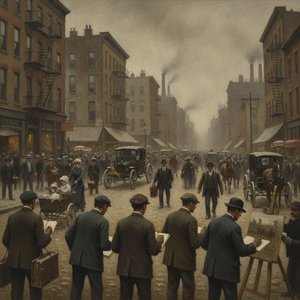
The Ashcan School: Capturing the Raw, Unfiltered Soul of Urban Life through American Realism
Discover the raw beauty of the Ashcan School. Explore how masters like Bellows and Henri captured the gritty, vibrant soul of early 20th-century New York through profound American Realism and evocative urban landscapes.
აღმოაჩინეთ ხელოვნების ნაწარმოებები თემების, სტილისა და მახასიათებლების მიხედვით დაჯგუფებული.


